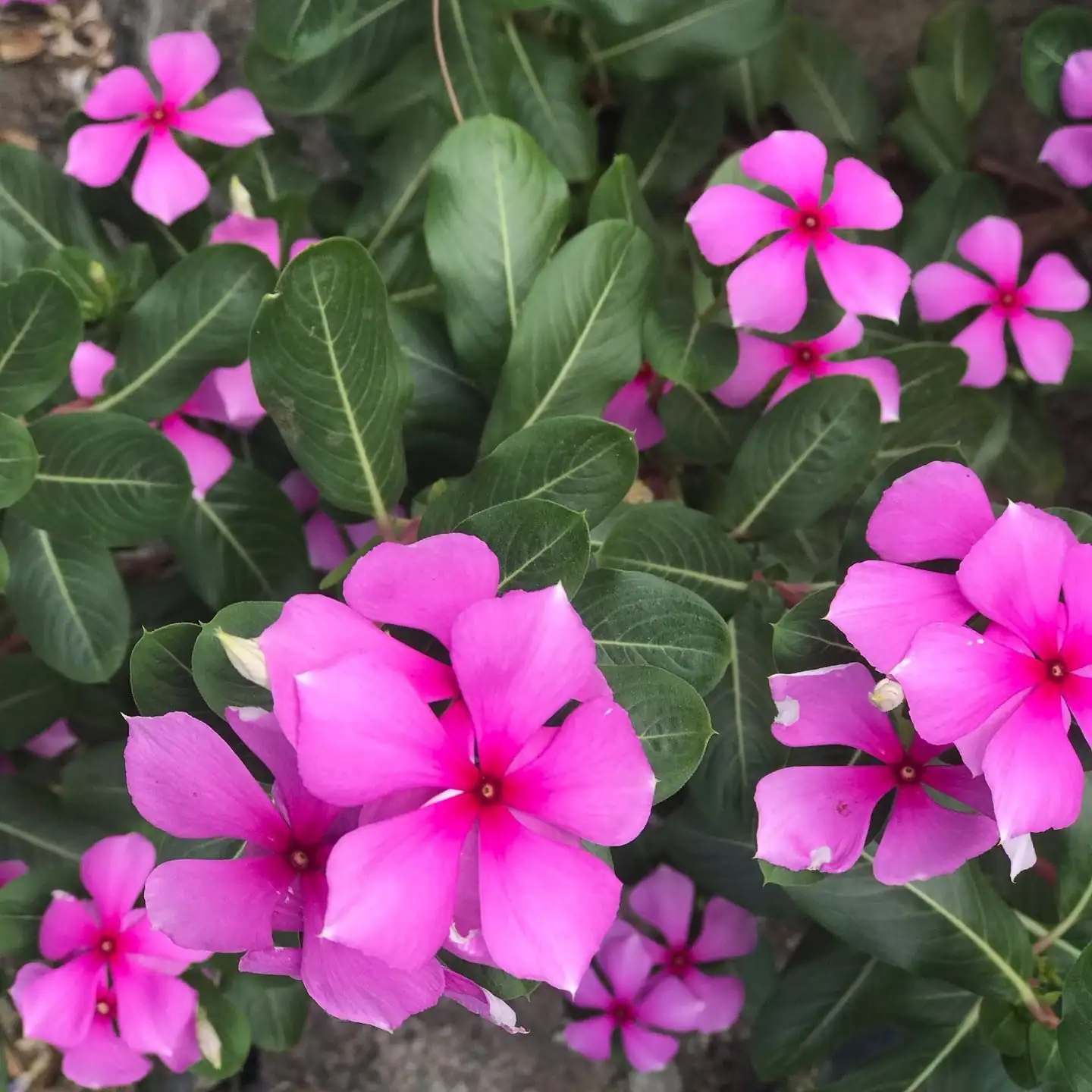
Catharanthus roseus, commonly known as the Madagascar Periwinkle, is more than just a pretty face in your garden. Its vibrant pinwheel flowers and glossy leaves are a gardener’s delight, but like any beauty, it comes with its own set of challenges. In this article, we’ll dig into effective solutions for tackling common pests like aphids and spider mites and offer tips for preventing diseases often linked to wet and crowded conditions. Ready to keep your periwinkle thriving? Let’s get started!
The Pest Parade: Aphids and Spider Mites
Aphids and spider mites are some of the most common culprits when it comes to pest issues in your Madagascar periwinkle. These tiny troublemakers can sap the vitality of your plants, leaving you with more worry than blooms.
Aphids: The Unwelcome Guests
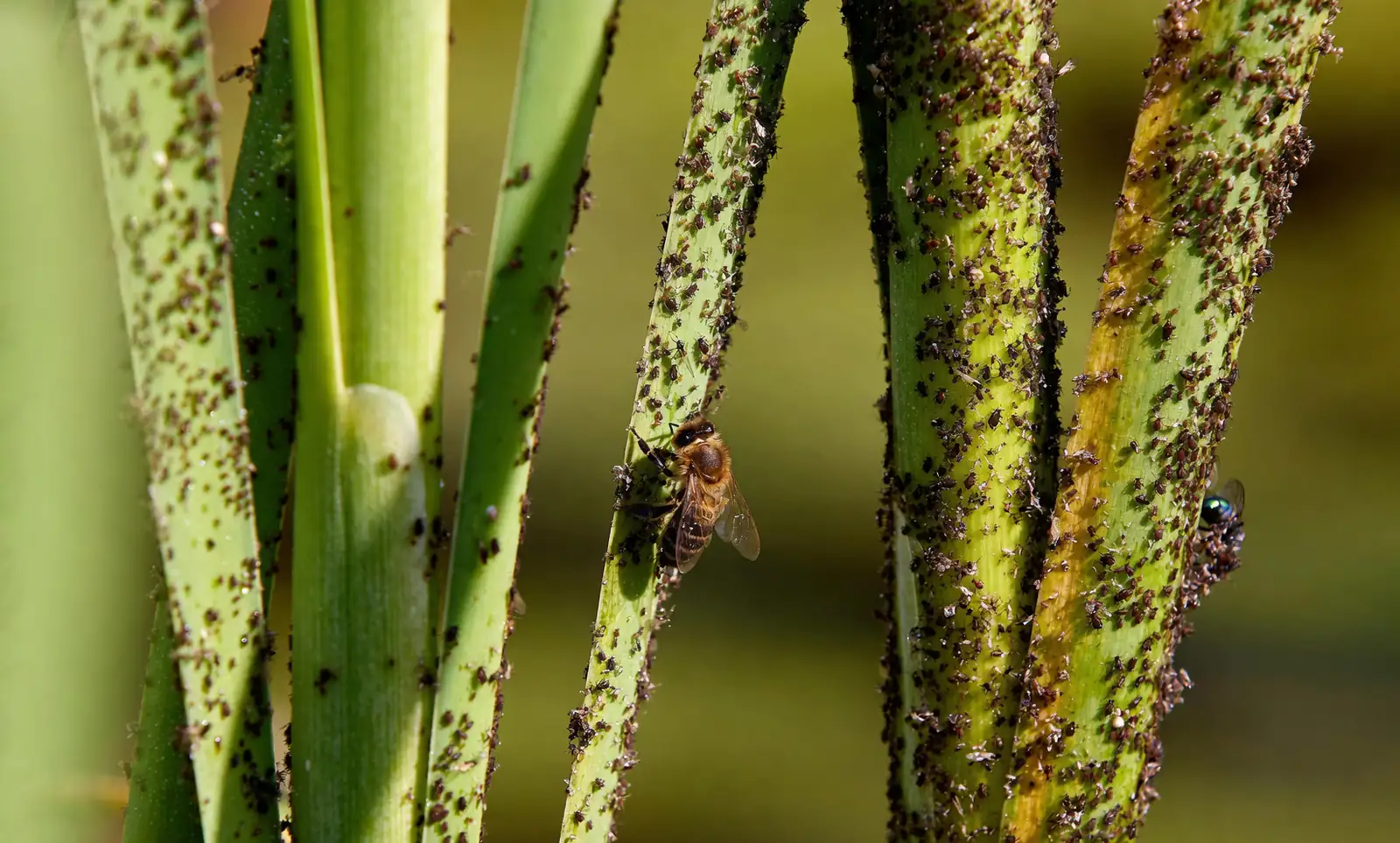
Aphids are small, sap-sucking insects that can cluster on the stems and undersides of leaves. They are notorious for their rapid reproduction and can quickly cause significant damage.
- Solution: Start by spraying your periwinkle with a strong jet of water to dislodge aphids. If the infestation persists, consider using insecticidal soap or neem oil. Both are effective and safe for most beneficial insects.
Spider Mites: The Stealthy Suckers
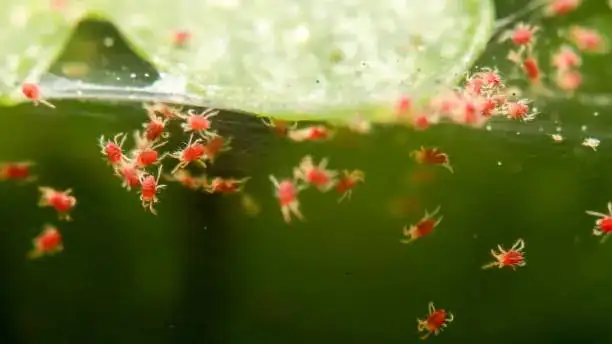
Spider mites thrive in hot, dry conditions and are particularly adept at spinning webs on the undersides of leaves, which can lead to leaf drop and poor plant health.
- Solution: Increase humidity around the plant by misting or using a humidifier. If the infestation is severe, apply a miticide specifically designed for spider mites. Always follow the label instructions to protect your plant’s health.
Disease Dilemmas: Preventing Wet and Crowded Conditions
Beyond pests, diseases often lurk where conditions are less than ideal. Catharanthus roseus is particularly vulnerable to problems stemming from excessive moisture and poor air circulation.
Root Rot and Damping-Off
These issues often arise from overly wet soil and poor drainage, leading to stunted growth and even plant death.
- Solution: Ensure your periwinkle is planted in well-draining soil. A mix with coarse sand or perlite can improve drainage. Allow the top layer of soil to dry out between waterings, and avoid late-day watering to reduce moisture overnight.
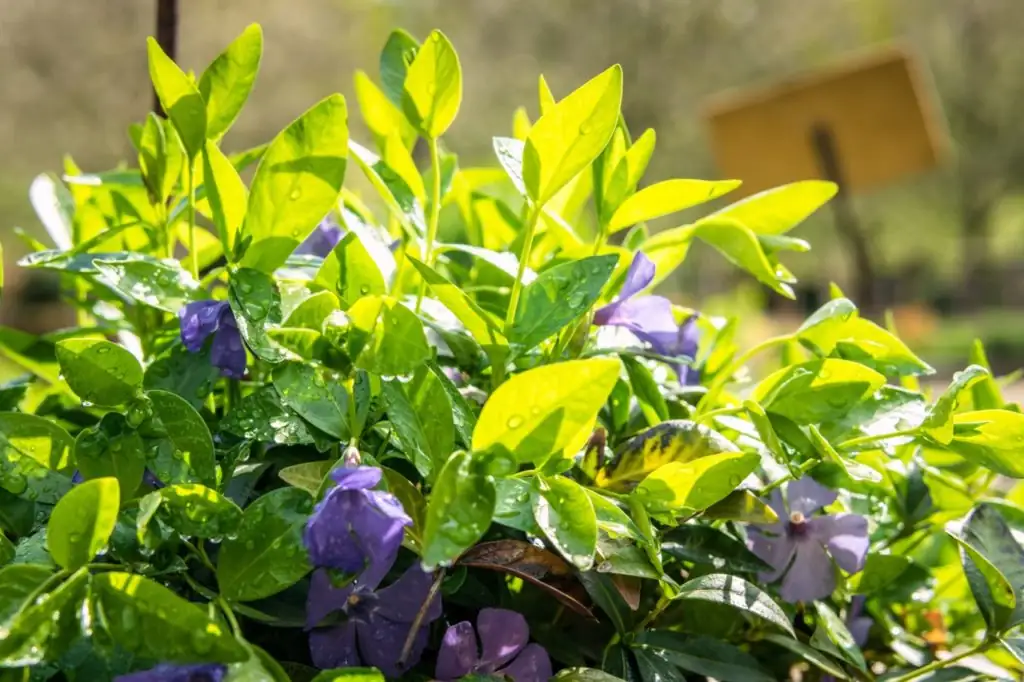
Leaf Spot and Mold
Fungal spots on the leaves and gray mold on spent flowers are signs that your plant needs more breathing room.
- Solution: Regularly prune your plant to improve air circulation. If your periwinkle is in a pot, make sure it isn’t crowded by other plants. Removing spent blooms can also prevent mold and keep your plant looking tidy.
Prevention is Key
Keeping Madagascar periwinkle healthy is all about proactive care.
- Sun and Air: Place your periwinkle in a location where it can bask in full sun for at least 6 hours a day. Good airflow is essential, so avoid placing it in cramped or stagnant areas.
- Smart Watering: Follow the “Goldilocks rule”—not too much, not too little. Let the top inch of soil dry out before watering again, especially in containers.
- Fertilization: During the growing season, feed your plant every two weeks with a balanced fertilizer to encourage robust growth.
A Flower with a Rich History
Catharanthus roseus is not just a joy to the eye; it holds profound significance in traditional medicine. Its alkaloids, vincristine and vinblastine, are powerful anticancer agents derived from this plant. Historically, it has been associated with resilience, a fitting tribute to its ability to thrive under tough conditions.
Final Thoughts
The Madagascar periwinkle is a resilient and rewarding plant that can brighten any garden or home. By keeping an eye out for pests and maintaining optimal growing conditions, you can enjoy its colorful display for many months. With a little care and attention, your periwinkle will continue to flourish, showcasing its beauty and resilience season after season. Happy gardening!