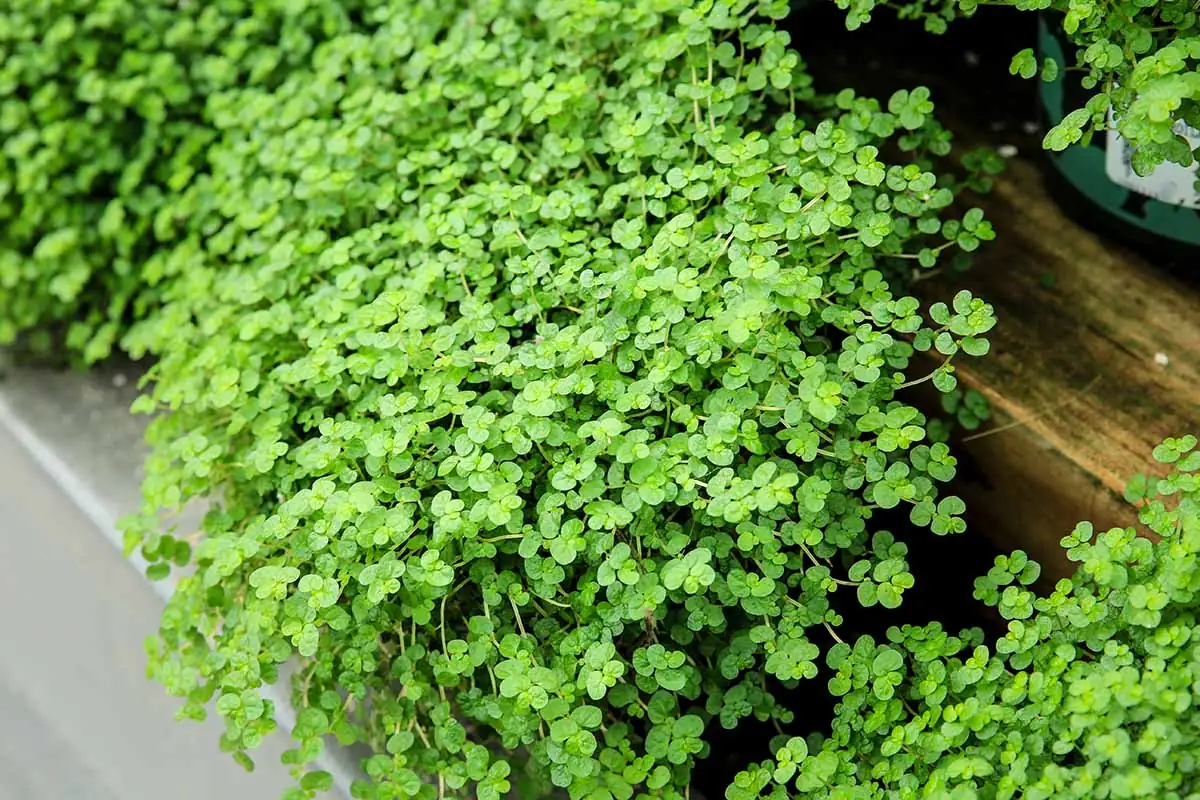
Nestled within the charming embrace of its myriad tiny leaves, the Baby’s Tears plant (Soleirolia soleirolii) captivates with its lush, soft, and cushion-like appearance. While it may look like an easygoing green carpet, this delightful plant can sometimes face uninvited guests and sneaky ailments that threaten its verdant charm. Let’s dive into the common pests and diseases that can affect your Baby’s Tears and explore practical solutions to keep them thriving.
Common Pests: Tiny Invaders
Despite its peaceful demeanor, Baby’s Tears can attract a handful of persistent pests. Here’s what to watch out for:
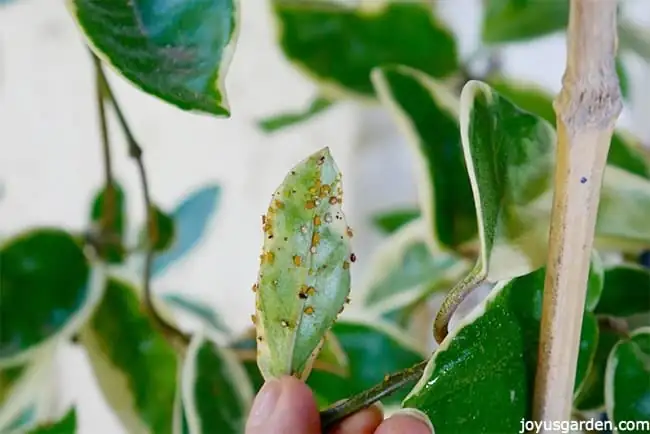
Aphids and Whiteflies
These sap-sucking insects can stunt growth and cause wilting. They often gather on the undersides of leaves, forming clusters that may look like a moving carpet of their own.
Solution: A gentle spray of water can dislodge small infestations. For more stubborn cases, treat the plant with insecticidal soap or neem oil—both effective and eco-friendly options.
Mealybugs and Scale
These pests are notorious for their waxy coatings, making them a bit tougher to handle. Mealybugs resemble tiny cotton balls, while scale appears as small, brown bumps on stems and leaves.
Solution: Remove these pests manually with a cotton swab dipped in alcohol. Regular inspections and cleanings help keep these critters at bay.
Spider Mites
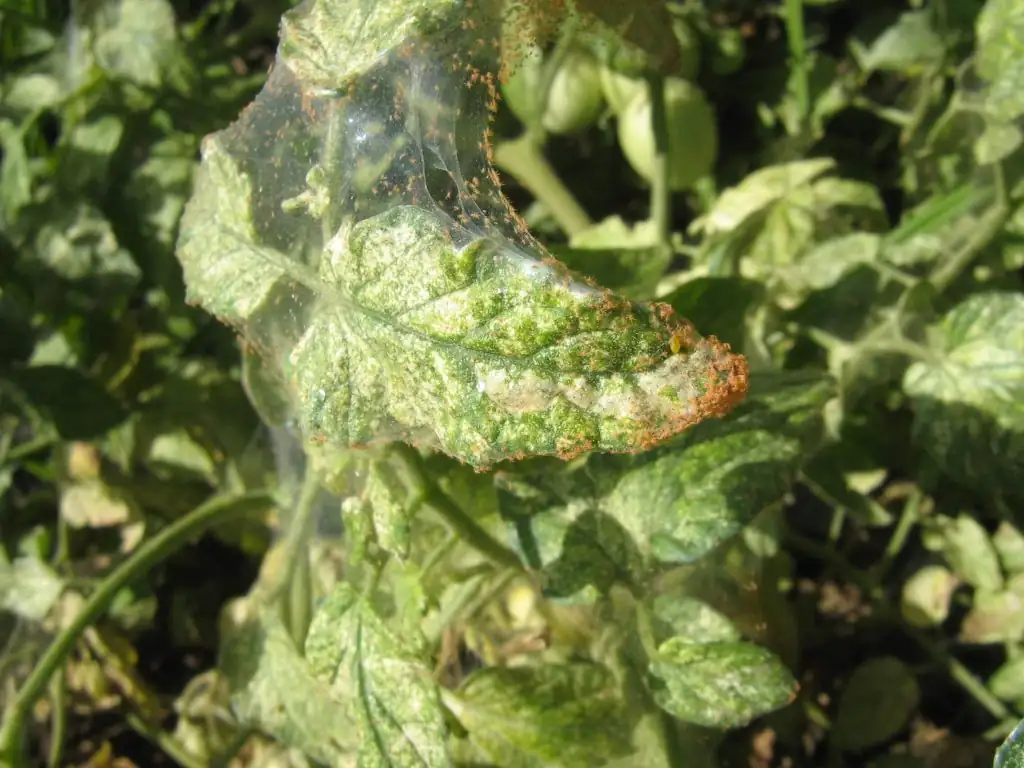
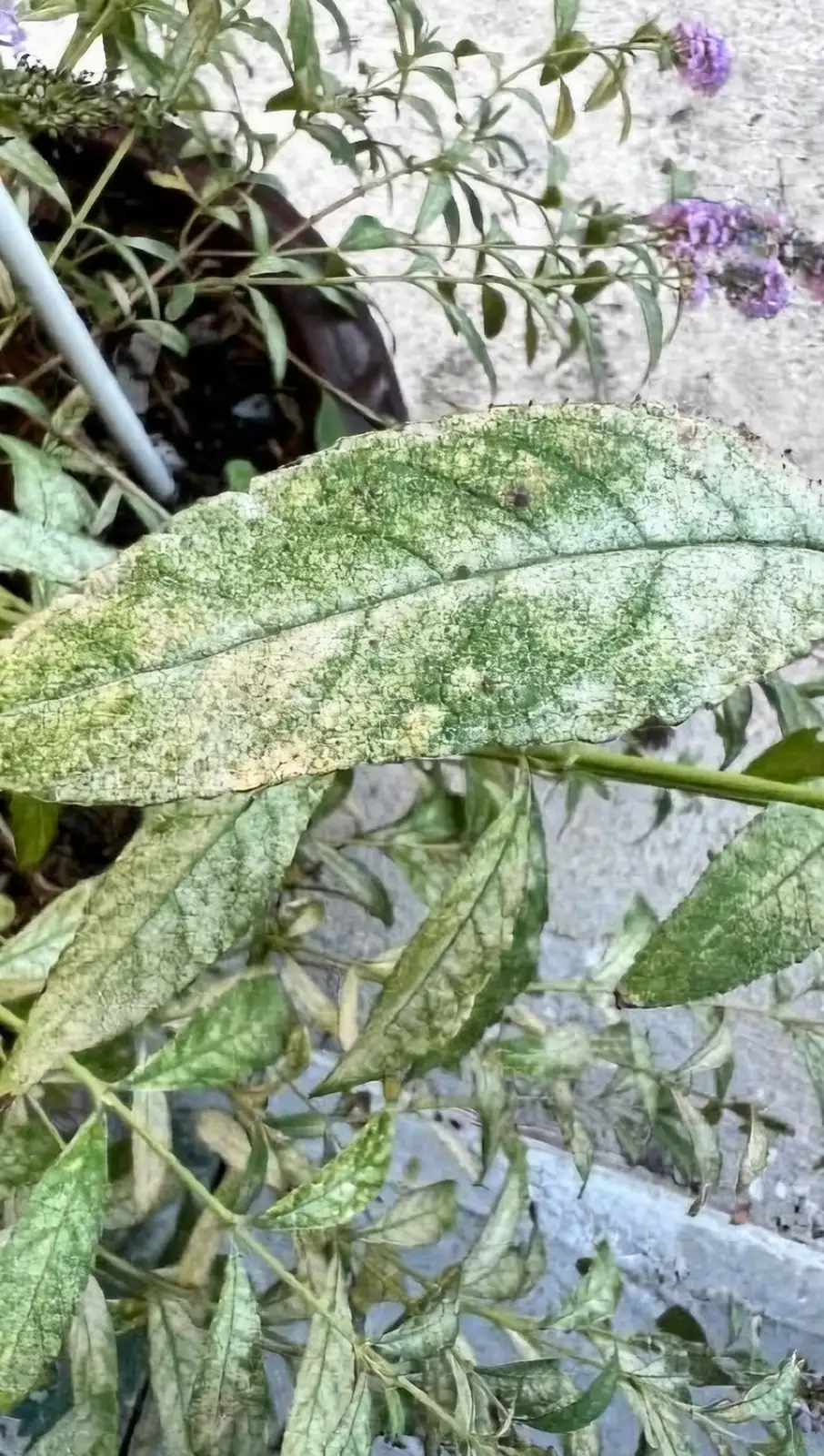
These tiny arachnids thrive in dry conditions and can cause the leaves to develop fine webs and a speckled appearance.
Solution: Increase humidity around the plant using a pebble tray or humidifier, and regularly mist the foliage. If infestation is severe, consider using a miticide.
Diseases: Sneakier Threats
Diseases often arise from environmental stress or improper care, manifesting in various forms:
Root Rot
This fungal disease stems from overwatering and poor drainage, leading to mushy roots and a foul odor.
Solution: Ensure your plant’s pot has proper drainage, and allow the soil surface to dry slightly between waterings. If rot has set in, trim away affected roots and repot in fresh, well-draining soil.
Botrytis (Gray Mold) and Powdery Mildew
These fungal diseases love humid environments with poor airflow, leaving gray or white powdery splotches on leaves.
Solution: Improve air circulation around your plants by spacing them appropriately and avoid overhead watering. Fungicides can be used as a last resort for persistent infections.
Keeping Baby’s Tears Healthy: Tips and Tricks
To maintain the vibrant charm of your Baby’s Tears, consider these nurturing practices:
- Light and Placement: Position them in bright, indirect light to provide the energy they need without scorching their delicate leaves. Outdoors, choose a shaded or dappled-light location.
- Watering Wisdom: Keep the soil evenly moist but not waterlogged. This plant’s dramatic wilting is a cry for immediate hydration, but avoid standing water to prevent root rot.
- Humidity Happy: As lovers of high humidity, Baby’s Tears thrive in terrariums, bathrooms, or kitchens. If your home is dry, use pebble trays or group them with other plants to raise the humidity.
- Regular Pruning: Trim regularly to encourage dense growth and prevent leggy stems. This not only keeps the plant aesthetically pleasing but also reduces pest hiding spots.
A Plant with Personality and History
Beyond its beauty, Baby’s Tears bears a legacy linked to Joseph François Soleirol, who first collected this species in Corsica. Its playful common names, such as “mind-your-own-business” and “angel’s tears,” hint at its cheerful and resilient nature.
In the language of flowers, this plant symbolizes softness and adaptability, qualities that mirror its ability to fill every gap with its verdant presence. Whether cascading from a hanging basket or forming a ground-covering tapestry, Baby’s Tears brings a touch of whimsical magic to any space it inhabits.
By understanding and addressing the challenges that may confront your Baby’s Tears, you can ensure that this charming plant continues to thrive, offering a soft and serene presence in your home or garden.