Ah, spring! The season of blooming flowers, chirping birds, and, unfortunately for many, relentless sneezing and itchy eyes. If you’re among the millions who suffer from pollen allergies, understanding the characteristics of allergy-causing plants and how to identify them can help you breathe easier. Here’s a practical guide to navigating the world of allergenic plants and minimizing their impact on your life.
The Usual Suspects: Grasses, Trees, and Weeds
Grasses
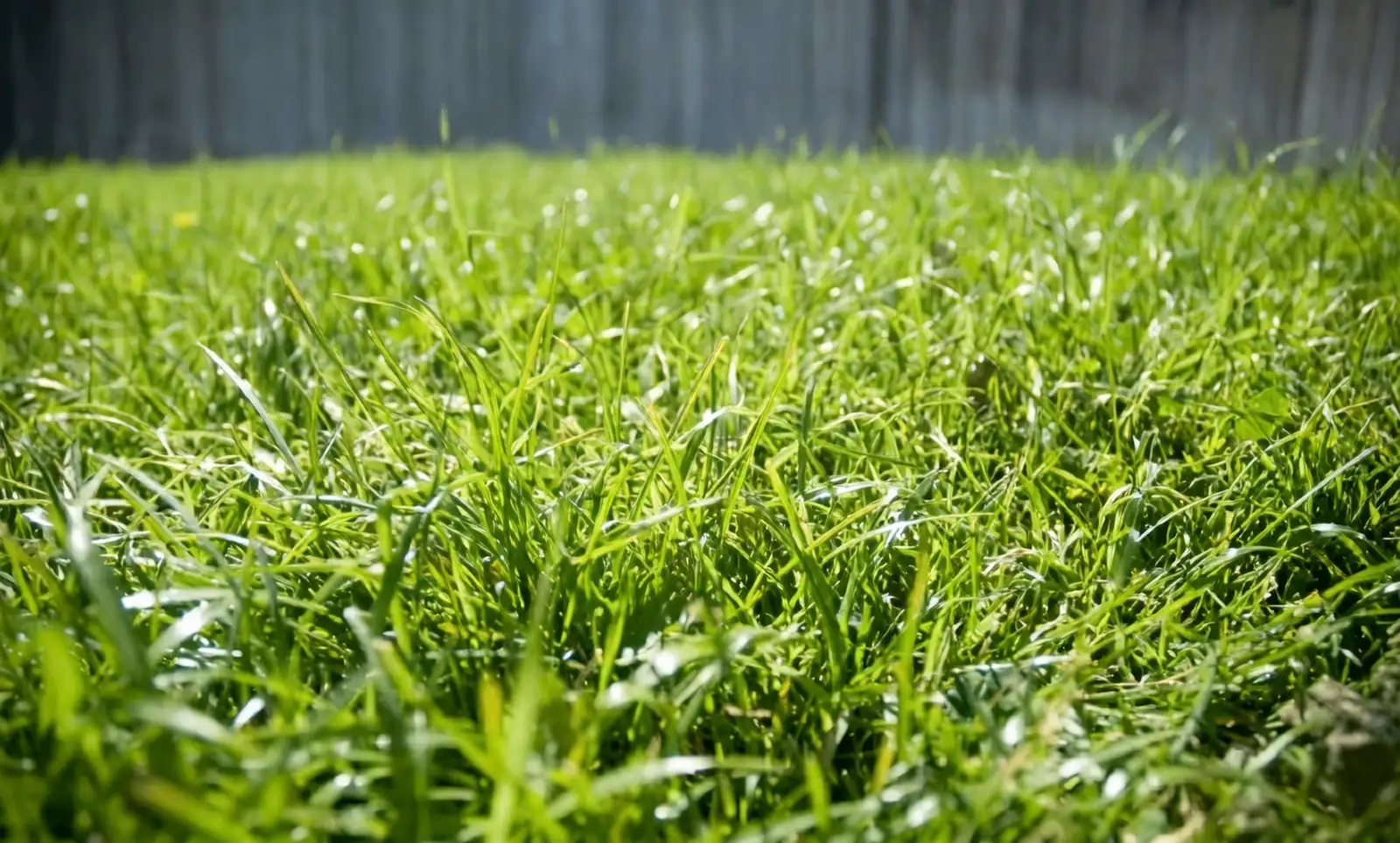
Grass pollen is notorious for triggering hay fever symptoms. This is because many grasses rely on wind-pollination, meaning their pollen is light and easily carried through the air. Common culprits include Bermuda, Kentucky blue, and Timothy grass. If you live in the northern U.S., grass pollen peaks from late spring to early summer. Southern residents may find these allergens bothersome throughout the year.
Tip: Stay indoors during peak pollen times, typically in the morning and on windy days. Mowing the lawn? Consider wearing a mask to reduce inhalation of pollen particles.
Trees
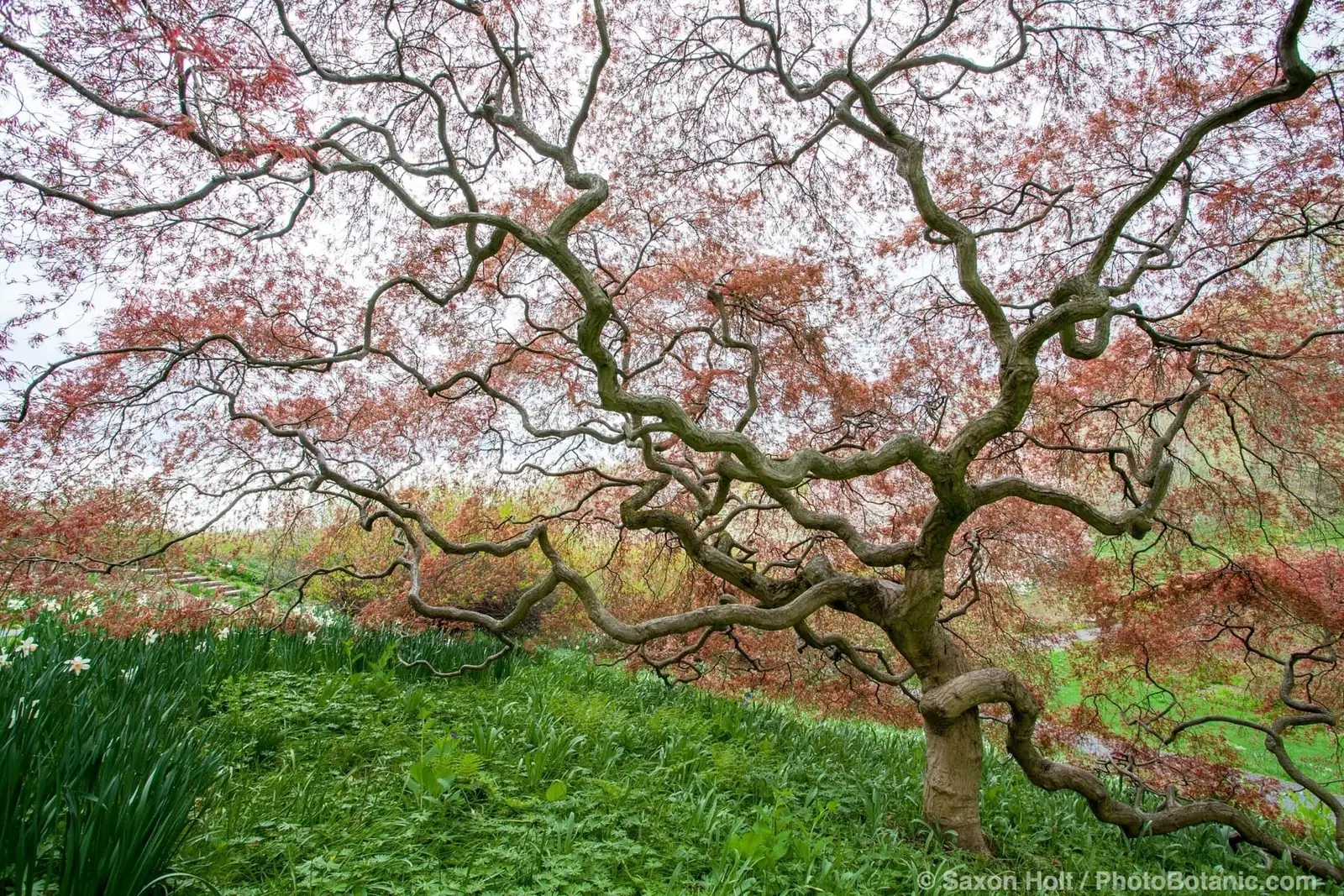
Trees can also be significant allergy offenders, with their pollen being most prevalent from March to May. Be wary of maples, birches, and oaks, which are some of the most allergenic. Unlike grasses, tree pollen can travel long distances, so even if you don’t have these trees in your yard, they can still affect you.
Tip: If you’re planting new trees, opt for female varieties of dioecious trees, as they produce no pollen.
Weeds
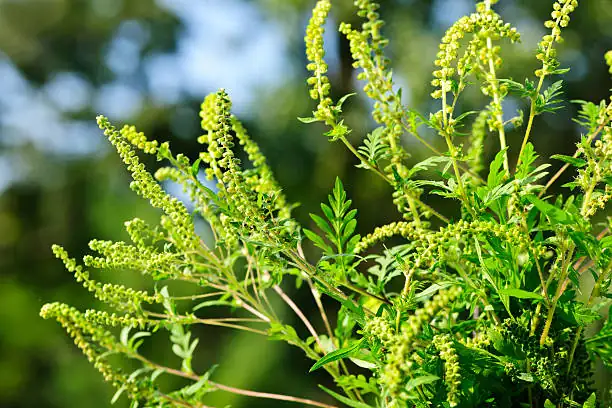
Weeds like ragweed and lambsquarters take center stage in late summer through fall. Ragweed, in particular, is a notorious allergen, capable of producing a billion pollen grains per plant. It thrives in disturbed soils, making it common in urban and suburban areas.
Tip: Regularly remove weeds from your garden before they bloom to prevent pollen spread.
Misunderstood Plants
Goldenrod vs. Ragweed
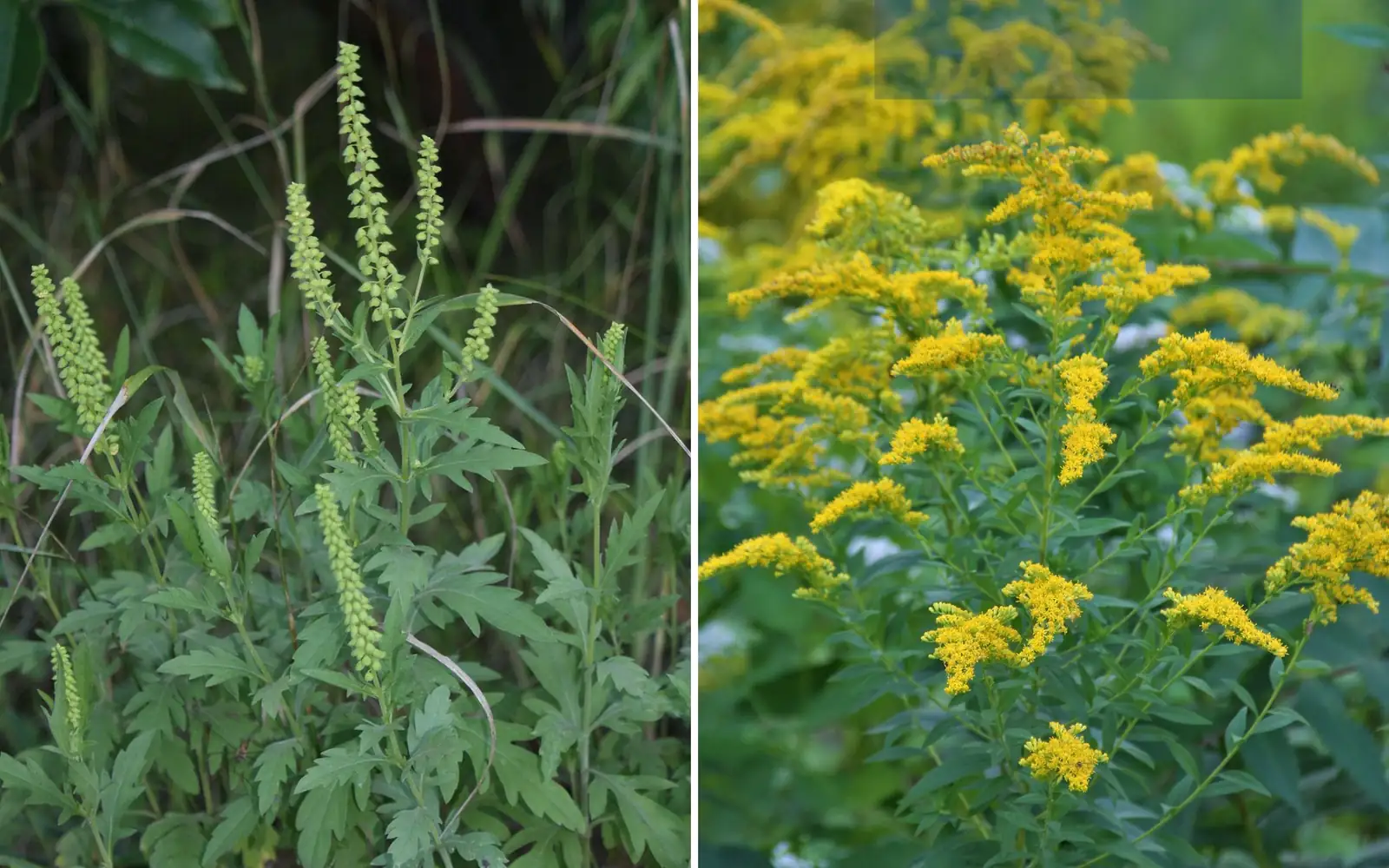
Goldenrod often gets a bad rap for causing allergies, but it’s largely innocent. The bright yellow flowers of goldenrod are insect-pollinated, meaning its pollen is too heavy to be airborne. Ragweed, which blooms around the same time, is the real villain due to its wind-borne pollen.
Tip: Don’t be too quick to blame goldenrod for your sneezes; instead, look for nearby ragweed.
Managing Your Outdoor Spaces
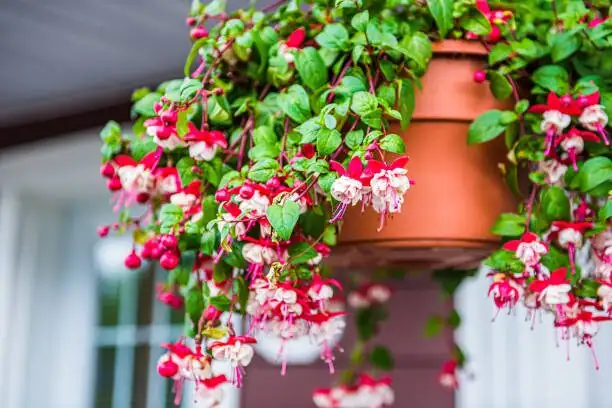
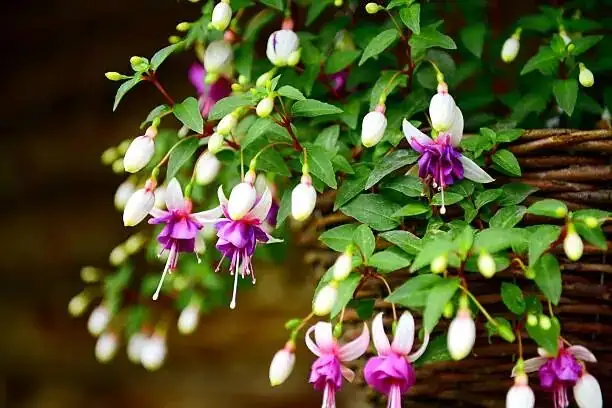
- Choose Low-Allergen Plants: Consider planting species less likely to cause allergies, such as begonias or hydrangeas. These plants have showy flowers that attract insects rather than relying on the wind.
- Monitor Pollen Counts: Keep an eye on local pollen forecasts, available online or through weather apps, to plan outdoor activities accordingly.
- Physical Barriers: Use physical barriers like fencing or strategically placed non-allergenic plants to block pollen drift into your garden.
Conclusion
By identifying and managing allergy-causing plants in your environment, you can significantly reduce the impact of seasonal allergies. Remember, while you can’t eliminate airborne pollen entirely, you can create a more breathable space around your home. So this spring, gear up with knowledge and a few practical strategies to keep those sneezes at bay!