Bringing houseplants into your home can add a touch of nature and tranquility, but if you share your space with pets, it can sometimes feel like you’re hosting a small, furry wrecking crew. Cats and dogs often see plants as toys, snacks, or even a cozy spot for a nap. Fortunately, there are plenty of practical strategies to ensure that both your plants and pets can thrive together without causing chaos. Here’s how to maintain peace between your leafy greens and your fur babies.
Keep Them Out of Reach
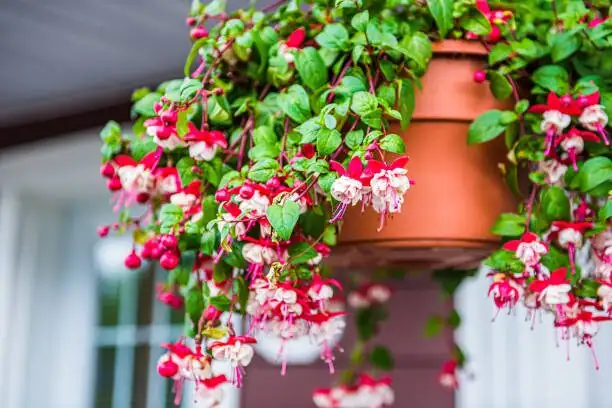
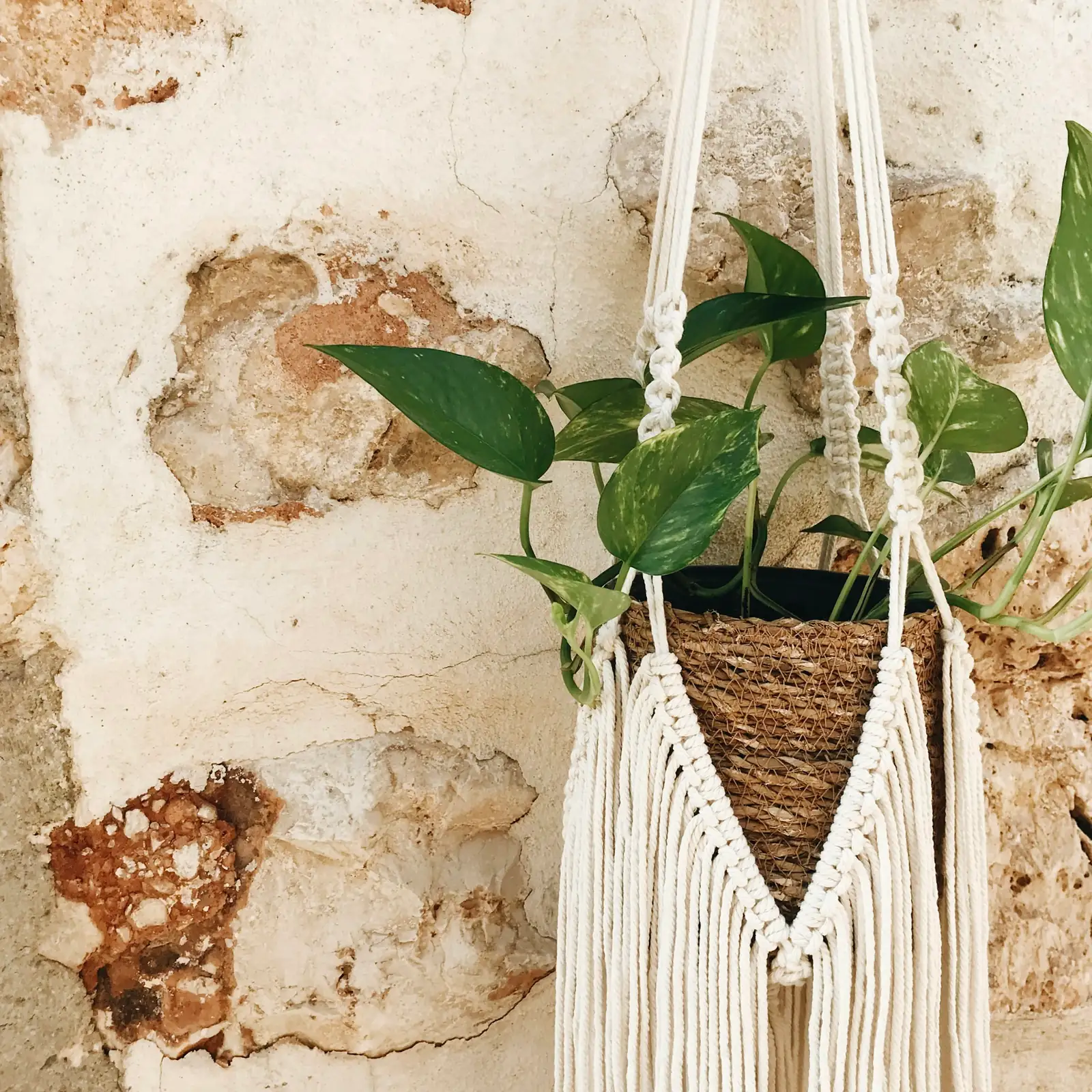
One of the simplest ways to prevent your pets from feasting on your houseplants is to place them out of reach. Hanging baskets, wall-mounted planters, and high shelves are great options. For instance, if your cat has a penchant for windowsill lounging, consider placing your plants on a high shelf or using macramé plant hangers to keep them safe and stylishly out of reach.
Choose Pet-Resistant Plants
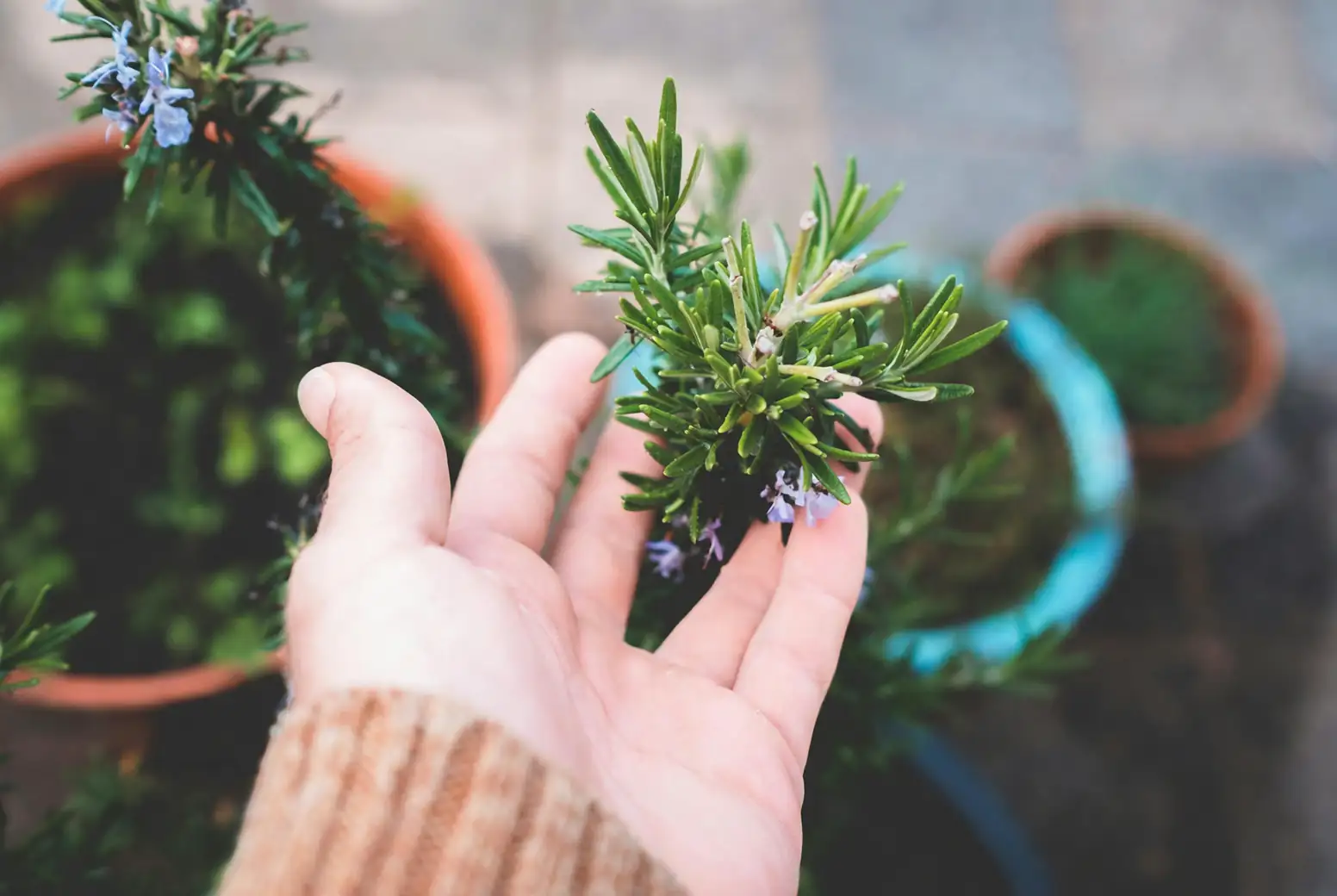
If you’re planning to add new greenery to your home, why not opt for plants that naturally deter pets? Some plants like rosemary or the Scaredy Cat plant (Coleus canina) are known to repel cats. Similarly, thorny plants like cacti or roses can discourage both cats and dogs from getting too close.
Make Your Plants Less Tempting
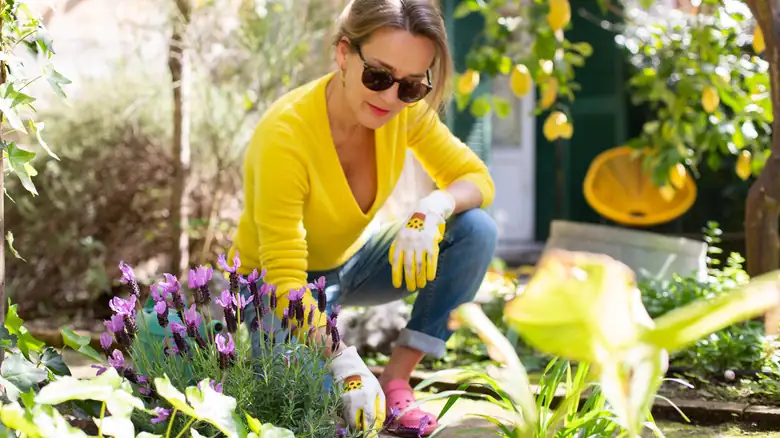
Pets are guided by their noses, and you can use this to your advantage. Cats, for example, are put off by citrus scents. Placing lemon or orange peels in the soil can make your plants less appealing. Dogs, on the other hand, often dislike the smell of vinegar or diluted lemon juice. Simply misting your plants with a mixture of water and lemon juice can discourage curious pups from turning your plants into a salad bar.
Create a Pet-Friendly Environment
Sometimes, pets chew on plants out of boredom or because they’re missing something in their diet. Providing your dog with plenty of exercise and mental stimulation can reduce their urge to investigate your plants. Similarly, make sure your pet’s diet is well-balanced to avoid nutritional deficiencies that might drive them to munch on foliage.
Train and Reinforce
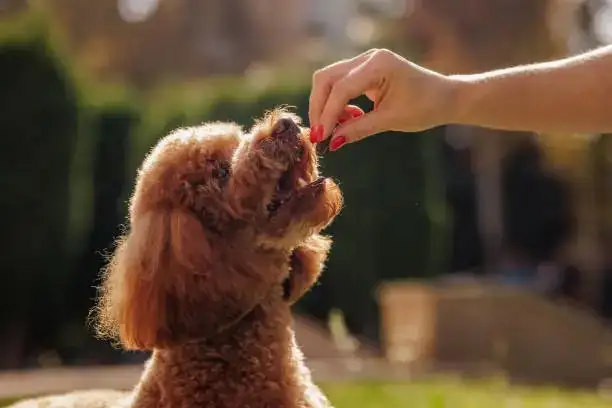
Training is key when it comes to changing your pet’s behavior. Positive reinforcement can work wonders; reward your pet with treats or praise when they ignore the plants. For dogs, using a firm “no” when they approach the plants, followed by a reward when they comply, can be effective. Cats might respond well to clicker training, which pairs a specific sound with positive reinforcement.
Use Safe Deterrents
Pet-safe deterrents are available on the market and can be an effective way to keep pets away from plants. These sprays are usually made with non-toxic ingredients. Always consult with your vet to ensure that any product you use is safe for your pet. Alternatively, you can make your own deterrent spray using a mix of vinegar and water.
Conclusion
By combining these strategies, you can create a harmonious environment where your pets and plants coexist peacefully. Remember, it’s all about understanding why your pet is interested in your plants and addressing those needs directly. With a bit of creativity and patience, you can enjoy your lush indoor garden without worry. Enjoy the green life, and may your plants and pets live together in harmony!