Discover the Art of Pairing Sedum with Other Garden Plants
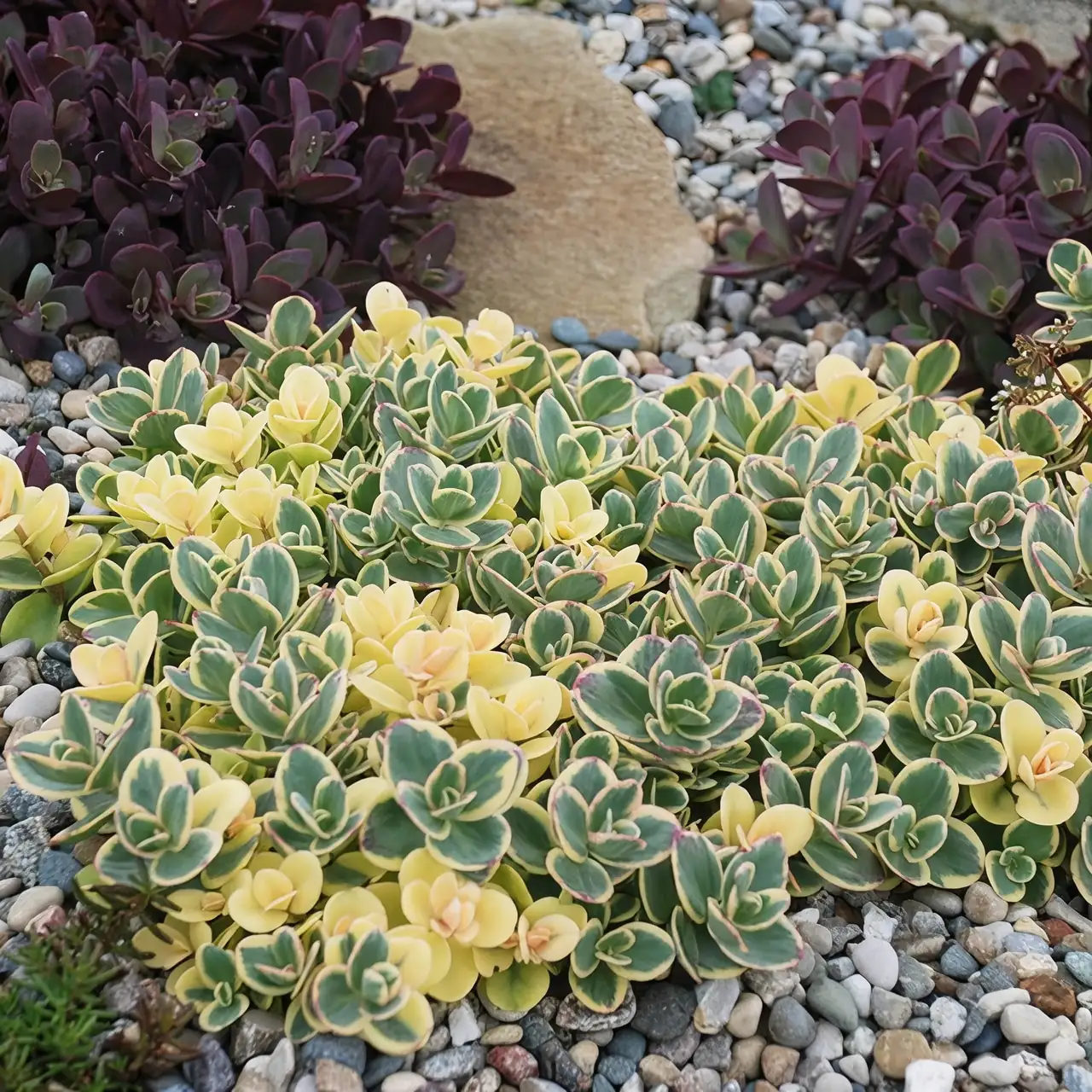
Sedum, also known as Stonecrop, is the unsung hero of the plant world. These hardy succulents are like the resilient sidekick in a garden adventure, standing strong through droughts, poor soils, and even the occasional garden neglect. Yet, with their chunky leaves and starry blooms, they bring an understated charm that can transform any garden. But the real magic happens when sedum joins forces with other plants. Are you ready to explore this dynamic duo and create a garden that’s both a visual feast and a pollinator’s paradise?
Why Sedum is a Must-Have
Before we dive into the world of plant pairings, let’s take a moment to appreciate what makes sedum so special. Native to diverse regions, from the rocky crevices of Europe to the mountain slopes of North America, sedum embodies resilience. It thrives in full sun with minimal fuss, making it a perfect choice for busy gardeners or those new to the gardening scene. With its fleshy leaves and vibrant flowers, sedum not only stands out visually but also contributes to a garden’s ecosystem by attracting bees, butterflies, and other helpful pollinators.
Mastering the Art of Plant Pairings
Pairing sedum with the right companions can enhance your garden’s aesthetics and functionality. Here are some tried-and-true partners to consider:
Perennial Powerhouses
- Daylilies and Coneflowers: These flowering perennials bring height and color contrast to your garden. Daylilies and coneflowers shoot up above sedum’s dense clusters, creating a multi-layered look. Their larger blooms provide a dramatic backdrop to sedum’s star-shaped flowers, creating a harmony of textures and colors.
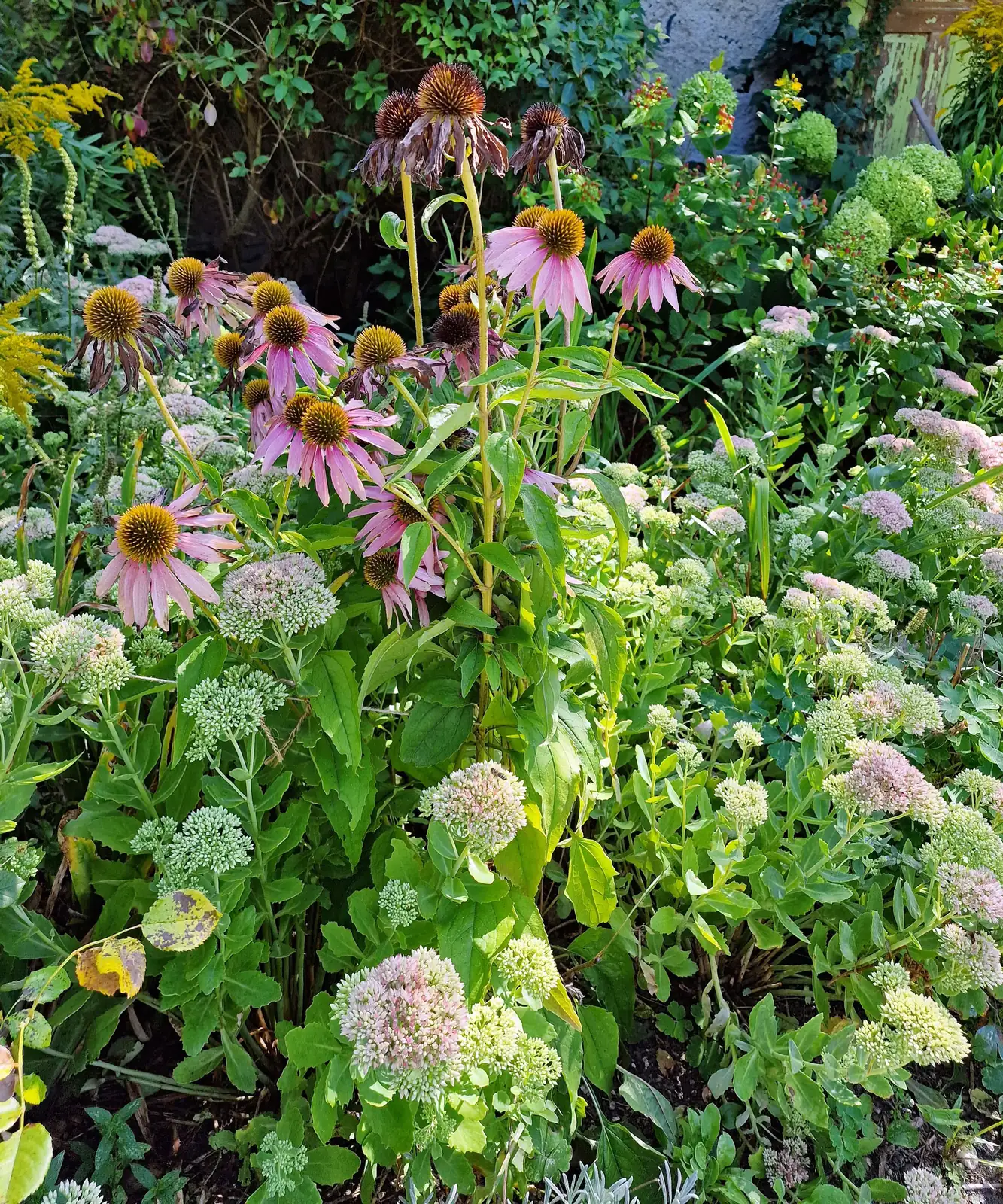
- Yarrow: Both sedum and yarrow share a mounded growth habit, but yarrow’s fern-like foliage adds a delicate texture. Their overlapping bloom times mean your garden will be a continuous sea of color from spring to fall.
Shrubby Companions
- Boxwood: Offset the formal, structured look of boxwoods with the organic, carefree growth of sedum. This juxtaposition not only adds interest but also highlights the unique qualities of each plant.
- Arborvitae: Another evergreen, arborvitae’s scale-like foliage provides a stark contrast to sedum’s thick leaves. Just be mindful of the shade; sedum loves the sun, so ensure it gets its fair share.

Annual Accents
- Dianthus and Coleus: While sedum offers a steady display, these annuals provide vibrant flashes of color throughout the growing season. Dianthus blooms in spring and early summer, just as sedum begins its floral show.
Crafting a Pollinator Paradise
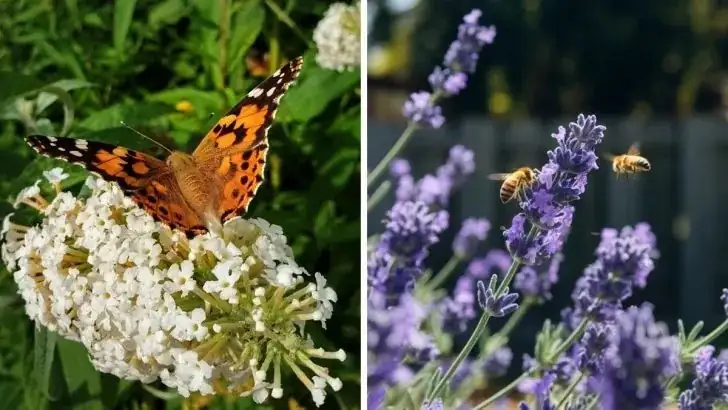
Sedum isn’t just about looks; it’s a workhorse for pollinators. Its star-shaped blooms are a beacon for bees and butterflies, making your garden a buzzing hub of activity. By pairing sedum with nectar-rich companions like coneflowers and yarrow, you’ll be providing a diverse buffet for pollinators, ensuring a healthy and thriving ecosystem.
Practical Tips for Sedum Success
- Sunlight: Sedum thrives in full sun, basking in at least six hours of direct light. In hotter climates, a touch of afternoon shade can prevent stress.
- Soil and Watering: Opt for gritty, well-draining soil. Use the “soak and dry” method to keep your sedum happy—let the soil dry out completely between waterings.
- Maintenance: Minimal pruning is required. Simply clean up dead growth in early spring. If your sedum starts flopping, consider pinching back stems for bushier growth.
The Symbolism of Resilience
In the language of flowers, sedum symbolizes calm strength and resilience—a fitting tribute to a plant that remains cheerful through tough conditions. Historically, it’s been associated with protection and prosperity, particularly in European traditions where it was believed to guard homes from storms when planted on roofs.
Final Thoughts
Whether you’re a seasoned gardener or a newcomer, sedum offers an easy elegance that’s hard to resist. By pairing it with complementary plants, you not only enhance your garden’s beauty but also create a vibrant ecosystem that supports local wildlife. So, why not invite sedum into your garden and watch as it transforms your space into a sanctuary of color, texture, and life?