The Rocky Tale of Sedum: From Mountain Crags to Worldwide Gardens
Every gardener knows the joy of a plant that not only survives but thrives with minimal care. Enter Sedum, or as it’s more affectionately known, Stonecrop. This resilient group of succulents has a storied history, tracing its roots from the rocky outcroppings of the Northern Hemisphere to the curated beds and borders of gardens around the world.
A Modest Beginning: Sedum in the Wild
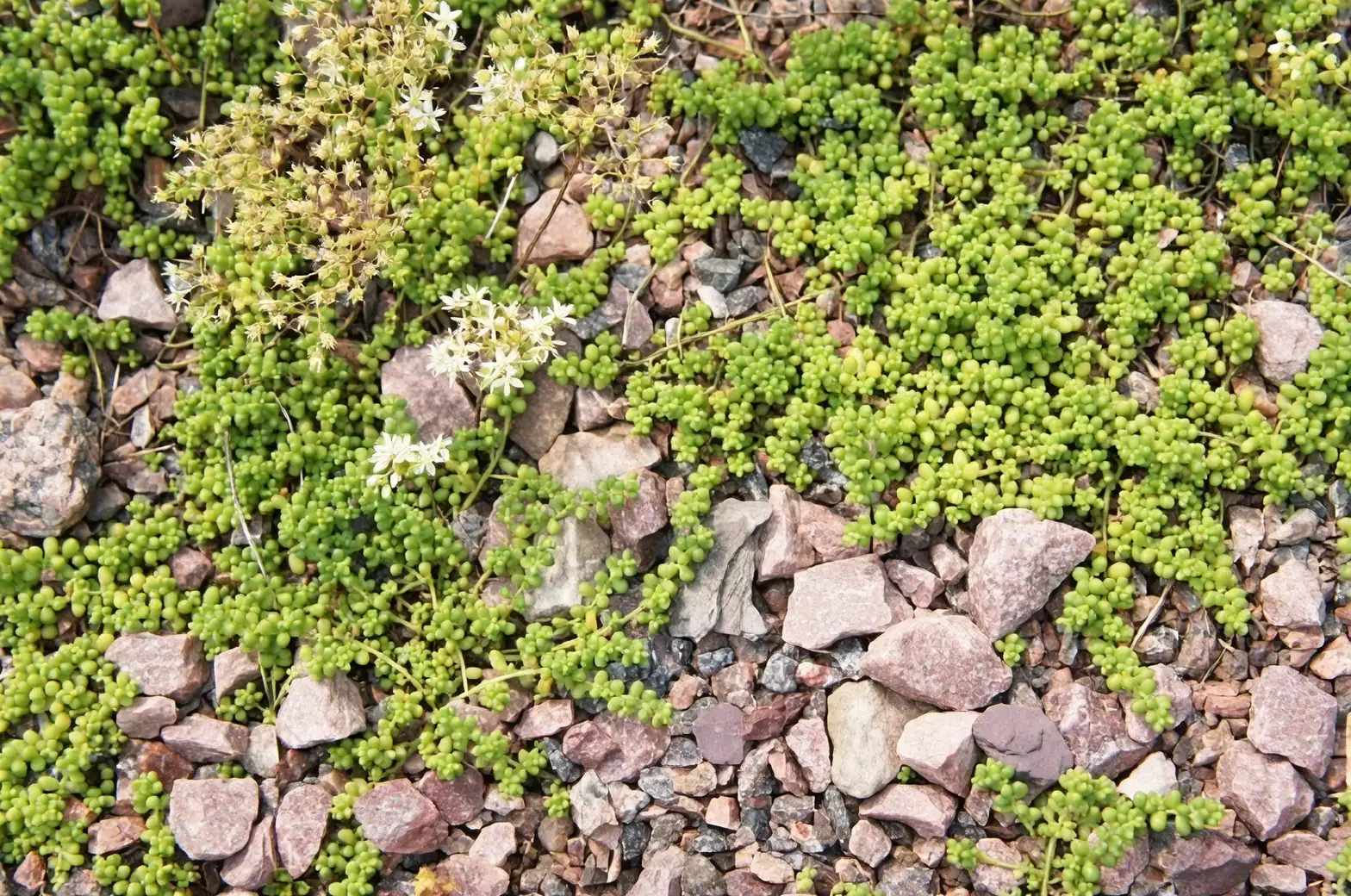
Sedums are the botanical equivalent of the adventurous traveler, having set up camp in some of the earth’s most inhospitable terrains. These plants are naturally found in temperate and tropical mountain regions across Europe, Asia, North Africa, Mexico, and North America. Imagine them clinging to life in stone crevices, rocky cliffs, and mountain slopes—places where few other plants dare to grow. Their thick, fleshy leaves—perfect for storing water—are a testament to their drought-dodging superpowers.
But what makes them so adept at surviving in seemingly barren landscapes? The secret lies in their ability to perform CAM (Crassulacean Acid Metabolism) photosynthesis. This nifty trick allows them to open their stomata at night to minimize water loss—an admirable adaptation that has won them many admirers, both human and pollinator alike.
Sedum’s Journey to the Garden
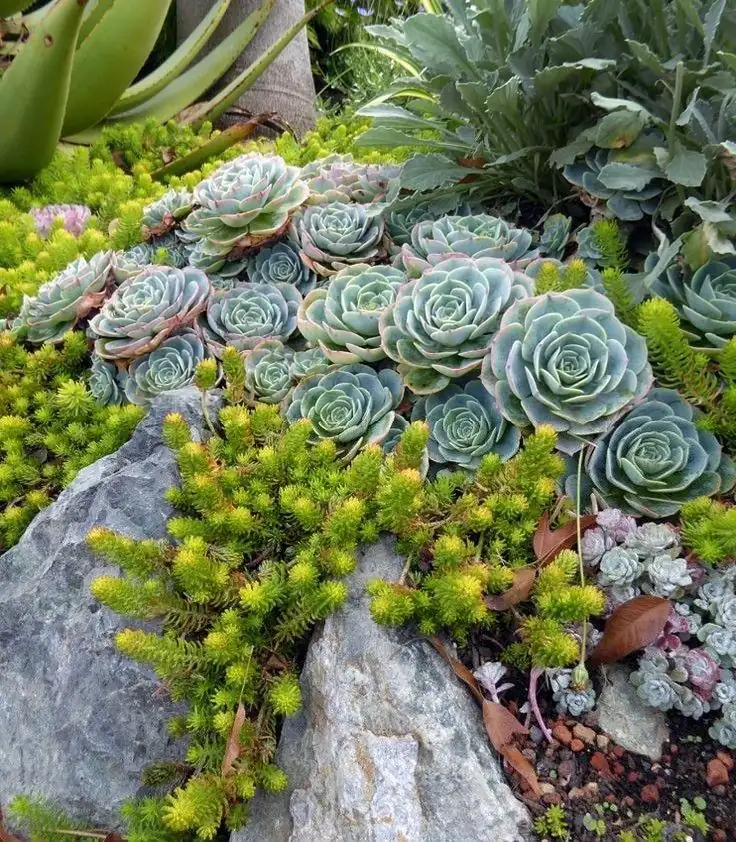
Over time, the charm and resilience of Sedum captured the attention of gardeners worldwide. Who could resist a plant that not only looks great but also demands so little? Stonecrops have become a staple in garden design, bringing texture and color to rock gardens, borders, and green roofs. Their versatility makes them suitable for a variety of garden styles, from the quaint cottage garden to sleek modern designs.
Sedum’s journey from wild origins to cultivated gardens is also a tale of classification and reclassification. Originally described by Carl Linnaeus in 1753, the Sedum genus has seen many of its members reclassified into related genera such as Hylotelephium. This taxonomic shuffle reflects ongoing botanical research, but for gardeners, these plants remain beloved staples regardless of their scientific label.
Adapting to the Modern Garden
In the garden, Sedums are like the reliable friend who always shows up on time and never asks for much in return. With a range of growth habits—from creeping ground covers to upright clump-formers—and a palette of leaf colors that change with the seasons, Sedums offer endless opportunities for creativity. Their star-shaped flowers, often in shades of white, yellow, pink, and red, are a summertime boon for bees and butterflies.

These are plants that thrive on neglect. They prefer full sun but can tolerate partial shade. They love well-drained, gritty soils and can manage with just the occasional watering, making them perfect candidates for xeriscaping and low-maintenance gardening. Even in winter, their dried seed heads add texture to the landscape, providing food and shelter for wildlife.
Cultural Significance and Uses
Historically, Sedums have held a place in folklore and traditional medicine. In parts of Europe, they were planted on roofs to provide protection from storms and lightning—a practice that seems remarkably prescient given their modern use in green roof designs. Some species have even been used in traditional remedies, though it’s wise to approach such uses with caution.
Culturally, Sedums symbolize resilience and calm strength, embodying the idea that beauty can thrive even under challenging conditions. This symbolism resonates with gardeners who appreciate the plant’s ability to endure and flourish with little intervention.
Embracing Sedum in Your Garden
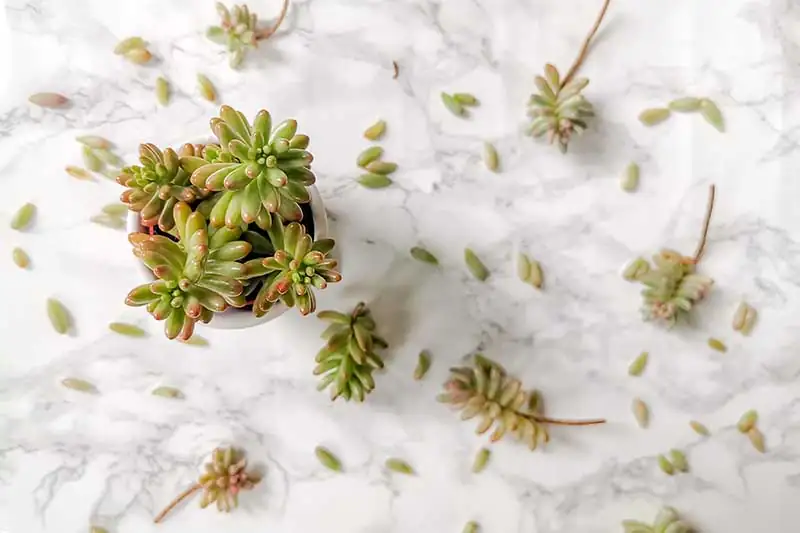
Adding Sedum to your garden is like inviting an old, reliable friend into your home. They’re easy to propagate and can be divided every few years to keep them vigorous. Simply take stem or leaf cuttings and watch them root with ease in gritty soil. Their low-maintenance nature makes them ideal for beginner gardeners or those with busy schedules.
Whether you’re looking to fill a sunny gap in your rock garden, add a splash of color to a green roof, or simply enjoy a plant that asks little and gives much, Sedum is an excellent choice. As they sit contentedly in your garden, you might just find yourself inspired by their quiet tenacity and understated beauty.