Balconies might seem like a small slice of outdoor space, but with a little creativity and care, they can be transformed into a lush green oasis. Whether you’re eager to grow fresh vegetables, create a flower paradise, or simply add some greenery to your urban view, this guide will help you set up and care for a thriving garden on your enclosed balcony.
Start with a Plan: Measure, Check, and Dream
Before you dive into planting, take a moment to plan your balcony garden. Measure your space and sketch a rough layout. Consider the following:
- Weight Limits: Most balconies can support around 60 pounds per square foot. Opt for lightweight containers like plastic or fabric grow bags to maximize your plant options without compromising safety.
- Building Rules: Check with your apartment management or condo association for any restrictions on what you can plant and how you can decorate your space. Some places have rules about attaching items to walls or growing edible plants.
- Microclimate: Observe how much sunlight your balcony receives throughout the day. A great tip is to take photos every couple of hours to track the sun’s path. This will help you choose plants accordingly.
Choose the Right Plants for Your Space
The success of your balcony garden largely depends on selecting plants that thrive in your specific conditions. Here’s how you can decide:
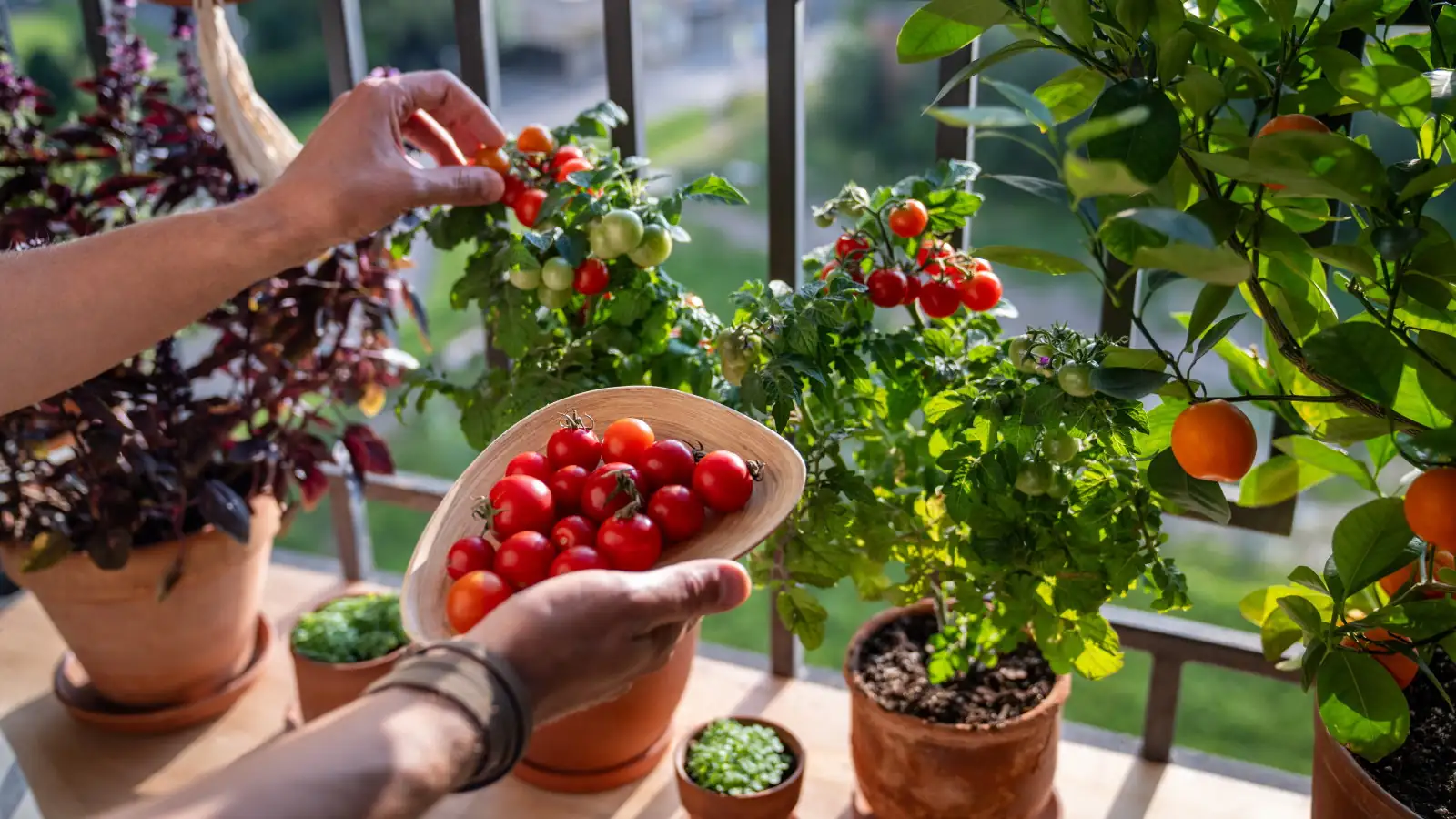
- Sunny Balconies: If your balcony is bathed in sunlight for most of the day, consider sun-loving plants like tomatoes, peppers, and petunias. These plants generally need about 6-8 hours of direct sunlight.
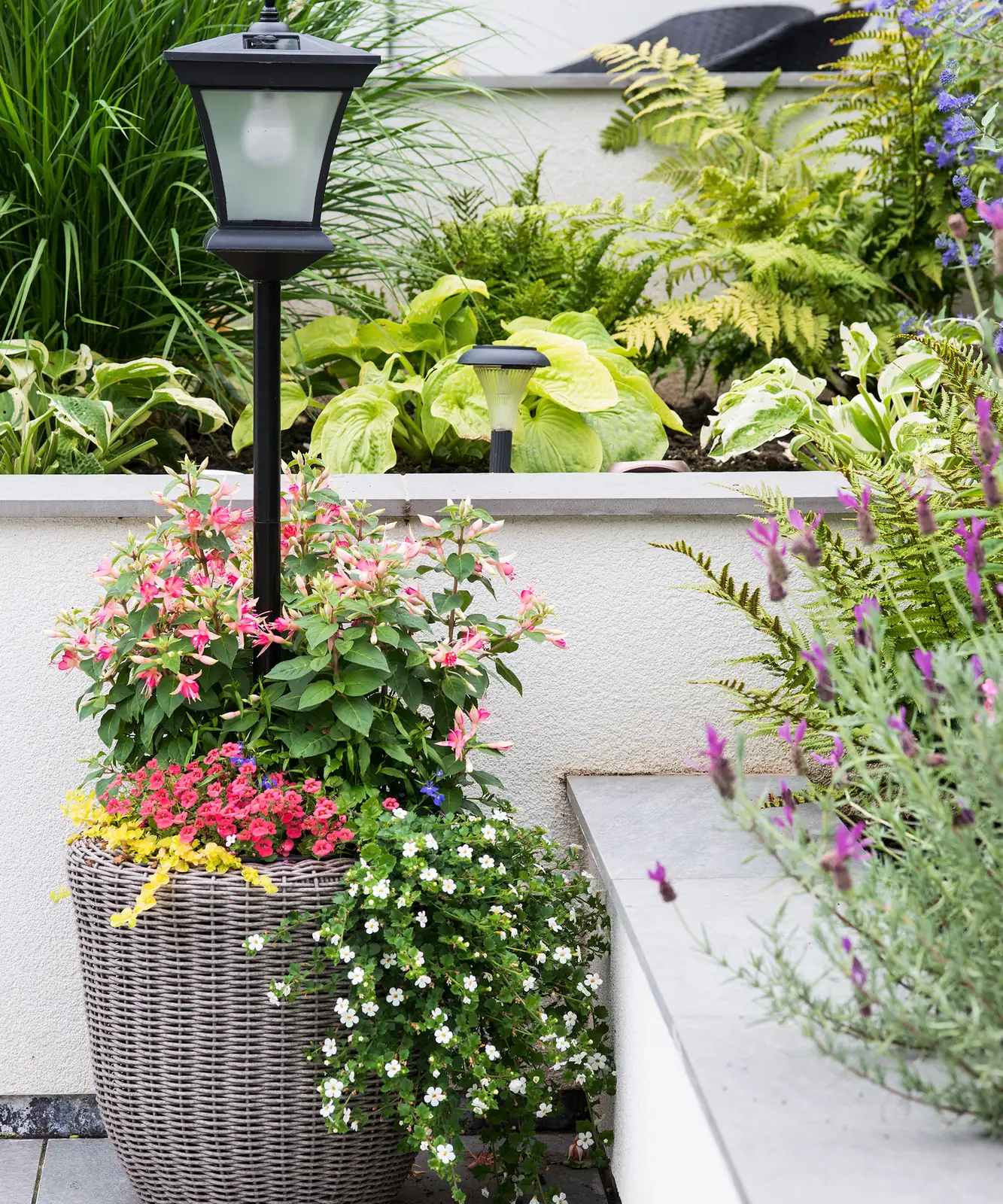
- Shaded Balconies: For spaces that receive less sun, opt for shade-tolerant plants like ferns, begonias, and hostas. These plants will thrive even with minimal sunlight exposure.
Get Creative with Containers
Containers are the backbone of balcony gardening, and they offer a chance to get creative:
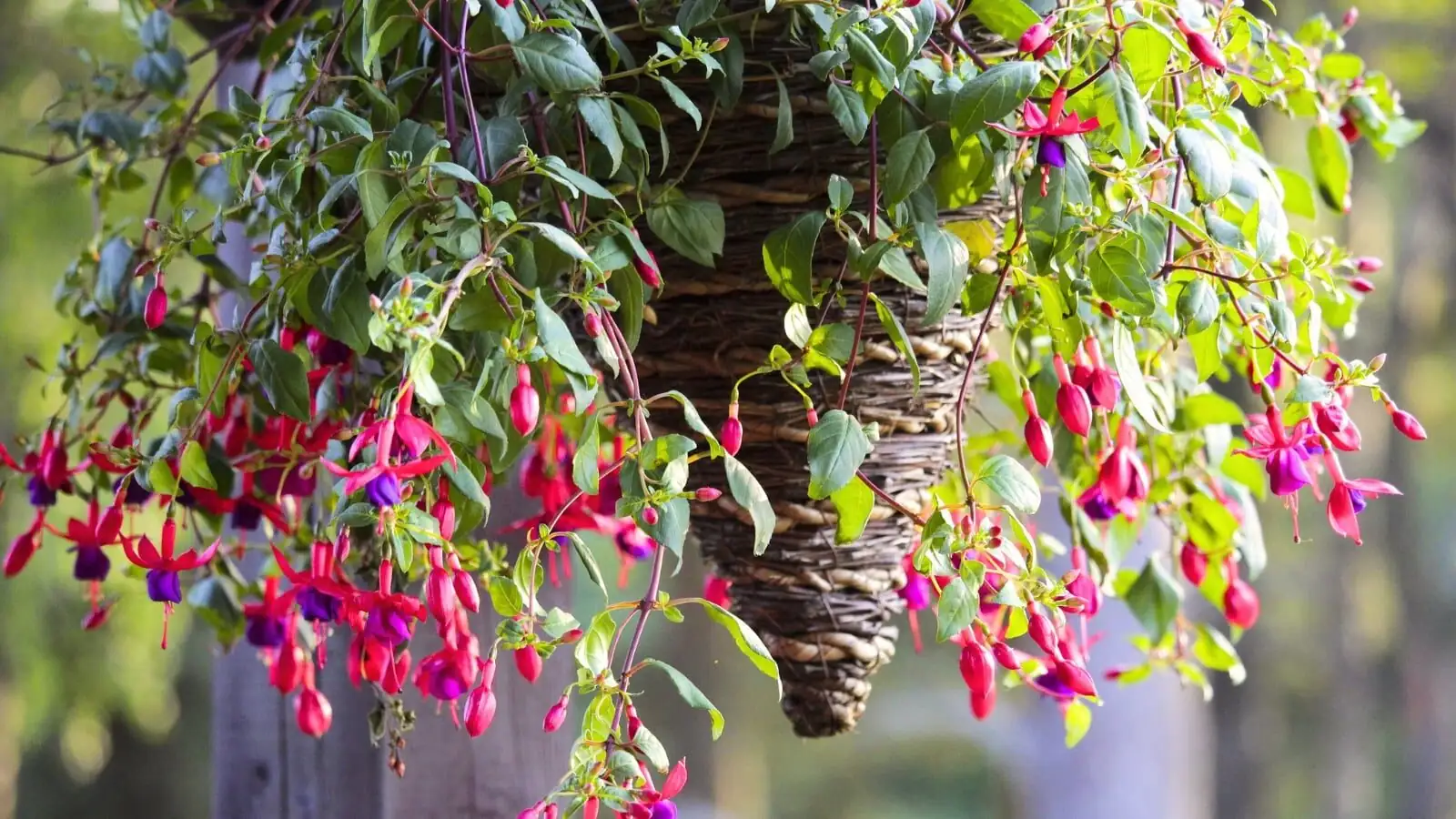
- Vertical Gardening: Maximize your space by using vertical gardening techniques. Attach pots or hanging baskets to walls or railings, and use trellises for climbing plants.
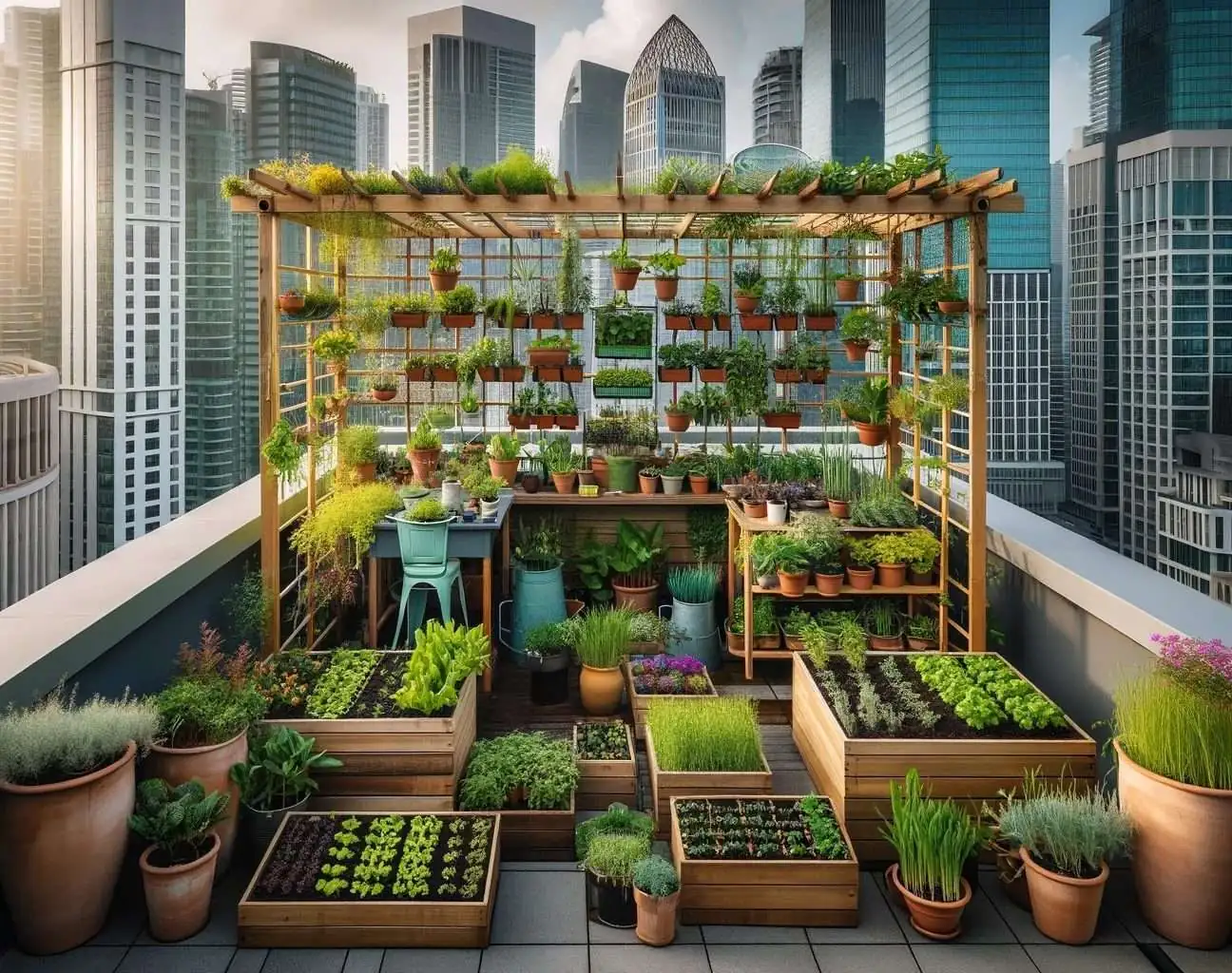
- Unique Containers: Think outside the traditional pot. Use old watering cans, wooden crates, or even colorful buckets to add personality to your garden.
Water Wisely
Watering can be tricky, especially on a balcony where excess water can drip onto neighbors below. Here are some tips:
- Self-Watering Pots: These are a great investment as they reduce the frequency of watering and ensure your plants receive consistent moisture.
- Drip Trays: Place trays under your pots to catch excess water and prevent it from dripping onto balconies below.
Design for Function and Beauty
Your balcony garden should be both functional and beautiful. Here are some design tips:
- Thriller, Spiller, Filler: Use this planting technique to create stunning container arrangements. Place a tall, dramatic plant in the center (thriller), surround it with bushy, medium-height plants (filler), and add trailing plants that cascade over the edges (spiller).
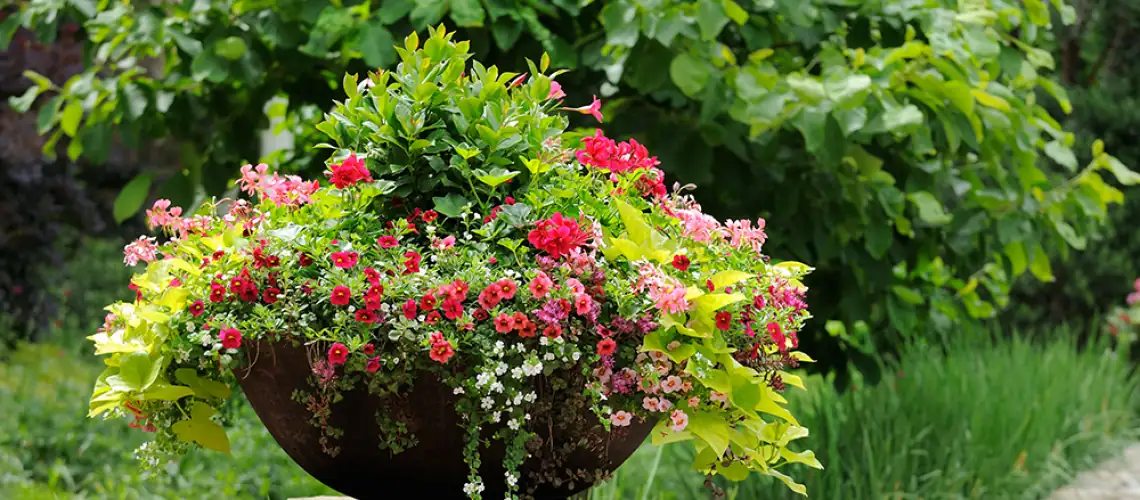
- Color Coordination: Choose plant colors and textures that complement your indoor decor. This will make your balcony feel like an extension of your living space.
Common Pitfalls to Avoid
- Overcrowding: It’s tempting to fill every inch with plants, but overcrowding can lead to poor air circulation and plant diseases. Give each plant enough space to thrive.
- Ignoring the Wind: Balconies can be windy, which can dry out plants quickly. Place delicate plants in sheltered areas or use windbreaks to protect them.
Final Touches
Finally, add some personal touches to make your balcony garden truly yours. Consider incorporating outdoor lights for evenings, a small bistro table for dining, or even a bird feeder to attract local wildlife.
With these practical tips and a bit of creativity, your enclosed balcony can become a personal green retreat. So roll up your sleeves and let your gardening adventure begin!