Repotting houseplants is like giving them a fresh start, and timing can make all the difference. While plants can be repotted anytime if necessary, choosing the right season can help your leafy friends thrive. Let’s dive into why spring and summer are the best times, what to watch out for, and a few tips to keep your plants happy.
Spring into Action: Why Spring is Ideal
Spring is the season of new beginnings—not just for us but for our plants too. As temperatures rise and days lengthen, houseplants awaken from their winter dormancy. This is when they enter their active growing phase, making it the best time to repot. During spring, plants are eager to stretch their roots into fresh soil, absorb nutrients, and spread their leaves.
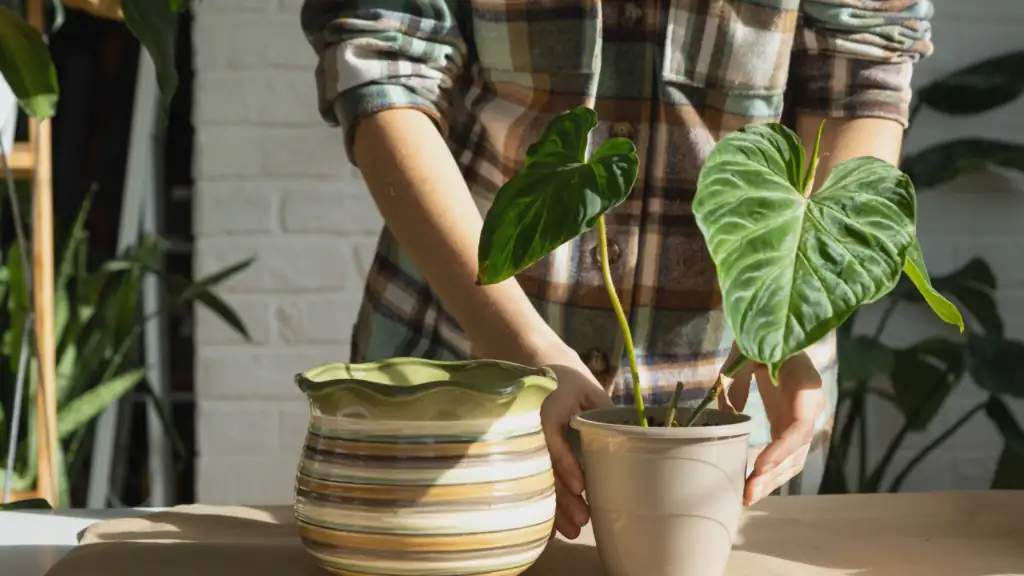
- What to Do: Gently remove your plant from its pot and check the roots. If they are tangled or circling the pot, it’s time for a new home.
- What to Watch Out For: Be careful not to tear or damage the roots. Choose a pot that’s just an inch or two wider to avoid overwhelming your plant.
Summer Repotting: A Close Second
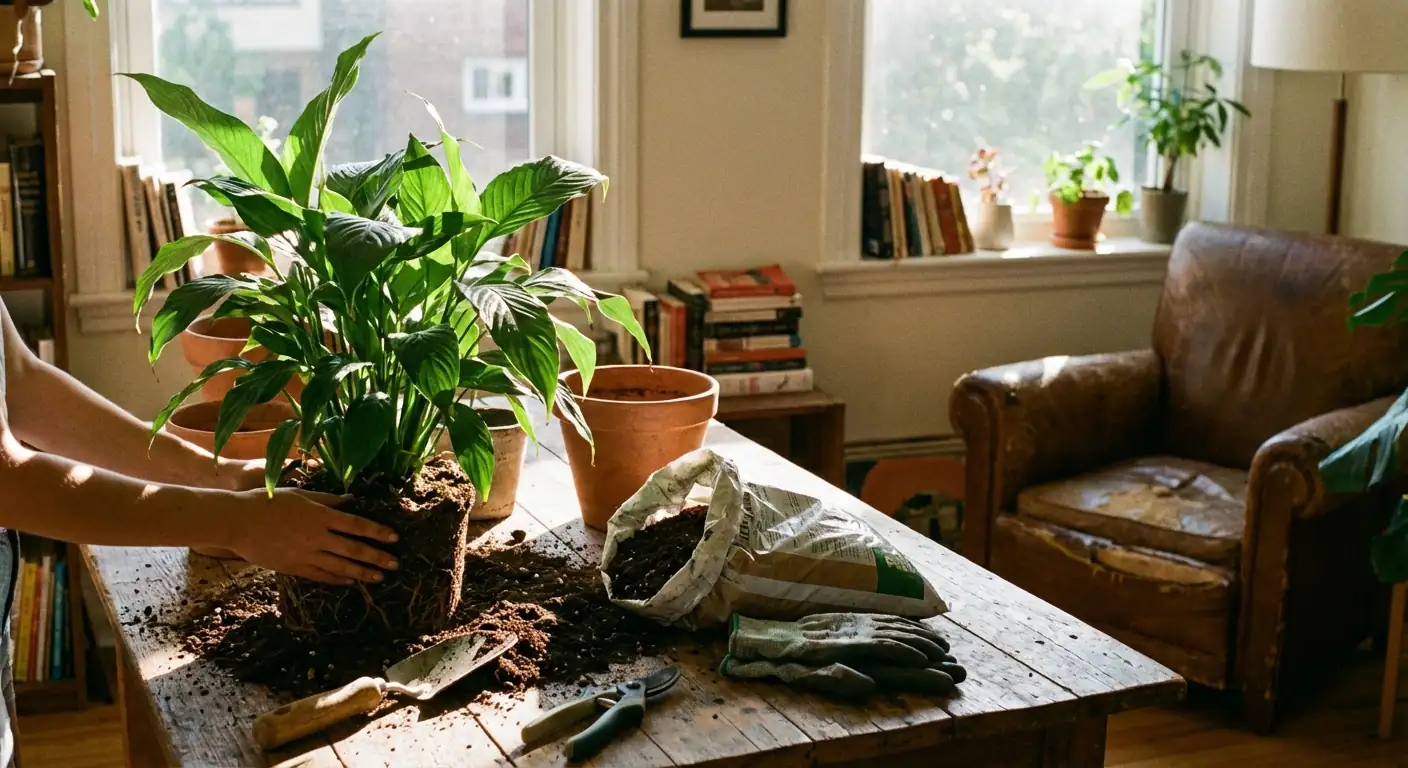
If you missed the spring window, fear not! Early summer is still a great time to repot. The warm weather ensures that your plant can quickly recover from the shift.
- Scenario-based Tip: If your pothos or philodendron shows roots peeking out of the drainage holes, it’s a clear sign to repot.
- Common Mistake: Avoid repotting during peak summer heat, as extreme temperatures can stress the plant.
Fall: The Last Call Before Winter
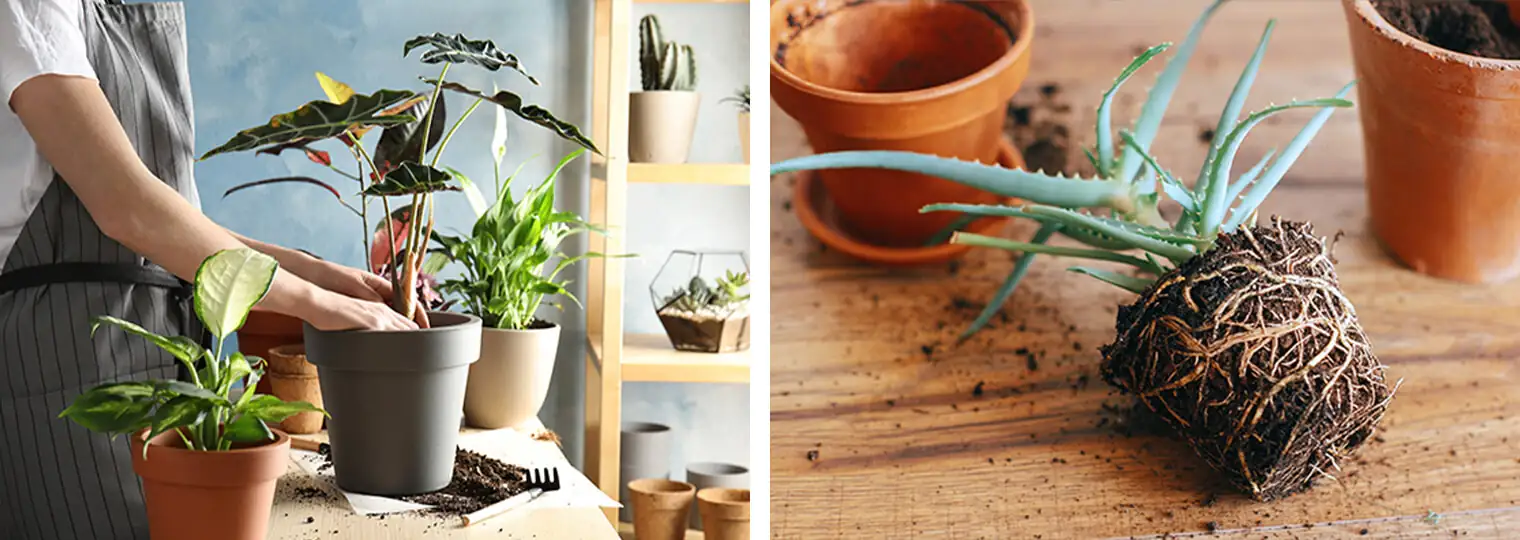
While spring and summer are optimal, early fall is also acceptable if you need to repot. Just ensure you do it well before the first frost, giving your plants time to adjust before indoor heating kicks in.
- Quick Reminder: Allow about three to four weeks for your plant to settle into its new pot before the cooler months.
- Watch Out: Avoid repotting in late fall as plants prepare to slow down for winter.
Winter: Only If Needed
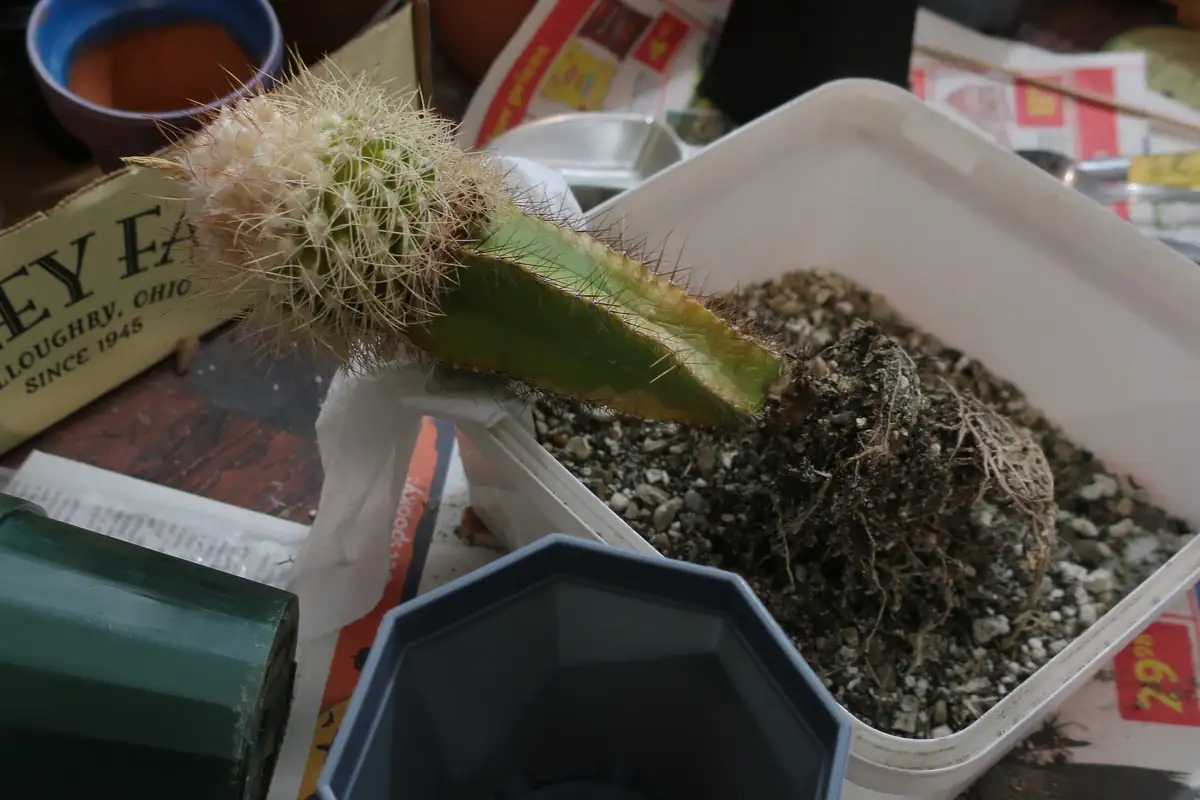
Winter is generally not the best time to repot because plants are in dormancy. However, emergencies like root rot or pest infestations might necessitate a winter repotting.
- When to Break the Rule: If your plant is severely root-bound or suffering from poor soil conditions, it’s okay to repot.
- Advice: Be gentle and ensure the plant receives enough light post-repotting.
Common Mistakes to Avoid
- Over-potting: Using a pot that’s too large can lead to waterlogged soil and root rot. Stick to a pot slightly larger than the current one.
- Ignoring Signs: Don’t wait for visible root-bound signs. If your plant is drying out quickly or looking stressed, consider repotting.
To wrap it up, timing your repotting tasks with the plant’s natural growth cycles can make a world of difference. While spring and early summer are your best bets, understanding the needs of your plant and monitoring its condition year-round will ensure it continues to grow healthy and strong. Happy repotting!