Pruning is a bit like giving your plants a fresh start—a haircut that revitalizes them, encouraging healthier growth and a more attractive appearance. But how do you know if your plants are bouncing back after their trim? Here are some tell-tale signs of recovery and what you can do to support them on their journey to rejuvenation.
Sprouting New Growth
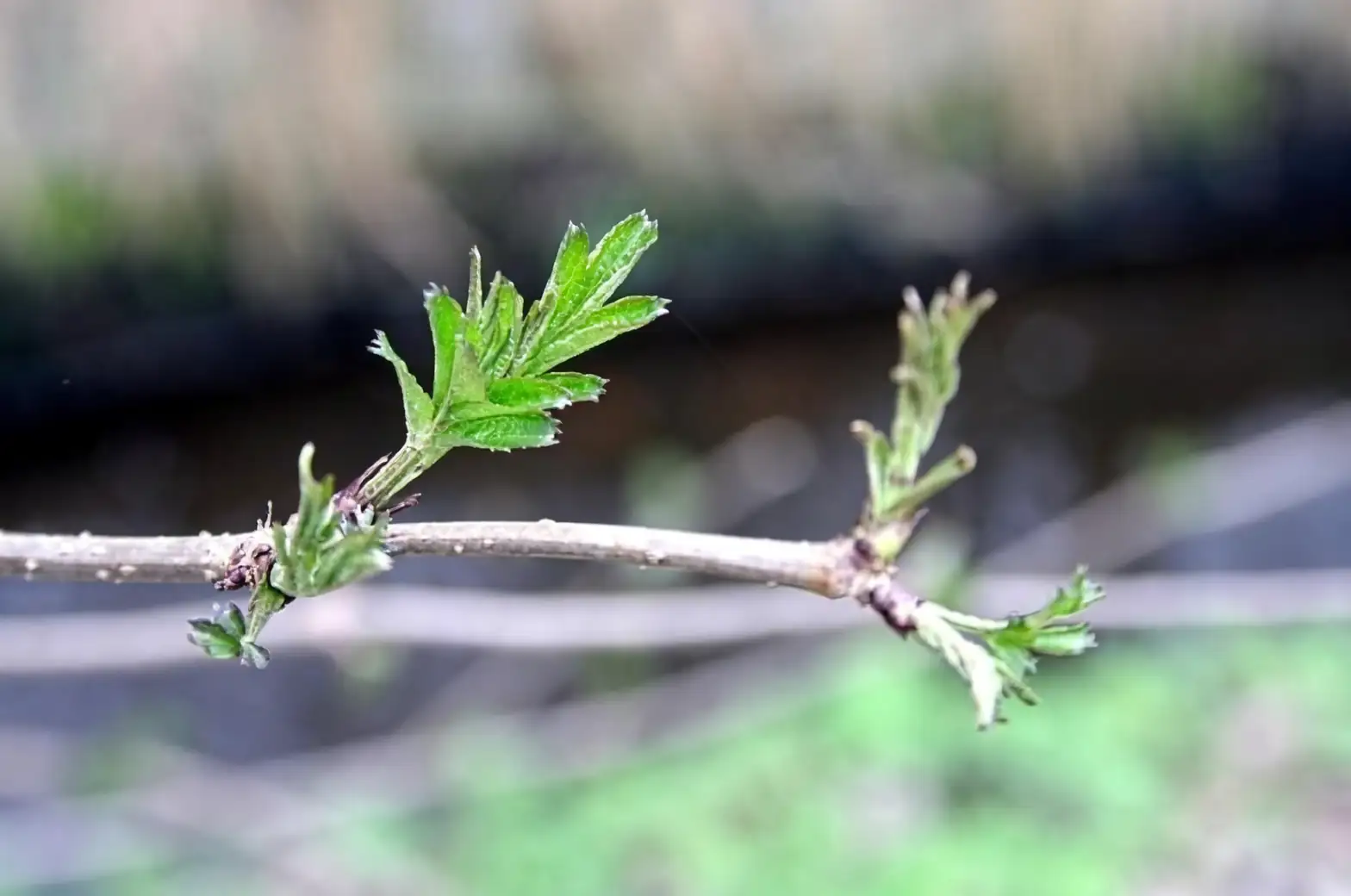
One of the most obvious signs that your plant is recovering after pruning is the emergence of new shoots and leaves. This new growth is often more vibrant and lush, indicating that your plant is channeling its energy into healing and expanding. Watch for these signs typically during the active growing season, which for most plants is spring and summer. If you notice your plant beginning to sprout, it’s a positive signal that it’s adjusting well.
Example:
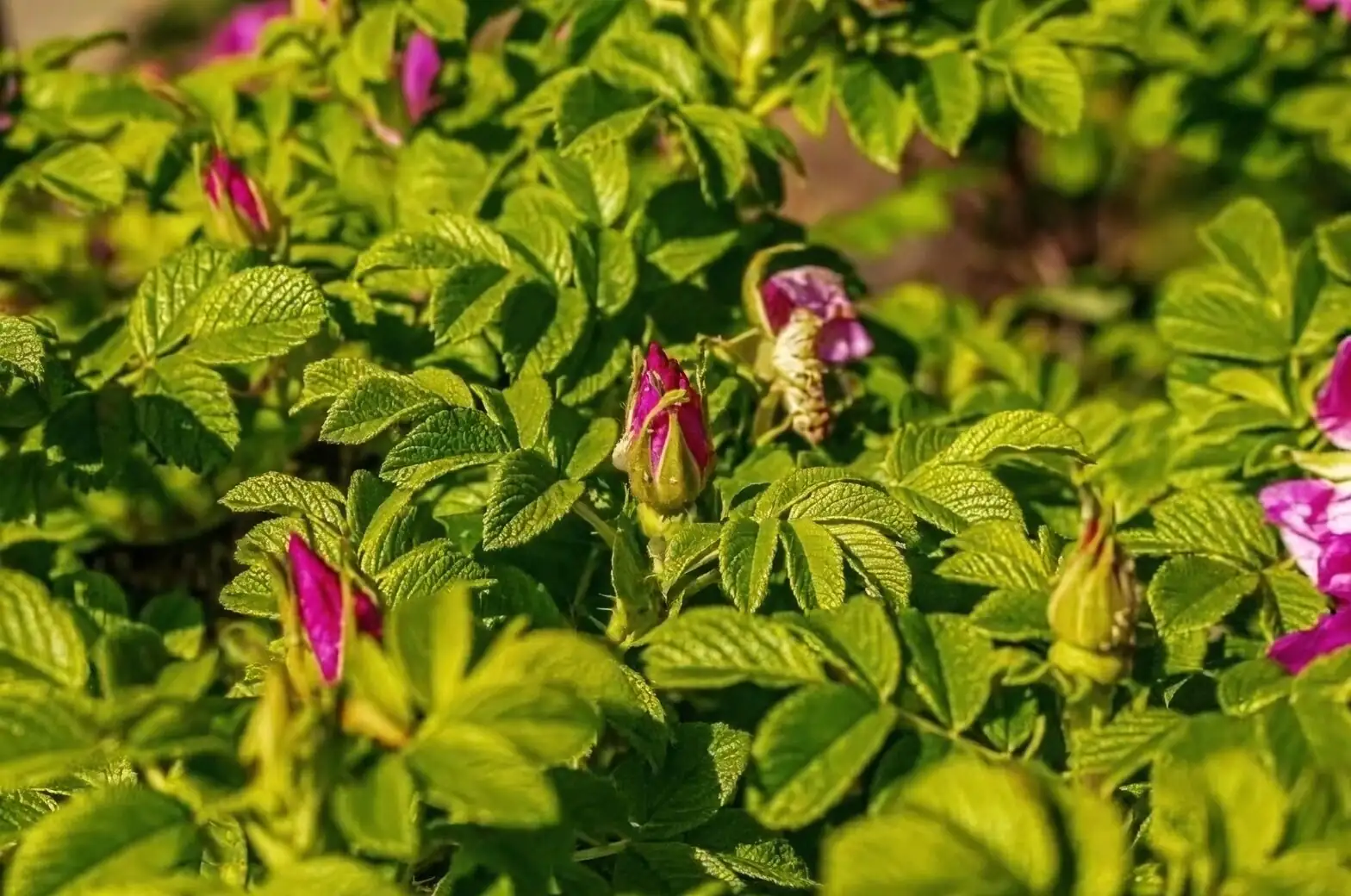
Consider a rose bush. After a good pruning in early spring, you might see new buds forming within a few weeks. This is a sure sign that the bush is on its way to producing a bounty of blooms.
Stronger, Healthier Branches
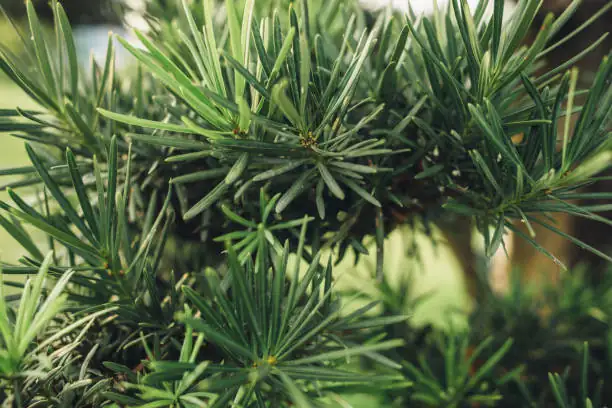
After pruning, plants often develop sturdier branches. This happens because the root system that has been supporting a larger plant now focuses its resources on fewer branches, making them more robust. This is particularly noticeable in shrubs that have been heavily pruned, such as a rejuvenation cut that encourages strong regrowth from the base.
Pro Tip:
Keep an eye on the overall structure of your plant. If the branches look thicker and more resilient, your pruning efforts are paying off.
Increased Flowering and Fruit Production
Pruning isn’t just about trimming excess growth; it’s also about boosting your plant’s productivity. A well-pruned plant can focus its energy on producing more flowers or fruit. For flowering plants, this often means more blooms, while fruit-bearing plants might produce larger or more abundant crops.
Timing Matters:
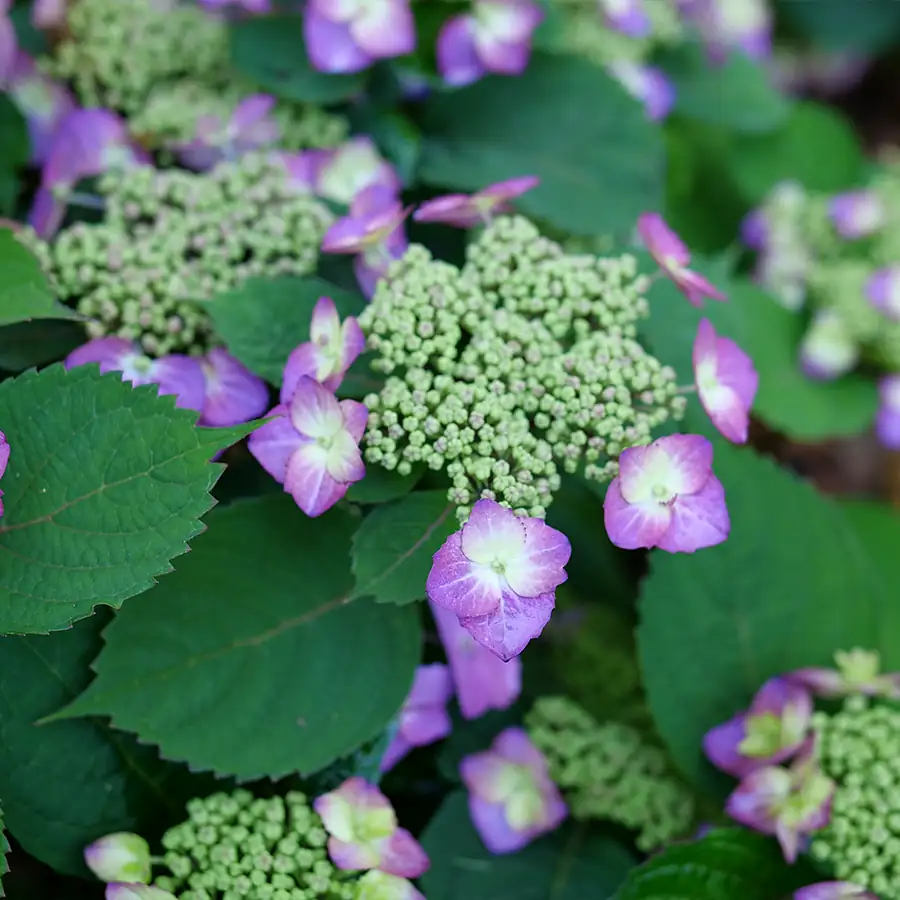
To maximize flowering, it’s essential to know whether your plant blooms on new wood or old wood, as this will determine the best time for pruning. For instance, plants that flower on new wood, like some hydrangeas, benefit from a late winter or early spring pruning.
Resilience to Pests and Diseases
A healthy, recovering plant is better equipped to fend off pests and diseases. Pruning helps by removing dead or diseased branches, reducing the likelihood of infections. You may notice fewer pest issues post-pruning if your plant is thriving.
Watch Out:
Ensure you don’t over-prune, as this can stress the plant and make it more susceptible to problems. Always sanitize your tools to prevent spreading diseases.
Adequate Watering and Care
After pruning, plants need a little extra TLC to bounce back. Adequate watering is crucial, especially if they’ve been pruned during a dry spell. The roots need moisture to support the new growth, but be careful not to overwater, which can lead to root rot.
Actionable Tip:
Check the soil moisture regularly and water deeply but infrequently, allowing the soil to dry out slightly between waterings. Mulching can also help retain soil moisture and reduce stress on the recovering plant.
In conclusion, with the right care and observation, your plants can thrive after pruning. Look for new growth, stronger branches, and increased flowering as signs of recovery. Remember, patience is vital—plants need time to adjust, but with your attentive care, they’ll be back to their beautiful selves in no time!