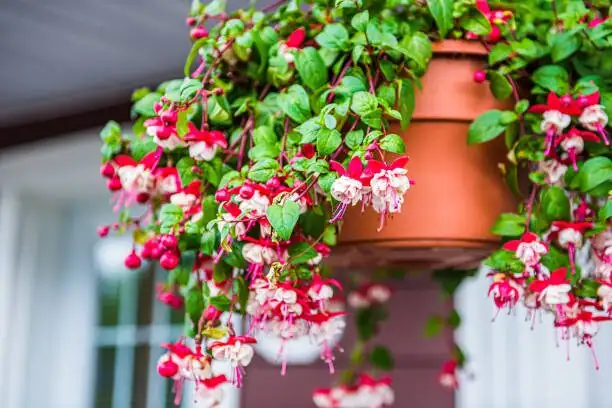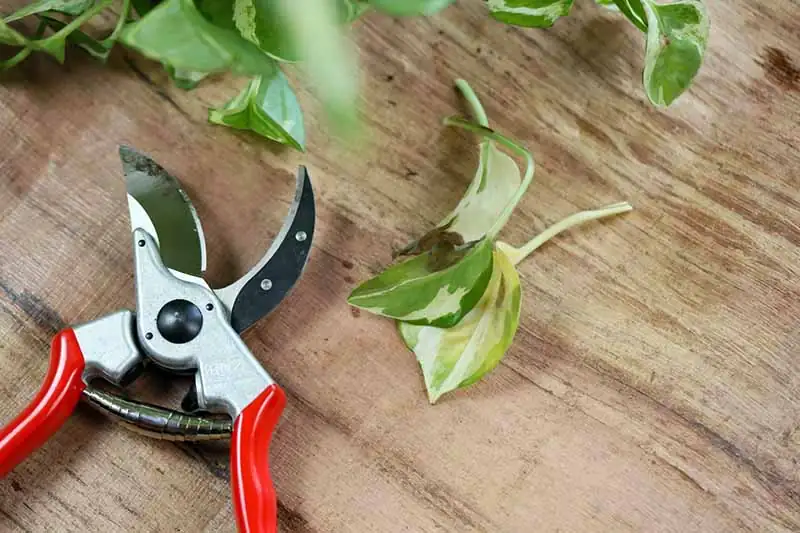
Pruning plants can feel like giving them a fresh haircut, but just like any good stylist knows, the aftercare is just as important as the cut itself. Whether you’ve trimmed back a towering tree or given your shrub a seasonal tidy-up, understanding how to nurture your plants post-pruning is crucial for their recovery and growth. Let’s dive into the essentials of watering and fertilizing to keep your garden lush and lively.
Why Post-Pruning Care Matters
After pruning, your plants are in a vulnerable state. Pruning removes leaves and branches, which can temporarily reduce their ability to photosynthesize and protect themselves. As such, your plants need a bit of extra love to bounce back stronger. Here’s how you can ensure they receive the care they need.
Watering: The Right Amount at the Right Time
Proper watering can be the difference between a thriving plant and one that’s struggling to recover.
When to Water
- Timing is Key: The best time to water is early in the morning. This allows plants to absorb moisture before the sun gets too intense, reducing evaporation and ensuring they’re well-hydrated throughout the day.
- Frequency: Check the soil moisture regularly. If the top 1-2 inches are dry, it’s time to water. Deep watering once a week is generally better than frequent, light sprinklings, as it encourages roots to grow deeper and stronger.
Technique Tips
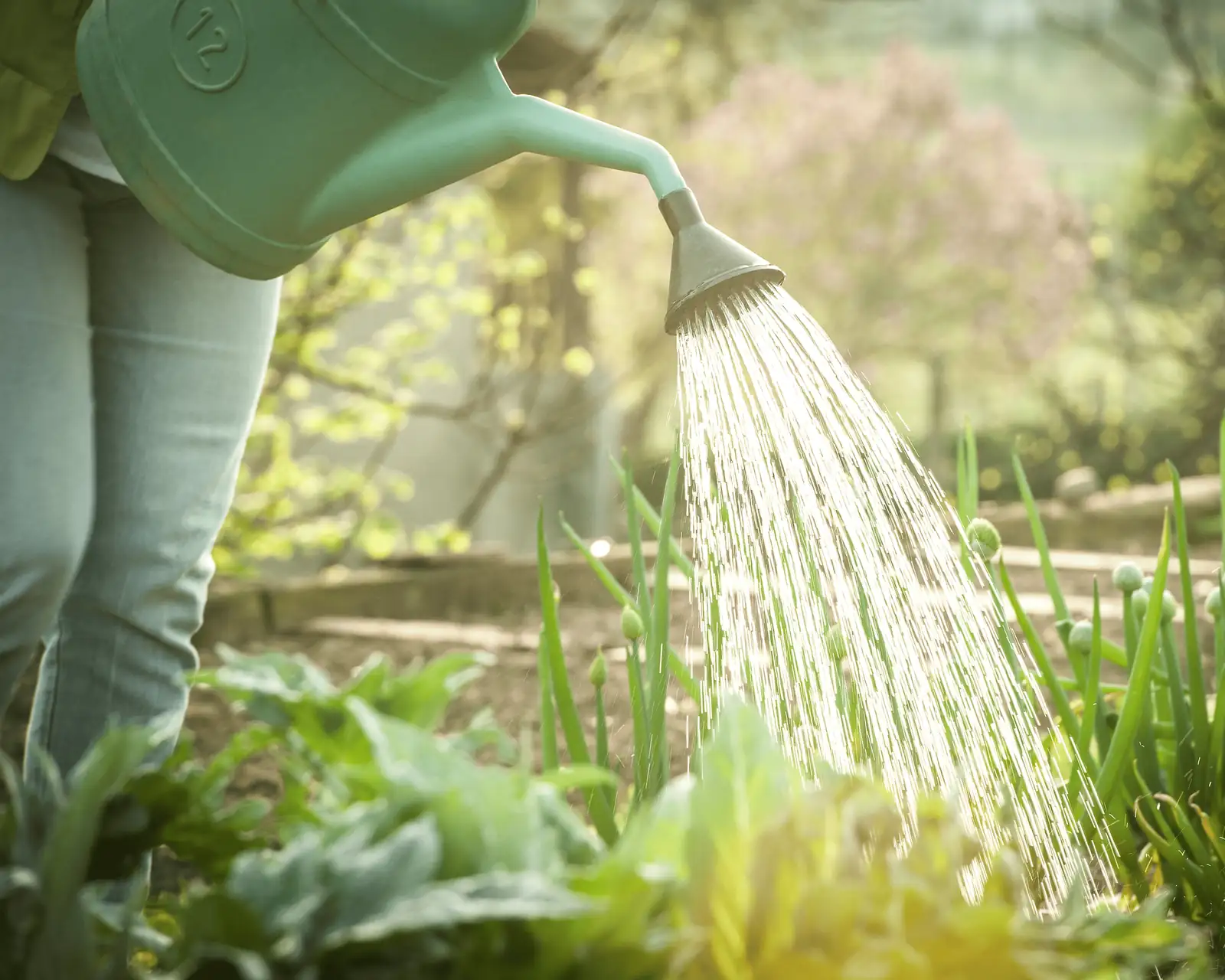
- Water at the Base: Aim to water directly at the soil level to avoid wetting the leaves, which can lead to fungal diseases.
- Deep Soaking: Ensure the water penetrates deeply into the soil. This helps in better root development and makes the plant more resilient during dry spells.

Fertilizing: A Nutrient Boost for Recovery
Pruning can stimulate new growth, and a little fertilization can give your plants the nutrients they need to flourish.
What to Use
- Balanced Fertilizer: Use a balanced fertilizer containing equal parts of nitrogen, phosphorus, and potassium. These nutrients support healthy leaf growth, strong roots, and overall plant vigor.
- Organic Options: If you prefer organic methods, consider well-rotted manure or compost. These not only provide nutrients but also improve soil structure and moisture retention.
When to Apply
- Post-Pruning Window: Wait a couple of weeks after pruning before applying fertilizer. This gives the plant time to heal from cuts and focus on new growth.
- Seasonal Considerations: Be mindful of the season. Fertilizing in early spring or late summer is often most effective, aligning with the plant’s natural growth cycles.
Common Mistakes to Avoid
- Overwatering: It’s important not to drown your plants. Ensure the soil has good drainage to prevent root rot.
- Fertilizer Overload: More isn’t always better. Over-fertilizing can burn roots and damage your plant. Stick to recommended amounts and consider your specific plant’s needs.
By following these guidelines, you can transform your post-pruning routine into a rejuvenating experience for your garden. With the right care, your plants will not only recover but thrive, rewarding you with lush foliage and vibrant blooms. Happy gardening!