
When it comes to nurturing your garden or houseplants, recognizing the signs of disease and mastering the art of pruning can make all the difference. Whether you’re a seasoned gardener or just starting out, understanding these concepts is key to ensuring your plants thrive. Let’s delve into identifying diseased leaves and executing healthy pruning steps, so you can be the green-thumbed guru of your garden.
Spotting Diseased Leaves: What to Look For
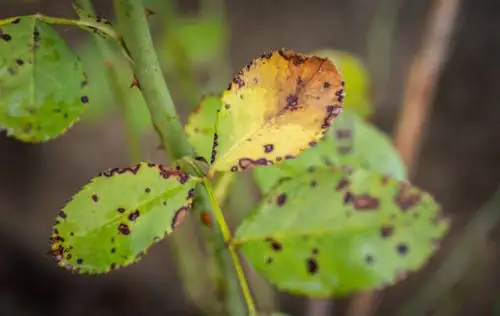
Diseased leaves can be sneaky, but with a keen eye, you’ll be able to spot them before they wreak havoc on your plants. Here are some signs to watch out for:
- Discoloration: Look for yellow, brown, or black spots on the leaves. This could indicate a fungal infection or nutrient deficiency.
- Wilting or Curling: Leaves that are wilting or curling may be suffering from disease or lack of water.
- Unusual Texture: If leaves feel slimy or sticky, they could be infected with a bacterial disease.
- Presence of Mold: White or gray powdery substances are often a sign of mildew.
Once you’ve identified these symptoms, it’s time to take action and prune the affected areas.
Pruning Like a Pro: Steps for Success
Pruning isn’t just about snipping away; it’s about enhancing the health and beauty of your plants. Here’s how to do it right:
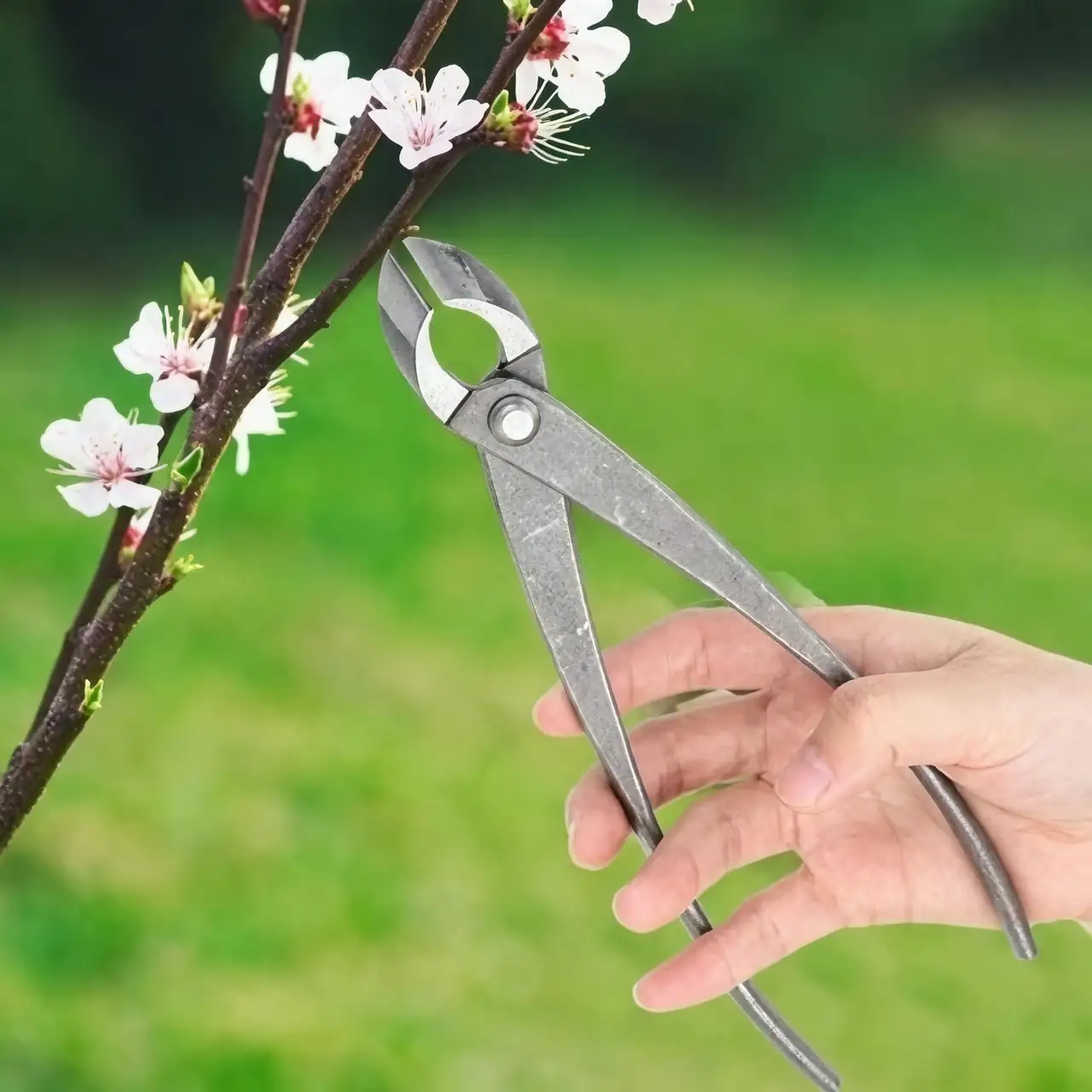
- Choose the Right Tool: Use sharp pruning shears for thick branches or scissors for more delicate stems. Clean your tools with alcohol before use to prevent disease spread.
- Identify the Target: Focus on the 4 D’s: Dead, Diseased, Damaged, or Deranged parts. These are the ones you want to remove to encourage healthy growth.
- Cut with Care: When pruning diseased branches, cut at least 6 inches below the affected area into healthy wood. This ensures that all diseased tissue is removed.
- Timing is Key: Prune most plants in late winter or early spring before new growth begins. However, with houseplants, you can often prune year-round to keep them tidy.
- Encourage New Growth: Make cuts just above a leaf node or bud to encourage new branches. This helps your plant fill out and maintain a balanced shape.
Common Pruning Pitfalls to Avoid
Even with the best intentions, mistakes happen. Here are some common pitfalls to watch out for:
- Over-Pruning: Removing too much foliage can stress your plant and reduce photosynthesis. Aim to remove no more than 25% of the plant’s foliage at one time.
- Ignoring Airflow: While plants naturally know how to grow, pruning to improve airflow can reduce disease. Be cautious not to overdo it, though, as you might expose the plant to too much sunlight or wind.
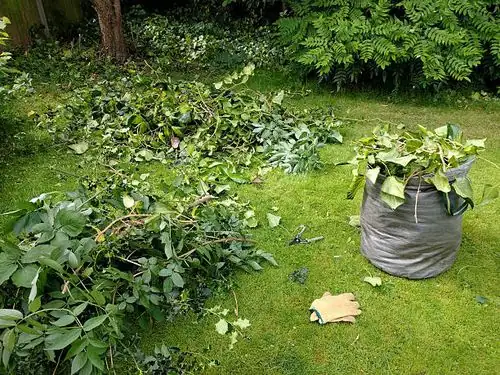
- Neglecting Clean-Up: Leaves and branches left on the ground can harbor pests and diseases. Always tidy up after pruning to maintain a healthy garden environment.
By following these guidelines, you’ll keep your plants in peak condition, ensuring they remain healthy and vibrant throughout the year. Happy gardening!