The Alluring Osmanthus Fragrans: A Floral Symbol of Elegance and Fortune
Imagine walking through a garden in the crisp air of autumn, when suddenly, a sweet, intoxicating fragrance envelops you. It’s as if nature decided to brew a pot of floral tea, and even before spotting the source, your senses are already dancing to the tune of an invisible melody. Welcome to the world of Osmanthus fragrans, commonly known as Sweet Osmanthus or Sweet Olive—a plant with a fragrance so captivating, it has inspired poets and charmed societies for centuries.
A Perfume That Lingers
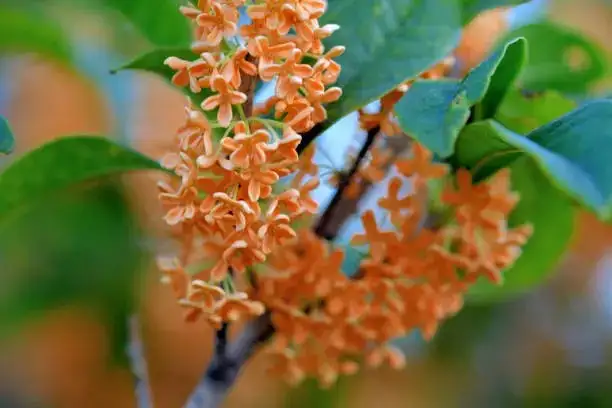
Native to the Himalayas and extending through southern China, Sweet Osmanthus is a beloved member of the olive family (Oleaceae), known for its evergreen nature and clusters of small, fragrant flowers. These blossoms, often appearing in warm shades of orange-yellow, are not just pleasing to the eye; they have a perfume powerful enough to fill an entire garden.
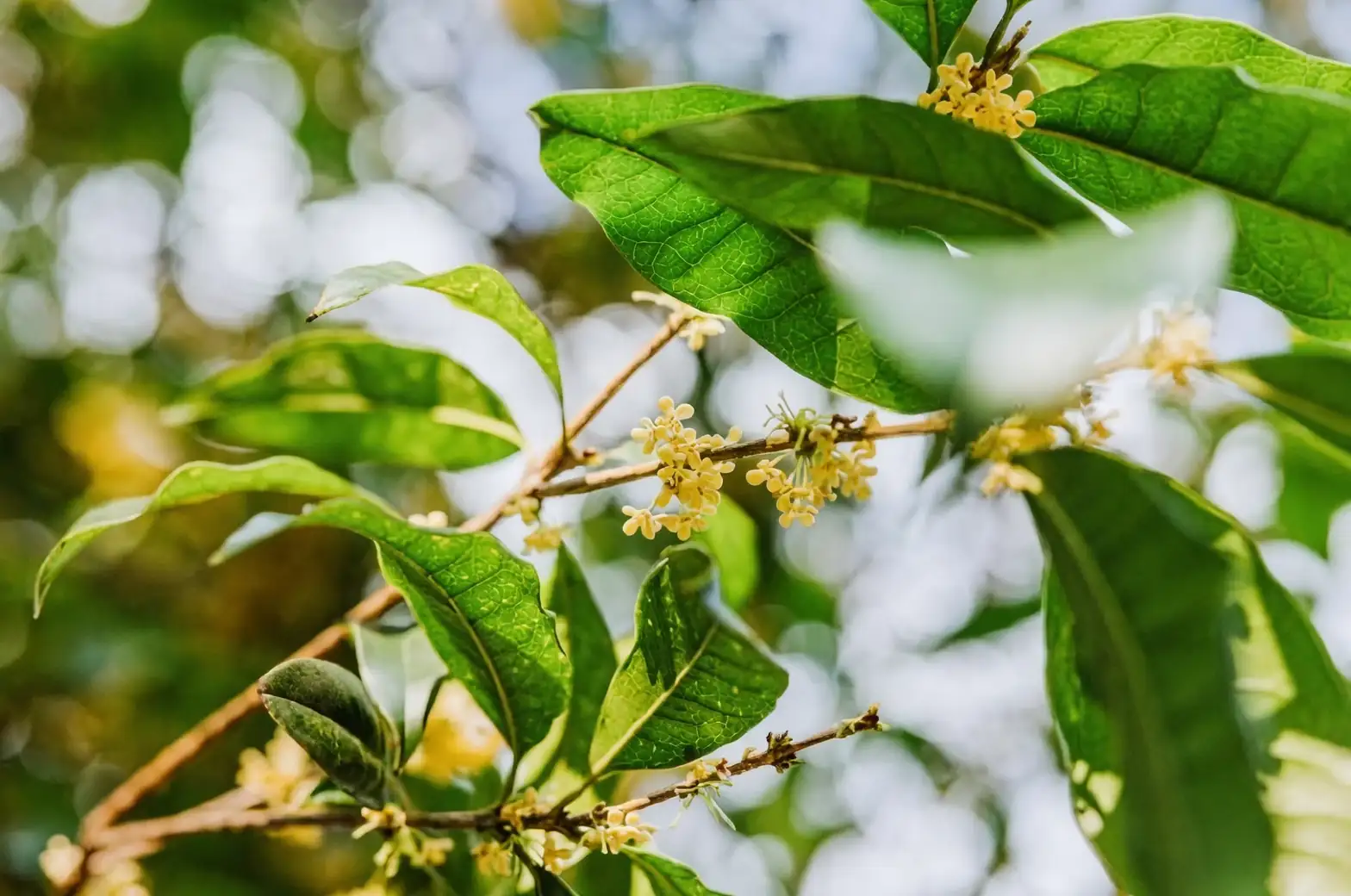
But what truly sets Osmanthus apart is the depth of its fragrance, described as a blend of peach, apricot, and a subtle hint of leather. This unique profile makes it a popular choice for perfumes and skincare products, where a touch of its aroma can transport you to a serene, fragrant haven.
Cultural Significance and Symbolism
In East Asian culture, Osmanthus is more than just a pretty flower. It is a symbol of good fortune, elegance, and enduring beauty. Often blooming in the autumn, it is associated with the Mid-Autumn Festival in China, where its presence signifies not only the arrival of the harvest season but also the beauty and harmony of family gatherings.

The flower’s symbolic meanings extend to romance and love, making it a favorite for weddings and romantic celebrations. In ancient Chinese texts and poetry, Osmanthus is frequently referenced for its noble qualities. The Chinese Moon Festival sees Osmanthus as a symbol of the moon’s beauty, often celebrated in tales like the legend of Wu Gang, who is doomed to eternally cut a self-healing Osmanthus tree on the moon—a story that speaks to the themes of perseverance and longing.
The Language of Flowers: Osmanthus as a Messenger
In the language of flowers, Osmanthus represents friendship and good fortune. This tradition, often referred to as “Hanakotoba” in Japan, attributes specific meanings to flowers, allowing people to convey messages through floral arrangements. Osmanthus, with its sweet aroma and warm hues, is a perfect ambassador of positive wishes and enduring relationships.
Celebrating Osmanthus in Cuisine and Tradition
The allure of Osmanthus goes beyond its fragrance and cultural symbolism. Its edible flowers are a staple in Chinese cuisine, used to flavor teas, desserts, and even wines. The aroma of Osmanthus infuses these foods with a fragrant elegance, transforming ordinary moments into cherished memories.
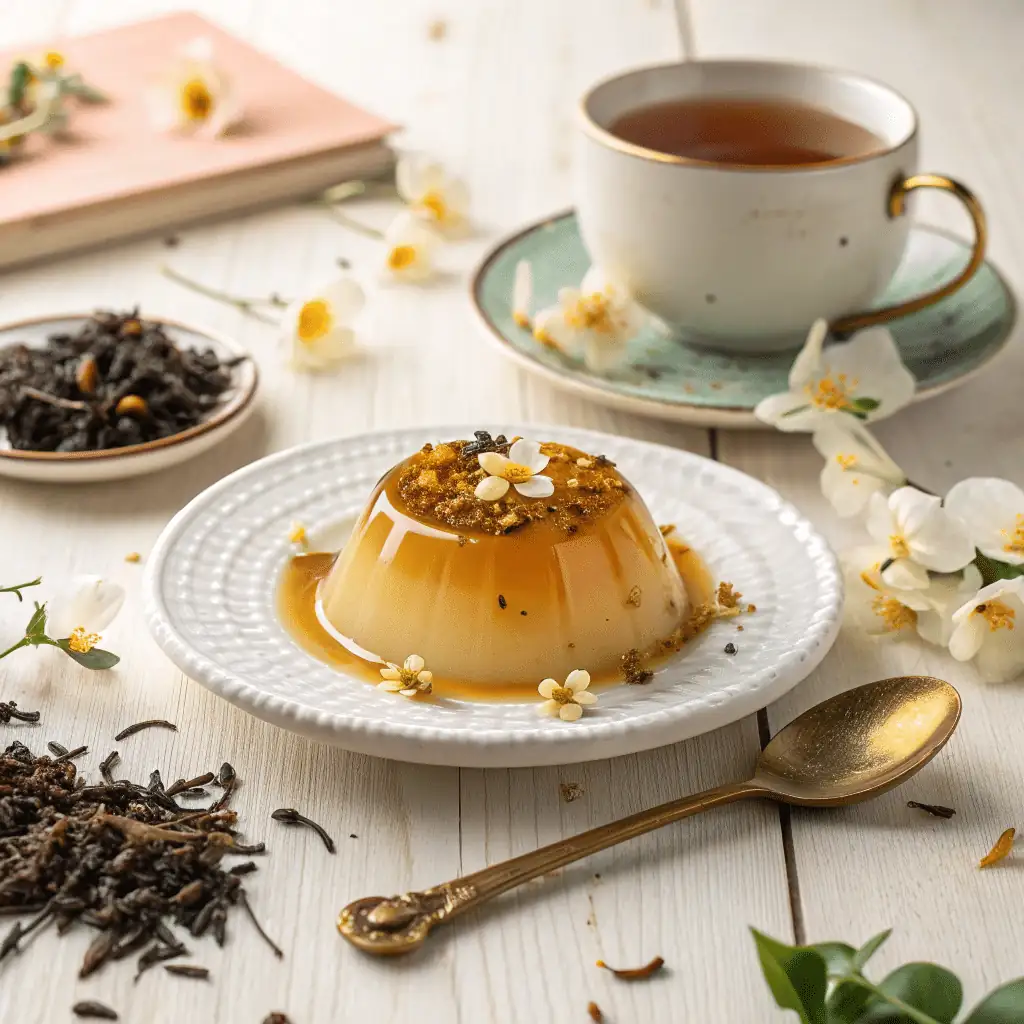
During festive occasions, such as the Mid-Autumn Festival, Osmanthus is celebrated not just for its beauty, but for the good fortune it is believed to bring. Its flowers are often used in decorations and gifts, infusing celebrations with a touch of elegance and a promise of prosperity.
Growing Osmanthus in Your Garden
For those enamored by this fragrant flower, cultivating Osmanthus in your garden can be a rewarding endeavor. This evergreen shrub or small tree thrives in full sun to partial shade and appreciates warm, humid conditions. While it is not reliably frost-hardy, it makes an excellent container plant, allowing you to bring its fragrance indoors during colder months.

With minimal care—ensuring well-drained soil, bright light, and moderate humidity—Sweet Osmanthus can thrive, rewarding you with its signature autumn blooms and a garden perfumed with its unforgettable scent.
Conclusion
Sweet Osmanthus is much more than a plant; it is a symbol of elegance, a bearer of good fortune, and a beloved cultural icon. Whether you choose to savor its fragrance, enjoy its culinary delights, or appreciate its rich cultural history, Osmanthus fragrans offers a timeless charm that continues to captivate hearts across the world. So, next time you encounter that sweet, lingering fragrance, you’ll know it’s not just a flower—it’s a messenger of beauty and good fortune.