Cultivating Common Mallow (Malva sylvestris): A Beginner’s Guide to Seed Propagation
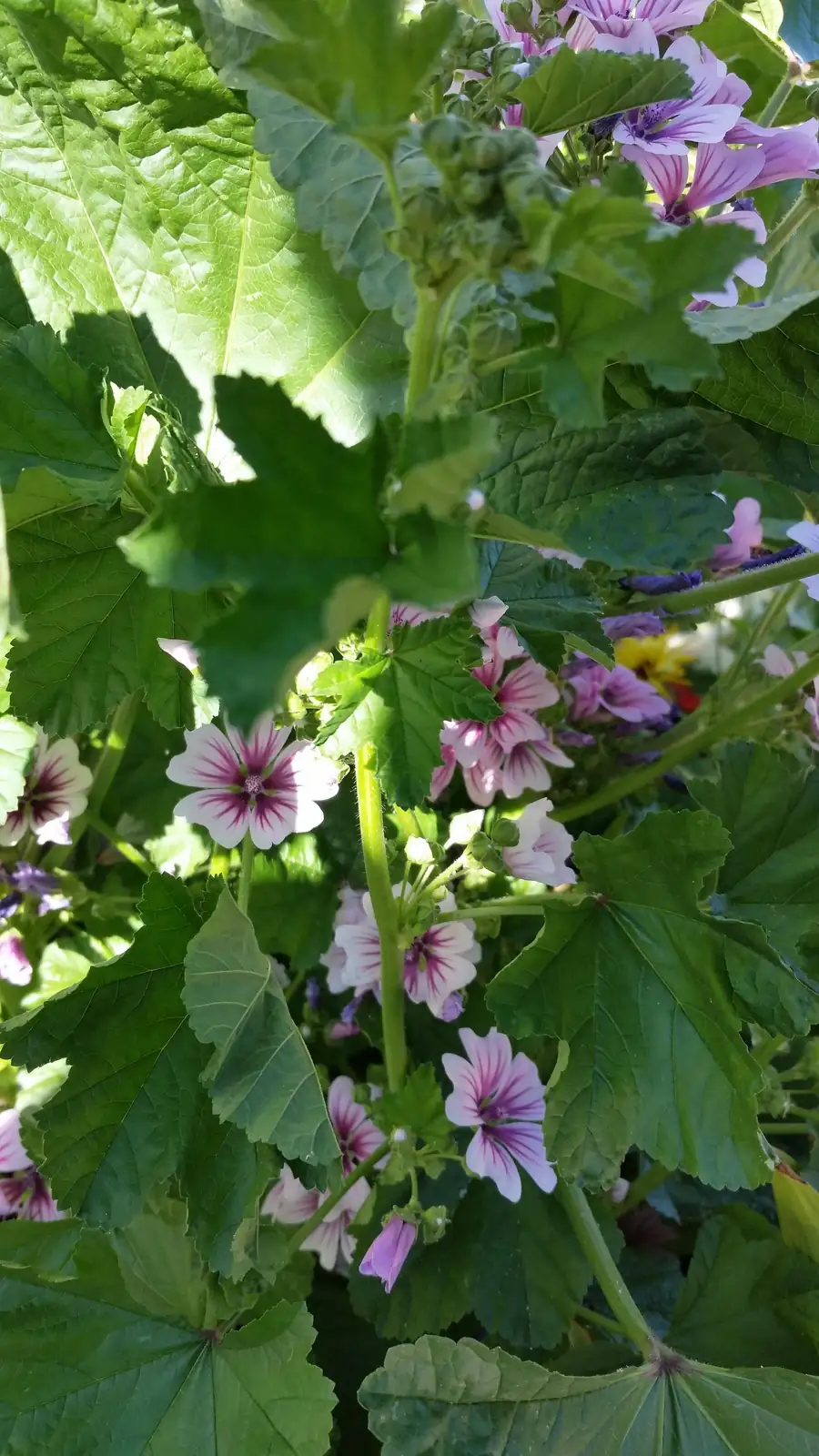
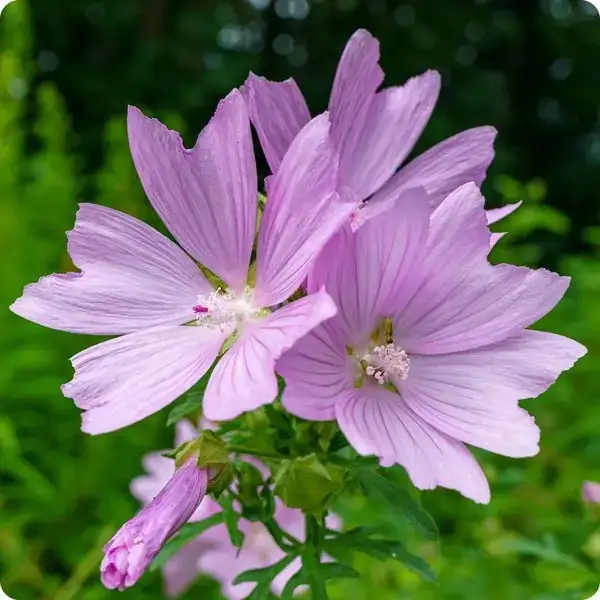
Imagine bright rose-purple flowers, etched with darker veins, swaying in a gentle breeze in your garden. This is the charming Common Mallow, or Malva sylvestris—a delightful addition to any garden. Whether you’re a seasoned gardener or a budding enthusiast, growing this ornamental beauty from seed is a rewarding experience. Let’s dig into the process of propagating Common Mallow from seeds, ensuring you cultivate a flourishing, colorful display.
Why Choose Common Mallow?
Before diving into the nitty-gritty, it’s worth exploring why Common Mallow is such a beloved garden favorite. A member of the Malvaceae family, this plant is native to Europe, western Asia, northern Africa, and the Mediterranean region. Not only is it easy to grow and care for, but it is also drought-tolerant, cold-hardy, and boasts a long blooming season from late spring through autumn.
Getting Started with Propagation
When and Where to Plant
The best time to sow Common Mallow seeds is in spring, once the threat of frost has passed. However, in milder climates, you can also sow in the fall. Choose a sunny or partially shaded spot in your garden where the soil drains well. While it thrives in full sun, Common Mallow is adaptable and can tolerate a range of soil types, making it a flexible choice for various garden settings.
Preparing the Soil
Prepare your garden bed by loosening the soil and removing any weeds or debris. Although Common Mallow isn’t picky, it appreciates good drainage. If your soil is heavy, consider adding some sand or organic matter to improve it. Aim for a consistency that holds moisture but doesn’t remain soggy.
The Sowing Process
Direct Sowing
Direct sowing is a straightforward method that suits Common Mallow’s easygoing nature:
- Depth and Spacing: Sow seeds about 1/8 inch deep and space them 1 to 3 inches apart. Once seedlings are 4 to 5 inches tall, thin them to a final spacing of 18 to 24 inches to allow ample room for growth.
- Watering: After sowing, water the area gently but thoroughly. Keep the soil consistently moist until germination, which typically occurs within two weeks.
Indoor Starting
For a head start, consider starting seeds indoors in late winter:
- Containers: Use 3-inch pots filled with a peat-based seed-starting mix.
- Sowing: Plant one seed per pot at a depth of 1/8 inch.
- Conditions: Place the pots in a sunny spot or under grow lights, maintaining temperatures between 65-70°F (18-21°C).
- Transplanting: Once the last frost has passed, harden off your seedlings before transplanting them outdoors.
Caring for Your Mallow
Once established, Common Mallow requires minimal maintenance, ideal for beginners:
- Watering: Water regularly during dry spells, allowing the top layer of soil to dry out between waterings.
- Fertilization: Apply a balanced, slow-release fertilizer once a year in early spring to support vigorous growth.
- Pruning: Deadhead spent blooms to encourage continuous flowering and prevent unwanted self-seeding.

Common Challenges and Solutions
While Common Mallow is generally trouble-free, it can attract Japanese beetles and be susceptible to mallow rust, particularly in humid conditions. Combat these issues by:
- Removing Infected Leaves: Prune away rust-infected foliage and dispose of it (do not compost).
- Improving Airflow: Ensure plants aren’t overcrowded to reduce humidity around the leaves.
- Avoiding Overhead Watering: Water at the base to keep foliage dry.
Harvesting and Uses
Beyond its ornamental appeal, Common Mallow is edible, with young leaves and flowers adding a unique touch to salads or cooked dishes. Historically, it has been used for its soothing properties in teas and skin preparations.
Embracing the Mallow Magic
Incorporating Common Mallow into your garden not only enhances its beauty but also connects you to a rich tapestry of gardening tradition. Its vibrant blooms and easygoing nature make it a rewarding project for gardeners of all levels. So roll up your sleeves, get your hands in the soil, and let the mallow magic unfold in your garden!