In the world of gardening, not all insects are the villains they’re often made out to be. In fact, some of them are the unsung heroes of your garden, quietly working behind the scenes to keep your plants healthy and pest-free. But how do you identify these beneficial insects, and more importantly, how do you protect them? Let’s dive into the captivating realm of garden-friendly bugs and learn how you can make your garden a welcoming haven for these tiny allies.
Why Beneficial Insects Are Your Best Garden Friends
Before you grab that pesticide spray, consider this: less than one percent of all insect species are harmful. The rest play crucial roles in the ecosystem, from pollinating plants to preying on those pesky aphids that threaten your rose bushes. Beneficial insects like lady beetles, lacewings, and parasitic wasps can naturally control pest populations, reducing the need for chemical interventions.
The Helpers: Who They Are and What They Do
- Predators like lady beetles and lacewings hunt down and devour pests such as aphids and caterpillars.
- Parasitoids, including certain types of tiny wasps, lay eggs inside pest insects; their larvae eventually consume the host, keeping pest numbers in check.
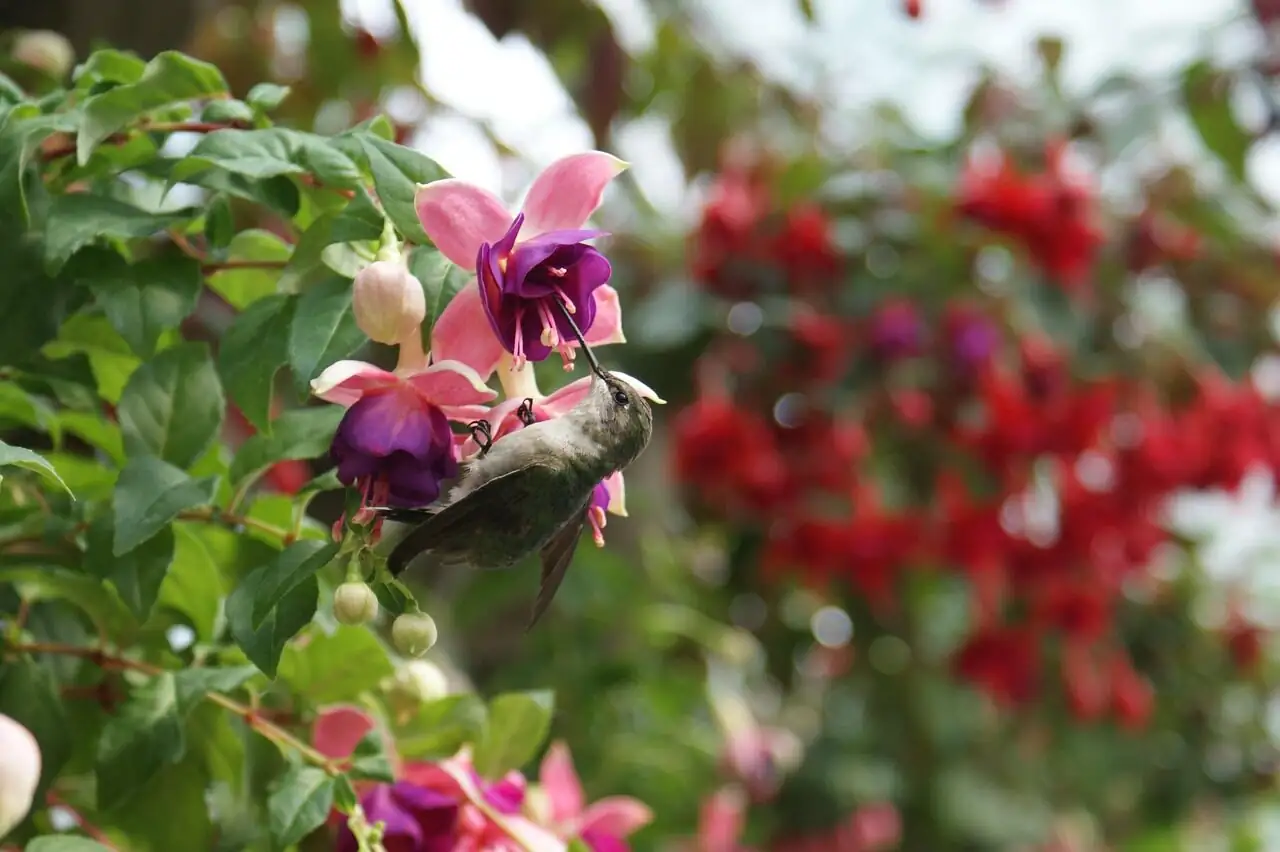
- Pollinators like bees and butterflies are essential for plant reproduction, helping your garden bloom with life.
Identifying Beneficial Insects
Understanding what these insects look like is key to protecting them. Here’s a quick guide:
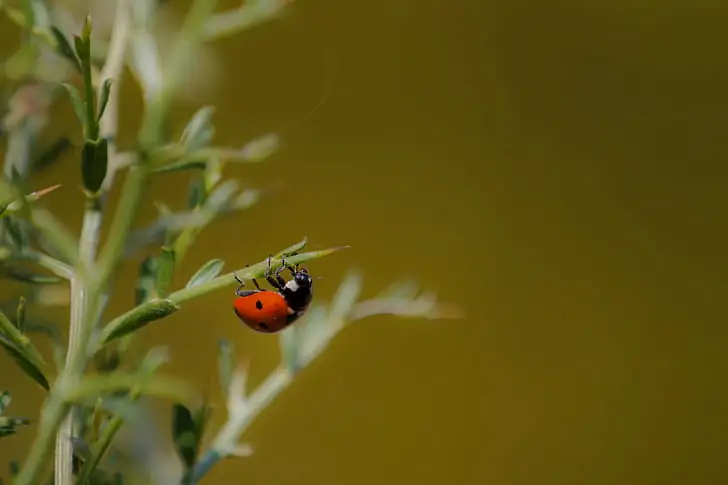
- Lady Beetles: Known as ladybugs, these small, round beetles with red and black spots are voracious aphid eaters.
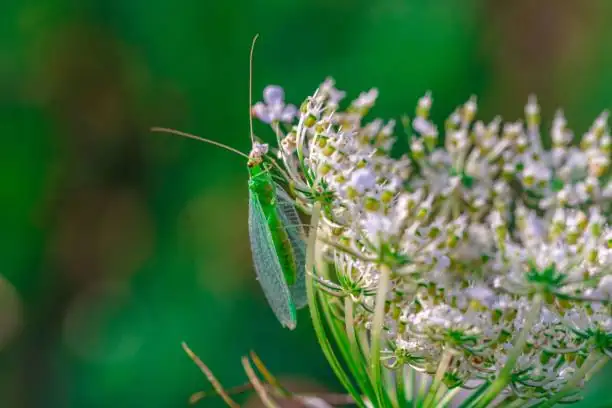
- Lacewings: They have delicate green wings and are most effective as larvae, known as “aphid lions.”
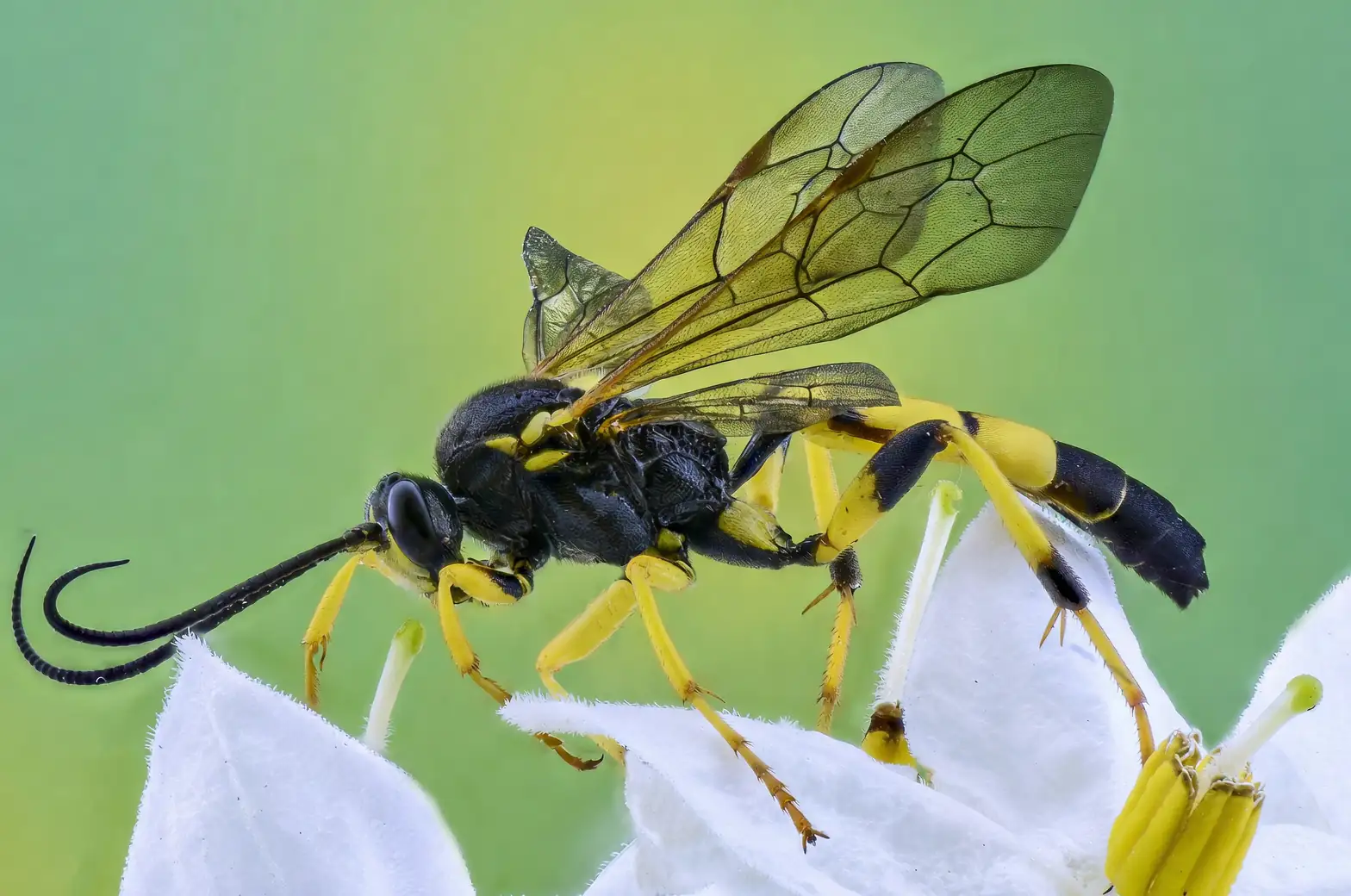
- Parasitic Wasps: These are tiny and generally non-aggressive to humans. Look for them around plants with small, flat-topped flowers like dill and parsley.
Creating a Beneficial Bug-Friendly Garden
Plant a Diverse Mix
To attract these garden allies, plant a variety of flowers and herbs. Dill, fennel, and cilantro are favorites for many beneficial insects. These plants not only provide nectar but also act as habitats for the larvae of these insects.
Provide Shelter and Water
Create a welcoming environment by leaving some areas of your garden a little wild. Piles of leaves, mulch, and sticks offer shelter, while a small dish of water with pebbles can serve as a hydration station.

Avoid Broad-Spectrum Pesticides
One of the most common mistakes gardeners make is using pesticides indiscriminately. These products can harm beneficial insects as much as pests. If you must use pesticides, opt for targeted solutions and apply them sparingly.
Patience and Observation: Keys to Success
Building a garden that supports beneficial insects is a gradual process. Be patient and take time to observe the tiny creatures that buzz and flit around your plants. Regular inspections can help you distinguish between friend and foe, allowing you to make informed decisions about pest control.
A Season of Bloom
Ensure that your garden offers blooms throughout the growing season. This continuous supply of nectar and pollen keeps beneficial insects well-fed and ready to tackle any pest outbreaks.
Conclusion
By understanding and fostering beneficial insects, you’re not just gardening; you’re cultivating a balanced ecosystem. These helpful bugs are more than just garden companions; they are vital contributors to your garden’s health and productivity. So, roll out the green carpet and invite these insect allies into your garden. Your plants—and the planet—will thank you.