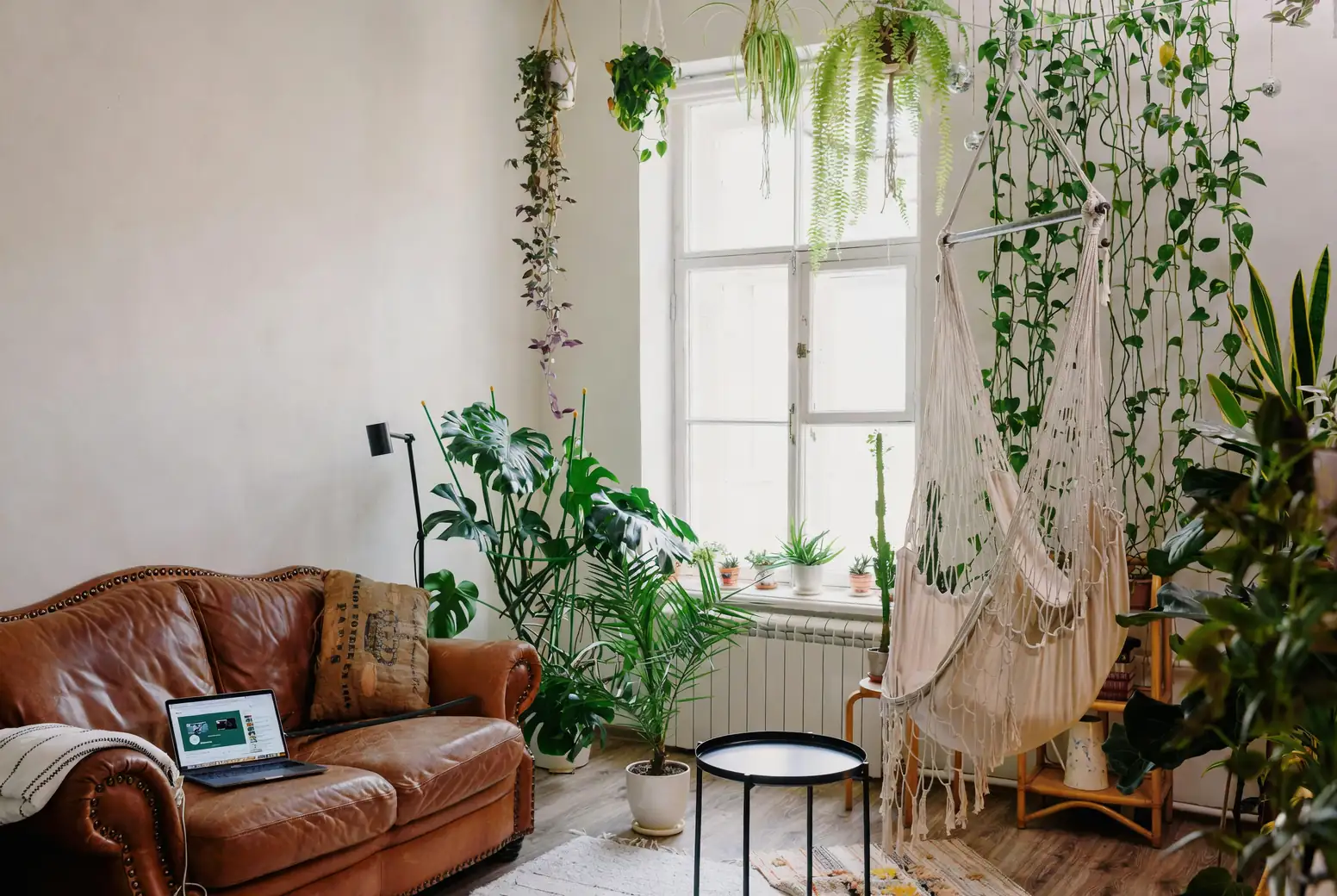
Indoor plants can transform your home into a lush, green sanctuary, but occasionally, they send out distress signals via their leaves. If you’ve ever wondered why your plant’s leaves are turning yellow, brown, or falling off, you’re not alone. Let’s dive into some common indoor plant leaf issues and how to solve them, so you can keep your leafy friends thriving.
Yellowing Leaves: A Tale of Too Much or Too Little
Yellowing leaves can signal a few different problems, so it’s crucial to play detective.
- Overwatering or Underwatering: If you notice yellow leaves at the bottom or inside of your plant, it might be overwatered. Check the soil; if it’s soggy, let it dry out a bit before watering again. Conversely, if new growth is yellowing and the soil is bone dry, your plant might be thirsty. A good soak, perhaps by submerging the pot in a saucer of water, can help rehydrate it.
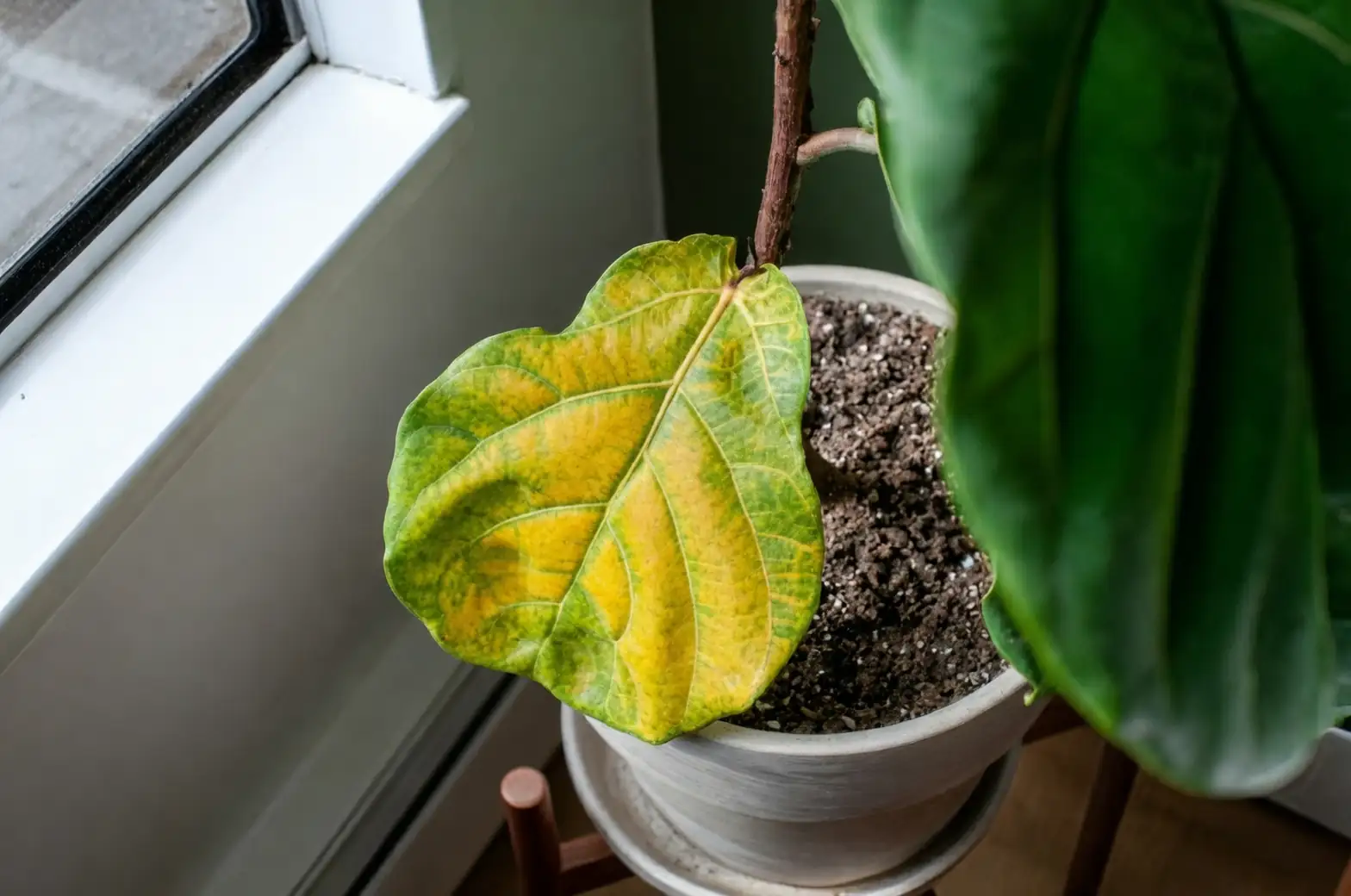
- Sunlight Issues: Too much direct sunlight can bleach leaves yellow, especially the newer ones, while too little light can cause older leaves to yellow. Adjust your plant’s position accordingly—maybe move it further from a bright window or add some sheer curtains for filtered light.
- Pests: Sometimes, the culprits are tiny invaders like thrips or spider mites. Examine your plant closely for any unwanted guests. A gentle wipe with water or neem oil can help, or consider insecticidal soap for stubborn infestations.
Dropping Leaves: More than Just a Seasonal Shedding
Leaf drop can be alarming, but it often has a simple explanation.
- Shock or Stress: Moving plants, changing temperatures, or even repotting can cause stress. Give your plant some time to adjust and avoid sudden environmental changes.
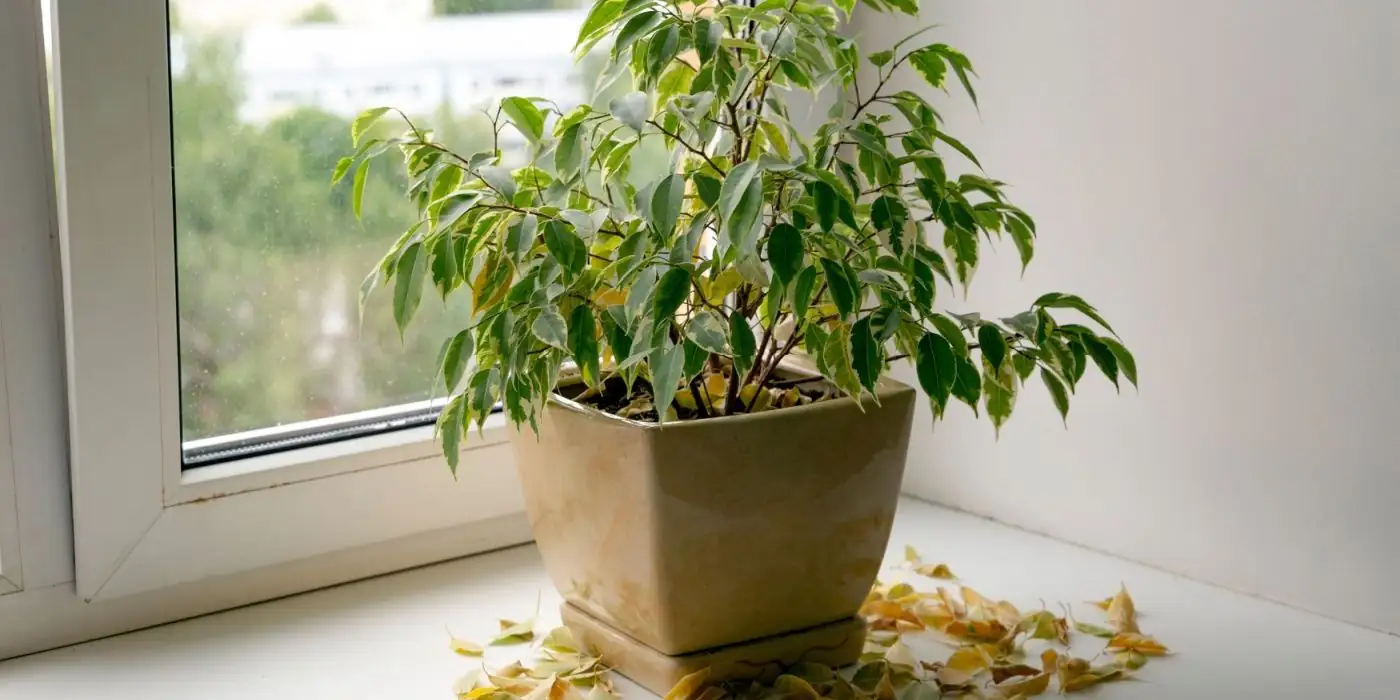
- Improper Watering: Both over and underwatering can lead to leaf drop. Check soil moisture and root health to diagnose the issue accurately.
Brown Leaf Tips: A Crispy Dilemma
Brown tips on leaves can be an eyesore, but they’re typically easy to fix.
- Humidity and Watering Practices: Low humidity, especially in winter, is a common cause. Increase the moisture around your plant with a humidifier or by grouping plants together. Consistent watering is key; avoid letting the plant dry out excessively between waterings.
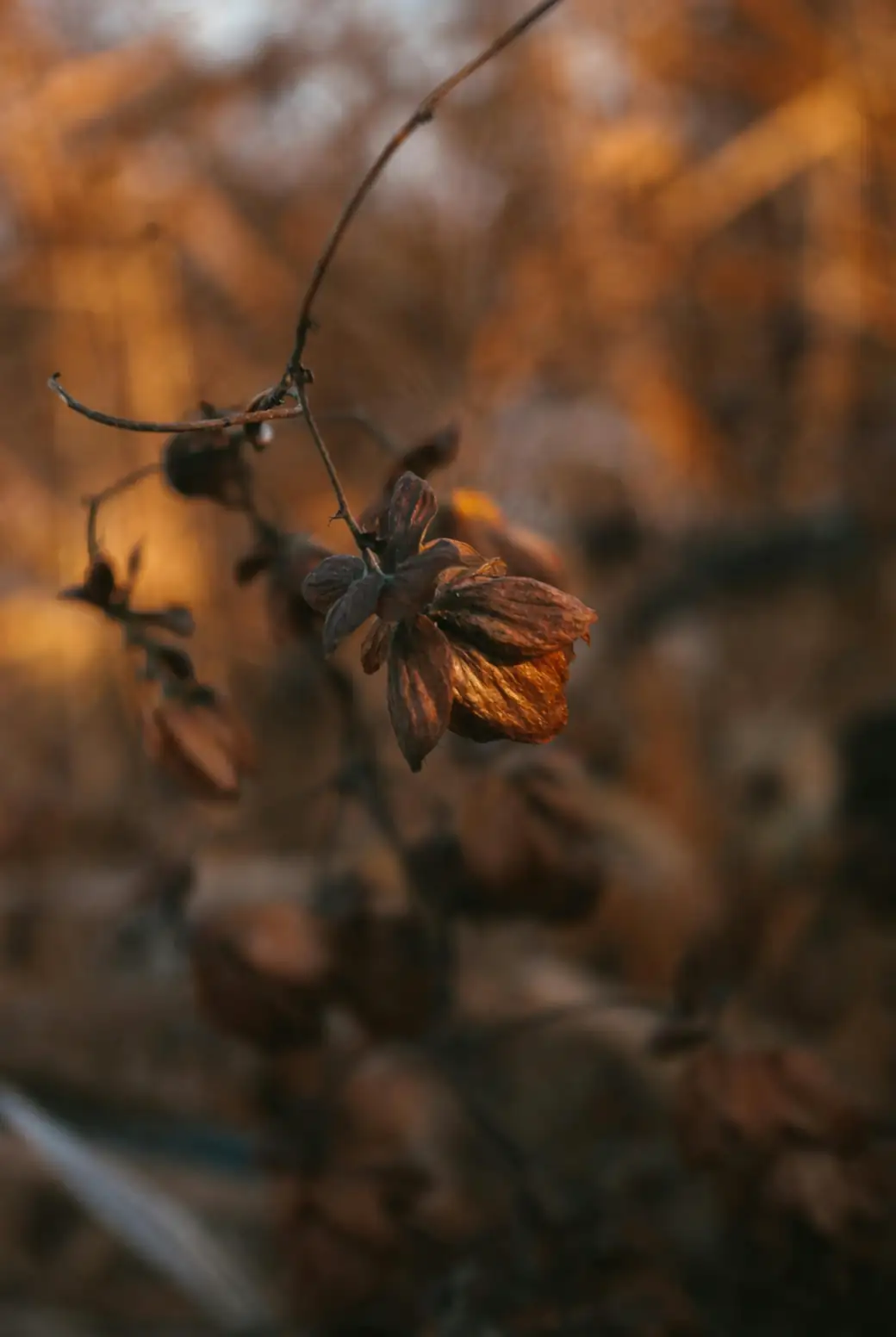
- Salt Build-Up: Fertilizer and salt build-up in the soil can also lead to browning. Flushing the soil with distilled water every few months can help remove excess salts.
Dealing with Pests: Tiny but Mighty Troublemakers
Insects like aphids, spider mites, and thrips can wreak havoc on your plant leaves.
- Identify and Act: Look for visible insects, sticky residue, or webbing. Handpick larger pests, use a stream of water to dislodge them, or apply insecticidal soap or neem oil for treatment.
- Prevention: Regular inspections and maintaining healthy plant conditions can prevent infestations from taking hold.
Final Thoughts: Your Plant’s Environment Matters
Remember, most plant problems stem from environmental conditions. Ensure your plant’s needs for light, water, and humidity are met. Regularly check their surroundings at home: Is it drafty? Is there enough natural light? Are the temperatures too extreme? Adjust as necessary, and your plants should reward you with vibrant, healthy foliage.
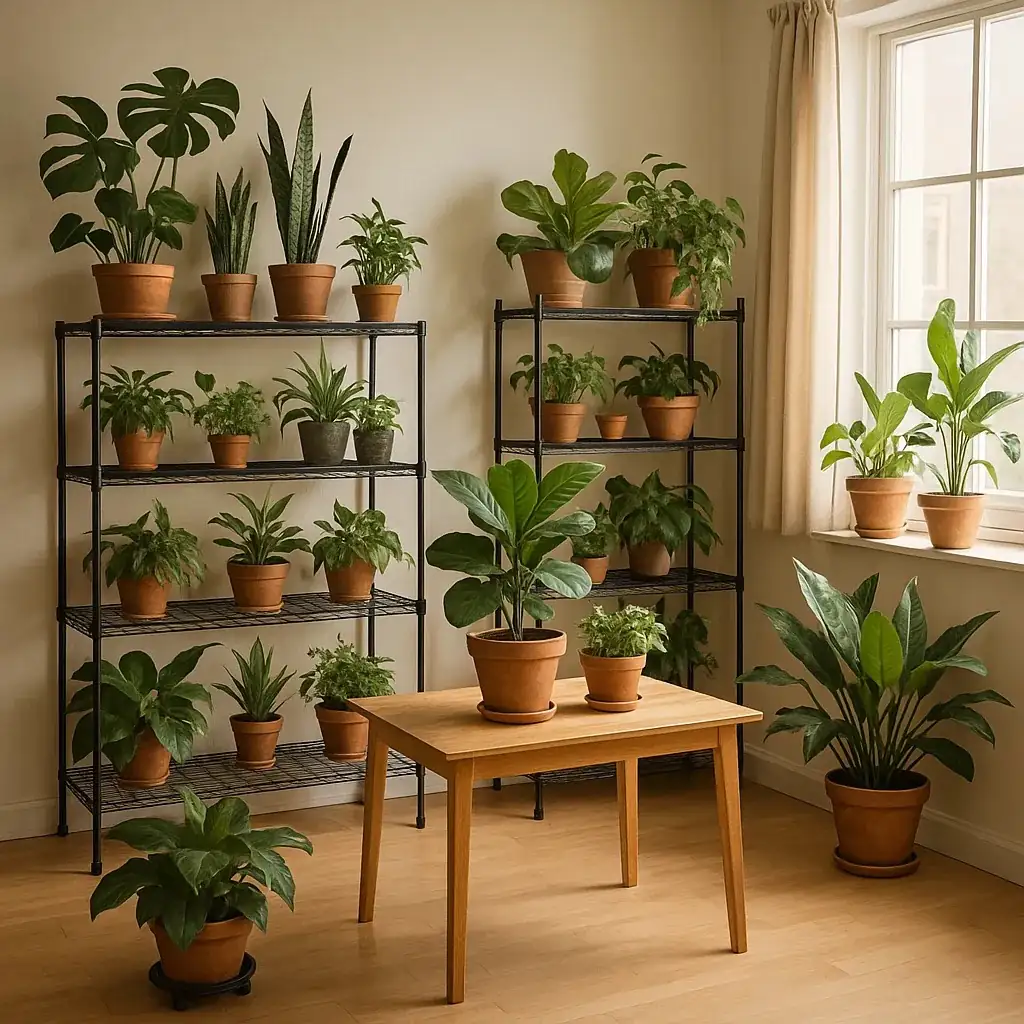
By understanding these common leaf issues and taking proactive steps, you can transform your indoor garden into a thriving, leafy paradise. Happy planting!