Discovering the Quirky Charms of Forsythia suspensa
When winter reluctantly loosens its icy grip and just before spring fully stretches its vibrant hues across the landscape, Forsythia suspensa, or Chinese Forsythia, makes its grand entrance with a golden flourish. Known by many names—Golden Bells, Weeping Forsythia, or simply Forsythia—this plant is like nature’s own highlighter pen, boldly announcing the arrival of spring with vibrant yellow blossoms that burst forth even before the leaves dare to appear.
The Snowy Alarm Clock of Spring
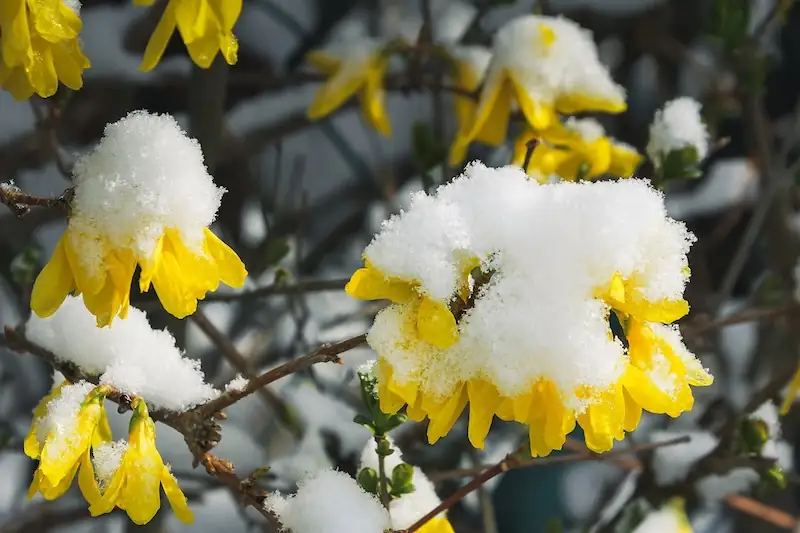
Imagine waking up to a morning where snow still blankets the ground. It’s a scene that whispers the promise of spring yet clings to winter’s chill. And then, out of nowhere, the bright yellow blooms of Forsythia appear, almost as if to say, “Wake up, world! Spring is here!” It’s no wonder this deciduous shrub is celebrated as a garden favorite.
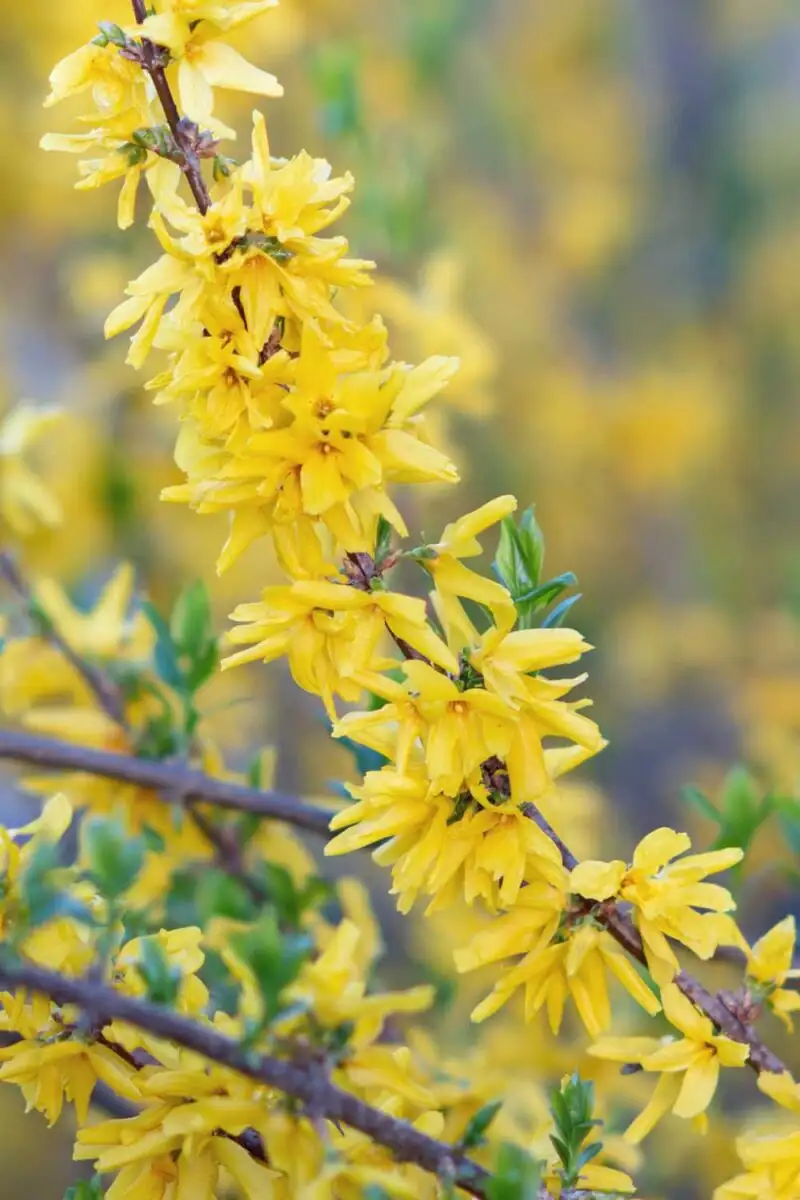
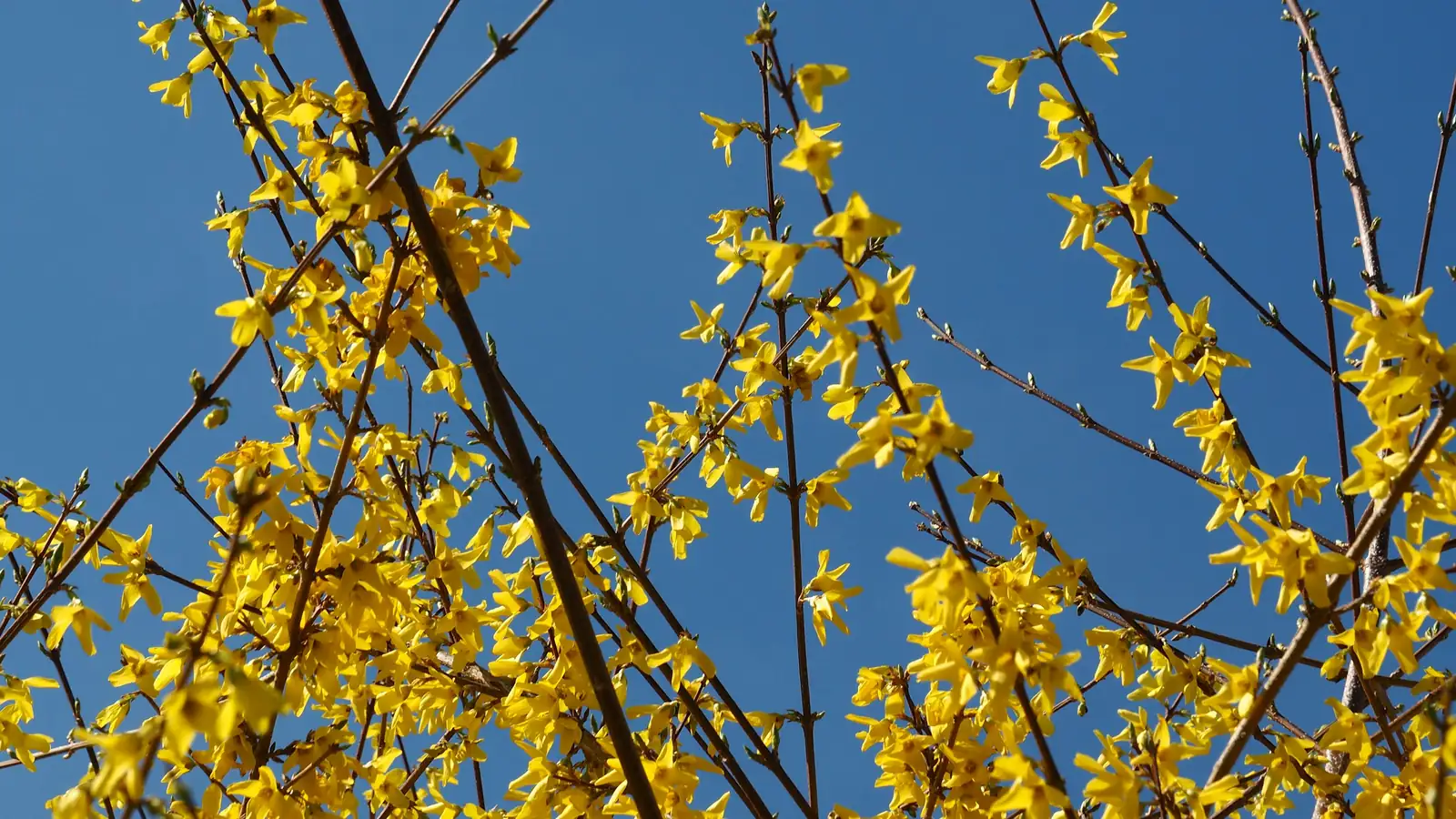
Forsythia’s flowers are like little golden trumpets, each about 1 to 2 cm long, clustered along the stems. These blossoms are among the earliest signs of spring, bravely opening in March or April, undeterred by the lingering cold. This fearless blooming makes Forsythia the unofficial herald of the season, a role it plays with gusto across gardens from China to the United States.
A Wanderer in the Garden
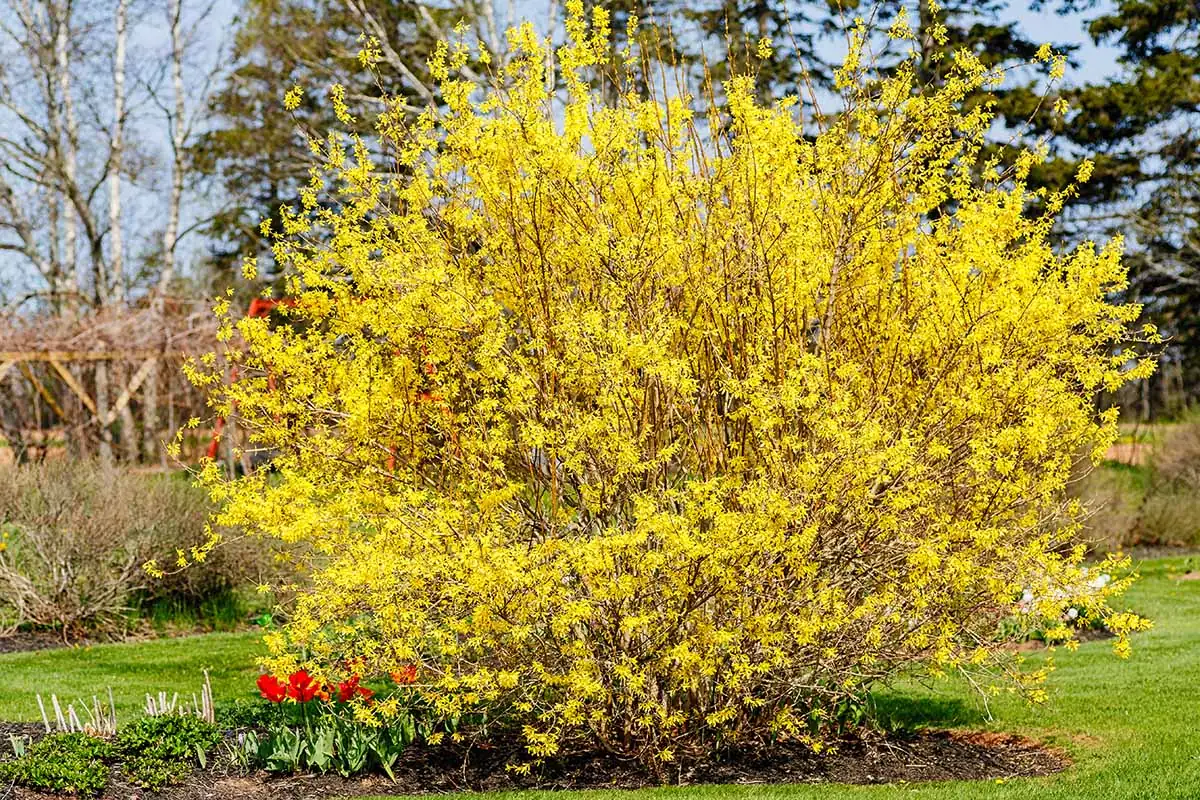
Forsythia is more than just a pretty face. It’s a plant with a knack for exploration—or at least the appearance of it. The shrub’s branches have a curious habit: whenever they touch the ground, they can root themselves and start new growth. This means Forsythia can slowly “wander” outward over the years, making it ideal for covering large areas or controlling erosion on slopes. Its vigorous, upright-to-arching growth habit, coupled with a robust root system, provides both beauty and utility.
A Plant with Cultural and Medicinal Roots
Named in honor of the Scottish botanist William Forsyth, Forsythia holds a special place not only in gardens but also in cultural traditions and folk medicine. In China, its fruit, known as 连翘 (lián qiào), has been used in Traditional Chinese Medicine for centuries, celebrated for its properties in clearing heat and supporting recovery from febrile conditions. This dual role as both ornamental and medicinal gives Forsythia a rich story, adding layers to its presence in any garden.
The Garden’s Easy-Going Companion
Forsythia might be vibrant and showy, but it’s delightfully low-maintenance, making it a darling for both seasoned gardeners and beginners. It thrives in a range of conditions, from full sun to partial shade, and isn’t fussy about soil types—as long as they drain well. Cold hardy across USDA Zones 5–8 (and even down to Zone 3 with some varieties), it laughs in the face of winter’s chill, needing only a little care to flourish.
If you’re looking for a plant that will make a statement with minimal effort, Forsythia is your answer. It grows quickly, sometimes adding up to 60 cm (24 inches) of new growth in a year, and requires little more than occasional pruning after it blooms to keep its shape and encourage new growth.
Fun Facts to Share
- Snow Bloomer: Forsythia often blooms while snow is still on the ground, acting as a floral alarm clock for spring.
- Hollow Stems: Its stems are characteristically hollow between nodes, a quirk that adds to its unique charm.
- Nectar-less Attraction: Despite offering little to no nectar, Forsythia’s brilliant blooms still attract early-season insects, proving that beauty can indeed draw a crowd.
A Symbol of Hope and Renewal
In the language of flowers (花语), Forsythia symbolizes hope, renewal, and the bright anticipation of spring. Its ability to bloom even amidst winter’s last breath is a reminder of resilience and the promise of new beginnings. For those who observe the changing seasons, Forsythia is a silent yet vibrant testament to the cyclical dance between dormancy and rebirth.
So, next time you spot those golden bells swaying in the breeze, let them remind you of the warmth and renewal that follows winter’s cold embrace. With Forsythia in your garden, every spring is greeted with a burst of optimism and a celebration of nature’s enduring spirit.