
Creating your dream balcony garden is a delightful way to bring a touch of nature into your urban lifestyle. However, finding the right planters involves more than just picking out a pretty pot. You need to consider both the durability and weight of your planter materials to ensure your oasis is both beautiful and safe. Let’s dive into some practical tips to help you make the best choice for your space.
Why Material Matters
The material of your balcony planters not only affects the aesthetics but also their performance under various environmental conditions. Here’s a quick rundown of popular materials:
- Terracotta: It’s classic and allows plants to breathe due to its porosity. However, it’s heavy and prone to breaking, especially in freezing conditions unless it’s frost-proof. In colder climates, these might not be the most durable option.
- Wood: Provides a natural look and can be customized to fit your balcony perfectly. But, untreated wood can deteriorate quickly if exposed to moisture. Choose treated wood or weather-resistant types like cedar for longer life, especially if you’re in a humid area.
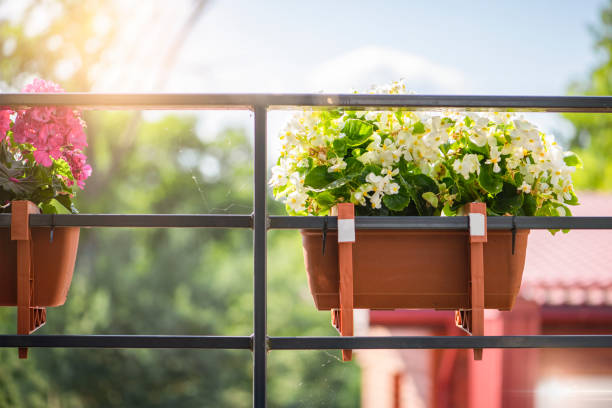
- Metal and Zinc: These are sturdy and give a modern, industrial vibe. They’re resistant to shocks and frost but can overheat plants if left in direct sunlight. It’s best to keep them in shaded areas.
- Plastic and Fiberglass: Lightweight and versatile, these materials are great for balconies that need to adhere to weight restrictions. Recycled plastic is especially beneficial for sunny spots as it prevents root overheating. Fiberglass is excellent for weight-restricted balconies but ensure they have UV-resistant coatings.
The Weight of the Matter
Weight is a critical factor when selecting balcony planters. Not only does the material itself have weight, but once you add soil, plants, and water, the total can significantly increase. Here’s what you need to consider:
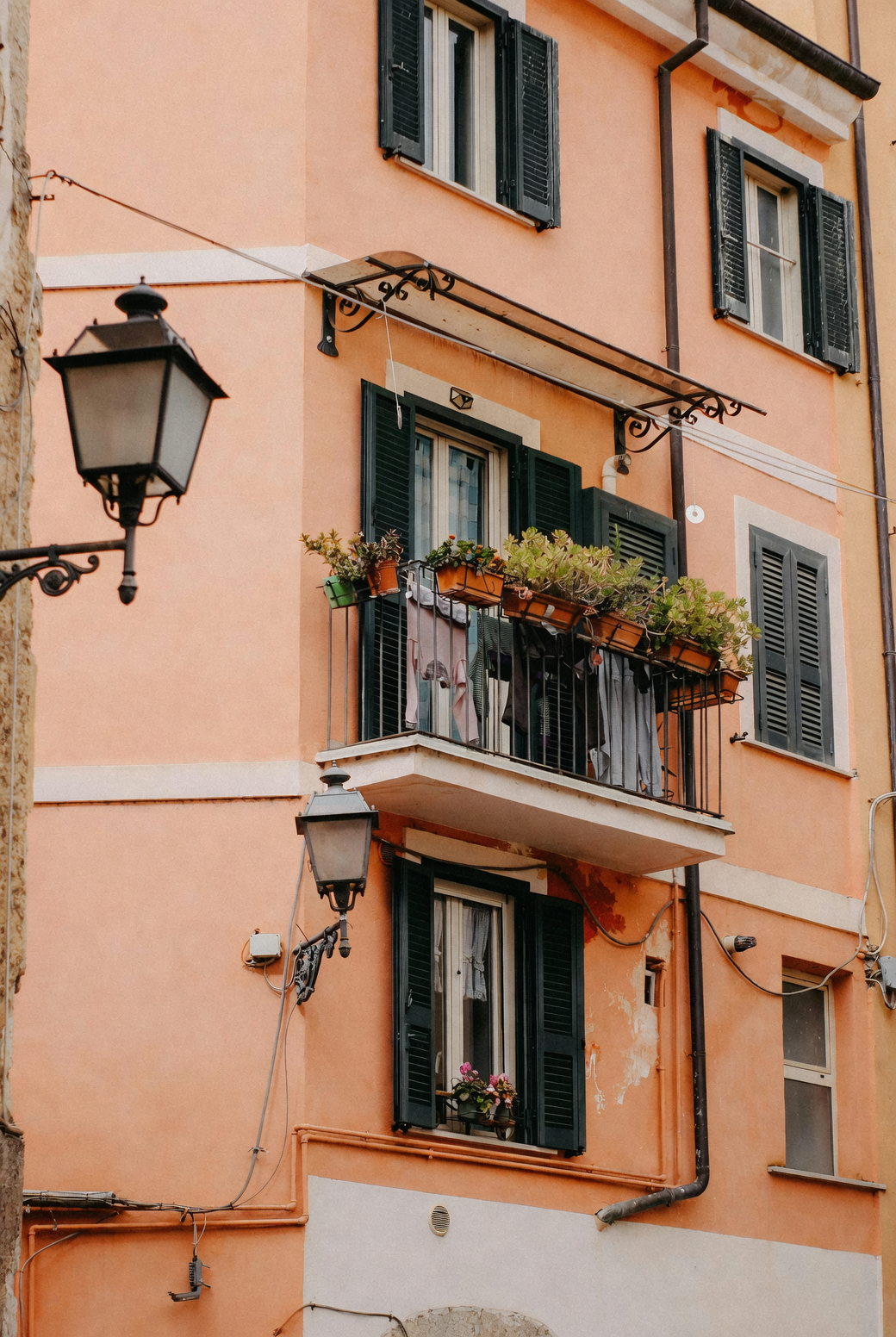
- Safety First: Always consult with a structural engineer if you’re unsure how much weight your balcony can support. Generally, balconies are rated for 50-100 pounds per square foot, but this can vary.
- Growing Weight: Remember, the weight of the planter increases as your plants grow and you water them. Ensure you can still move the planters if necessary.
- Seasonal Considerations: In areas with snow, remember that accumulated snow adds additional weight to your balcony. Plan accordingly by choosing lighter materials or reducing the number of containers in winter.
Practical Tips for Selecting Planters
- Measure Your Space: Use painter’s tape to mark potential spots for planters. This will help you visualize space usage and avoid overcrowding.
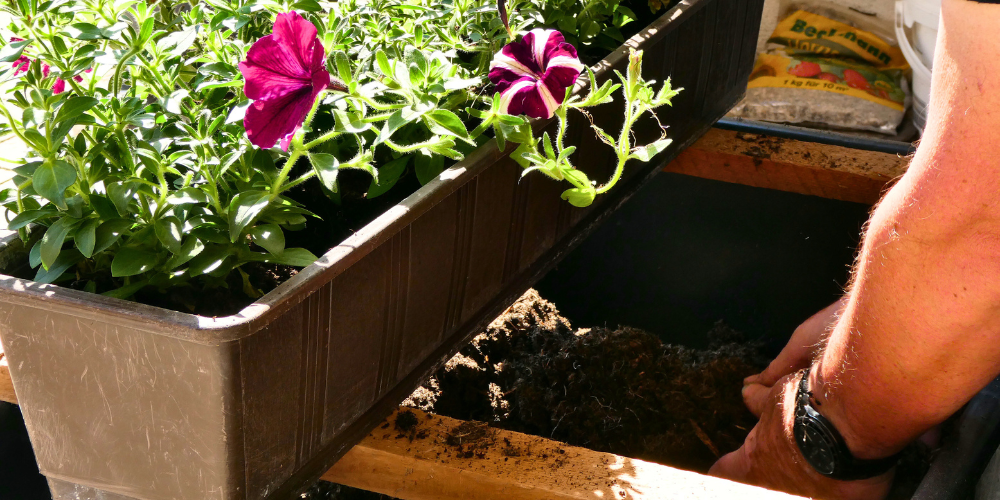
- Choose Based on Plant Needs: Different plants have different requirements. Shallow, wide planters work well for herbs, while deeper ones are necessary for root vegetables or larger shrubs.
- Ensure Proper Drainage: Adequate drainage prevents root rot. If your planters don’t have enough holes, drill extra ones to ensure your plants thrive.
- Match the Material to Your Climate: Consider the local weather when choosing materials. For hot, sunny balconies, opt for light-colored recycled plastic or UV-resistant fiberglass. In colder areas, look for frost-proof options.
- Plan for the Future: If you plan to move your planters around seasonally, opt for materials that won’t deteriorate with frequent handling, like fiberglass or lightweight plastics.
By carefully considering the materials and weight of your balcony planters, you can create a vibrant, beautiful, and safe garden to enjoy throughout the year. Happy gardening!