Meet Anthurium andraeanum: The Spectacular Flamingo Flower
Imagine walking into a room and being greeted by a plant so striking, it seems to whisper tales from the heart of the rainforest. Anthurium andraeanum, commonly known as the Flamingo Flower or Tailflower, is one such botanical marvel. Its flamboyant, waxy spathes and lush, glossy leaves make it a perennial favorite for plant enthusiasts. But what makes this plant truly remarkable? Let’s dive into the captivating world of the Flamingo Flower and uncover its unique traits and fun facts.
The Waxy Wonder: Spathes and Spadices
At first glance, you might think the Flamingo Flower is adorned with vividly colored blooms. However, these “flowers” are actually spathes—a type of modified leaf—and they come in a rainbow of hues including red, pink, white, and even bicolors. These spathes elegantly wrap around the spadix, a finger-like structure dotted with tiny true flowers. It’s a design so artful that it resembles a painter’s palette, reflecting its alias “Painter’s Palette.”
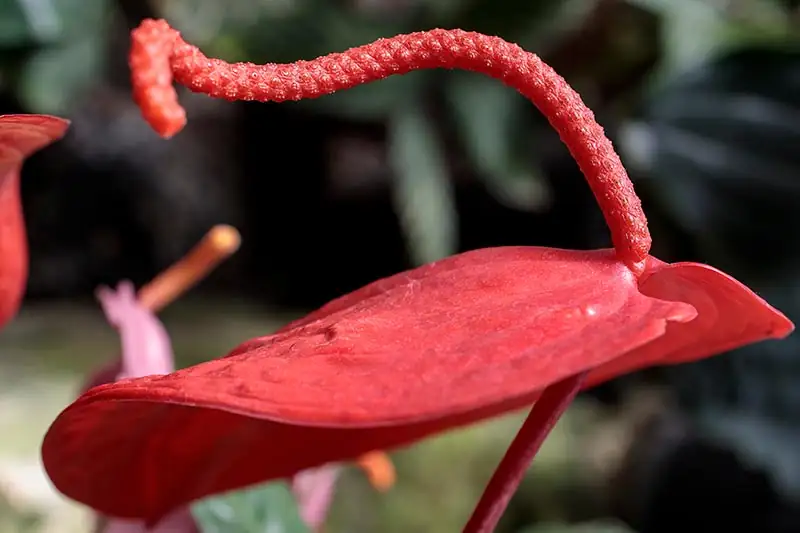
The spathe’s glossy, waxy texture gives it an almost sculptural quality, making the plant a chic addition to modern interiors. These vibrant displays can last for months, often up to a staggering three months indoors, making them not only a visual delight but also a long-lasting one.
Tropical Roots: Origin and Growth Habits
Hailing from the lush, tropical regions of Colombia and Ecuador, Anthurium andraeanum thrives in environments that mimic its native habitat. In the wild, many Anthurium species are epiphytes, meaning they grow on other plants or in rocky crevices, enjoying an airy root environment. This epiphytic nature explains why these plants fare well in airy, well-draining soil mixes at home.
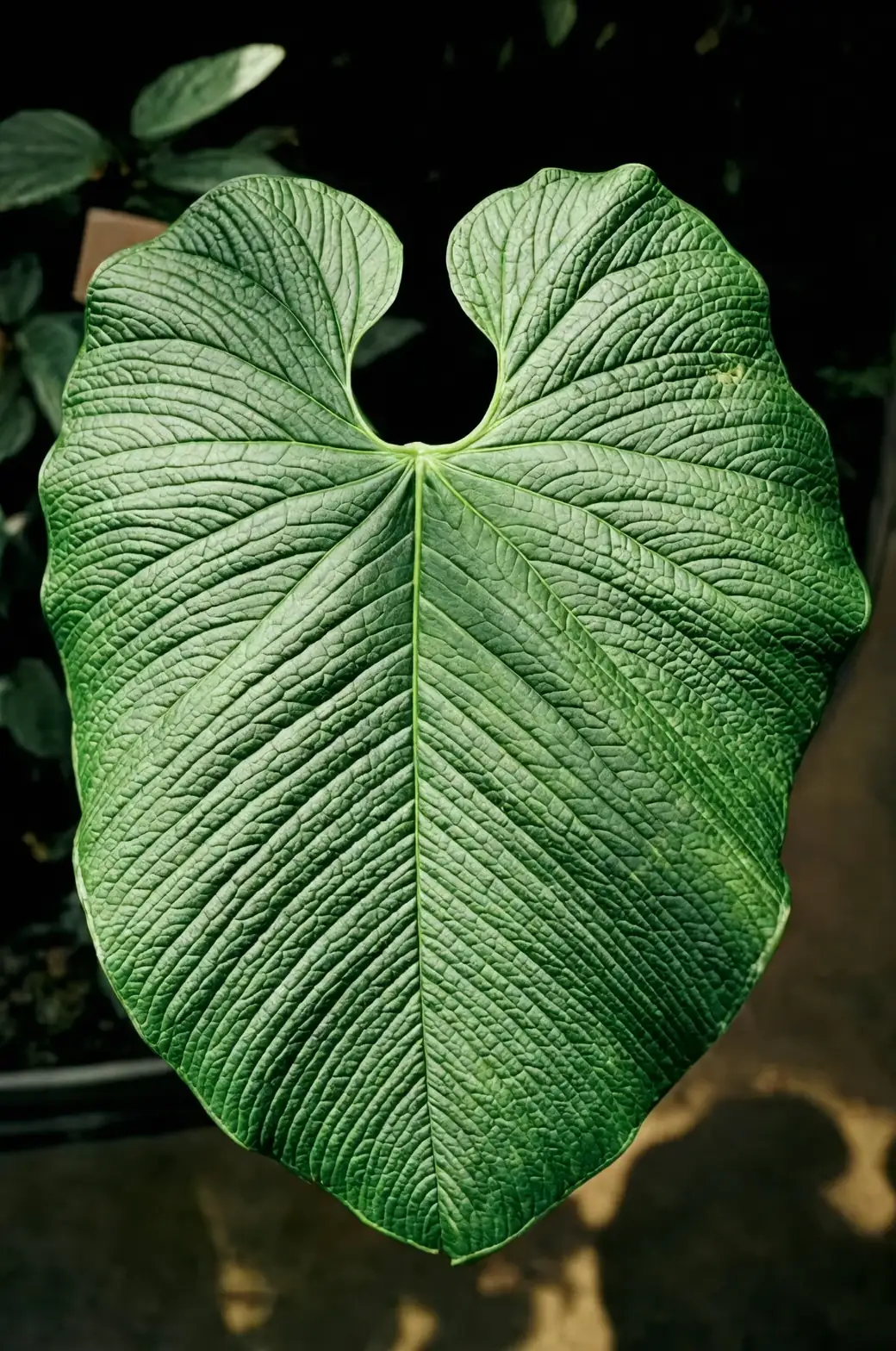
Indoors, they grow as clump-forming perennials with a knack for thriving in filtered, indirect light. They prefer warm, humid conditions, which is why a bright bathroom or a well-lit living room can be the perfect spot for these exotic beauties.
Care Tips: Keeping Your Flamingo Flower Fabulous
Keeping an Anthurium andraeanum happy isn’t rocket science, but it does require some attention to detail:
- Light and Temperature: Bright, indirect light is key. Think of it as the Goldilocks zone—not too harsh, yet not too dim. Keep temperatures steady between 18–30°C (65–86°F) for optimal growth.
- Water and Humidity: Water when the top inch of the soil feels dry, ensuring the roots remain moist but never soggy. High humidity is a boon, so consider a pebble tray or humidifier.
- Feeding: During the growing season, use a balanced fertilizer to support its blooming ambitions.

Fun Facts to Impress Your Friends
- Symbol of Hospitality: With its heart-shaped spathe, the Flamingo Flower is often gifted as a symbol of warmth and hospitality—a fitting gesture for a plant that brings months of colorful cheer.
- A Greek Tale: The name “Anthurium” derives from Greek, meaning “tail flower,” referencing the spadix’s unique shape.
- A Botanical Giant: Anthurium is the largest genus in the Araceae family, boasting over 1,000 species, each with its own charm.
A Word of Caution
While Anthurium andraeanum is a feast for the eyes, it’s best kept out of reach of curious pets and children. The plant contains insoluble calcium oxalate crystals, which can irritate the mouth and throat if ingested. It’s also wise to handle it with gloves if you’re prone to skin sensitivity.
Whether you’re looking to add a splash of tropical elegance to your home or seeking a plant that sparks conversation, the Flamingo Flower is a splendid choice. Its blend of beauty and resilience, along with its fascinating backstory, makes it a true standout in the plant world. So why not invite this exotic guest into your home and let it weave its tropical tales?