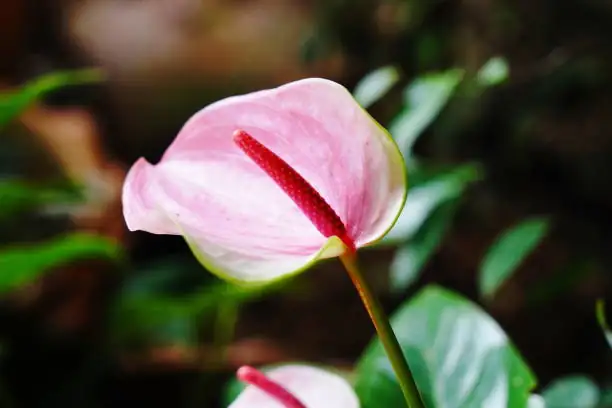
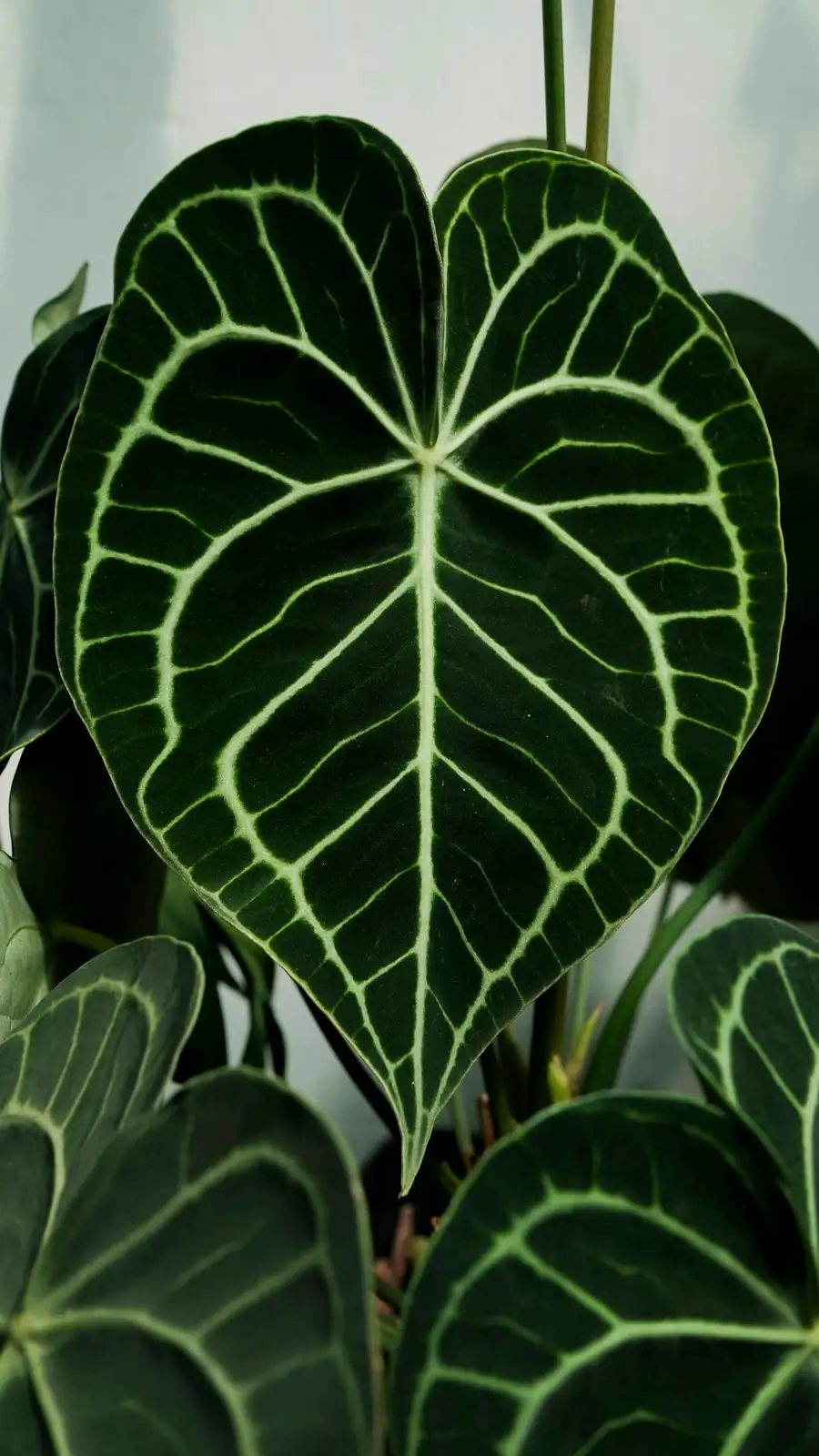
The Flamingo Flower, or Anthurium andraeanum, is a stunning tropical plant that can effortlessly transform any indoor space into a vibrant oasis. With its glossy, deep-green leaves and waxy, heart-shaped spathes, this plant is not only a favorite among houseplant enthusiasts but also a staple in the cut-flower industry. However, like any star, it has its challenges—particularly when it comes to pests and diseases. But fear not! If your Anthurium has hit a rough patch, this guide will walk you through identifying and combating common issues to restore your plant to its full glory.
Common Pests and How to Tackle Them
Spider Mites and Mealybugs: Tiny Troublemakers
Anthuriums, with their lush foliage, can become an attractive home for spider mites and mealybugs. These tiny pests can cause your plant’s leaves to develop unsightly spots or even drop prematurely.
- Spider Mites: Look for fine webbing and stippled or yellowing leaves. These pests thrive in dry conditions, so increase humidity around your plant. Wipe leaves with a damp cloth and consider an insecticidal soap or neem oil for stubborn cases.
- Mealybugs: These pests appear as cottony masses on leaves and stems. Remove them with a cotton swab dipped in alcohol, and follow up with neem oil treatments if necessary.
Scale Insects: The Clingers
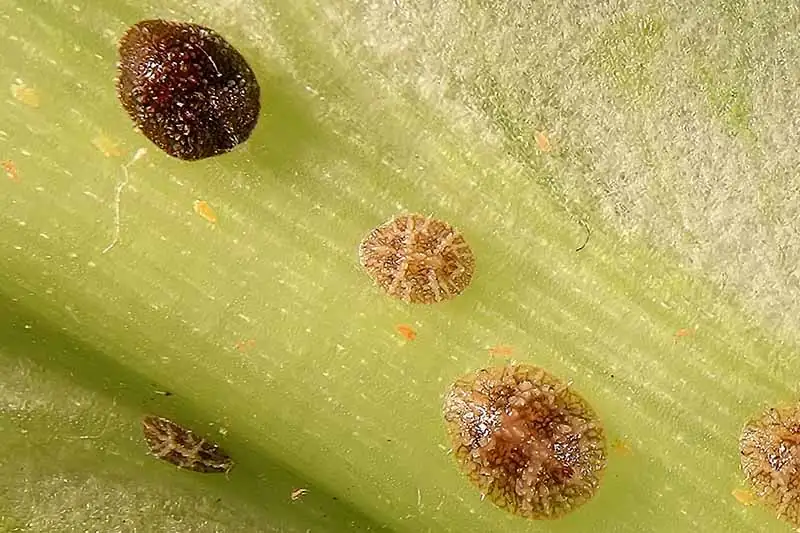
Scale insects are another common issue, appearing as small, brown bumps on leaves and stems. They can be more challenging to remove, often requiring persistence.
- Solution: Use an organic pesticide specifically for scale insects, and ensure thorough treatment by following package directions. Regularly check your plant to prevent re-infestation and maintain humidity, as moist environments deter these pests.
Diseases: Prevention and Cure
Root Rot: The Silent Saboteur
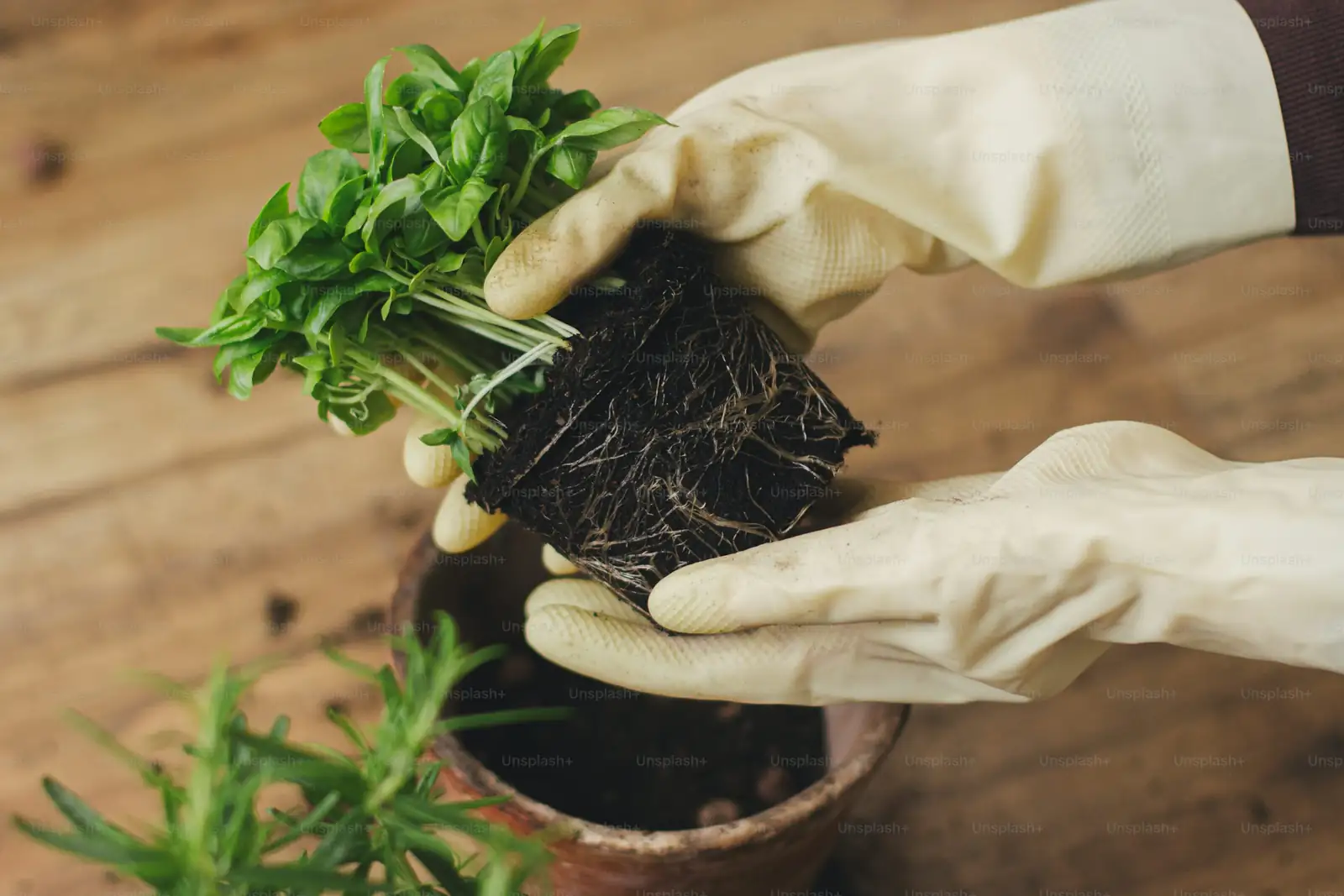
Root rot is a prevalent issue stemming from overwatering and poor drainage. If your Anthurium’s roots look brown and mushy instead of white and firm, it’s time to act.
- Prevention and Treatment: Ensure your plant is in well-draining soil, like an aroid mix, and only water when the top inch of soil feels dry. If rot is present, repot your plant, removing any decayed roots, and use fresh soil.
Bacterial Blight: More Than Just Spots
Bacterial blight, often caused by Xanthomonas, presents as water-soaked spots on leaves with a yellow halo. This disease can spread rapidly, so early intervention is crucial.
- Control Measures: Remove affected leaves immediately and improve air circulation around your plant. Use a liquid copper fungicide as a preventative measure. Sterilize tools to prevent further spread.
Fungal Rots: A Persistent Problem
Fungal infections like Phytophthora and Rhizoctonia can cause stem or root rot. Symptoms include wilting, yellowing, and mushy stems.
- Solution: Focus on prevention by avoiding overhead watering and ensuring good drainage. Infected plants should be isolated and treated with a fungicide if necessary.
Ensuring a Healthy Anthurium: Care Tips
- Light and Temperature: Aim for bright, indirect light and maintain temperatures between 18–30°C (65–86°F). Avoid direct sunlight, which can scorch leaves, and protect from cold drafts.
- Humidity: Anthuriums love humidity, so aim for 60% or higher. A pebble tray or humidifier can help, but ensure leaves dry before nightfall to prevent fungal issues.
- Watering and Soil: Water when the top 2–3 cm of soil is dry, and ensure your potting mix is airy and well-draining. Let excess water drain to prevent root rot.
Conclusion
The Anthurium andraeanum is a resilient plant that, with the right care, can thrive and bring joy with its vibrant blooms. By understanding and addressing its common pests and diseases, you can ensure that your Flamingo Flower remains a bold, colorful centerpiece in your home. Remember, the key to a flourishing Anthurium is a combination of attentive care and prompt action at the first sign of trouble. With these tips, you’ll be well-equipped to keep your plant healthy and happy!