How to Keep Your Dahlia × pinnata Pest-Free and Flourishing
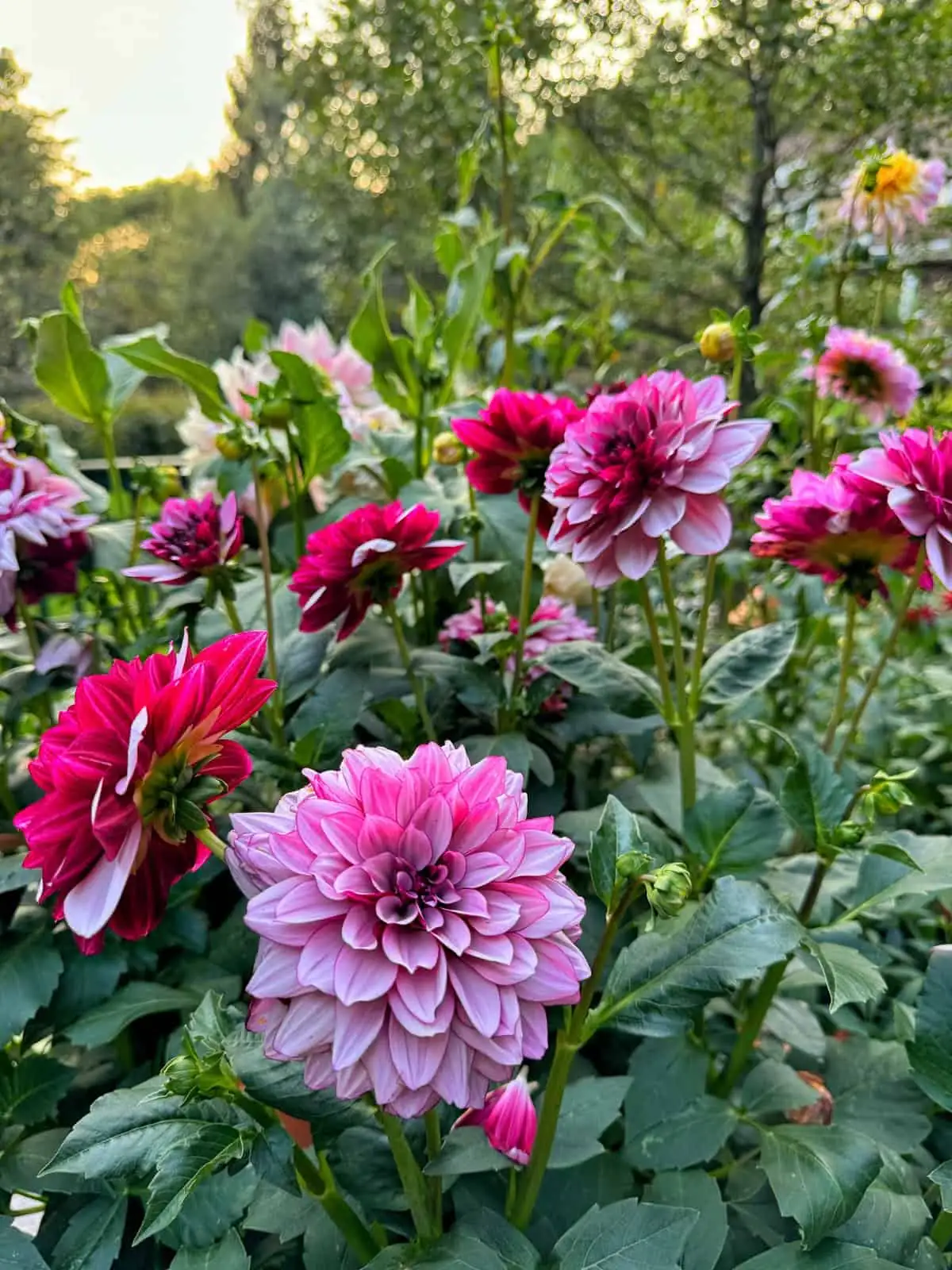
Imagine a garden bursting with vibrant colors from the bold and beautiful blooms of Dahlia × pinnata. These captivating plants, also known as Garden Dahlias, bring a touch of Mexican sunshine to gardens around the world, with their dazzling array of colors and forms. But as with any prized possession, they require a bit of care and attention to stay at their best. Let’s explore how to identify common pests and diseases that can affect your dahlias and how to tackle them effectively.
Identifying Common Dahlia Pests
Dahlias are like the party hosts of the plant world—everyone wants a piece of them, including a host of unwelcome guests like aphids, thrips, and spider mites. These tiny pests may be hard to spot at first, but their impact can be devastating if not addressed quickly.
Aphids
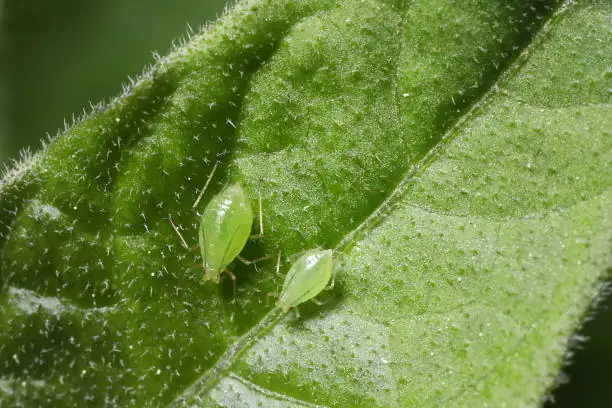
These small, soft-bodied insects suck the sap from dahlia stems and leaves, often leaving behind a sticky residue known as honeydew. If you notice ants marching around your plants, they might be there for the honeydew buffet.
Solution: A gentle wash with water or an application of insecticidal soap can help control aphid populations. Consider introducing beneficial insects like ladybugs, which are natural predators of aphids.
Thrips
Thrips are tiny, slender insects that can cause silver streaks on leaves and distort young buds. They thrive in hot and dry conditions, which can be common in mid-summer.
Solution: Increase the humidity around your dahlias and encourage their natural enemies, such as predatory mites. You can also use neem oil or insecticidal soap as a preventive measure.
Spider Mites
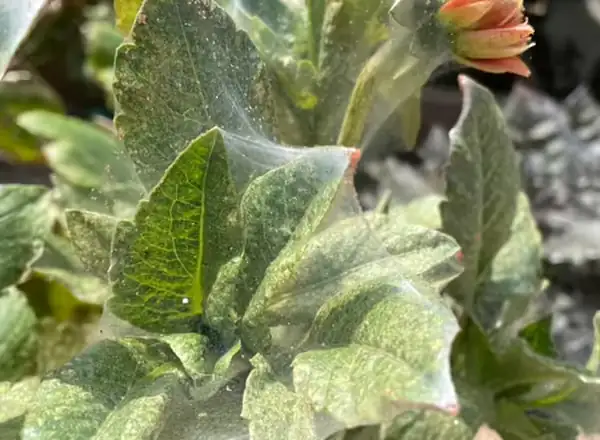
These minuscule pests often thrive in dusty and dry environments, sucking the life from your dahlias and leaving behind fine webbing.
Solution: Regularly misting your plants and encouraging airflow can help deter spider mites. If they do appear, a strong spray of water or horticultural oil can knock them back.
Slugs and Snails
These slimy creatures are particularly fond of tender young shoots and leaves, often leaving ragged holes in their wake. They are most active during spring and early summer.
Solution: Lay down barriers like crushed eggshells or copper tape around your plants. Hand-picking at dusk or using bait can also help control their numbers.
Spotting and Treating Common Diseases
Just like any celebrity, dahlias are susceptible to a few scandals in the form of diseases. Keeping an eye on them helps catch any issues before they become full-blown dramas.
Powdery Mildew
This fungal disease manifests as a white, powdery coating on leaves and stems, particularly during humid conditions.
Solution: Improve airflow by spacing plants appropriately and watering at the soil level to avoid wetting the foliage. Apply fungicides as a last resort, ensuring you follow the label directions carefully.
Botrytis (Flower Rot)
Botrytis can cause flowers to rot and turn brown, particularly in damp weather.
Solution: Remove affected blooms promptly and ensure good air circulation. Avoid overhead watering and apply a suitable fungicide if necessary.
Leaf Spot
Leaf spot diseases cause brown or black spots on leaves, often leading to premature leaf drop.
Solution: Remove and destroy affected foliage and improve ventilation. Regularly inspect your plants and apply fungicides if the problem persists.
Preventive Measures for a Flourishing Dahlia Garden
The best defense is a good offense. Keeping your dahlias robust and healthy is the key to reducing pest and disease problems.
- Sunlight and Airflow: Ensure your dahlias receive 6–8 hours of sunlight daily and have adequate spacing for airflow.
- Watering Wisely: Water deeply but infrequently, allowing the soil to dry slightly between waterings to prevent root rot.
- Fertilization: Use a low-nitrogen fertilizer to encourage blooms without promoting excessive leafy growth.
- Regular Inspections: Keep a keen eye on your plants and act swiftly at the first sign of trouble.
Flower Language and Symbolism
Dahlias are not just a feast for the eyes but also carry a rich symbolism. They have been associated with elegance, inner strength, and a touch of creativity. Each color tells its own story—red symbolizes passion, pink evokes tenderness, and purple embodies dignity and admiration. The flower’s association with prosperity and good fortune also makes it a popular choice in decorative traditions.
Conclusion
By understanding and managing the common pests and diseases that affect Dahlia × pinnata, you can ensure your garden remains a riot of color and vitality from summer through autumn. With a bit of vigilance and care, your dahlias will not only survive but thrive, offering a spectacular display that echoes the vibrant landscapes of their native Mexico and Guatemala. So, arm yourself with knowledge and a few simple tools, and let your dahlias take center stage in your garden show!