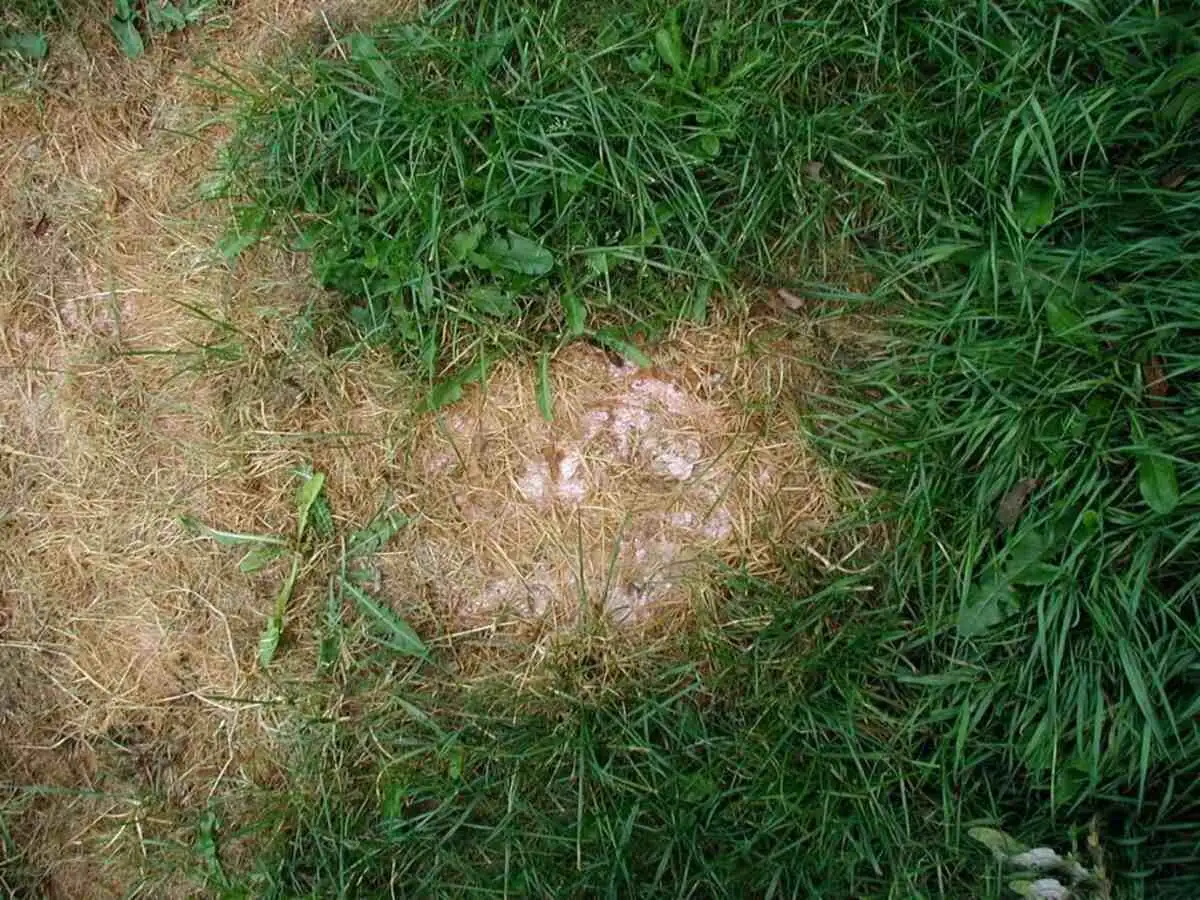
Oops! Did you get a little too enthusiastic with the fertilizer? Don’t worry, we’ve all been there. Over-fertilization can be a common mishap, but the good news is that it’s often reversible with some quick action and a little patience. If your plants are looking a bit under the weather, here’s how you can nurse them back to health.
Spotting the Signs of Over-Fertilization
Before diving into solutions, it’s important to recognize the tell-tale signs that your plant has had a nutrient overload. Here are a few symptoms to watch out for:
- Crusty Soil: A white crust on the soil surface is a clear indicator that excess minerals are not being absorbed.
- Yellowing Leaves: Especially the lower ones might start turning yellow or wilting.
- Browning Tips: The edges of leaves may become brown or scorched.
- Stunted Growth: Your plant might stop growing or slow down considerably.
- Defoliation: If leaves are dropping like flies, your plant could be in distress.
First Aid for Over-Fertilized Plants
Now that you’ve identified the problem, let’s get your plant back on track. Here’s a step-by-step guide to emergency rescue:
1. Remove Excess Fertilizer
Start by gently scraping off any visible fertilizer granules or crust from the soil surface. Be careful not to harm the plant’s delicate roots while doing this.
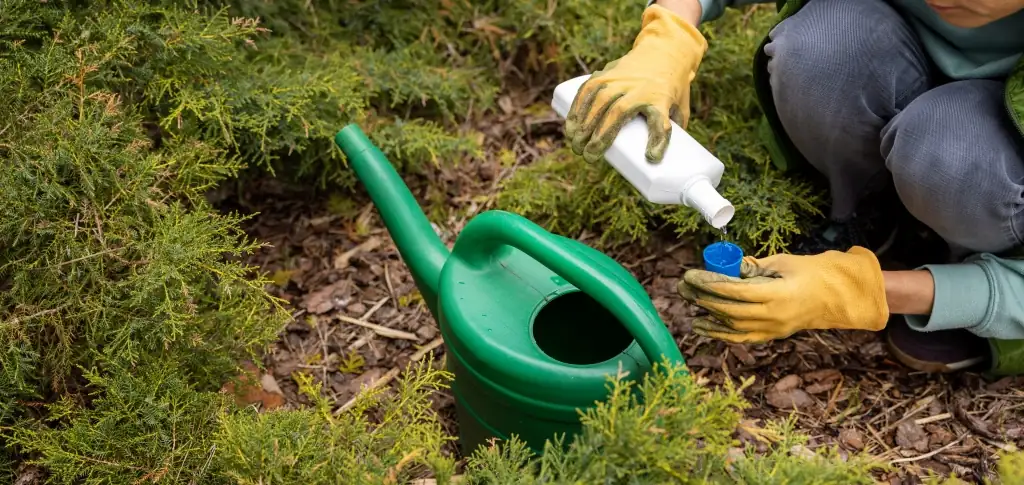
2. Flush the Soil Thoroughly
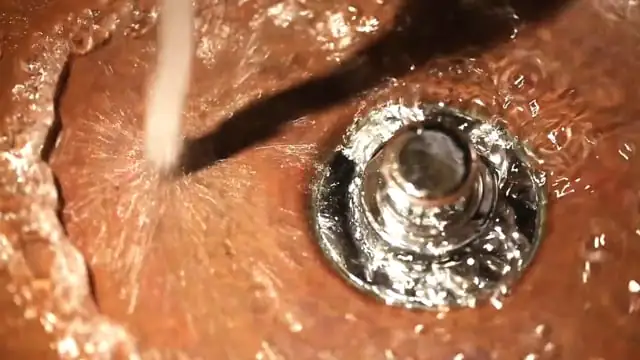
This is the most crucial step! Properly flushing the soil can help wash away excess salts and nutrients. Place your plant in a sink, bathtub, or outdoors, and water it generously. Allow the water to flow through the soil and out of the drainage holes. You may need to repeat this process three to four times to ensure all excess fertilizer is removed.
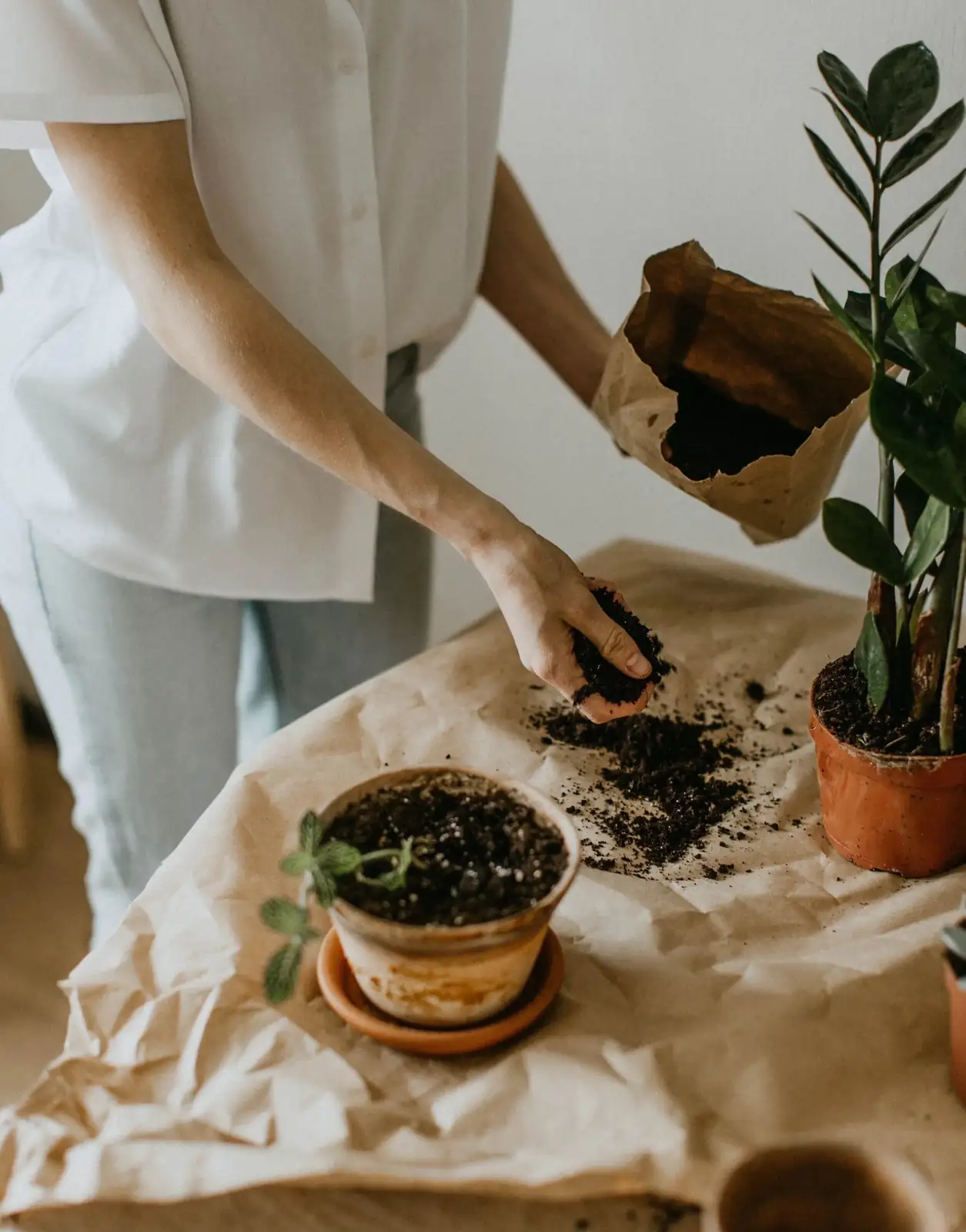
3. Repot if Necessary
If you’re dealing with a potted plant and the flushing doesn’t seem to do the trick, consider repotting it into fresh soil. This can give your plant a clean slate to recover without the excess nutrients lingering around.
4. Trim Damaged Foliage
Use clean scissors to cut off any leaves that are scorched or badly damaged. This helps the plant focus its energy on new growth rather than trying to save unhealthy leaves.
Aftercare: Helping Your Plant Bounce Back
Once you’ve completed your emergency measures, here’s how to support your plant through recovery:
- Hold Off on Fertilizing: Give your plant some time to recuperate. Avoid fertilizing for at least a month to prevent further stress.
- Ensure Proper Light and Water: Make sure your plant is getting adequate sunlight and maintain a consistent watering routine.
- Monitor Your Plant: Keep an eye out for new growth or persistent issues. Adjust your care routine as necessary based on how your plant responds.
Preventing Future Mishaps
To avoid over-fertilizing in the future, remember that less is often more when it comes to plant nutrients. Here are some quick tips:
- Read Labels Carefully: Follow the recommended fertilizer amounts and frequency.
- Use Diluted Solutions: When in doubt, use a weaker solution to avoid overwhelming your plant.
- Keep a Fertilizer Schedule: Track when you last fertilized to prevent accidental double-dosing.
By keeping these preventative steps in mind, you can help ensure your plants flourish without the risk of over-fertilization. Happy gardening!