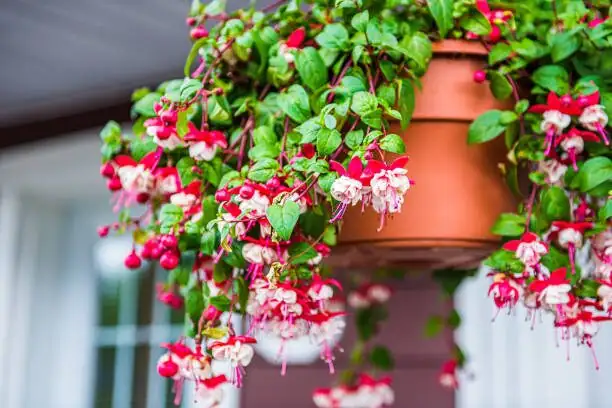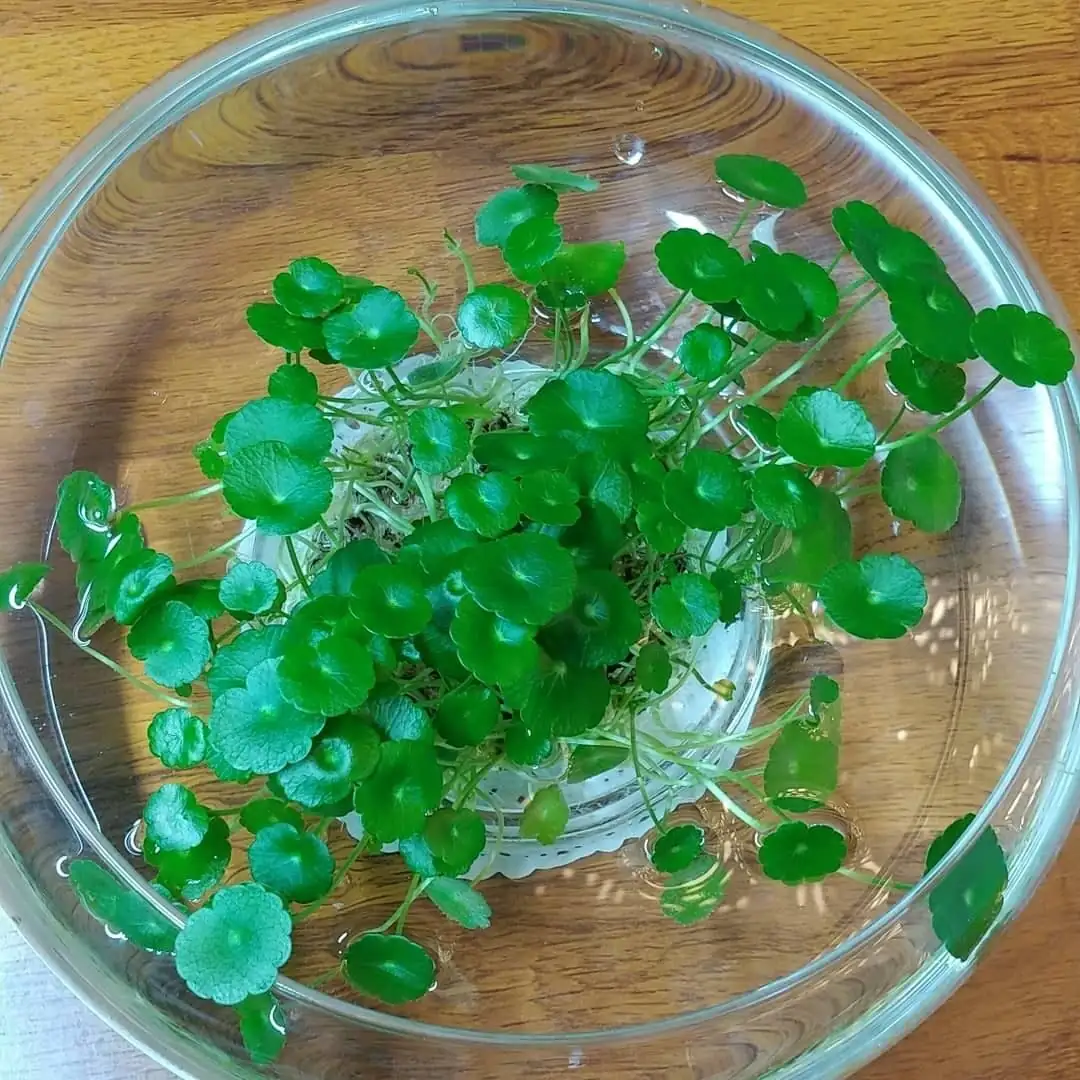
Understanding how seasonal changes affect plant fertilization frequency is crucial for anyone looking to maintain a vibrant garden or lawn. Just like humans adapt their clothing and activities according to the seasons, plants require different care and nutrient levels as the year progresses. Let’s dig into how you can adjust your fertilization practices throughout the seasons to keep your plants thriving.
Spring: Time to Wake Up and Grow
As the temperature rises and daylight hours increase, plants emerge from their winter dormancy. This period is characterized by rapid growth, making it an ideal time to kickstart your fertilization routine. Spring fertilization focuses on supplying nitrogen, which supports leaf and stem development.
- When to Fertilize: Begin as soon as the soil is workable, typically from early to mid-spring.
- What to Use: Opt for a balanced fertilizer with a higher nitrogen content.
- Watch Out For: Avoid over-fertilizing, as too much nitrogen can lead to excessive foliage growth at the expense of root development.
Summer: Maintaining the Momentum
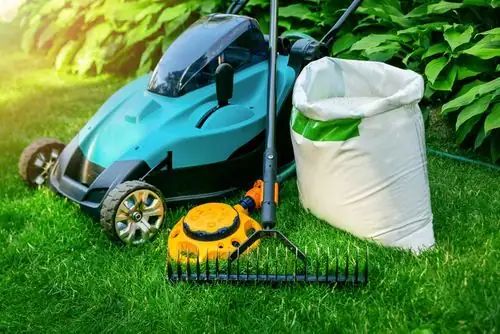
Summer is about sustaining growth and preparing plants for the stress of hot weather. This season requires a balanced approach to maintain vigor without pushing plants into overdrive.
- When to Fertilize: Apply a second round of fertilizer in early summer.
- What to Use: Use a balanced fertilizer with equal parts nitrogen, phosphorus, and potassium.
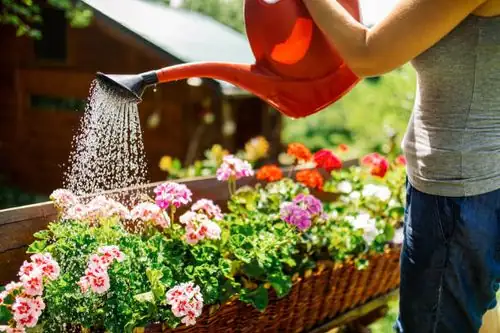
- Watch Out For: High temperatures can lead to nutrient burn if fertilizers are over-applied. Water thoroughly after fertilizing to prevent this.
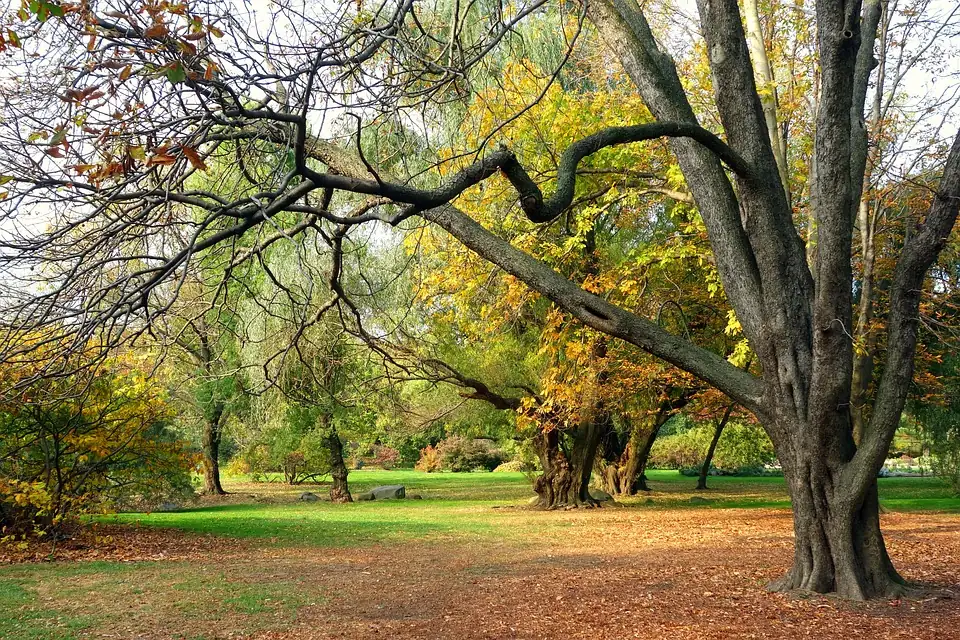
Fall: Strengthen and Prepare for Rest
As the growing season winds down, plants begin to prepare for dormancy. Fall fertilization is about strengthening roots and enhancing resilience against winter stresses.
- When to Fertilize: Apply fertilizers in early to mid-fall.
- What to Use: Choose a fertilizer high in phosphorus and potassium, which supports root growth and disease resistance.
- Watch Out For: Avoid high-nitrogen fertilizers, as they can encourage late-season growth susceptible to frost damage.
Winter: Rest, but Don’t Forget
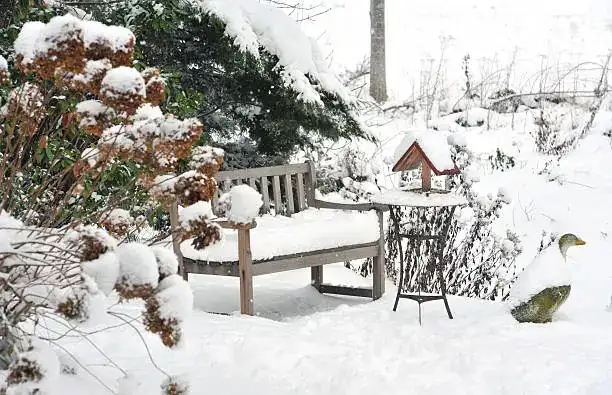
Most plants rest during winter, reducing their need for additional nutrients. However, planning for the upcoming growing season is essential.
- When to Fertilize: Fertilization is generally unnecessary during peak winter months.
- What to Use: Consider using a slow-release fertilizer in late winter to prepare for early spring growth.
- Watch Out For: Avoid applying fertilizers on frozen ground, as this can lead to nutrient runoff and environmental damage.
Common Mistakes and How to Avoid Them
- Ignoring Local Climate: Tailor your fertilization schedule to your local climate and plant types. What works in one region may not be suitable for another.
- Using One-Size-Fits-All Fertilizers: Different plants have distinct nutrient needs. A tailored approach ensures each plant thrives.
- Over-Fertilizing: More isn’t always better. Excess nutrients can harm plants and the environment. Always follow the recommended guidelines on fertilizer labels.
By understanding and adapting to seasonal changes, you can ensure your plants receive the right nutrients at the right time, promoting healthy growth year-round. Happy gardening!