Transform Your Garden with Hemerocallis fulva: The Versatile Daylily
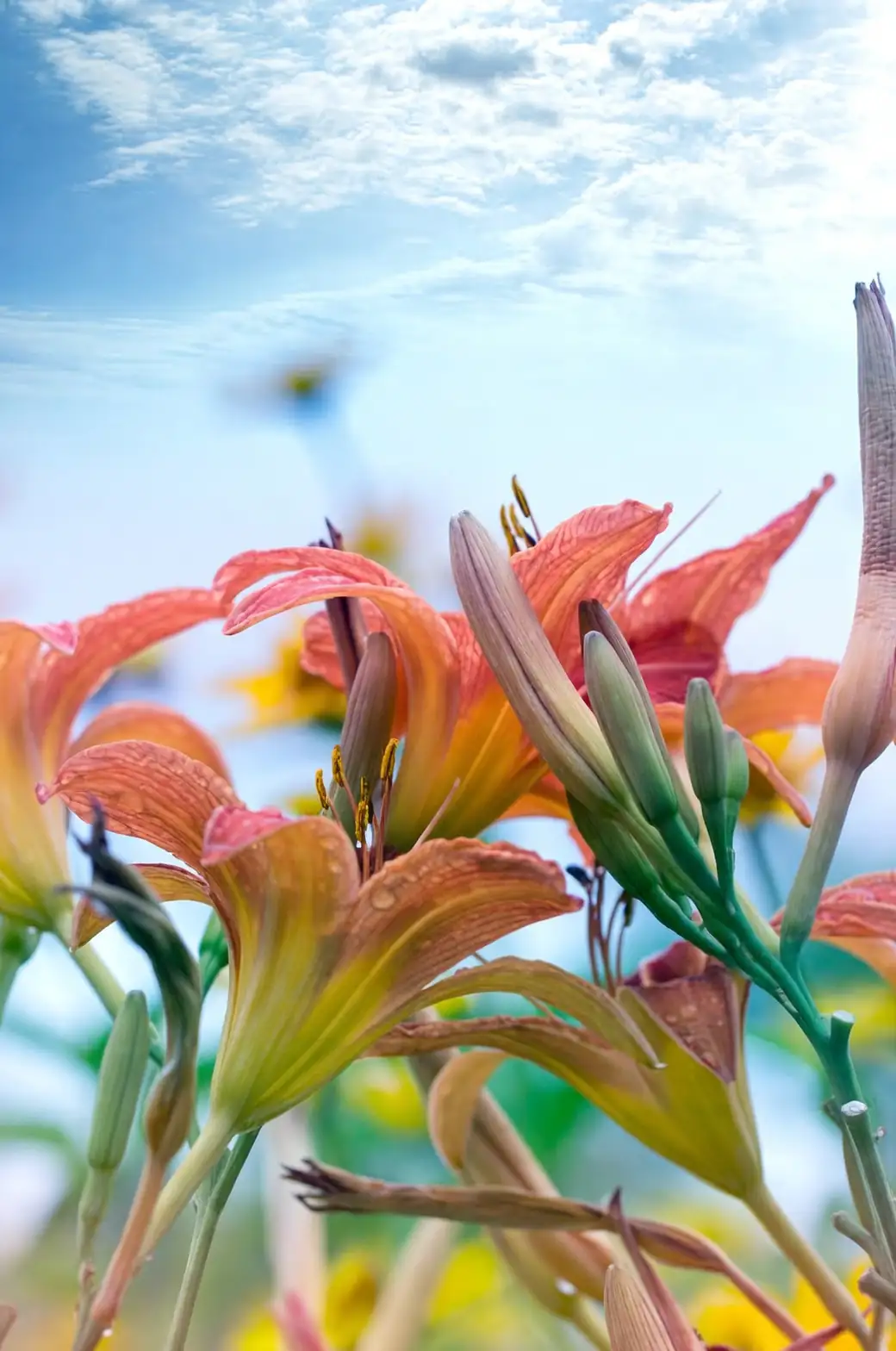
Imagine a garden bursting with vibrant colors, each bloom a delicate masterpiece that lasts but a day, only to be replaced by another, and another, as if nature herself is painting a new canvas daily. Welcome to the enchanting world of Hemerocallis fulva, commonly known as the daylily. These resilient perennials are not just a gardener’s delight due to their ease of care but are also a designer’s dream for their versatility and dazzling color range.
A Palette of Possibilities
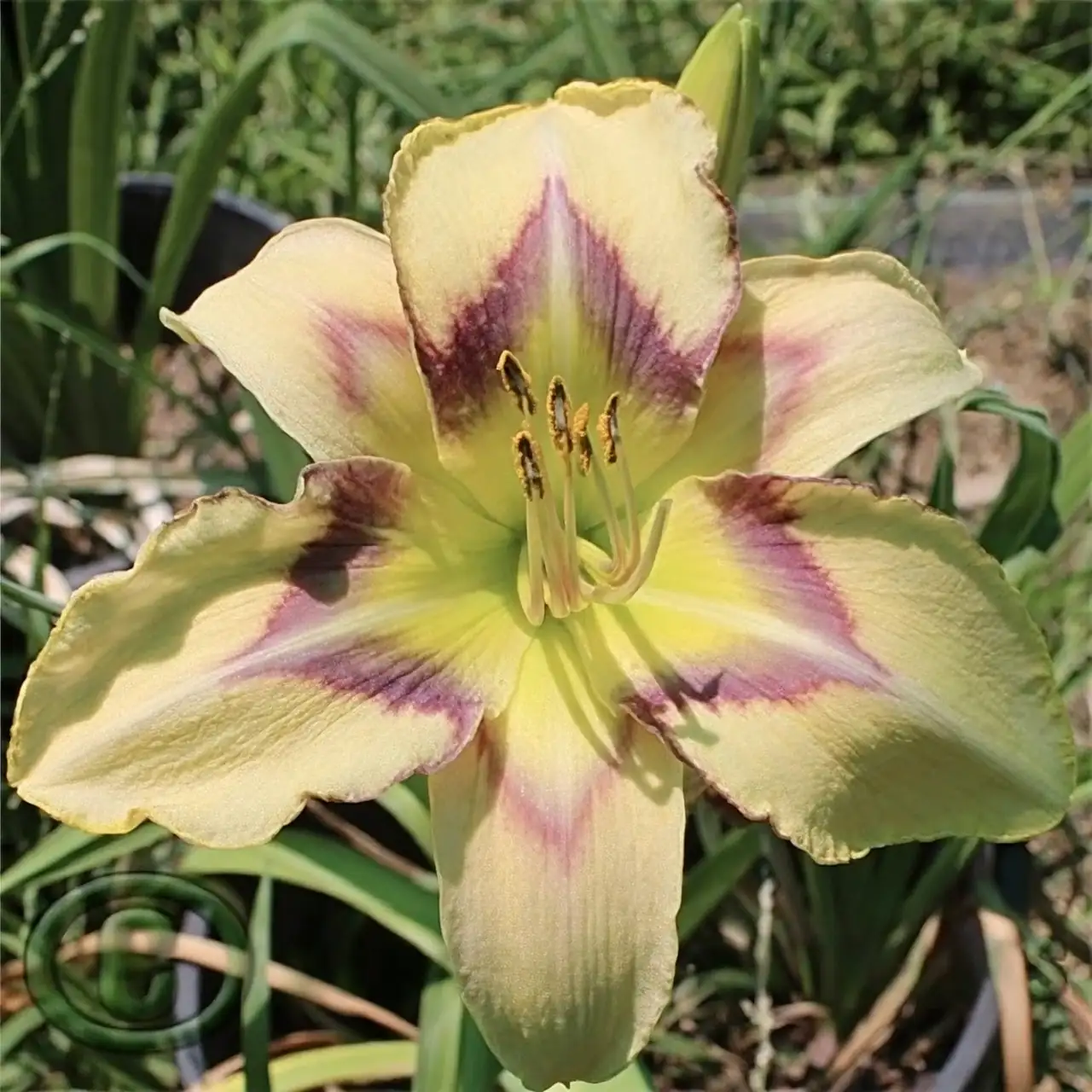
Daylilies are like the chameleons of the plant world, offering a spectrum of colors that can harmonize or contrast with any garden theme. From sunny yellows and fiery oranges to romantic pinks and regal purples, their hues can be matched to your mood and landscape style. Not to mention the striking bicolors and fragrant cultivars that add an extra dimension to your garden’s sensory experience.
When planning your landscape, think of daylilies as the highlighters of your garden. They can stand alone as focal points or complement other plants. A border of red and orange daylilies can create a “hot” color scheme, particularly when paired with plants like bee balm and daisies. For a more soothing palette, combine the soft pastels of peach daylilies with creamy echinacea, or let maroon daylilies play against the deep tones of a purple smoke bush.
Designing with Daylilies
Location Matters: Daylilies thrive in full sun, needing at least six hours of direct light to bloom their best. However, they are forgiving and can tolerate light shade, especially in hotter climates. Consider using them along driveways, in mixed perennial borders, or on slopes where their robust root system can help prevent erosion.
Creating Texture and Contrast: The strappy, grass-like foliage of daylilies provides a beautiful textural contrast to plants with broader leaves like hostas or the feathery fronds of ferns. Pairing them with the fine texture of ornamental grasses or the bold spikes of salvia can create a dynamic visual interest.
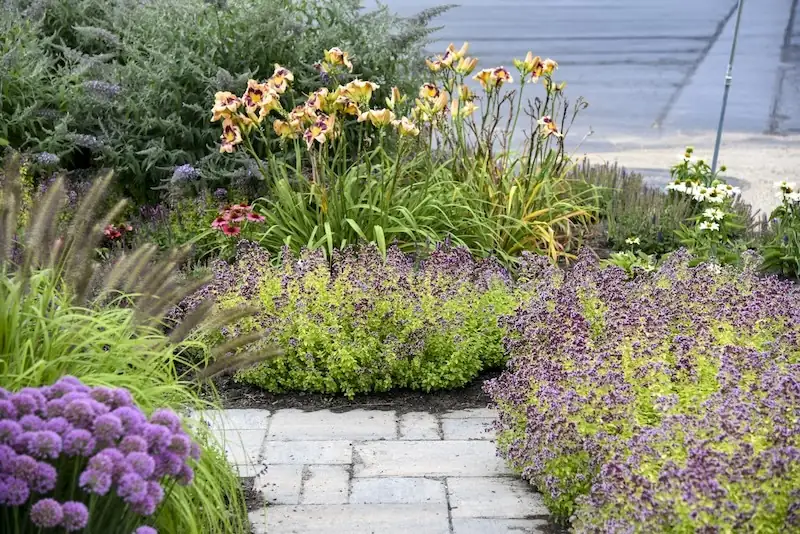
Companionship in the Garden: Daylilies pair well with a variety of plants. Consider combining them with coneflowers or black-eyed Susans for a low-maintenance, pollinator-friendly garden. Their similar bloom times ensure a vibrant, colorful display through the growing season.
Caring for Your Daylilies
Daylilies are the epitome of low-maintenance beauty. Once established, they are drought-tolerant, requiring about an inch of water per week during dry spells for optimal blooming. While they can adapt to many soil types, they flourish in well-drained, fertile soil enriched with organic matter. Fertilize lightly in spring to kickstart growth and, optionally, after flowering to encourage clump expansion.
Propagation and Maintenance: To keep your daylilies thriving, divide clumps every 3–5 years. This not only rejuvenates the plants but also helps control their spread in the garden. Deadheading spent blooms is optional but can keep the garden looking tidy and prevent seed formation.
The Symbolism of Daylilies
In Chinese culture, daylilies are imbued with deep symbolism, often associated with motherhood and the ability to set aside worries—aptly named “forgetting-sorrow grass.” This cultural significance adds a layer of meaning to their fleeting beauty, reflecting the transient nature of life and devotion.
Conclusion
Integrating Hemerocallis fulva into your garden design is like adding a versatile artist’s brush to your horticultural toolkit. Whether you are a seasoned gardener or a novice, the daylily’s robust nature and captivating blooms offer endless possibilities for creating a stunning garden aesthetic. So, embrace the charm of these “beauties for a day” and watch your garden transform into a kaleidoscope of color and texture.