A Blooming Tribute: The Daylily’s Dance of Symbolism
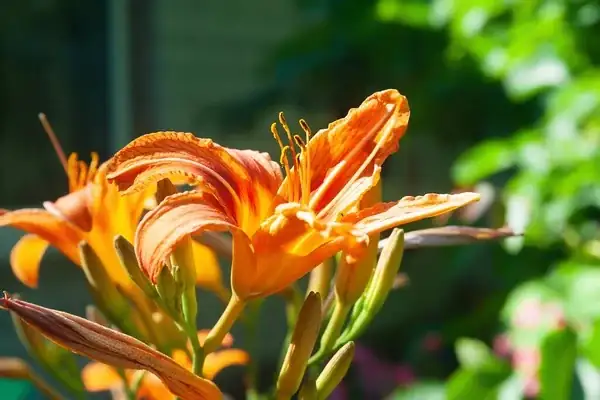
Imagine a flower that blooms at dawn and gracefully retreats by dusk, its ephemeral beauty a poignant reminder of life’s transience. Meet the Hemerocallis fulva, commonly known as the daylily. This vibrant perennial does more than decorate gardens; it carries a rich tapestry of symbolism across cultures, especially in Chinese traditions and Western floriography.
Daylilies in Chinese Culture: A Mother’s Embrace
In China, the daylily, or “萱草” (xuān cǎo), blooms not just as a flower but as a living symbol of maternal love and the gentle strength of motherhood. It’s often referred to as the “forget-worry grass,” a plant that mothers would grow to ease their worries when their sons traveled away from home. Such nurturing symbolism dates back over 2,000 years, with the daylily’s presence woven into the fabric of Chinese literature and art.
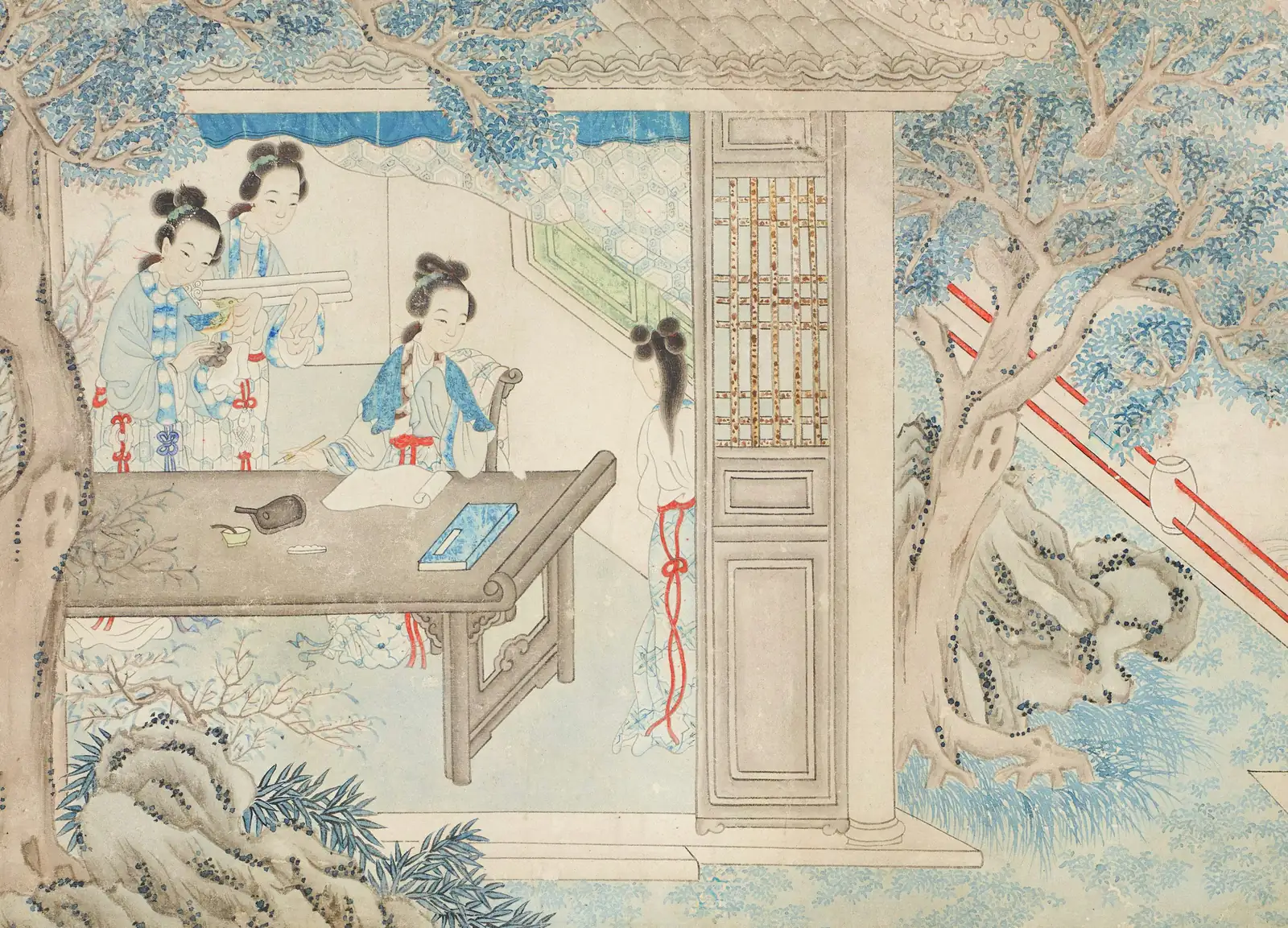
The flower’s association with motherhood is beautifully captured in a traditional Chinese pun. When paired with butterflies, the daylily sends a message of longevity and well-being to mothers, a gesture as heartwarming as a child’s embrace. During the Tang Dynasty, this flower’s symbolism extended from romantic love to maternal devotion, cementing its place as an emblem of filial piety.
Western Floriography: Beauty and Fleeting Moments
Cross the cultural threshold to the West, and the daylily takes on a different yet equally profound meaning. Rooted in the Victorian era’s language of flowers, daylilies symbolize beauty and the fleeting nature of life. Each bloom lasts only a day, a metaphor for the transient beauty and cherished moments that define our lives.
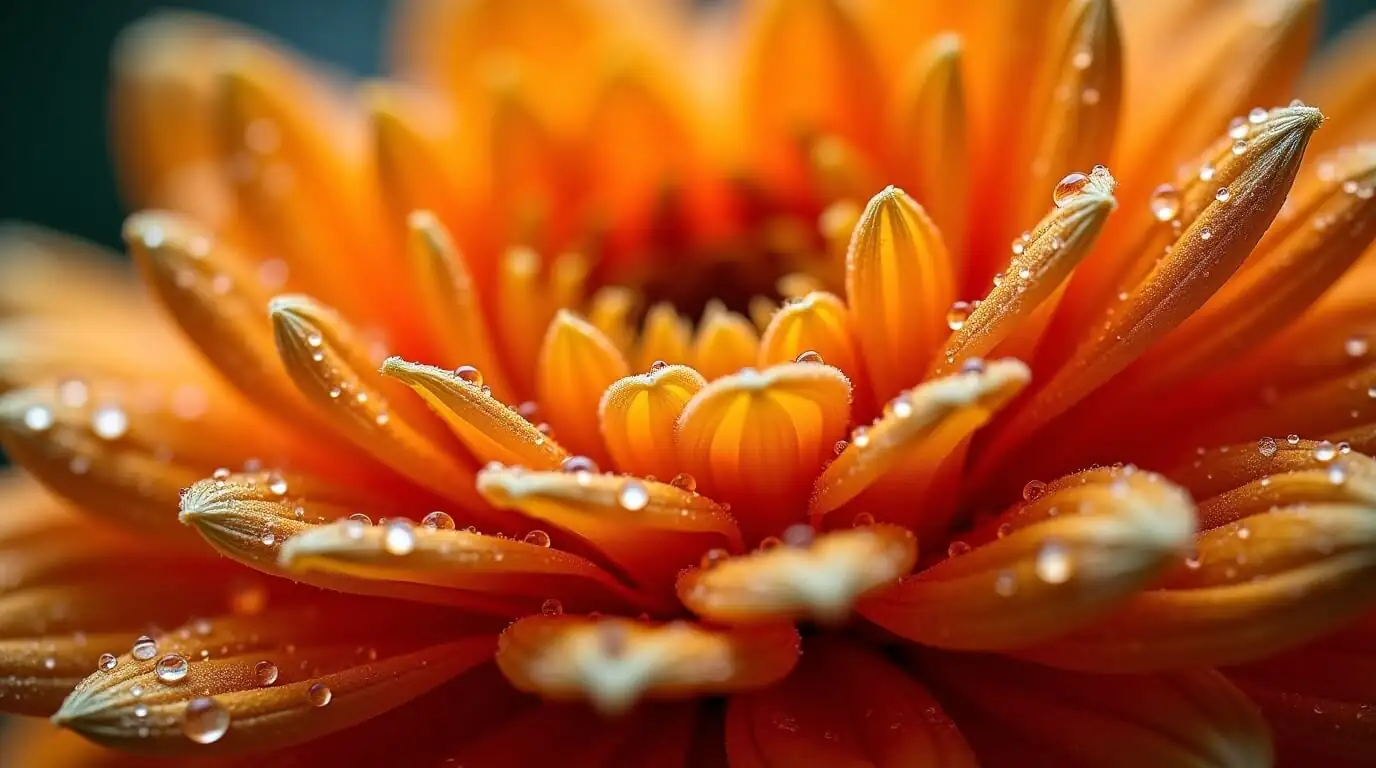
The Western botanical name, “Hemerocallis,” itself is a nod to its transient nature, derived from the Greek words “hemera” (day) and “kallos” (beauty). This fleeting allure makes the daylily a symbol of devotion, reminding us to treasure the present as tomorrow’s promises unfold.
The Daylily’s Role in Gardens and Kitchens
Beyond its symbolic allure, the daylily is a gardener’s delight. Known as “ditch lilies” or “tiger lilies,” these resilient plants thrive in a variety of conditions, from sun-drenched borders to erosion-prone slopes. Their cheerful blooms, in hues ranging from sunny yellows to fiery oranges, attract pollinators like butterflies and hummingbirds, turning gardens into vibrant ecosystems.
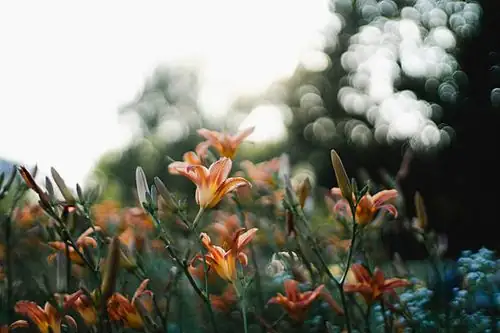
In culinary traditions, particularly in Asia, daylily buds and flowers are edible. They add a unique flavor to soups and stir-fries, although caution is advised to ensure they are pesticide-free and properly identified. This dual role as both ornamental and edible reflects the plant’s generosity and versatility.
Myths and Legends: A Celestial Connection
Daylilies also find their way into mythological stories. In Greek mythology, lilies are linked to Hera, the wife of Zeus, and are said to have originated from her milk, which formed the Milky Way. This celestial lineage adds a layer of mysticism to the daylily’s earthly presence, connecting it to divine narratives and cosmic beauty.
Caring for Your Daylilies
If you’re considering adding these symbols of love and beauty to your garden, rest assured they’re as low-maintenance as they are lovely. They thrive with minimal care and are adaptable to various climates, flourishing in USDA zones 3 to 9. With a little sunlight and well-drained soil, your daylilies will reward you with a summer-long display of color.
Conclusion
The daylily is more than just a botanical wonder; it is a storyteller. Whether whispering tales of a mother’s love in China or echoing life’s fleeting beauty in the West, this flower connects us across cultures and time. Next time you see a daylily, pause and reflect on its message. It’s a reminder to cherish the moments and the people who matter most, for like the daylily’s bloom, they are precious and ephemeral.