Watering might seem like the simplest part of plant care, but to truly help your garden flourish, knowing how to water thoroughly and effectively is key. In this guide, we’ll break down the essentials of thorough watering, offering you practical steps to keep your plants healthy and vibrant.
Understanding Thorough Watering
Thorough watering is about ensuring that water reaches the root zone of your plants. This means saturating the soil deeply enough to promote strong, healthy root systems without wasting water. It’s not just about dumping water on the surface; it’s about strategy.
Why is Thorough Watering Important?
- Deep Root Growth: Encourages roots to grow deeper, making plants more drought-tolerant.
- Nutrient Absorption: Helps roots access nutrients deep in the soil.
- Prevents Disease: Reduces the chance of disease by avoiding waterlogged conditions.
Steps to Water Thoroughly
1. Know Your Plant’s Needs
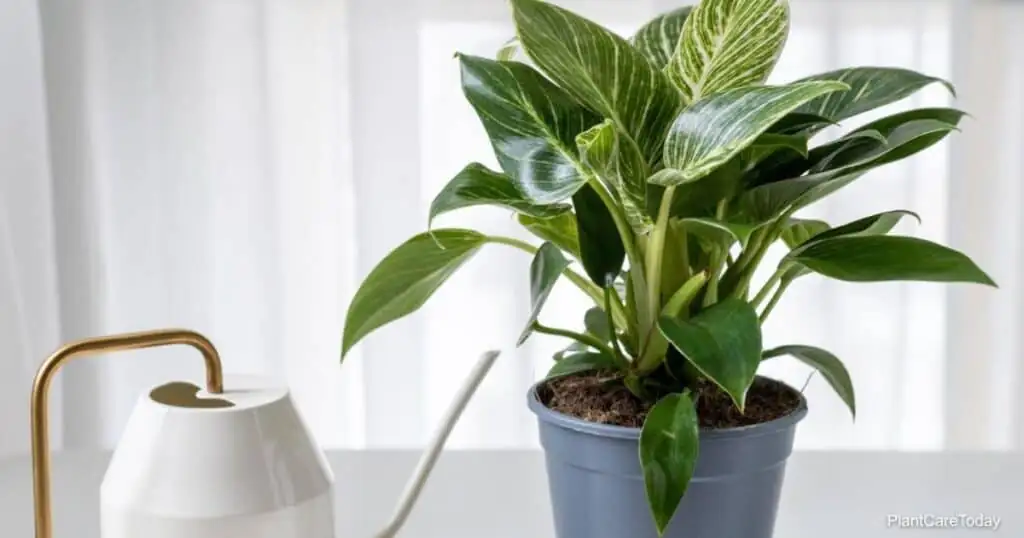
Different plants have different water requirements. For instance, a philodendron, which thrives in tropical conditions, will need more frequent watering compared to a cactus, which prefers dry soil between waterings. Familiarize yourself with the specific needs of your plants.
2. Check the Soil Moisture
Before watering, check the soil. Use your finger or a trowel to see if it’s dry a few inches below the surface. If the soil feels dry at a depth of 3-4 inches, it’s time to water. In contrast, if it feels moist, hold off on watering to prevent overwatering.
3. Water the Root Zone
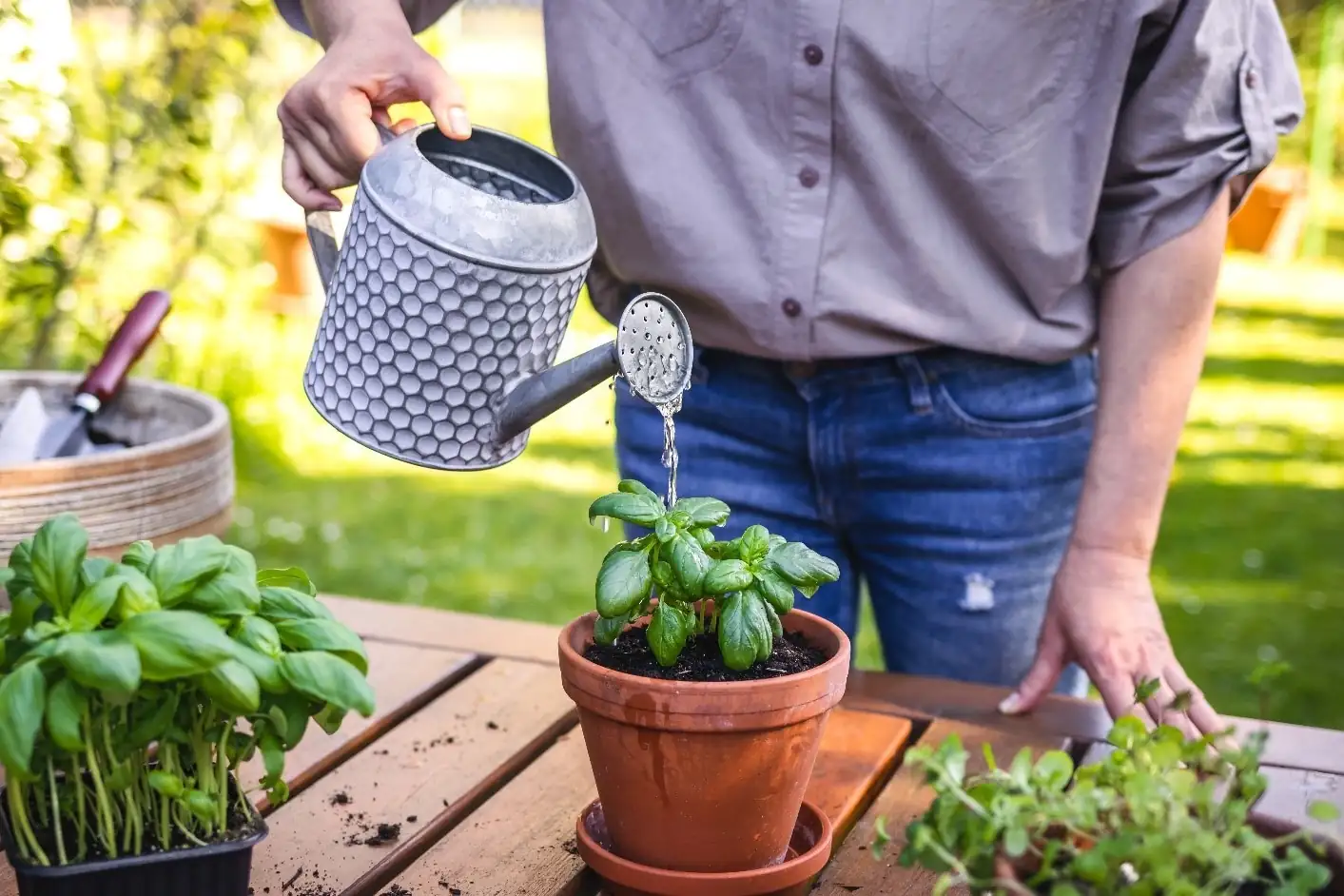
Focus your watering efforts at the base of the plant, where the roots are. Whether you’re using a hose, a watering can, or a soaker hose, direct the water to the soil, not the foliage. This reduces water waste and minimizes the risk of fungal diseases.
4. Water Slowly and Deeply
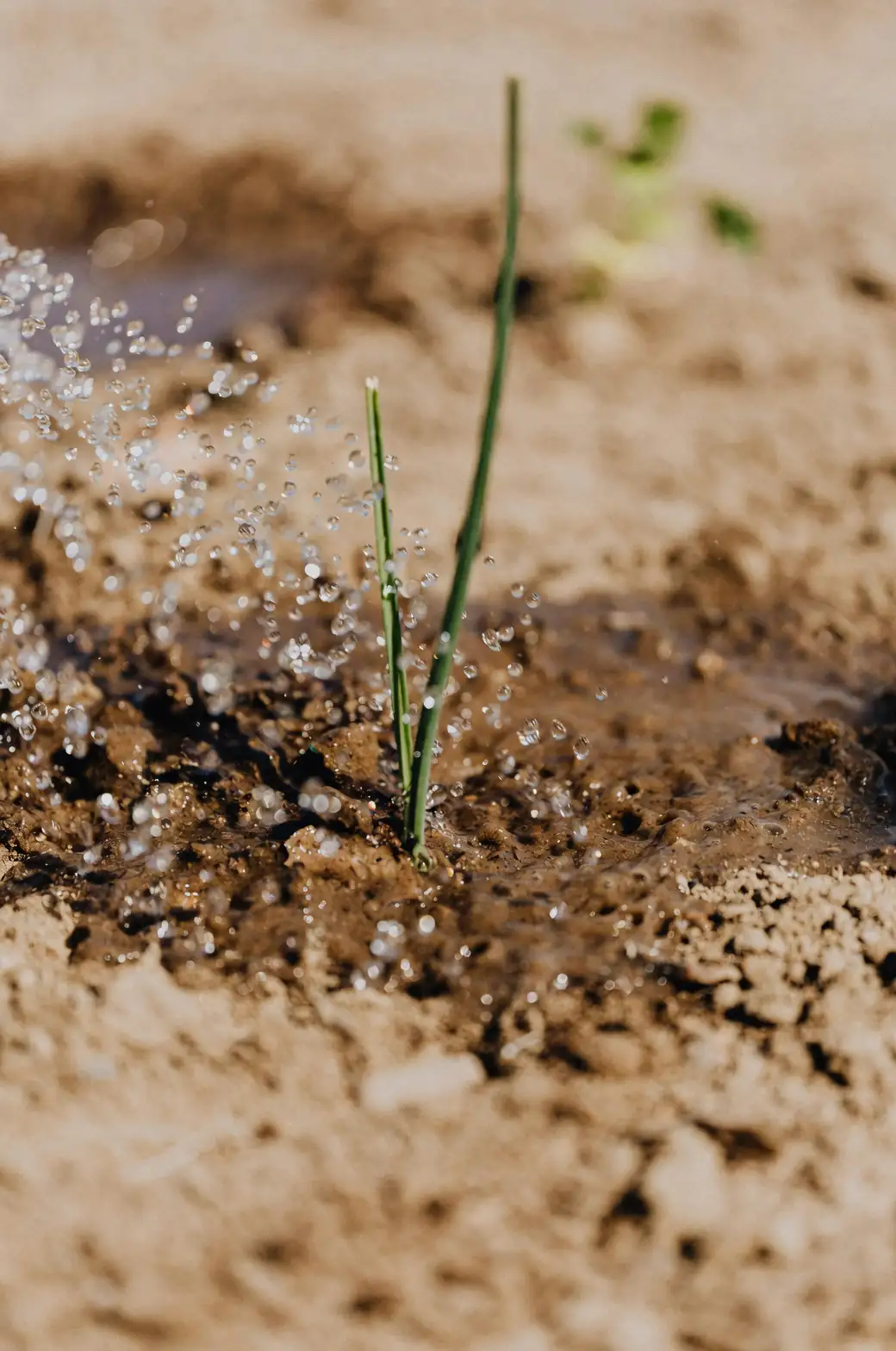
Avoid quick sprinkling which only wets the surface. Instead, apply water slowly so it can soak deeply. A good rule of thumb is to water until the soil is moist to a depth of at least 6 inches. For trees, let the hose dribble slowly around the base, giving a few gallons over several minutes.
5. Observe and Adjust
Pay attention to how your plants respond. If they seem stressed, adjust your watering schedule. For instance, newly planted trees and young plants often require more frequent watering as they establish their root systems.
6. Use Mulch to Your Advantage
Applying mulch can help retain soil moisture and reduce the frequency of watering. This is particularly useful in vegetable gardens and around perennials.

Common Mistakes to Avoid
- Overwatering: This is a frequent mistake that can lead to root rot. Always check soil moisture before watering.
- Watering the Leaves: Focus on soil watering to avoid promoting disease.
- Ignoring Weather Conditions: Be mindful of recent rainfall or drought conditions and adjust your watering habits accordingly.
Conclusion
Thorough watering isn’t just about quantity; it’s about knowing your plants and the environment they are in. By following these steps, observing your plants, and making adjustments as needed, you’ll create a thriving, healthy garden. Remember, it’s not just about giving your plants water; it’s about giving them what they need to grow strong and beautiful.