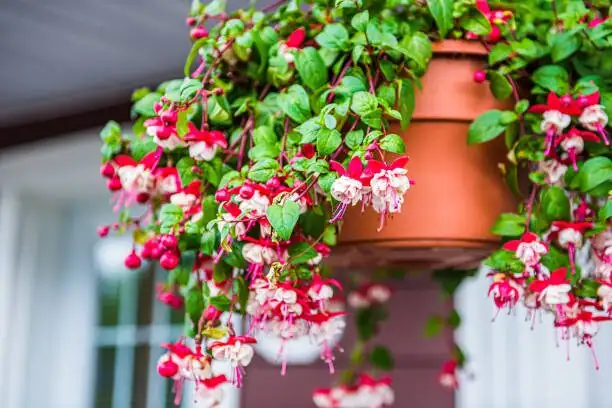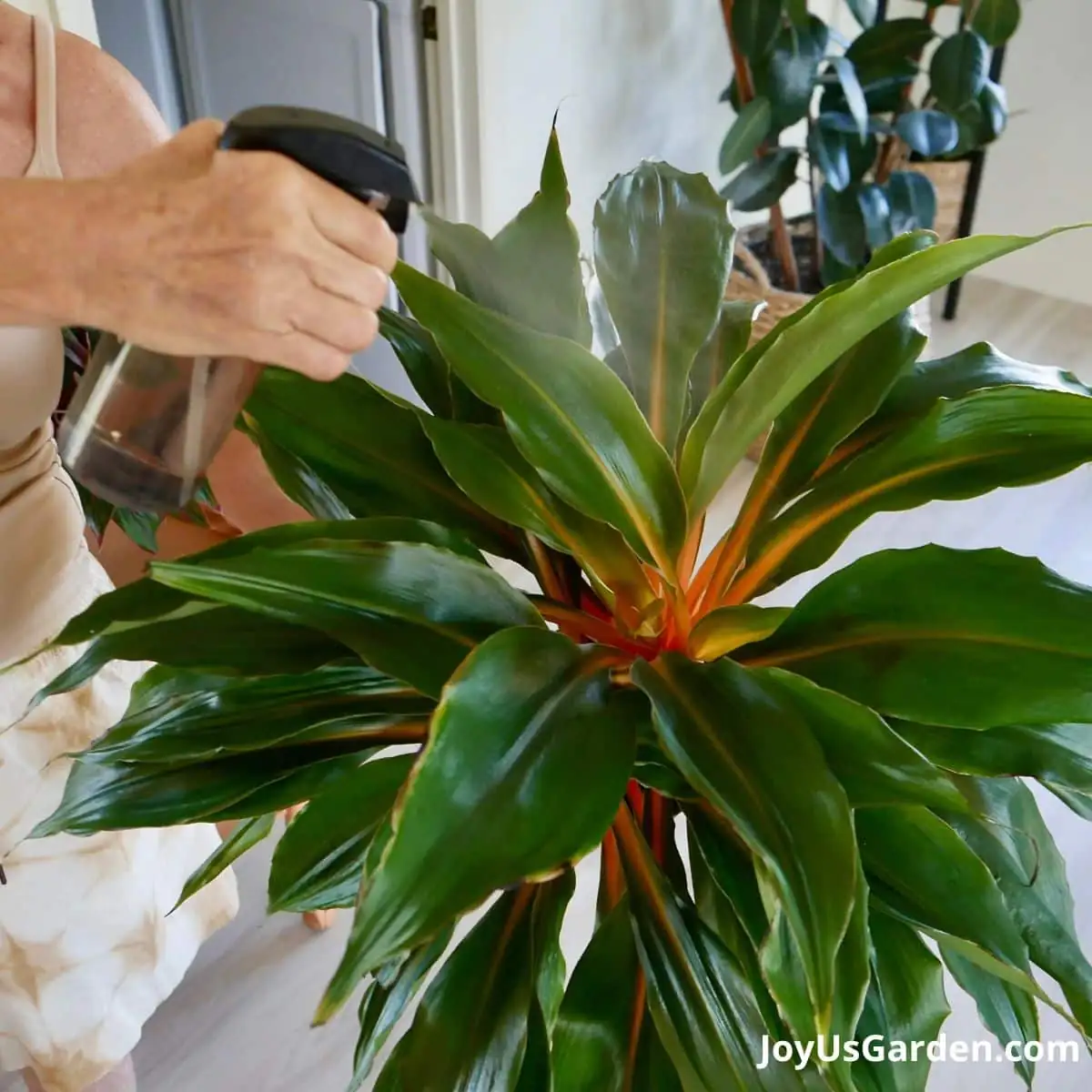
Winter is coming, and while we might relish cozying up under blankets, our indoor plants face a different kind of struggle. As the days get shorter and the air gets drier, your green friends need a little extra TLC to stay healthy and vibrant. Here’s a practical guide to navigating winter plant care, with a focus on maintaining optimal humidity and temperature.
The Winter Struggle: Why Plants Need Extra Care
During winter, indoor plants encounter a host of challenges. The combination of shorter daylight hours, dry indoor heating, and cold drafts can make even the hardiest houseplants look droopy and sad. But don’t worry! With a few tweaks to your routine, your plants can thrive all season long.
Common Winter Plant Stressors:
- Shorter daylight hours
- Dry air from heaters
- Cold drafts
- Overwatering
- Slower plant metabolism
Light: The Winter Sun Dance
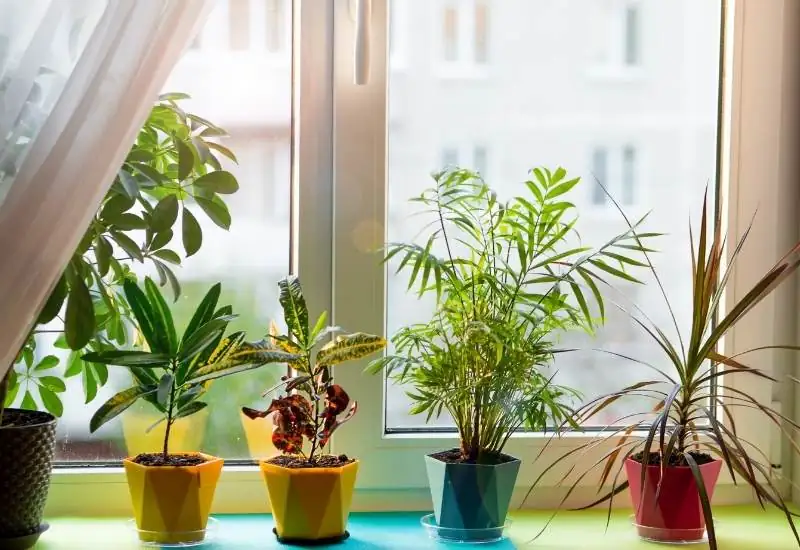
Light is crucial for your plants’ health, especially when the sun is playing hard to get. Even if your windows seem bright, the winter sun is weaker and lower in the sky.
Light Tips:
- Move to Brighter Spots: Place your plants near south-facing windows to maximize natural light exposure.
- Rotate Regularly: Turn your plants weekly to ensure even growth and prevent them from leaning towards the light.
- Consider Grow Lights: For spaces with limited natural light, full-spectrum LED grow lights can be a lifesaver. Set them up about 12–18 inches above your plants with a timer for 8–12 hours daily.
Temperature: Keeping it Just Right
Most indoor plants hail from tropical climates and prefer a stable temperature range. Sudden changes can lead to shock and stress.
Temperature Tips:
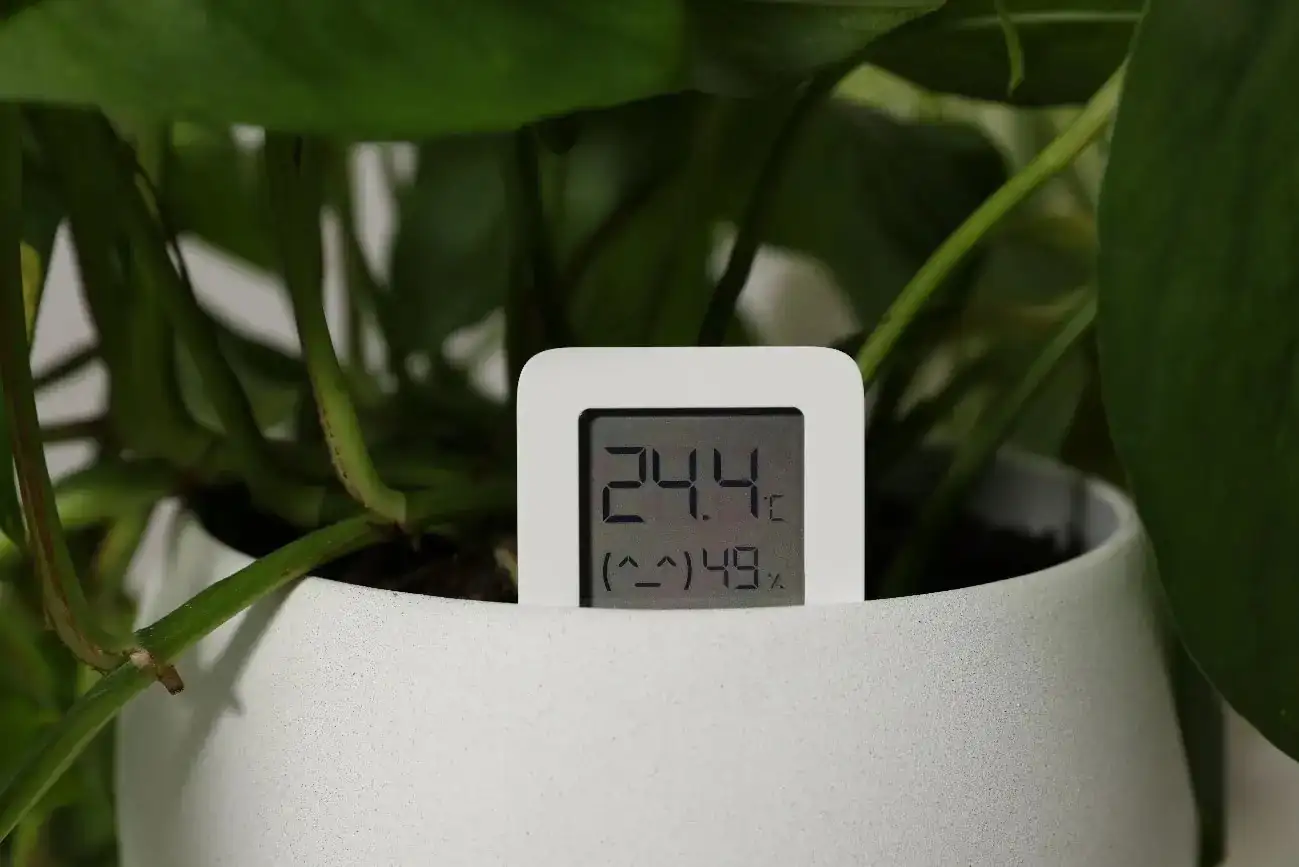
- Ideal Range: Keep your indoor temperature between 65–75°F during the day and no lower than 60°F at night.
- Avoid Drafts: Keep plants away from exterior doors, cold window panes, and direct heater blasts. A consistent environment helps prevent leaf drop and stress.
Water Wisely
In winter, plants grow slower, so they need less water. Overwatering is a common mistake that can lead to root rot.
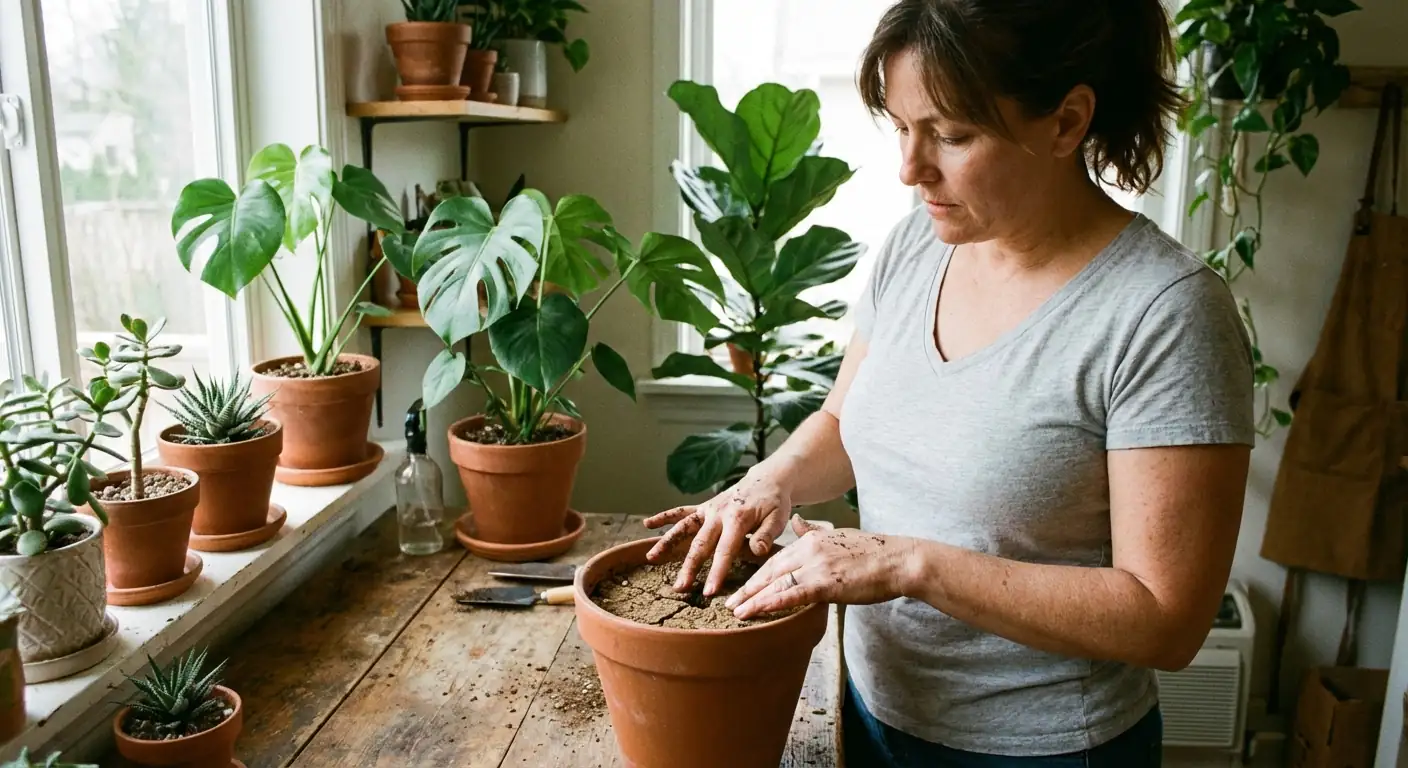
Watering Tips:
- Check Soil Moisture: Stick your finger about an inch into the soil. If it feels dry, it’s time to water.
- Reduce Frequency: Water less often but thoroughly, ensuring excess water drains away to avoid soggy roots.
Humidity: Creating a Moisture Haven
Winter air can be as dry as a desert, which isn’t great for moisture-loving plants. Aim to keep humidity levels around 50–60%.
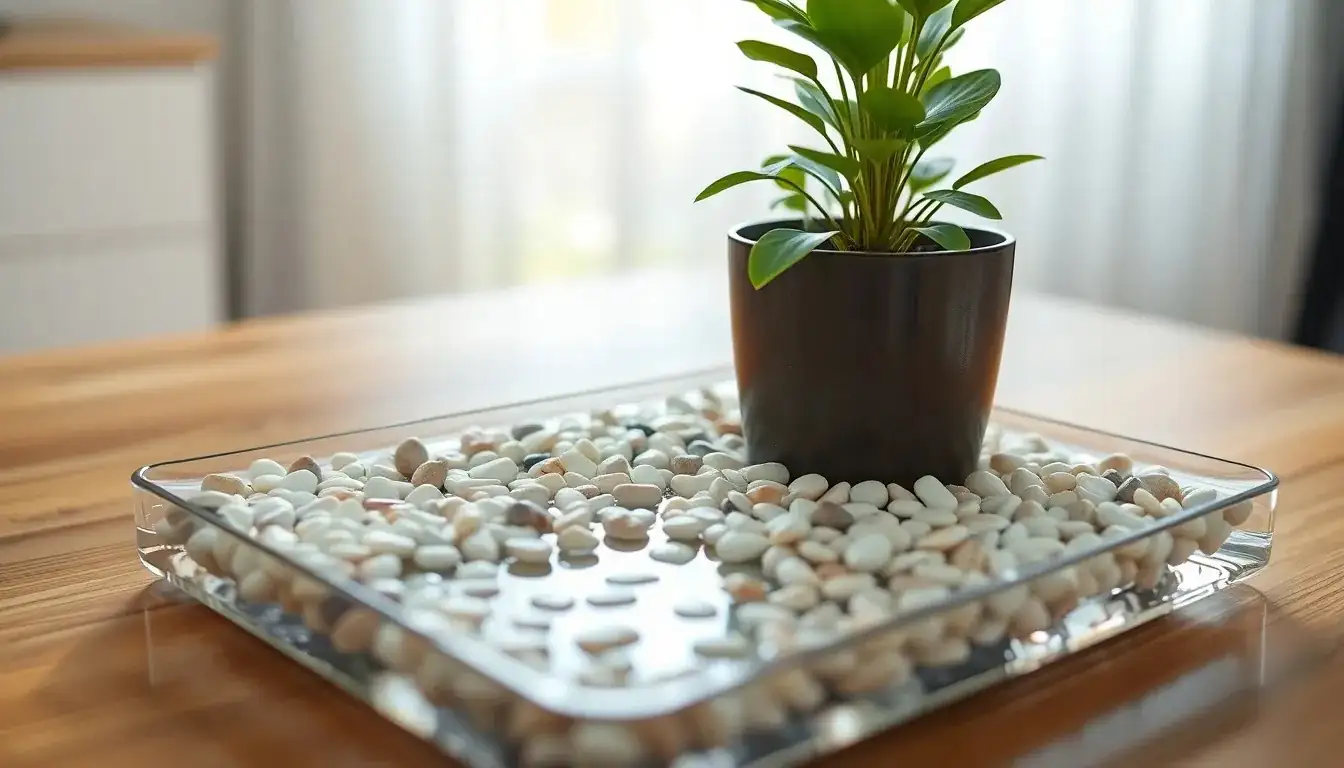
Humidity Hacks:
- Use a Humidifier: The easiest way to maintain consistent humidity, especially in the dry months.
- Group Plants Together: This creates a mini ecosystem where plants can share humidity.
- DIY Humidity Tray: Place a tray filled with pebbles and water under your plants. As the water evaporates, it increases the surrounding humidity.
- Move to Humid Areas: Bathrooms and kitchens often have higher humidity levels, making them ideal for plants.
Final Thoughts: Stay Vigilant
Keep an eye on your plants and adjust your care routine as needed. If you see signs of stress like yellowing leaves or slow growth, consider tweaking their environment.
By following these tips, you’ll help your plants not only survive but thrive during the winter months. So, keep them cozy, hydrated, and well-lit, and they’ll thank you with lush, vibrant growth come spring!