

Indoor gardening can feel like a delicate balancing act, especially when the weather isn’t playing ball. If you’ve ever wondered whether your leafy friends need a helping hand with supplemental lighting on those dreary, overcast days, you’re not alone. Let’s dive into the world of plant lighting and uncover whether your indoor garden needs an extra boost when the sun is shy.
Why Light Matters for Indoor Plants
Plants rely on light for photosynthesis, the process of converting light, carbon dioxide, and water into energy. Without enough light, plants can’t produce the carbohydrates they need to grow, bloom, and thrive. On cloudy days, the natural light indoors can be significantly reduced, and that’s where supplemental lighting might step in.
Signs Your Plants Need More Light
Before you rush out to buy grow lights, watch your plants for these tell-tale signals that they’re craving more light:
- Pale or Yellow Leaves: A lack of chlorophyll production due to insufficient light.
- Leggy Stems: Stems stretch towards the light source, becoming long and spindly.
- Leaf Drop: Older leaves may fall off if light levels are too low.
- No Flowers: Flowering plants might fail to produce buds without adequate light.
When to Consider Supplemental Lighting
Not all cloudy days are created equal. In some cases, natural light—no matter how dim—might suffice, especially for low-light-tolerant plants. However, for light-loving species like succulents, cacti, or flowering plants, additional lighting can be beneficial. Generally, winter months or consistently overcast weather might warrant a bit of extra illumination.
Types of Supplemental Lighting
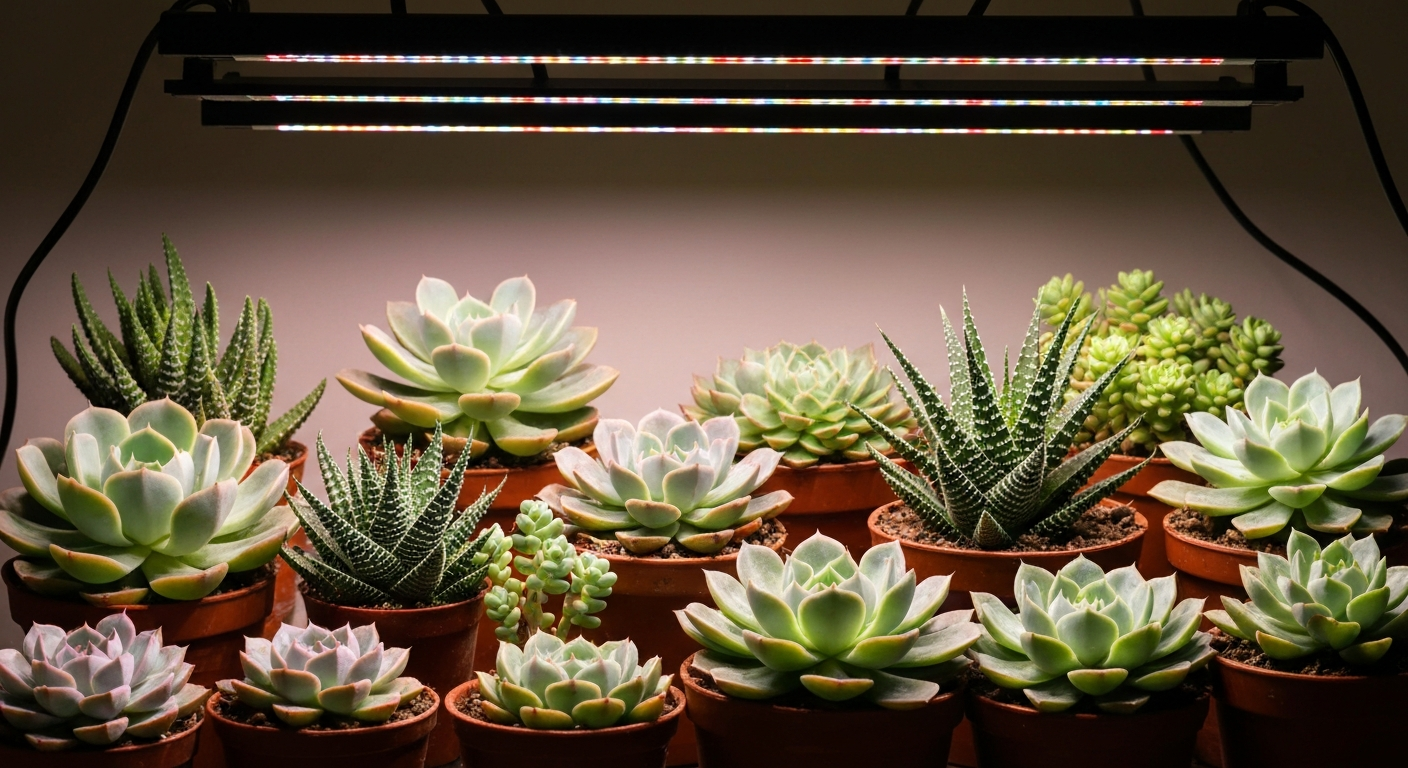
Choosing the right light can be crucial. Here’s a quick rundown of popular options:
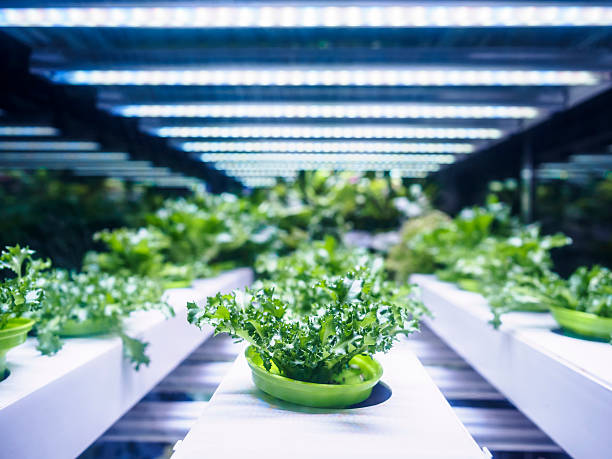
- LED Lights: Energy-efficient and long-lasting. Full-spectrum LED grow lights mimic natural sunlight and are ideal for most plants.
- Fluorescent Lights: Great for small or medium growing areas and emit less heat, allowing them to be placed closer to plants.
- Incandescent Lights: Not recommended. They produce too much heat and insufficient useful light for plants.
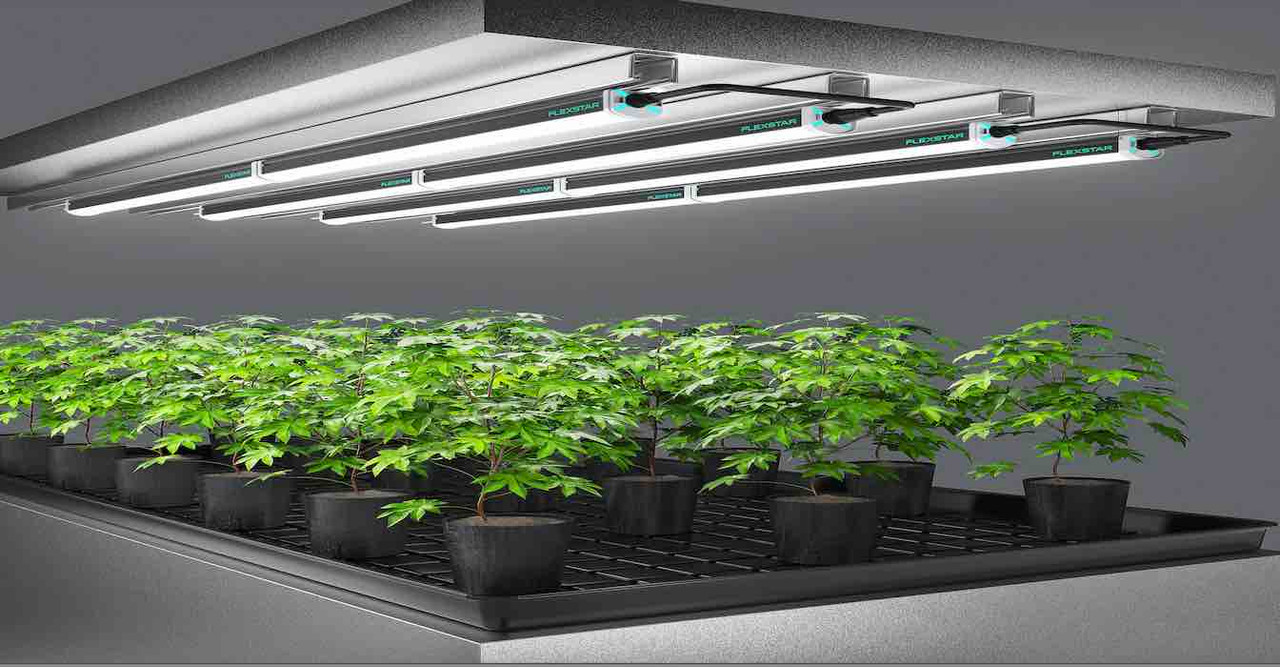
Setting Up Your Supplemental Lights
To get the most out of your supplemental light, consider these factors:
- Distance: Keep your lights 6-12 inches away from the plants for optimal light absorption.
- Duration: Most plants will benefit from 12-14 hours of light per day, but adjust based on your plant’s specific needs and natural light availability.
- Positioning: Ensure even coverage by placing lights perpendicular to the plant canopy.
Common Mistakes to Avoid
Even with the best intentions, it’s easy to make lighting mistakes. Here are a few pitfalls to avoid:
- Overheating Plants: Keep an eye on temperature. Too much heat can scorch leaves.
- Ignoring Plant Needs: Not all plants require the same light levels. Tailor your setup to the species you’re growing.
- Neglecting Darkness: Plants need a period of darkness to rest and maintain a healthy cycle.
Final Thoughts
On cloudy days, supplemental lighting can be a game-changer for your indoor garden, but it’s not always necessary for every plant. By understanding your plant’s specific needs and the natural light available in your space, you can create a thriving indoor oasis, regardless of what the weather outside is doing. So, next time the sky turns grey, you’ll know exactly how to keep your green companions happy and healthy!