Indoor gardening can be a delightful hobby or even a full-fledged passion. Yet, ensuring your indoor plants receive the right amount of light can sometimes feel like guesswork. While sunlight streaming in through windows provides natural illumination, understanding how to measure the intensity of this diffused light can be key to keeping your plants happy and healthy. Whether you’re an enthusiastic plant parent or just starting your indoor garden, let’s illuminate the process of measuring indoor diffused light intensity in a straightforward and practical way.
Why Does Light Intensity Matter?
Plants need light to photosynthesize, which is how they produce the energy needed for growth and maintenance. Different plants have varying light requirements; while some thrive in low-light conditions, others need bright, direct sunlight. Knowing how much light is available in your indoor space helps you make informed decisions about plant placement, ensuring your leafy friends receive optimal conditions for growth.
Tools of the Trade: Measuring Light Intensity
Lux Meters: The Go-To Gadget
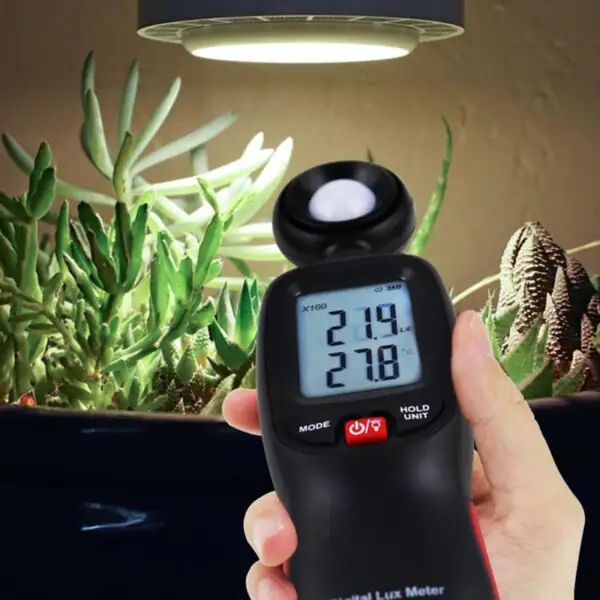
One of the simplest and most effective ways to measure light intensity is by using a lux meter. This handy device tells you how much light falls on a surface, measured in lux. Here’s how you can use it:
- Get a Lux Meter: You can find lux meters online or at technology supply stores. They are affordable and easy to use.
- Measure at Plant Level: Place the sensor of the lux meter where your plant is situated. This gives you a reading of the light intensity that your plant actually experiences.
- Understand the Readings: Typical indoor lighting ranges from 100 to 500 lux, while bright indirect light can be around 1,000 to 2,000 lux. Direct sunlight can exceed 10,000 lux.
Smartphone Sensors: A Handy Alternative
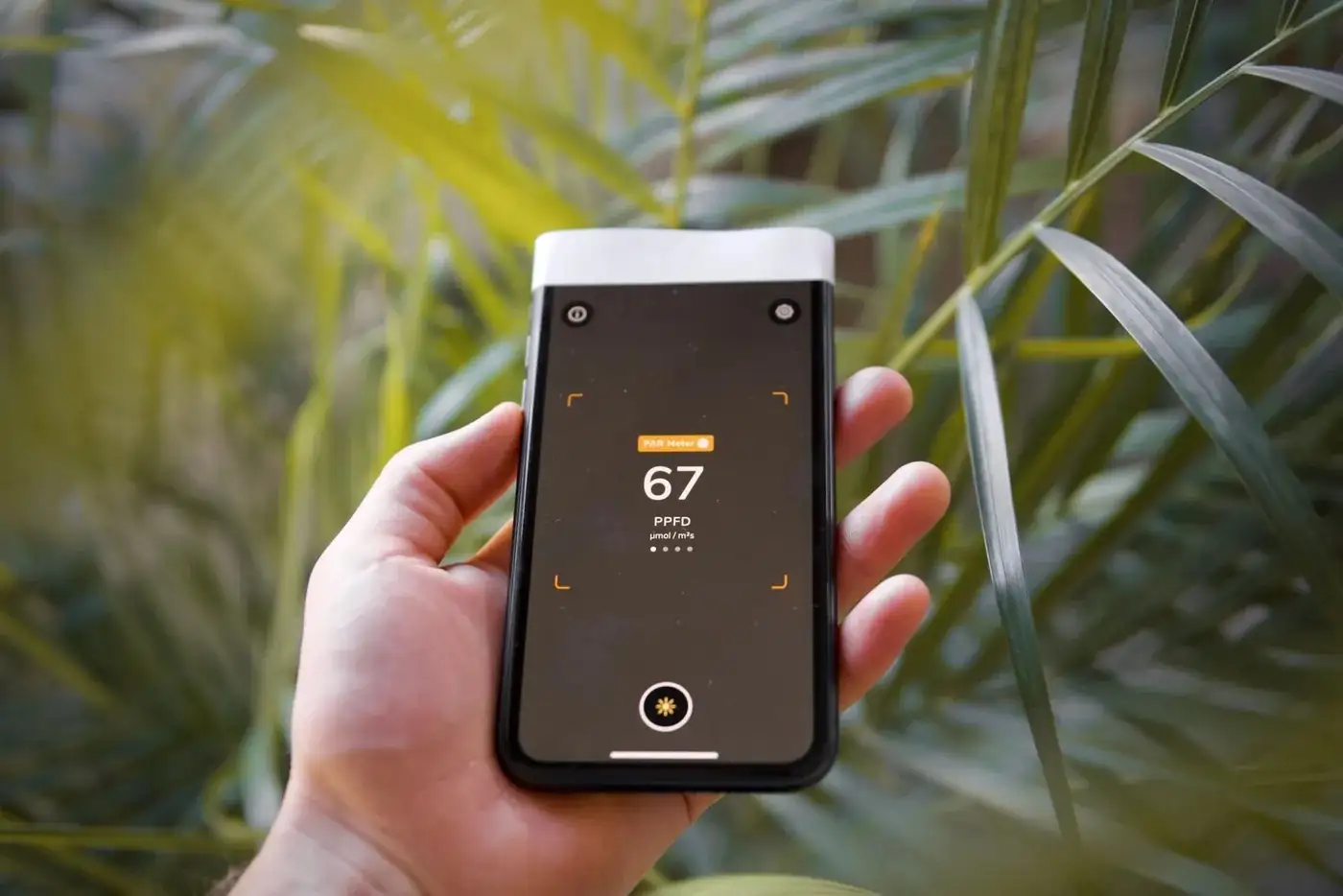
If you don’t have a lux meter, your smartphone might come to the rescue. Many smartphones have built-in light sensors which can be used to measure light intensity through various apps available for download.
- Download a Light Meter App: Apps like Lux Light Meter Pro and others turn your phone into a light meter. Check the app’s instructions for how to best position your phone.
- Take Multiple Measurements: Move your phone around the plant to get an average reading, as light intensity can vary depending on the angle and distance from the source.
The Shadow Test: A Quick Check
For a simple, quick test to determine light intensity, use the shadow test:
- Strong Light: If your hand casts a well-defined shadow with sharp edges, the light is strong.
- Medium Light: A fuzzy shadow with soft edges indicates medium light.
- Low Light: If there’s barely a shadow, the light is low.
This method is less precise but can give you a rough idea about light levels in your space.
Common Mistakes and Tips
- Ignoring Distance: Remember that light intensity decreases with distance from the source. Ensure your plants are close enough to the light.
- Overlooking Light Types: Different light sources emit varying spectrums. For instance, LED lights produce a different spectrum compared to incandescent bulbs. Choose the right type for your plant needs.
- Neglecting Consistency: Measure light at different times of the day to account for changes in natural light.
By incorporating these methods and tips, you can create a thriving indoor garden that’s perfectly tuned to your plants’ light needs. So, grab your tools, check your light levels, and watch your indoor jungle flourish!