Troubleshooting Guide for Azalea Pests: Keep Your Rhododendron simsii Blooming Bright
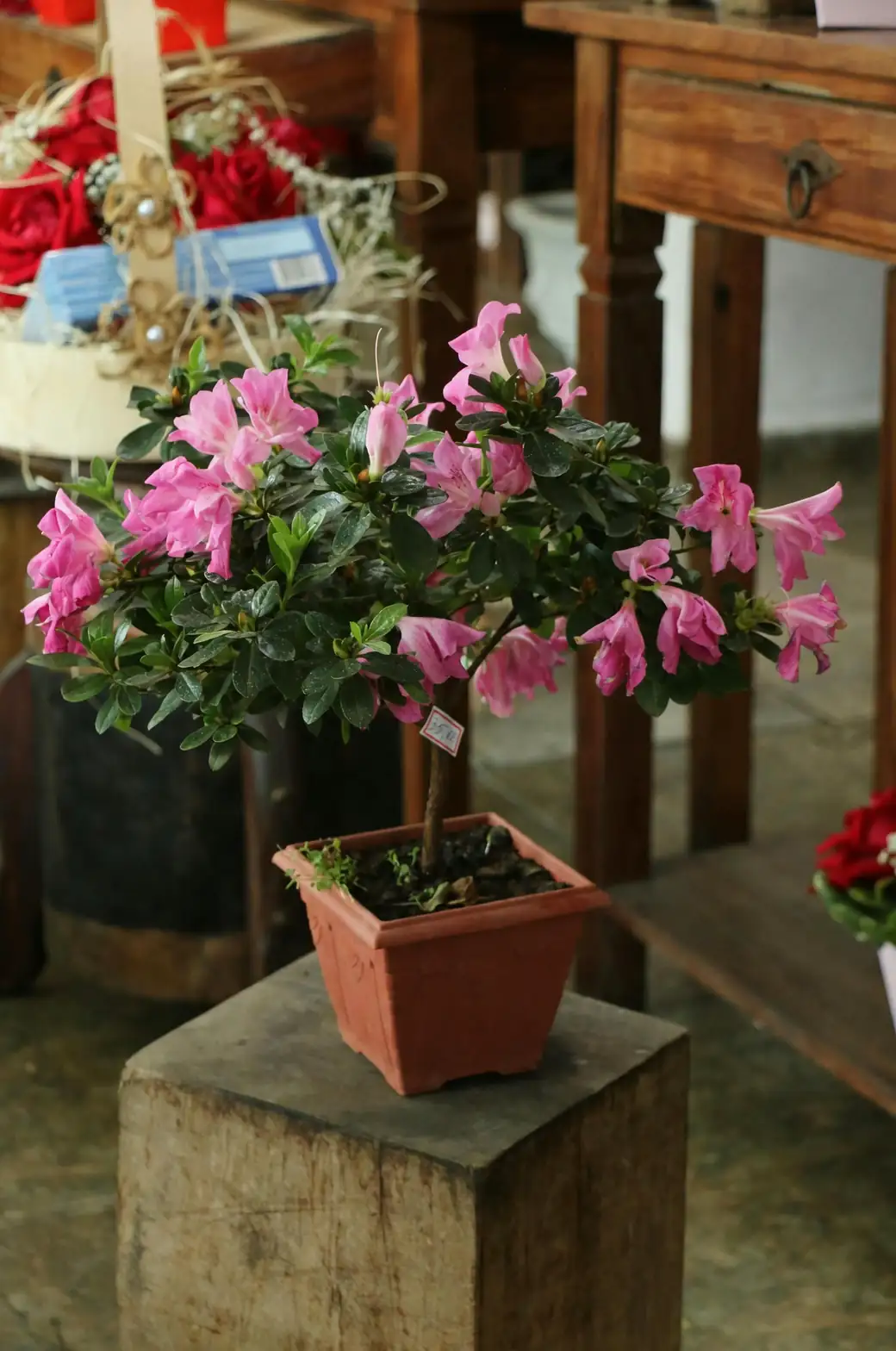
Imagine a room filled with vibrant clusters of blooms, each a gentle reminder of spring’s renewal. This is the charm of the Rhododendron simsii, commonly known as the Florist’s Azalea. Yet, even these cheerful plants can fall victim to pesky invaders. Let’s embark on a journey to identify, prevent, and treat common pest issues that might be hindering your azalea’s radiant display.
Identifying Common Pests
Your azaleas, like any cherished treasure, are sometimes threatened by unwanted guests. Recognizing these pests early can be the difference between a flourishing plant and a faltering one.
Azalea Lace Bug
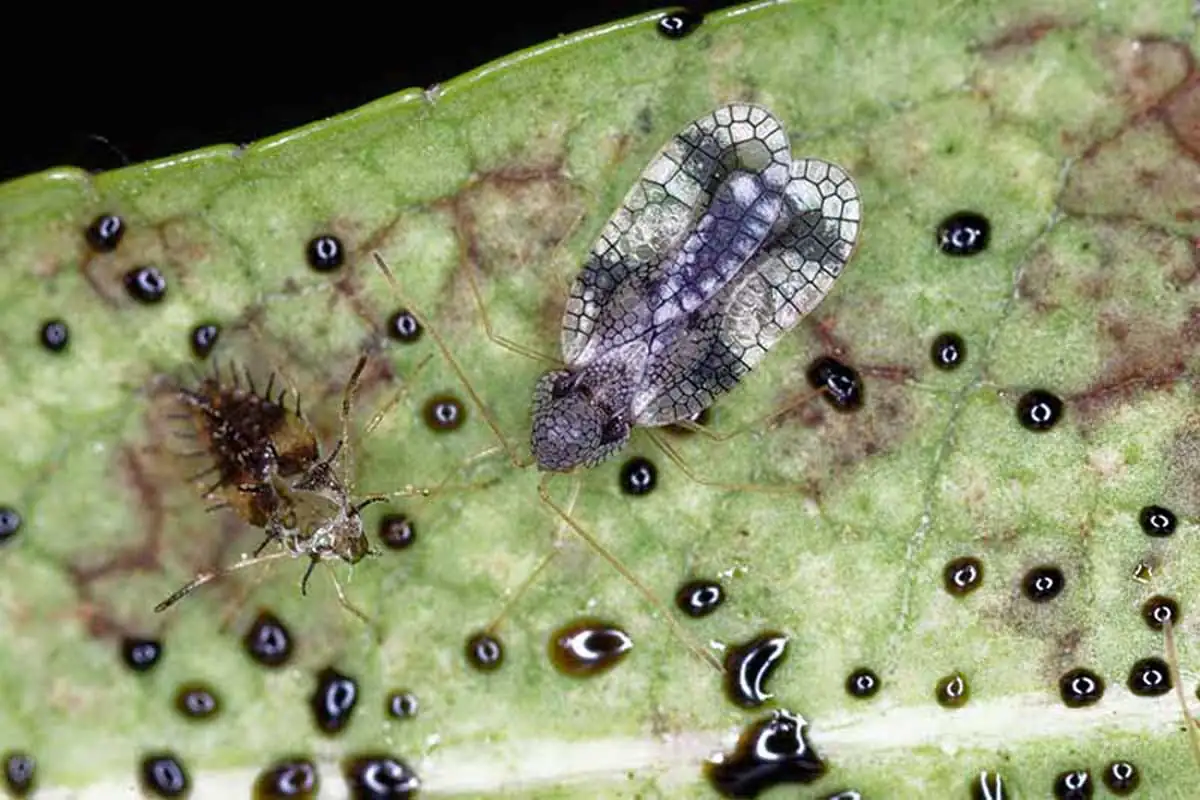
What to Look For: Ever noticed those tiny, sculpted wings of a lace bug? They almost seem like nature’s intricate lacework. These pests love to feast on azalea leaves, leaving them stippled and pale.
Signs: Check for speckled leaves and a sooty appearance underneath. Lace bugs are small but mighty in their ability to cause leaf drop and weaken the plant.
Spider Mites
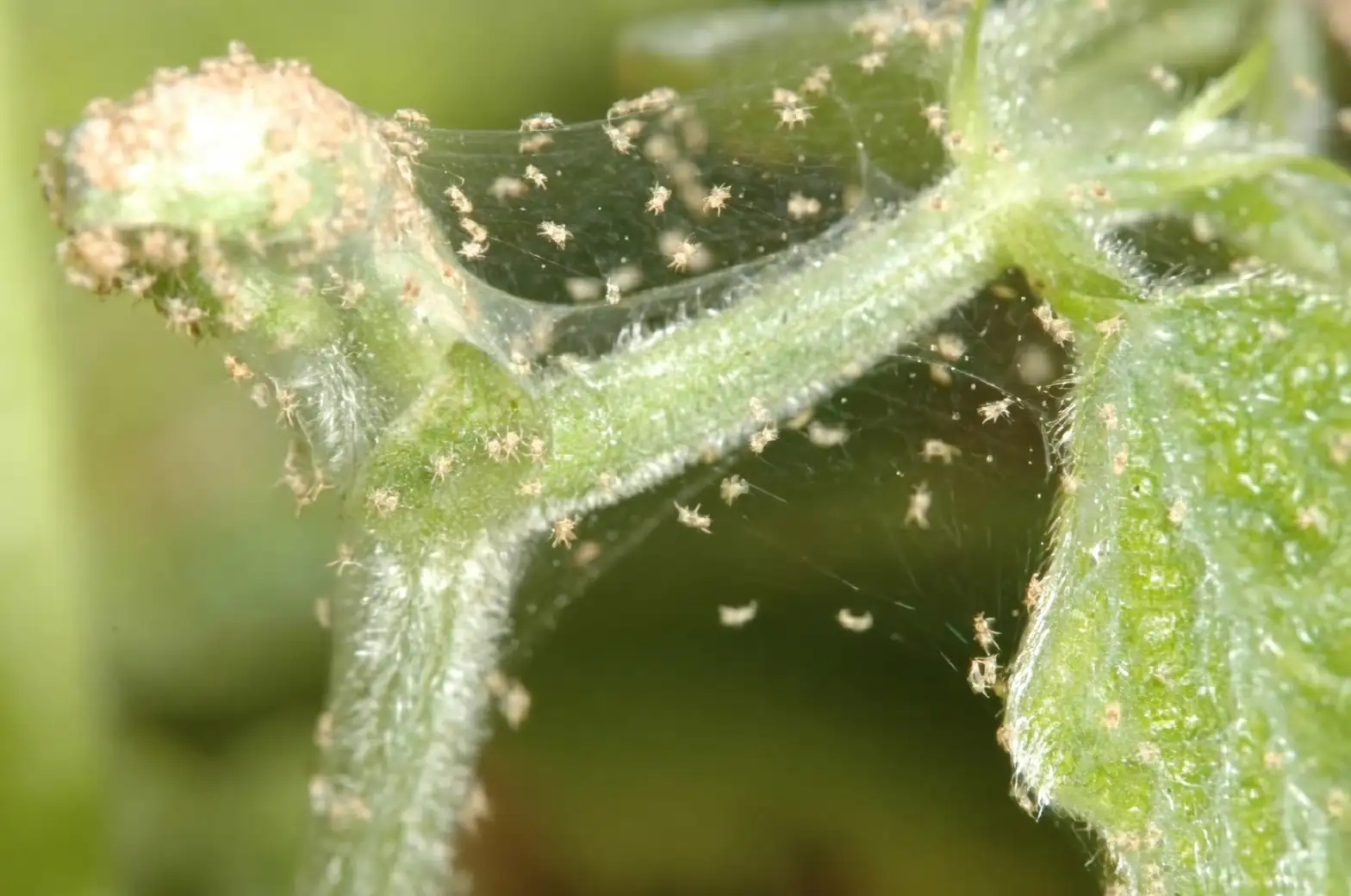
What to Look For: These tiny arachnids thrive in warm, dry conditions. If you see webbing and discolored leaves, spider mites might be at play.
Signs: Look for fine webbing and a dusty appearance on leaves. Affected foliage may turn yellow or bronze before dropping.
Azalea Bark Scale
What to Look For: These pests leave behind a sticky residue known as honeydew, which attracts sooty mold.
Signs: White, waxy egg sacs on branches and a blackened look to leaves from mold are telltale signs.
Prevention is Better Than Cure
Just as you’d shield a precious heirloom, a few preventive measures can go a long way in protecting your azaleas.
- Healthy Soil & Conditions: Keep your azaleas happy with acidic, well-drained soil and bright, indirect light. A plant that’s thriving is less likely to succumb to pests.
- Proper Watering: Avoid waterlogging and ensure even moisture. Water at the soil level, as wet foliage can invite trouble.
- Regular Inspections: Make it a habit to check leaves and branches for early signs of trouble. The sooner you spot a problem, the easier it is to manage.
Treatment Tactics
When prevention isn’t enough, it’s time to roll up your sleeves and tackle pests head-on. Start with non-toxic methods and escalate only as needed.
For Lace Bugs
- Water Spray: A strong jet of water can dislodge these pests. Repeat weekly to tackle new nymphs as they hatch.
- Insecticidal Soap: This is effective, especially in early spring. Spray the undersides of leaves thoroughly.
For Spider Mites
- Humidity Boost: Increase humidity around your plant to make conditions less favorable for mites.
- Miticide: If infestations persist, consider a miticide as a last resort, being careful to protect beneficial insects.
For Bark Scale
- Dormant Oil Spray: Apply in late winter to kill overwintering nymphs.
- Insecticidal Soap or Oil: Use in the growing season when crawlers are active.
Crafting a Resilient Azalea
Cultivating a robust azalea is an art akin to nurturing a delicate relationship. With attentive care and timely intervention, your azaleas can thrive and bring joy for many seasons. Remember, these plants are not just ornamental but a symbol of spring’s promise and the gentle care we must take to protect the beauty in our lives.
A Final Word on Safety
While azaleas are enchanting, they are also toxic to pets and humans if ingested. Keep them out of reach and seek medical advice if accidental ingestion occurs. In the garden, they are a beautiful reminder that beauty often comes with responsibility.
With these insights and tools at your disposal, you are well-equipped to maintain the health and splendor of your Rhododendron simsii. May your azaleas bloom brightly and bring a touch of spring into your home, no matter the season.