The Enigmatic Purple Heart: A Journey Through Symbolism and Cultural Significance
Imagine a plant that seems to capture the very essence of a twilight sky, with leaves that shimmer in rich purples and flowers that make brief but memorable appearances. The Tradescantia pallida, commonly known as the Purple Heart, does just that. Its bold hues and straightforward care make it a favorite among plant enthusiasts, yet beyond its aesthetic appeal lies a tapestry of cultural and spiritual meanings that enrich its presence in our homes and gardens.
A Symbol of Love and Devotion
The Purple Heart plant is more than just an ornamental wonder; it is a living symbol of eternal love and admiration. Its deep purple foliage is often associated with nobility and respect, qualities that lend themselves to expressions of deep sentiment. In various cultures, gifting a Purple Heart is akin to offering a piece of one’s heart, symbolizing an enduring bond that withstands the test of time.
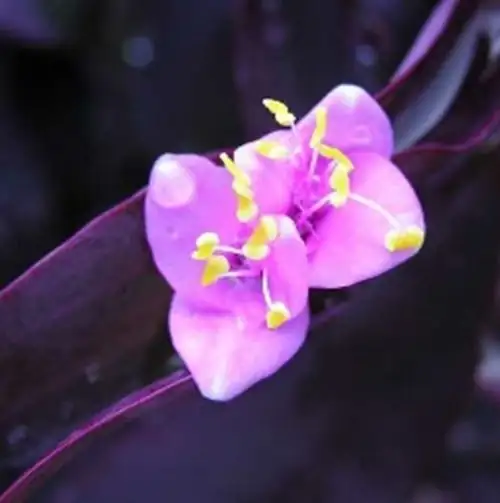
Its flowers, though short-lived, are a testament to living in the moment, much like a fleeting embrace or a cherished memory that leaves a lasting impact. This association with ephemeral beauty mirrors the plant’s own cycle of blooming and fading, reminding us of the transient nature of life and love.
Wisdom Encapsulated in Purple
The color purple has long been linked with wisdom, spirituality, and mystery. In spiritual circles, the Purple Heart is revered for its transformative energy and its ability to foster emotional resilience. The vibrant hue of its leaves is not just a visual delight but a representation of inner strength and spiritual growth. This connection to higher consciousness encourages introspection and a deeper understanding of oneself and the world.
Feng Shui and Vastu Shastra: Harmonizing Spaces
In the world of Feng Shui and Vastu Shastra, the Purple Heart is considered a harbinger of positive energy. Placing it strategically in the South-facing direction of a home or office aligns with the fire element, believed to attract vitality and warmth. This plant’s presence can harmonize a space, bringing a sense of balance and emotional well-being.
A Testament to Resilience
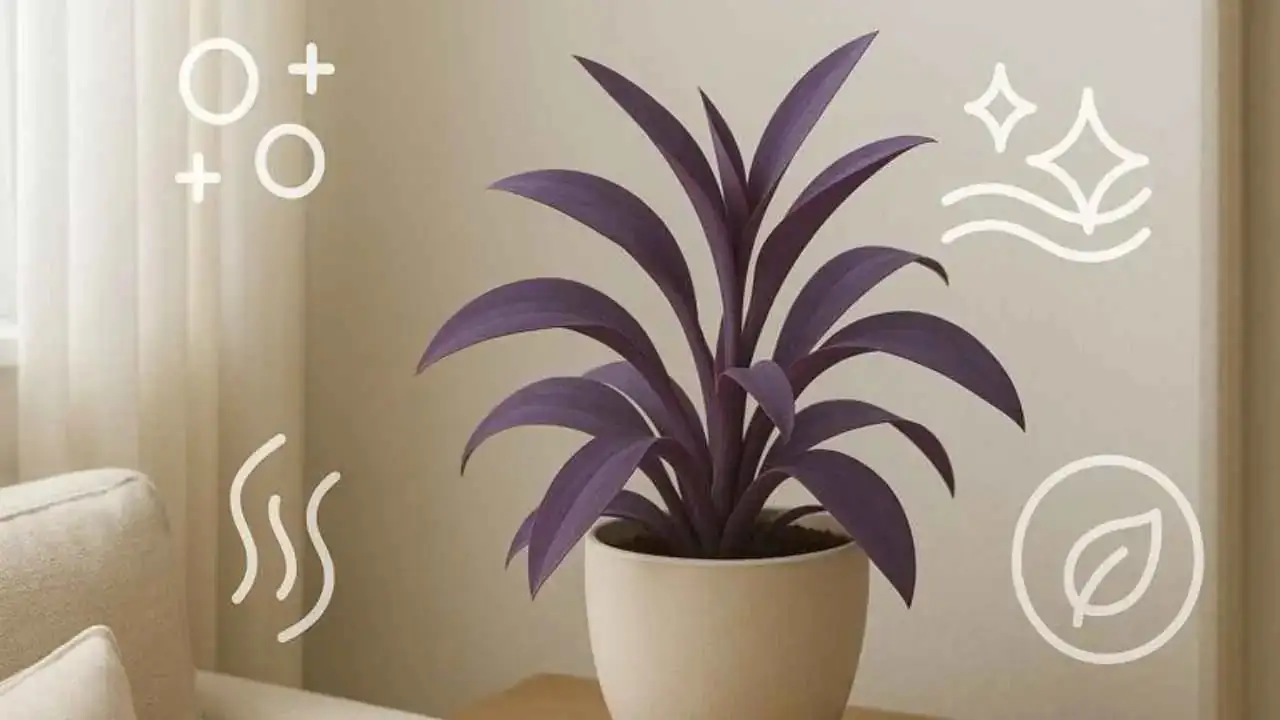
Tradescantia pallida’s robust nature is another layer of its symbolism. Known for its ability to thrive in diverse environments—from sunny gardens to indoor spaces with bright light—it exemplifies resilience. This adaptability is not just a gardening perk; it’s a spiritual metaphor for enduring strength and the capacity to overcome challenges.
Using Purple Heart in Daily Life
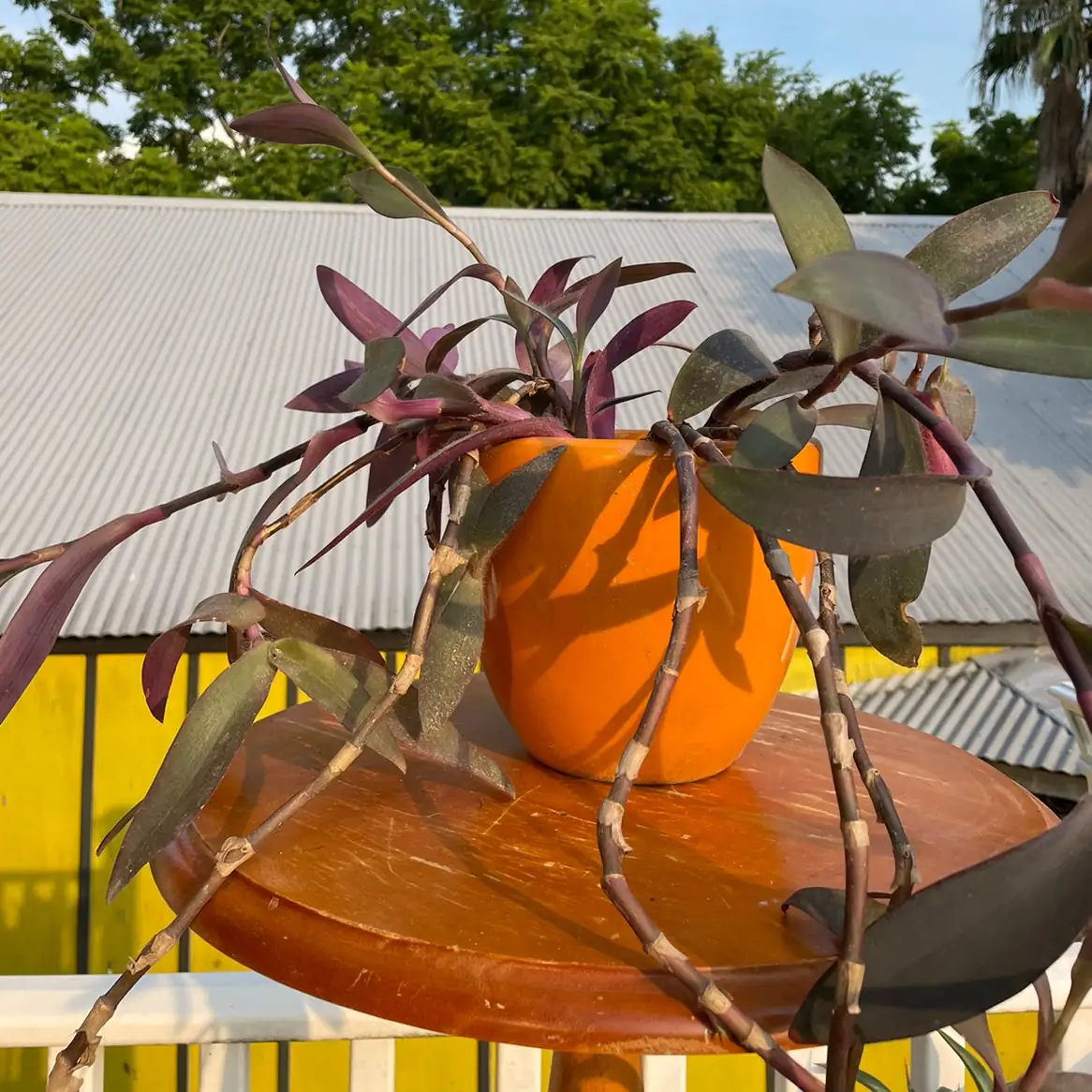
- Decorative Uses: With its striking color, the Purple Heart is a popular choice for ground covers and decorative gardens. Its cascading stems make it perfect for hanging baskets and containers, adding a splash of color indoors or out.
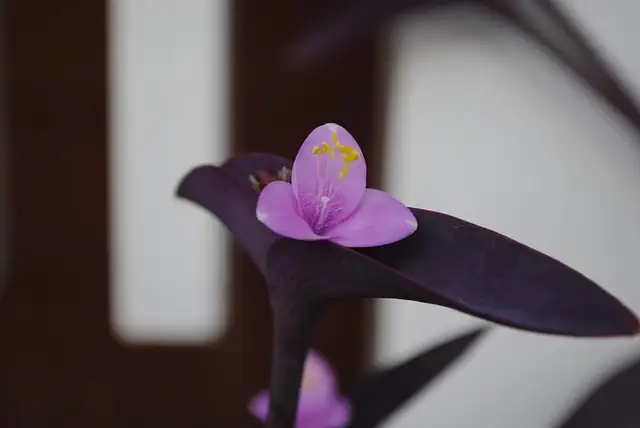
- Emotional and Spiritual Balance: Incorporating this plant into living spaces can support emotional healing and spiritual growth. Its heart-shaped leaves are a reminder of the healing power of love and self-compassion.
- Special Occasions: Whether for an anniversary or a memorial, the Purple Heart conveys deep emotions, making it a thoughtful gift for those we cherish.
Caring for Your Purple Heart
This plant’s easygoing nature makes it ideal for both novice and experienced gardeners. It thrives in bright light, which intensifies its purple color, and needs minimal watering—making it forgiving of a missed schedule. Regular pinching helps maintain its bushy form, while stem cuttings provide an easy way to propagate new plants.
Conclusion
The Purple Heart is a plant that transcends its physical beauty, offering a wealth of cultural and spiritual significance. It stands as a symbol of love, wisdom, and resilience, inviting us to embrace life’s fleeting moments and to nurture our inner strength. Whether as a vibrant addition to your garden or a spiritual companion indoors, the Purple Heart enriches our lives with its presence and its stories. So, next time you see its rich purple leaves, let them remind you of the transformative power of love and the enduring beauty of wisdom.