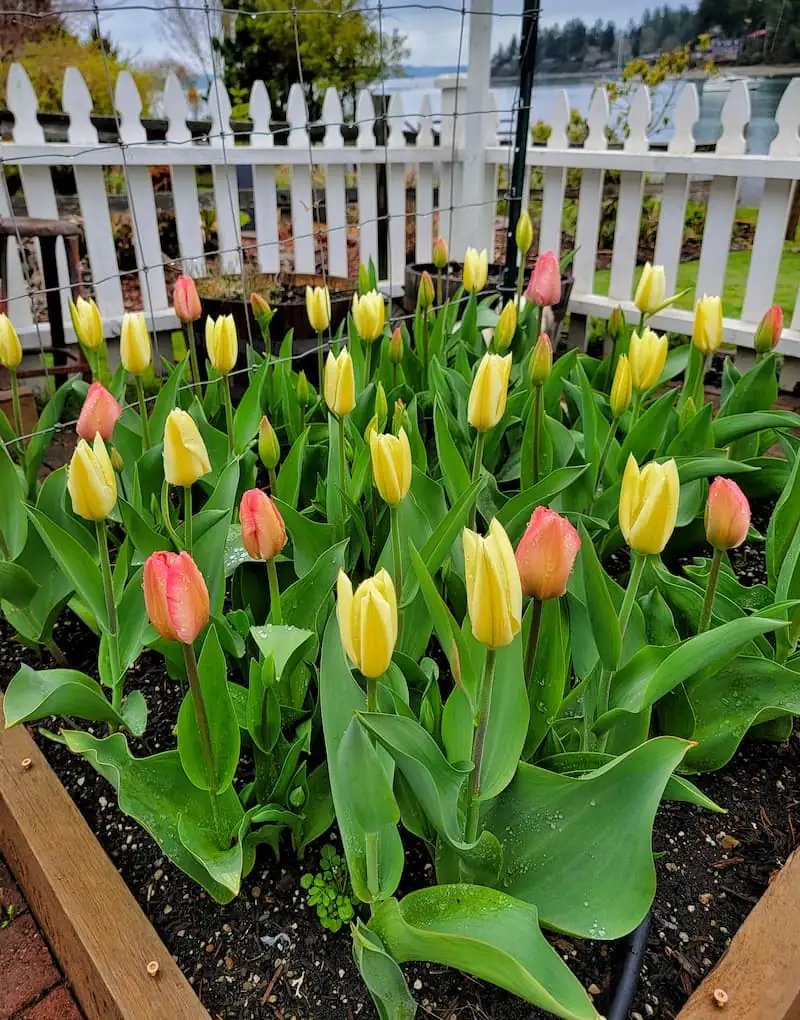
Tulips, those enchanting springtime celebrities, have long captivated gardeners worldwide with their vibrant colors and elegant forms. But what if I told you that, aside from their stand-alone beauty, tulips can also play a starring role in a dynamic garden ensemble? Enter the art of companion planting—a practice that not only enhances the visual appeal of your garden but can also naturally manage pests and promote healthier plant growth.
Why Companion Planting with Tulips?
Imagine your garden as a symphony, with tulips as the lead violinists. While they deliver a breathtaking solo performance, the addition of harmonious plant companions can elevate your garden from a simple recital to a full-blown concert. By carefully selecting plants that bloom alongside or after tulips, you can create a continuous parade of color and texture from early spring into summer.
Moreover, companion planting isn’t just about aesthetics. It can also help manage pests naturally, reducing the need for chemical interventions. Certain plants can repel unwanted insects or attract beneficial ones, creating a balanced ecosystem that supports your garden’s health.
Perfect Partners for Tulips
When considering companions for your tulips, it’s important to match their growing needs. Tulips thrive in full sun and well-drained soil, so choose plants that share these preferences. Here are some fantastic companions to consider:
Early Bloomers
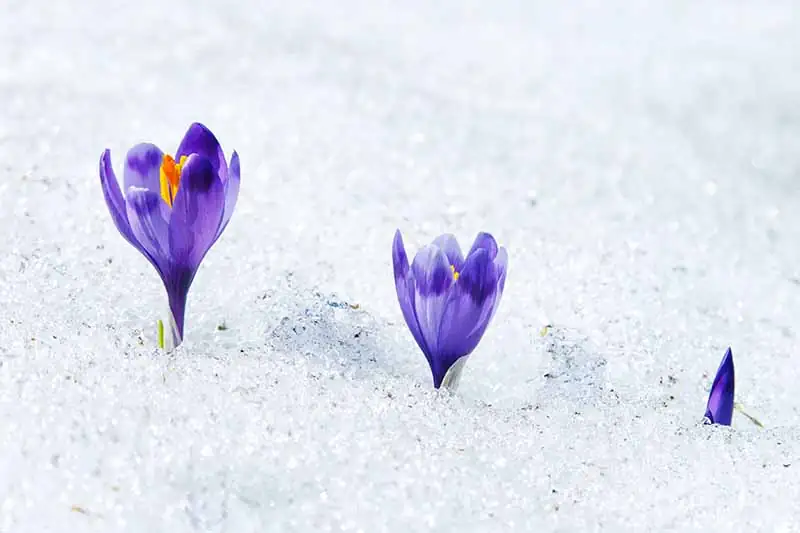
- Crocus: These petite, early risers are often the first to greet spring, popping through the snow with their cheerful hues of purple, yellow, and white. Their low height makes them perfect for the front of tulip beds, providing a beautiful carpet of color.
- Snowdrops: With their delicate, nodding white flowers, snowdrops offer a fairy-tale quality to your garden. They thrive in the same conditions as tulips and add an elegant touch to early spring displays.
- Hyacinths: Known for their rich fragrance and vibrant colors, hyacinths add both olfactory and visual appeal. Their vertical flower spikes create a compelling contrast with the open tulip blooms.
Mid-Season Companions
- Daffodils: Bright and cheerful, daffodils make excellent partners for tulips. Their sunny yellows and whites can highlight and complement the diverse colors of tulips, bringing a joyful burst of spring to your garden.
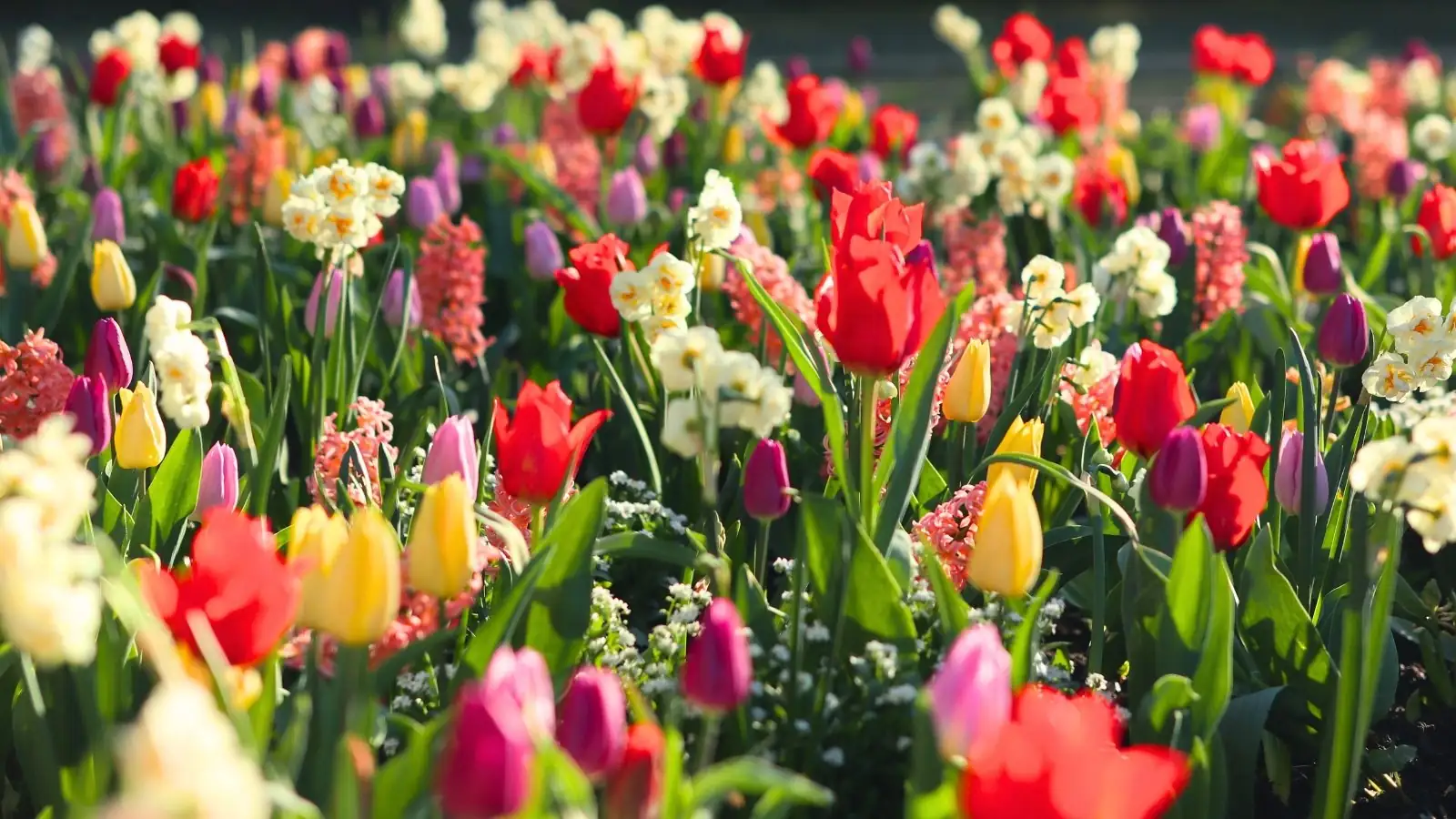
- Grape Hyacinths (Muscari): These small but mighty plants offer clusters of deep blue flowers that provide a striking contrast and fill in gaps between tulips with their prolific blooming.
- Forget-Me-Nots: Their charming blue flowers bloom around the same time as tulips, adding a soft touch of color and texture to your garden.
Late Bloomers
- Alliums: Known for their spherical, globe-like flowers, alliums add height and structure to the garden. Their late blooming period ensures your garden remains lively even after the tulips have faded.

- Irises: With their sword-like leaves and intricate flowers, irises can follow tulips in the blooming sequence, providing a seamless transition into summer.
Creating a Balanced Garden Ecosystem
Aside from aesthetic benefits, these companion plants contribute to a healthier garden ecosystem. For instance, marigolds, with their bright, sunny blooms, are known to deter certain pests, while attracting pollinators that benefit all flowering plants in the vicinity.
Integrating a mix of flowering times and plant heights can also help camouflage the less glamorous phase of tulips—the browning of their foliage post-bloom. By the time your tulips are ready to rest for the season, their companions will have taken over the spotlight, keeping your garden vibrant and appealing.
Final Flourishes: Color and Texture Combinations
The joy of gardening lies in experimentation. Play with different color palettes and textures to find what resonates best with your personal style. Whether you opt for a harmonious blend of pastels or a dramatic contrast of deep purples against bright yellows, the possibilities are endless.
So, are you ready to transform your tulip garden into a vibrant symphony of color and life? With the right companions, your garden will not only look stunning but also thrive in harmony, making each spring a celebration of nature’s artistry.