Propagating Tulips: A Blooming Guide to Expanding Your Garden
Ah, the tulip! With its kaleidoscope of colors and elegantly simple form, this classic spring flower can transform any garden into a vibrant canvas of beauty. Whether you’re enchanted by their history or just love their cheerful presence, learning how to propagate tulips can help you cultivate a never-ending supply of these stunning blooms. Let’s dive into the art of tulip propagation, focusing on the most efficient method: bulb division.
Understanding Tulip Reproduction
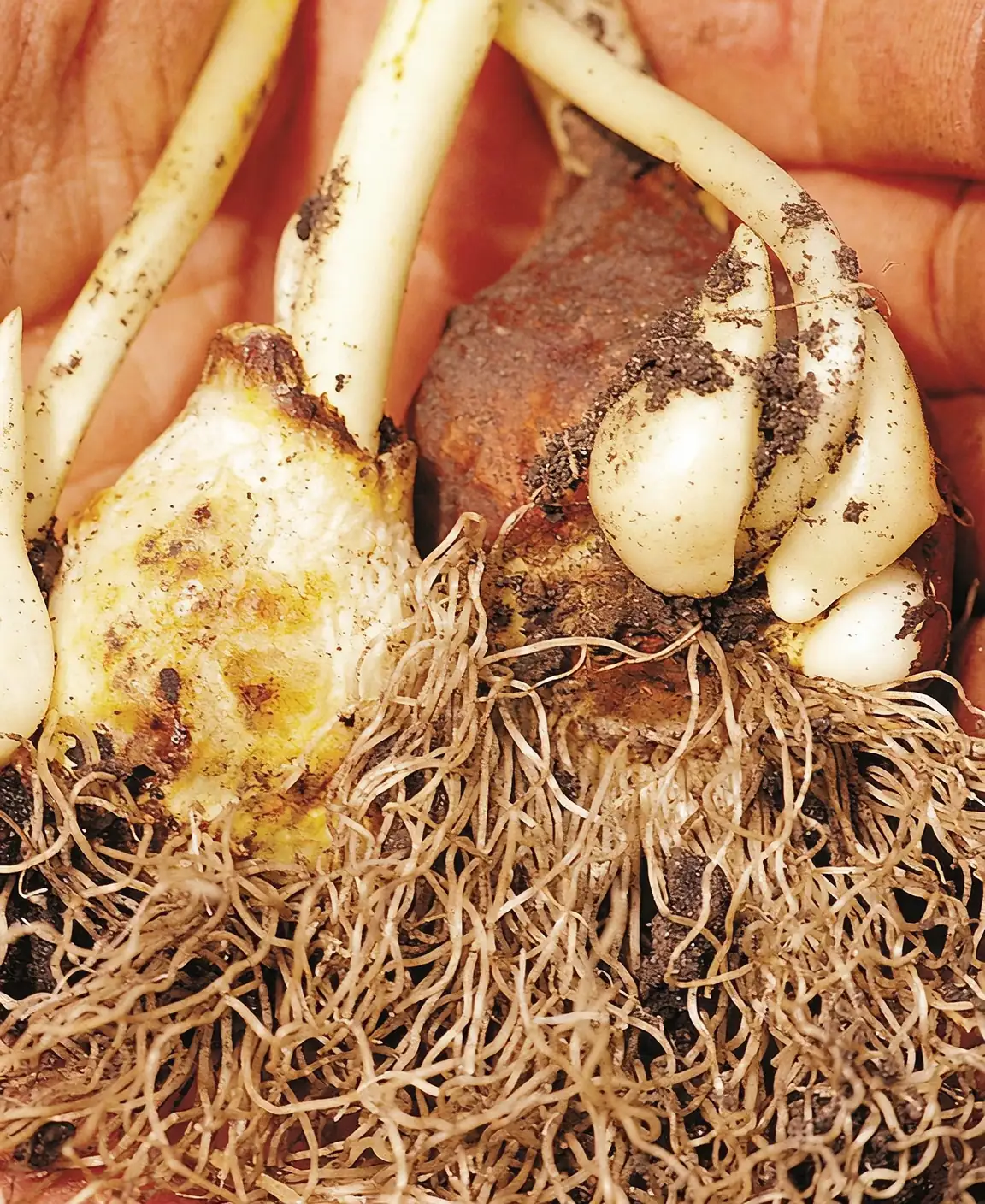
Tulips, like a well-rehearsed performance, follow a precise life cycle. Each bulb you plant will bloom gloriously, only to shrivel and give way to a new generation. This cycle involves the production of a “daughter” bulb, which flowers in the subsequent spring, and several smaller “offsets” that will eventually grow large enough to bloom themselves.
But why rely solely on nature’s timing? With a little intervention, you can ensure a robust tulip collection that keeps on giving. The most straightforward method to propagate tulips is through bulb division, a process that allows you to introduce new life to your flower beds with a bit of planning and care.
Step-by-Step Guide to Bulb Division
Step 1: Timing is Everything
The key to successful tulip propagation is timing. Plan to divide your tulip bulbs in the fall, after the foliage has died back but before the ground freezes. This is when the bulbs are dormant, making them less vulnerable to damage.
Step 2: Locate Your Tulip Clumps
Mark your tulip locations in the spring when they’re in full bloom. Use stones or stakes to ensure you can find them easily come autumn. This prevents any accidental damage during digging.
Step 3: Lift and Separate Bulbs
In early fall, gently dig up the bulbs using a garden fork. Be careful not to pierce or damage the bulbs as you lift them from the soil. Brush off excess dirt and carefully separate the offsets from the main bulb. It’s like a family reunion, with each bulb ready for its own new journey.
Step 4: Prepare the Soil
Tulips thrive in well-draining soil. Before replanting, loosen the soil to a depth of about 8 to 12 inches and add compost if needed for extra nourishment. This sets the stage for healthy root development.
Step 5: Replant with Care
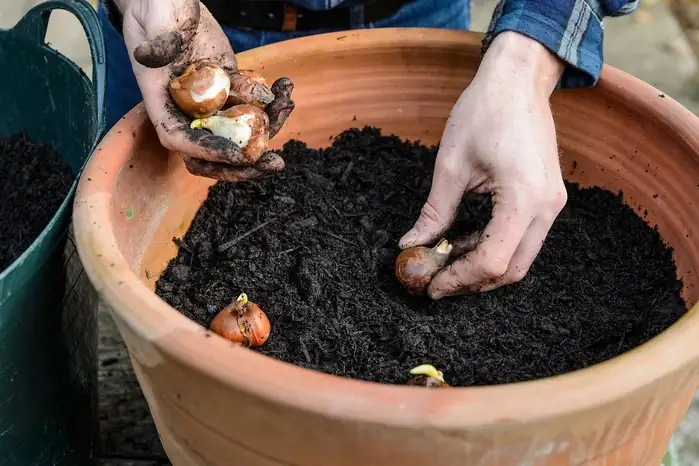
Plant the separated bulbs and offsets at the appropriate depth—typically 6 to 8 inches deep for hybrid tulips, and 3 to 5 inches for smaller species. Space them about 4 to 6 inches apart to give each bulb room to grow.
Step 6: Water and Wait
After planting, water the bulbs well to settle the soil around them. Then, let the magic of nature take over. As winter approaches, the bulbs will rest, preparing to burst forth with life in the spring.
Ensuring a Thriving Tulip Collection
Tulips appreciate a “cool-and-dry” cycle, thriving in well-drained soil and needing a period of dormancy. To maintain a vibrant garden, consider these tips:
- Sunlight: Position your tulips in full sun, especially in cooler climates. In warmer areas, morning sun or light afternoon shade can help prevent heat stress.
- Fertilization: A balanced bulb fertilizer during planting and when shoots first appear can bolster growth. Prioritize phosphorus and potassium for bloom quality.
- Watering: Keep soil lightly moist during growth. Avoid waterlogging, which can lead to bulb rot.
- Pest Management: Be vigilant for aphids, slugs, and diseases like Botrytis. Maintain good airflow and use clean, virus-free bulbs.
The Language of Tulips
Tulips whisper a secret language of love and beauty. In flower symbolism, red tulips declare passionate love, while yellow ones convey cheer and friendship. The myriad of colors and forms allows tulips to speak a universal language of joy and renewal, making them timeless messengers of springtime hope.
Conclusion
With a little care and a dash of patience, you can master the art of tulip propagation, filling your garden with these iconic blooms year after year. Whether you’re an experienced gardener or just starting, the journey of nurturing tulips is as rewarding as the blooms themselves. So grab your gardening gloves and get ready to let your tulip garden flourish!