Delightful and Surprising Facts About Tulips: Nature’s Colorful Charmer
With their vibrant hues and elegant forms, tulips are the quintessential harbingers of spring. But beyond their obvious beauty lies a world of quirky and surprising details that make them even more fascinating. Whether swaying gracefully in a garden or standing tall in a vase, tulips are the true stars of the floral world. Let’s dive into the delightful mysteries and captivating history of these beloved blooms.
A Name with a Twist
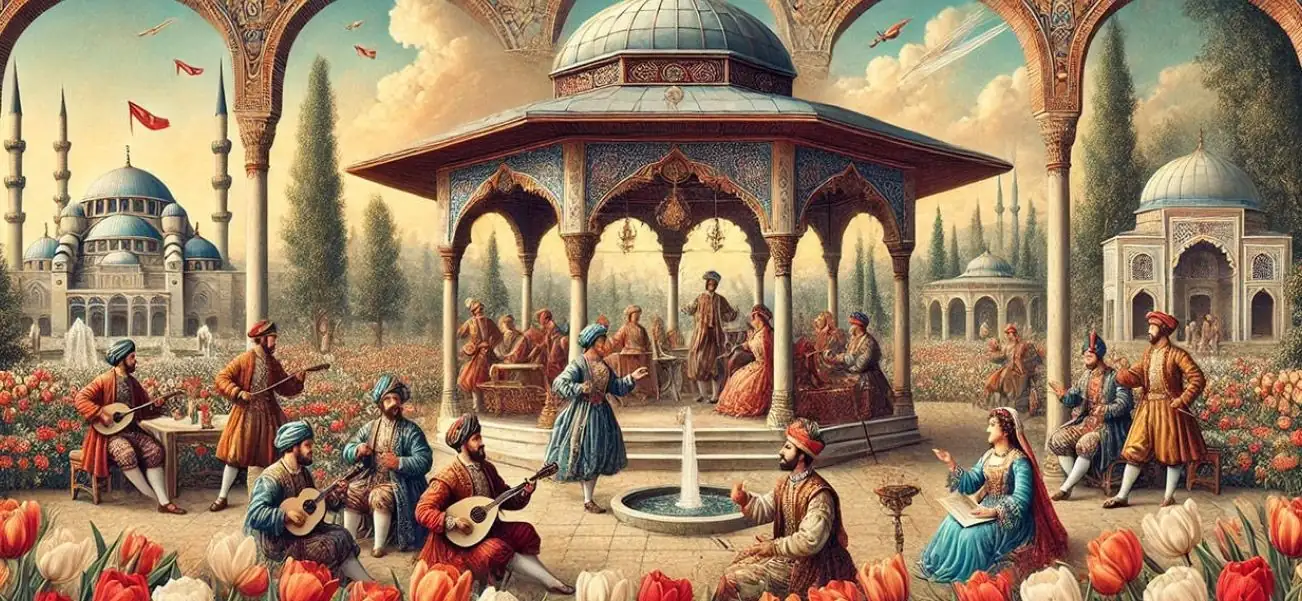
Did you know that the name “tulip” is linked to the shape of a turban? Originating from the Persian word delband, meaning “turban,” the name reflects the flower’s shape, which resembles the headwear that was popular in the Ottoman Empire. Imagine strolling through the Ottoman gardens filled with these “turban-shaped” beauties—a sight that must have been as enchanting then as it is now.
The Original Home of Tulips
While the Netherlands is globally famous for its tulip fields, these flowers didn’t start their journey there. Tulips are actually native to Central Asia, particularly the mountainous regions of Turkey and Iran. They were first cherished by the Turks around 1000 AD, who planted them in grand palace gardens. From there, these “magic flowers” embarked on a journey to capture hearts worldwide.
Tulip Mania: A Floral Frenzy
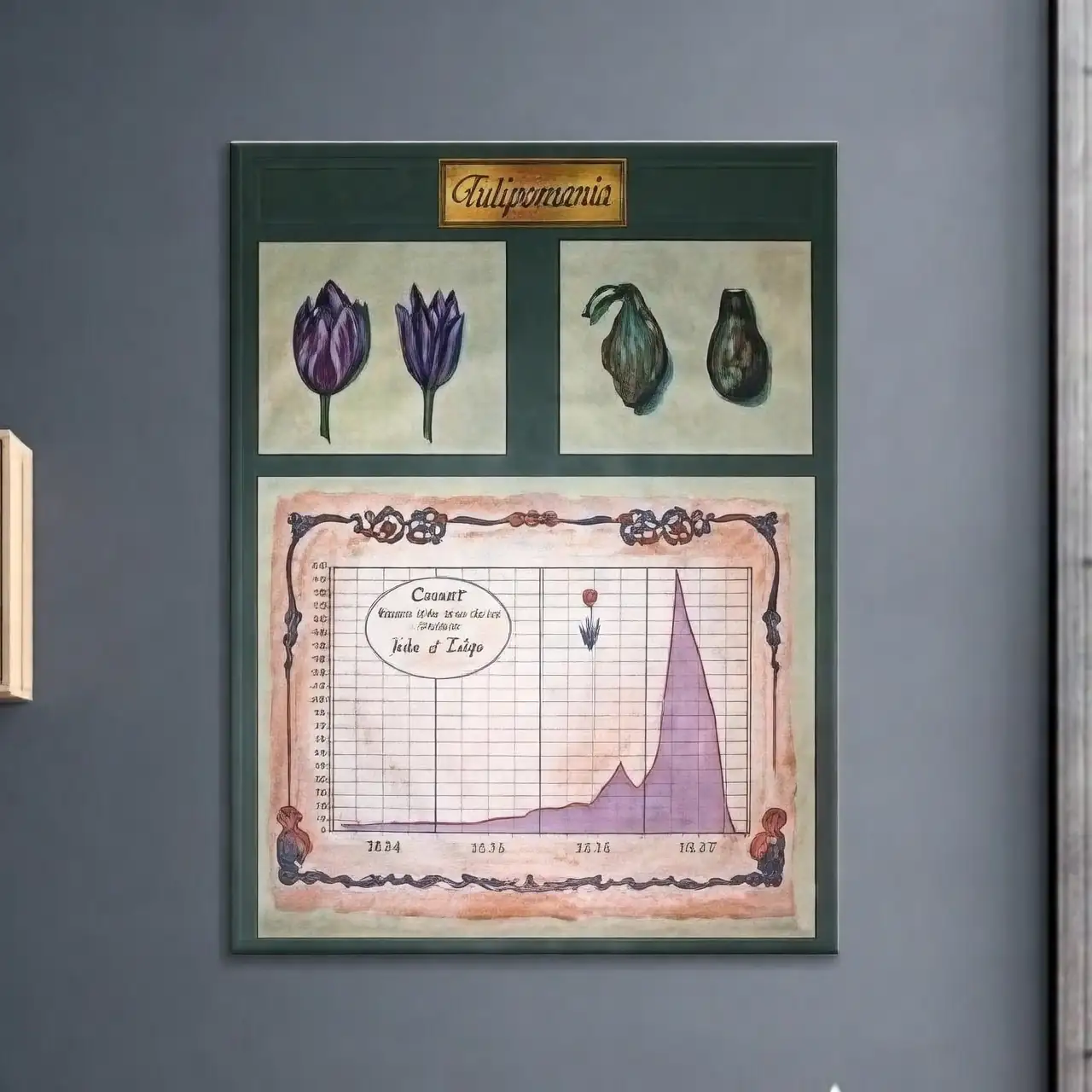
In the 17th century, tulips sparked one of history’s most famous economic bubbles—Tulip Mania. During this period, the price of certain rare tulip bulbs skyrocketed to the point where they were worth as much as a house on an Amsterdam canal. The frenzy ended abruptly in 1637 when the market crashed, but the allure of tulips remained, deeply ingrained in Dutch culture and economy.
A Rainbow of Meanings
Tulips are more than just pretty faces; they carry a rich symbolism in their colors:
- Red Tulips: A passionate declaration of true love.
- Pink Tulips: Affection and care, perfect for conveying good wishes.
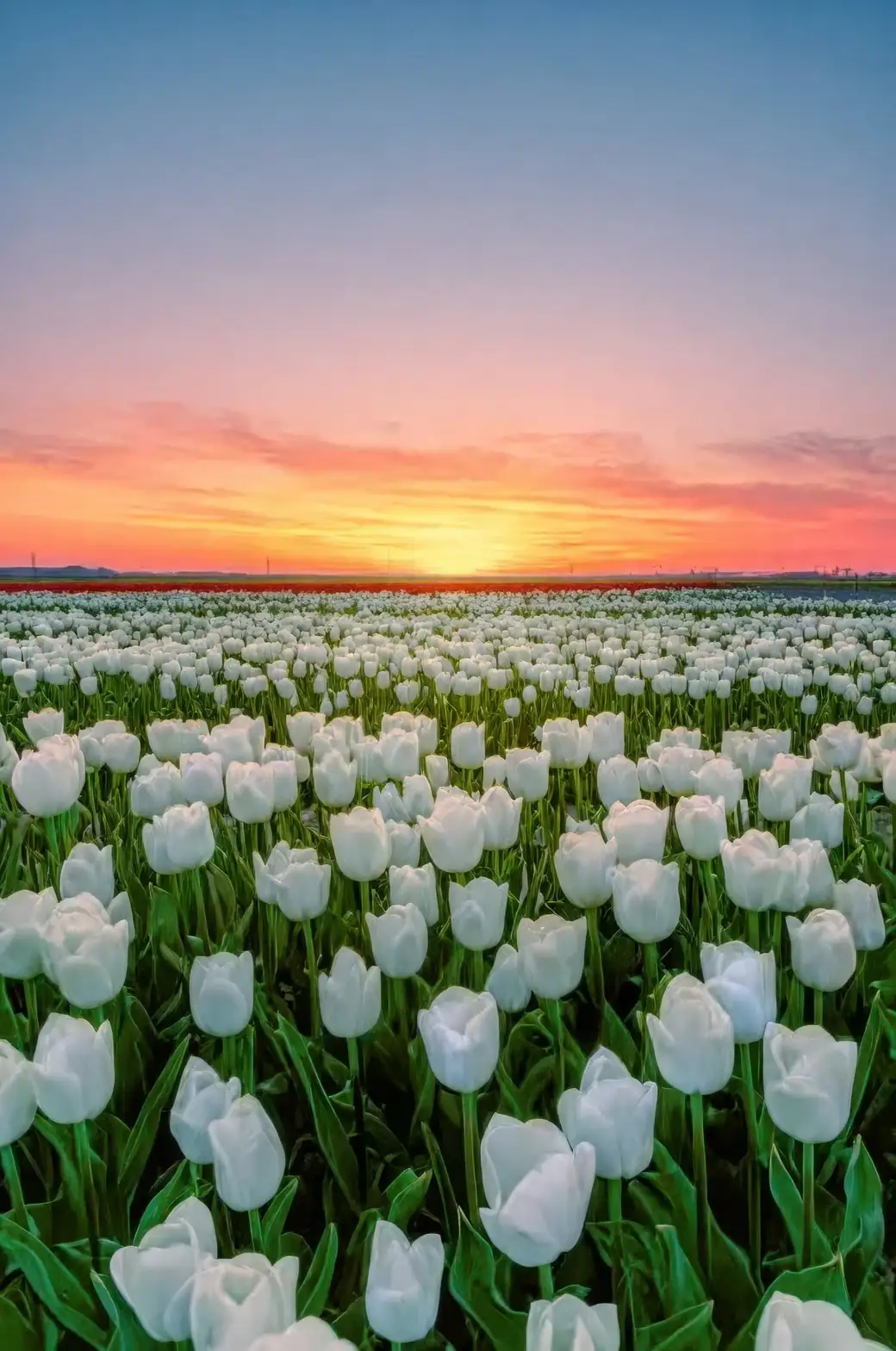
- White Tulips: Symbols of purity and forgiveness, they’re the floral equivalent of a heartfelt apology.
- Yellow Tulips: Bright and cheerful, they represent happiness and friendship but were historically linked to unrequited love.
- Purple Tulips: Signifiers of royalty and admiration.
- Near-Black Varieties: Mysterious and elegant, they speak to strength and dramatic beauty.
This colorful language of flowers, known as 花语 in Chinese, reflects the deep cultural connections humans have with these blooms, transcending borders and generations.
Phototropic Wonders
Tulips are not only beautiful but also scientifically intriguing. They are phototropic, meaning they respond to light by growing towards it. This trait is so pronounced that even when cut and placed in a vase, tulips continue to bend and reach for the nearest light source. So, if your tulip arrangement seems to be dancing on your kitchen table, it’s simply following its natural instincts!
Culinary Curiosities
While you wouldn’t typically think of tulips as food, history tells a different story. During times of famine, particularly in wartime Netherlands, tulip bulbs were used as a food substitute. They belong to the lily family, sharing this lineage with edible plants like onions and garlic. However, due to potentially toxic compounds, eating tulip bulbs isn’t recommended today.
The Magic of Transformation
Tulips undergo a magical transformation each growing season. The bulb you plant in autumn isn’t the same one you dig up in summer. Throughout its life cycle, a tulip bulb regenerates, forming a replacement bulb and sometimes offsets, ensuring the continuation of its vibrant legacy.
A Global Phenomenon
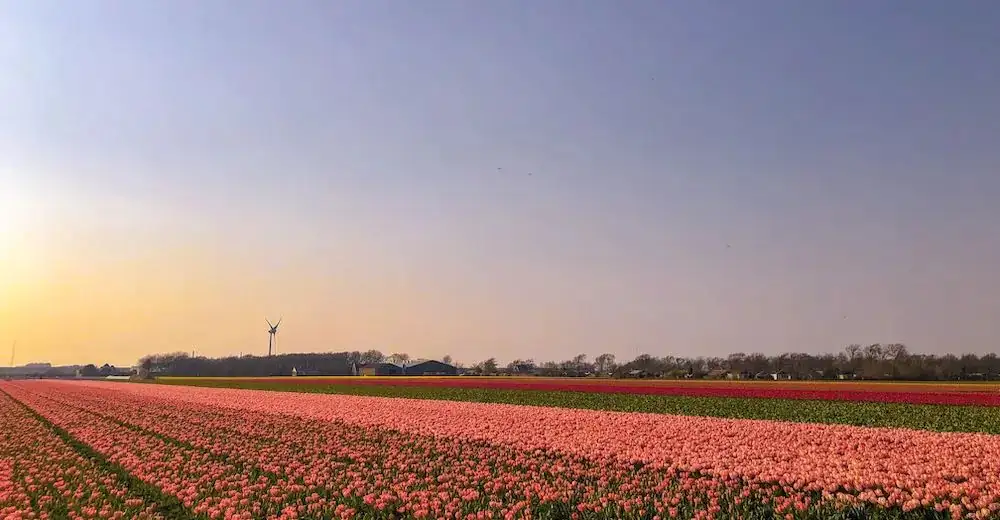
From the sprawling fields of the Netherlands to grand festivals worldwide, tulips continue to captivate. These festivals celebrate the fleeting beauty of tulip blooms, which generally last only 7-10 days. Yet, this short-lived spectacle is part of what makes tulips so special and eagerly anticipated each spring.
A Final Petal of Wisdom
Tulips are not just flowers; they are storytellers, carrying tales of history, culture, and the sheer wonder of nature. They invite us to marvel at their beauty and ponder their stories, reminding us that even the simplest blooms hold a universe of secrets waiting to be discovered. So the next time you spot a tulip, take a moment to appreciate not just its vibrant petals but the rich tapestry of history and science it represents.