The Swiss Cheese Vine: Nature’s Architectural Wonder
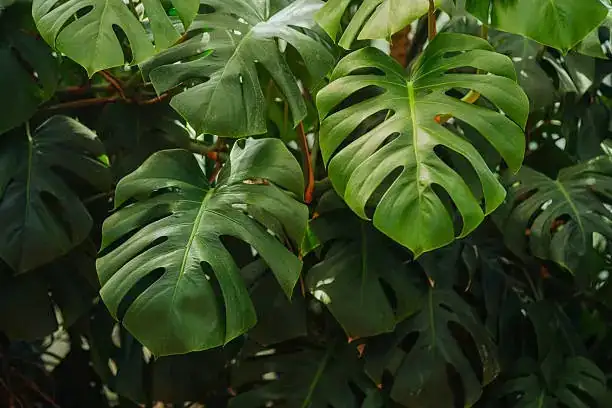
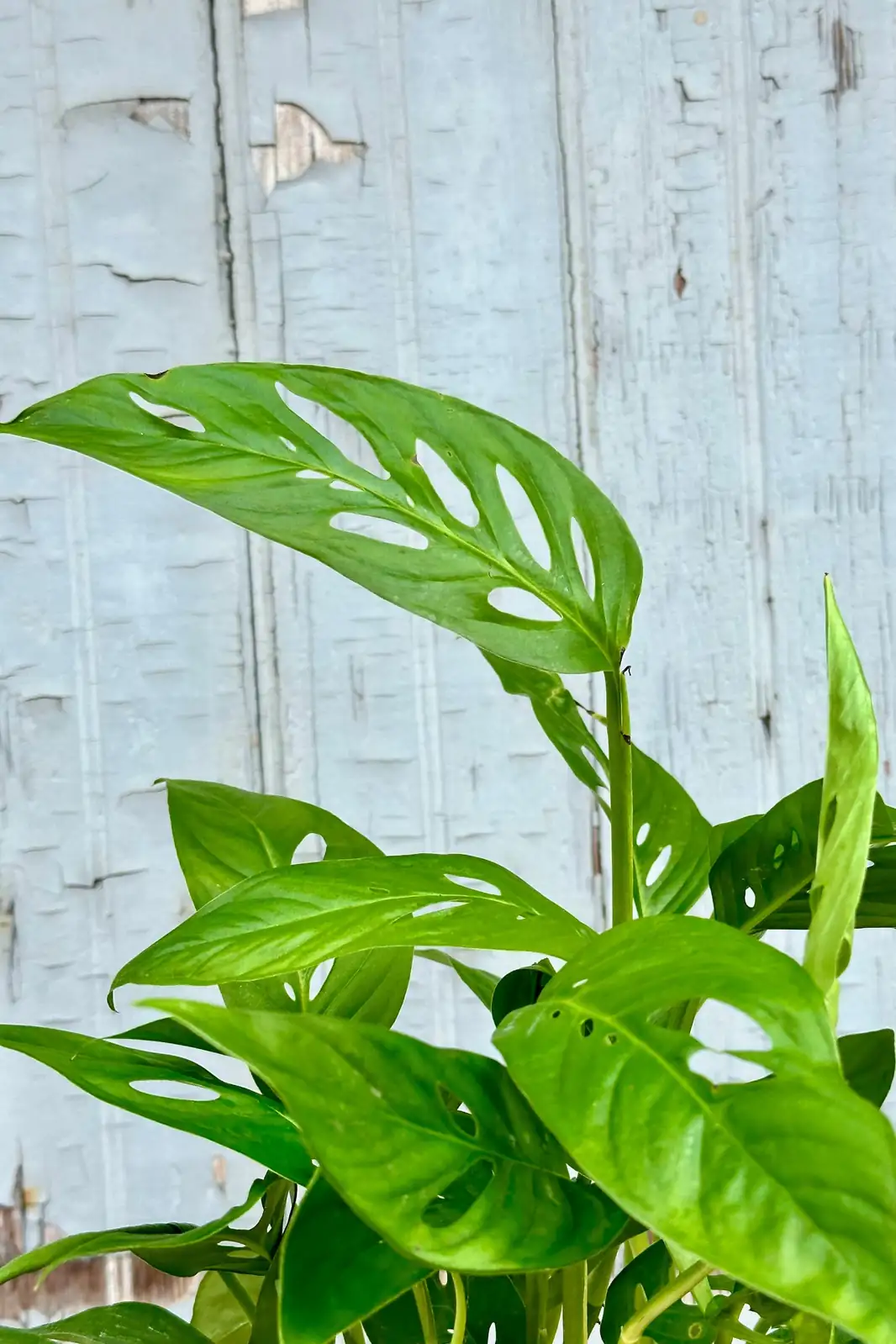
Imagine strolling through a lush, tropical rainforest where the air is thick with the scent of earth and foliage. Among the towering trees and vibrant underbrush, a curious plant catches your eye. Its glossy green leaves are punctuated with holes, resembling the pattern of Swiss cheese. This intriguing plant is none other than the Monstera adansonii, affectionately known as the Swiss Cheese Vine.
Why the Holes? Unraveling the Mystery of Fenestrated Leaves
The Swiss Cheese Vine’s most distinctive feature is its fenestrated leaves. But why does this plant, along with its cousins in the Monstera family, develop such peculiar perforations? The evolutionary purpose of this unique adaptation has puzzled botanists and plant enthusiasts alike. Here are a few theories that might just enlighten you:
Wind Resistance and Light Maximization
One popular theory is that the leaf holes help the plant withstand the strong, gusty winds common in its native tropical rainforest habitats of Central and South America. By allowing wind to pass through effortlessly, the plant’s delicate leaves are less likely to be torn or damaged. It’s akin to a finely engineered skyscraper that sways with the wind rather than resisting it.
Moreover, these perforations might also serve a more peaceful purpose—light distribution. In the dense canopy of the rainforest, every ray of sunlight is precious. The holes in the leaves could potentially allow more sunlight to filter through to the lower leaves, optimizing photosynthesis throughout the plant.
Water Management
Another hypothesis suggests that the fenestrations help manage water. In the rainforest, where heavy rains are frequent, these holes might allow water to drip through the leaves more evenly, preventing waterlogging and ensuring that the plant and its epiphytic allies share the bounty.
Benefits of Fenestration in the Wild
The fenestrated leaves of the Monstera adansonii are not just for show. They play an essential role in the plant’s survival and adaptability. Here’s how these quirky holes benefit the plant:
- Structural Integrity: By reducing the surface area of the leaves, the plant decreases the risk of damage from heavy rains and strong winds.
- Improved Photosynthesis: The additional light reaching lower leaves means the entire plant can photosynthesize more efficiently, supporting its growth and vitality.
- Aesthetic Charm: While not an evolutionary advantage, the striking appearance of the leaves endears the plant to humans, increasing its chances of propagation and care as a popular houseplant.
Bringing the Rainforest Home
The Monstera adansonii has made its way from the humid rainforests to our living rooms, where it continues to captivate plant lovers with its unique foliage. Here’s how you can keep your Swiss Cheese Vine thriving indoors:
Light and Placement
Place your Monstera adansonii in a spot with bright, indirect light. Too little light, and the leaves might lose their fenestrations; too much direct sun, and the leaves might scorch. It’s much like finding the perfect spot for a favorite reading chair—cozy with just the right amount of natural light.
Humidity and Temperature
This tropical plant thrives in environments with higher humidity. If your home is on the drier side, consider using a pebble tray or a humidifier. Temperature-wise, keep it snug in the 18–27°C (65–80°F) range, away from cold drafts or heat vents.
Watering Wisdom
The Swiss Cheese Vine prefers its soil to dry out slightly between waterings. Overwatering is a common pitfall, so let the top 2.5–5 cm (1–2 in) of soil dry before watering again. Think of it as waiting for the sponge cake to cool before you frost it—patience is key.
The Symbolism of the Swiss Cheese Vine
In the world of plant symbolism, Monstera adansonii is often associated with openness and the idea of “making space.” The holes in its leaves are thought to facilitate the flow of energy, contributing to a home atmosphere that is abundant, welcoming, and full of life.
Conclusion: A Botanical Delight
Whether you’re a seasoned plant parent or a budding enthusiast, the Monstera adansonii offers both aesthetic appeal and a touch of the wild to your indoor space. Its fenestrated leaves are a testament to nature’s ingenuity, serving practical purposes while delighting the eyes and sparking curiosity. As you nurture your Swiss Cheese Vine, remember that each hole tells a story of adaptation and survival—a narrative as rich and complex as the rainforest itself.