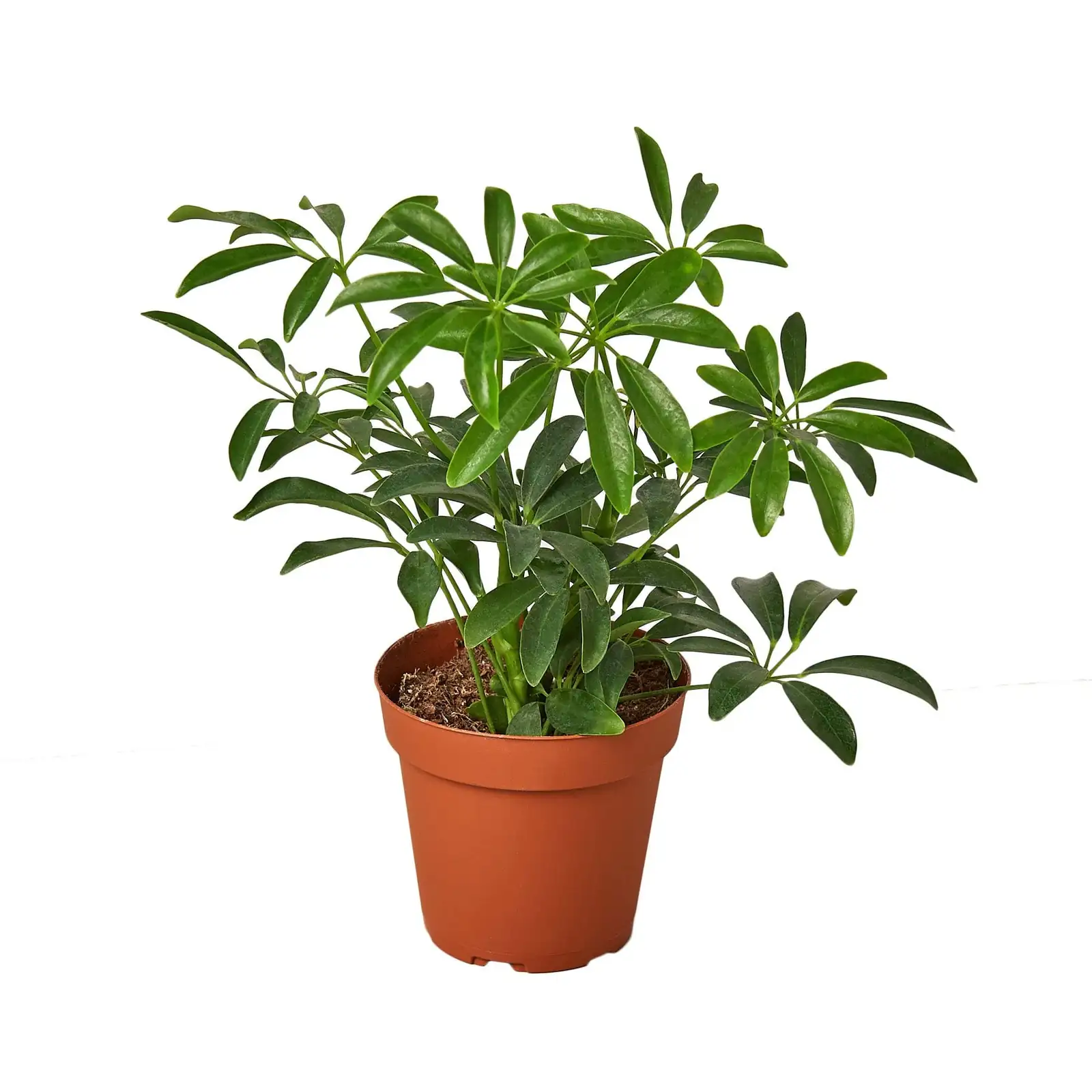
Imagine stepping into a room where the air feels fresher, the vibe is more serene, and your eyes dance from one lush greenery to another. The star of this indoor oasis? The Schefflera arboricola, commonly known as the Umbrella Tree. This plant, with its glossy, hand-like leaves, is the perfect blend of beauty and practicality. But why stop at one? Let’s explore how pairing it with complementary plants can elevate your space into a thriving, visually stunning indoor garden that maximizes air purification and aesthetic appeal.
The Umbrella Tree: A Quick Refresher
Native to the tropical regions of China and Taiwan, the Umbrella Tree is celebrated for its adaptability and forgiving nature. It stands tall with its shiny, oval leaflets radiating from a central stalk, much like the ribs of an umbrella. Indoors, it typically grows to about 4–6 feet, making it a perfect candidate for spaces that crave a touch of the tropics without the hassle of complex care routines.
But like any social creature, the Umbrella Tree thrives best when it’s part of a community. So, which plants make the best companions for this green gem? Let’s dive into a world of lush pairings.
Perfect Pairings for the Umbrella Tree
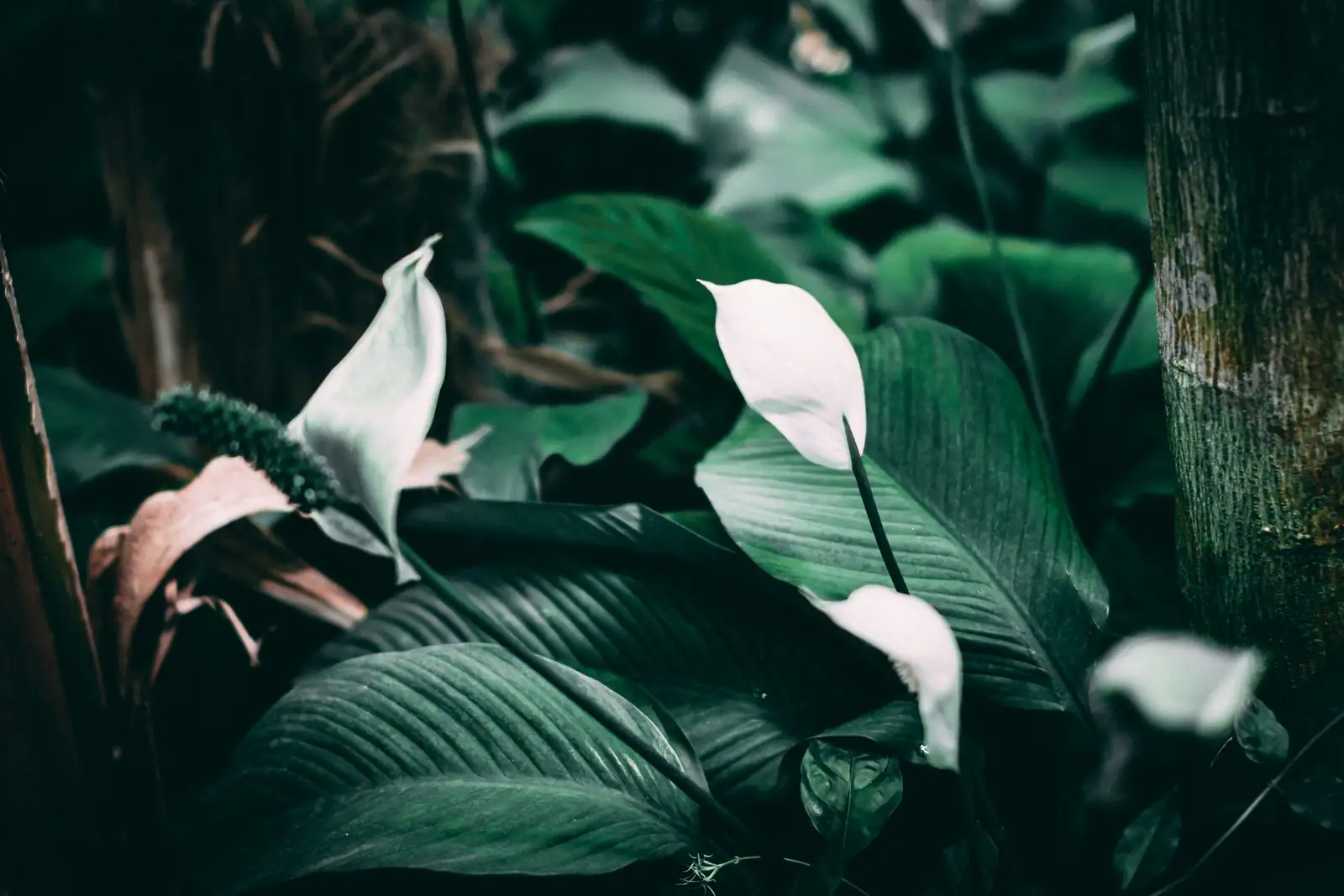
1. Peace Lily (Spathiphyllum spp.)
The Peace Lily is a fantastic partner for the Umbrella Tree. With its elegant white blooms and deep green foliage, it provides a striking contrast to the Umbrella Tree’s vibrant leaves. Both plants excel in similar lighting conditions—preferring bright, indirect light—and share a mutual love for a bit of humidity. This duo not only boosts the air quality by reducing pollutants but also enhances the tranquil ambiance of any room.
2. Snake Plant (Sansevieria trifasciata)
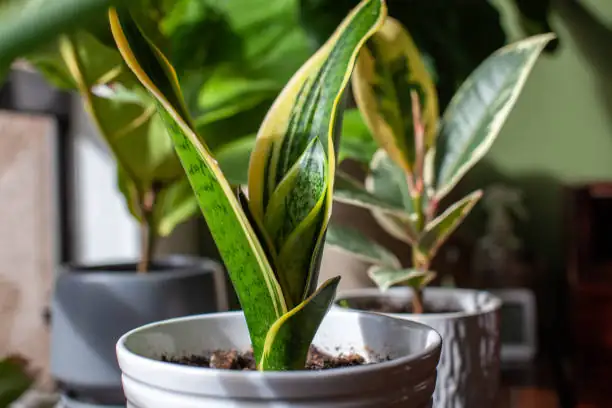
If you’re looking for a low-maintenance companion that can survive just about anything, the Snake Plant is your match. Known for its upright, sword-like leaves, it pairs beautifully with the more bushy Umbrella Tree. It thrives in low light and demands little water, making it an ideal neighbor for the Umbrella Tree, which appreciates but doesn’t demand constant attention.
3. Boston Fern (Nephrolepis exaltata)
For those who adore a touch of drama, the Boston Fern offers feathery, cascading fronds that complement the robust structure of the Umbrella Tree. This plant enjoys similar humidity levels and indirect light, creating a humid microclimate that both plants love. Together, they form a lush, textured landscape that’s hard to resist.
4. Pothos (Epipremnum aureum)
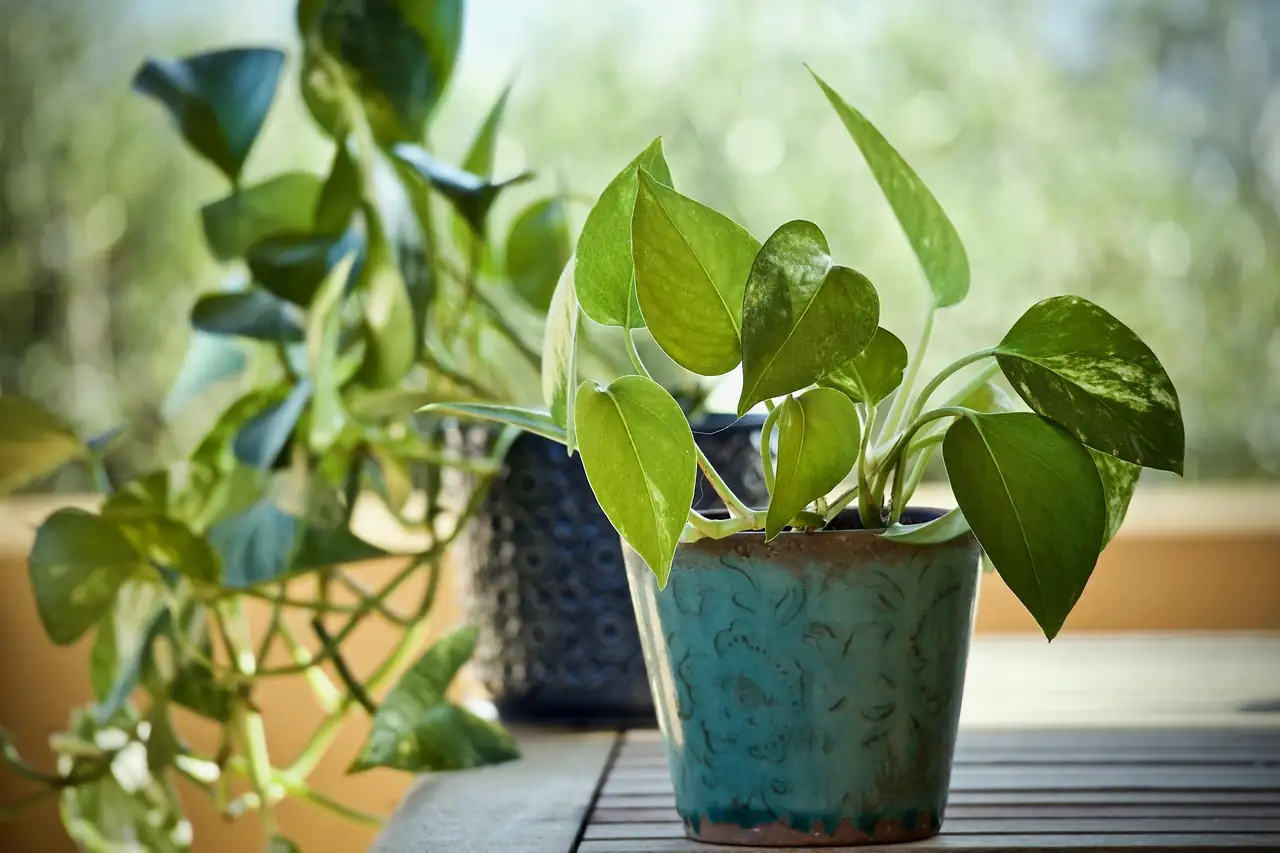
The trailing vines of a Pothos plant add a whimsical touch to the more structured Umbrella Tree. With its heart-shaped leaves and vining nature, Pothos can be trained to climb or cascade from pots, offering versatility in design. Both plants share a forgiving nature regarding watering schedules, making them compatible roommates in your indoor jungle.
Designing Your Indoor Oasis
Creating a cohesive indoor garden is an art. Consider the following tips to harmonize your plant companions:
- Layering Heights: Use the Umbrella Tree as the central piece. Surround it with shorter plants like the Peace Lily and Pothos, and add height with a Snake Plant.
- Texture Variations: Mix and match different leaf shapes and sizes to add depth. The contrast between the Umbrella Tree’s glossy leaves and the feathery fronds of a Boston Fern creates a dynamic display.
- Color Coordination: While greenery is the primary palette, don’t shy away from the occasional bloom—like the Peace Lily’s white flowers—for a pop of color.
Air Purification and Feng Shui
Besides their visual appeal, these plant combinations work wonders for air quality. The Umbrella Tree is known for its ability to absorb toxins like formaldehyde and benzene. When paired with other air-purifying plants, the effect is multiplied, creating a cleaner, healthier environment.
In Feng Shui, the Umbrella Tree is often associated with prosperity and harmony. Its “hand-like” leaves are said to gather good fortune from all directions. By surrounding it with plants that symbolize peace and resilience, you not only enhance your space aesthetically but also spiritually.
Conclusion
By thoughtfully pairing the Umbrella Tree with these complementary plants, you’re not just building a garden; you’re crafting a sanctuary. Whether you’re looking to improve air quality, enhance décor, or simply enjoy the serenity that plants bring, the right plant companions can transform your space into a lush, green paradise. So, go ahead, mix and match, and let your indoor oasis thrive!