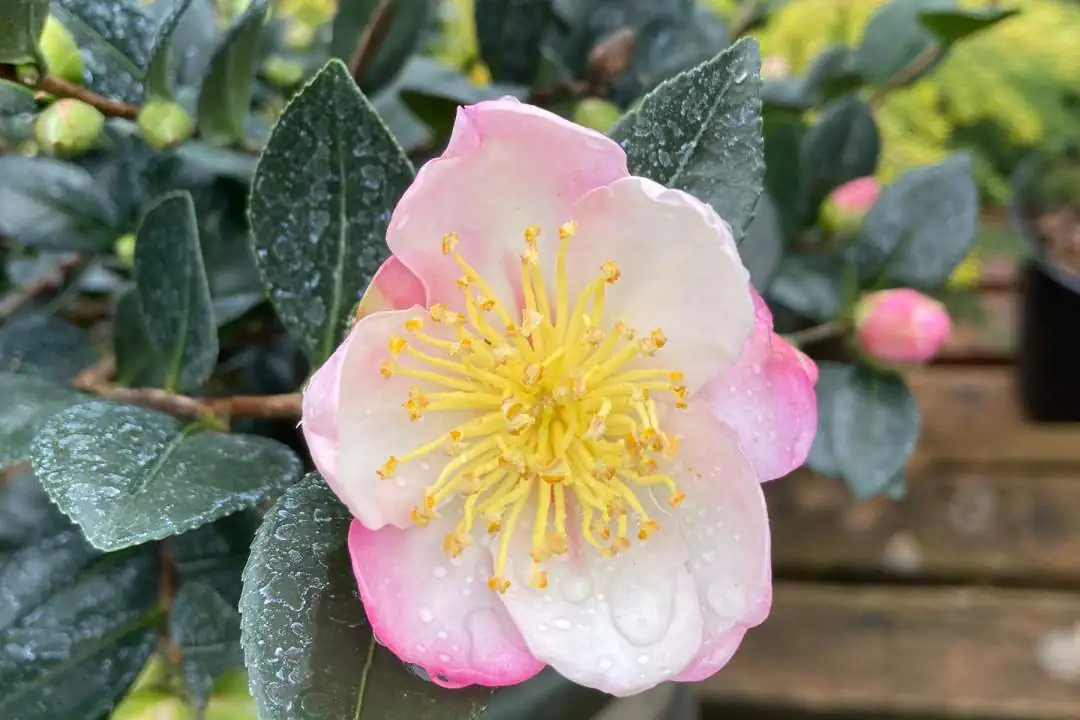
Imagine strolling through a serene garden in the heart of winter, when most plants have surrendered to the cold, only to be greeted by the vibrant blooms of the Camellia japonica. Known as the “Queen of Winter Flowers,” these evergreen shrubs are a dazzling spectacle with their glossy leaves and showy flowers. But even royalty has its share of challenges. As a camellia enthusiast, you might occasionally find yourself playing the role of a botanical detective, troubleshooting common pests and diseases that can afflict these lovely plants.
Understanding the Common Pests
Scale Insects and Their Unwelcome Antics
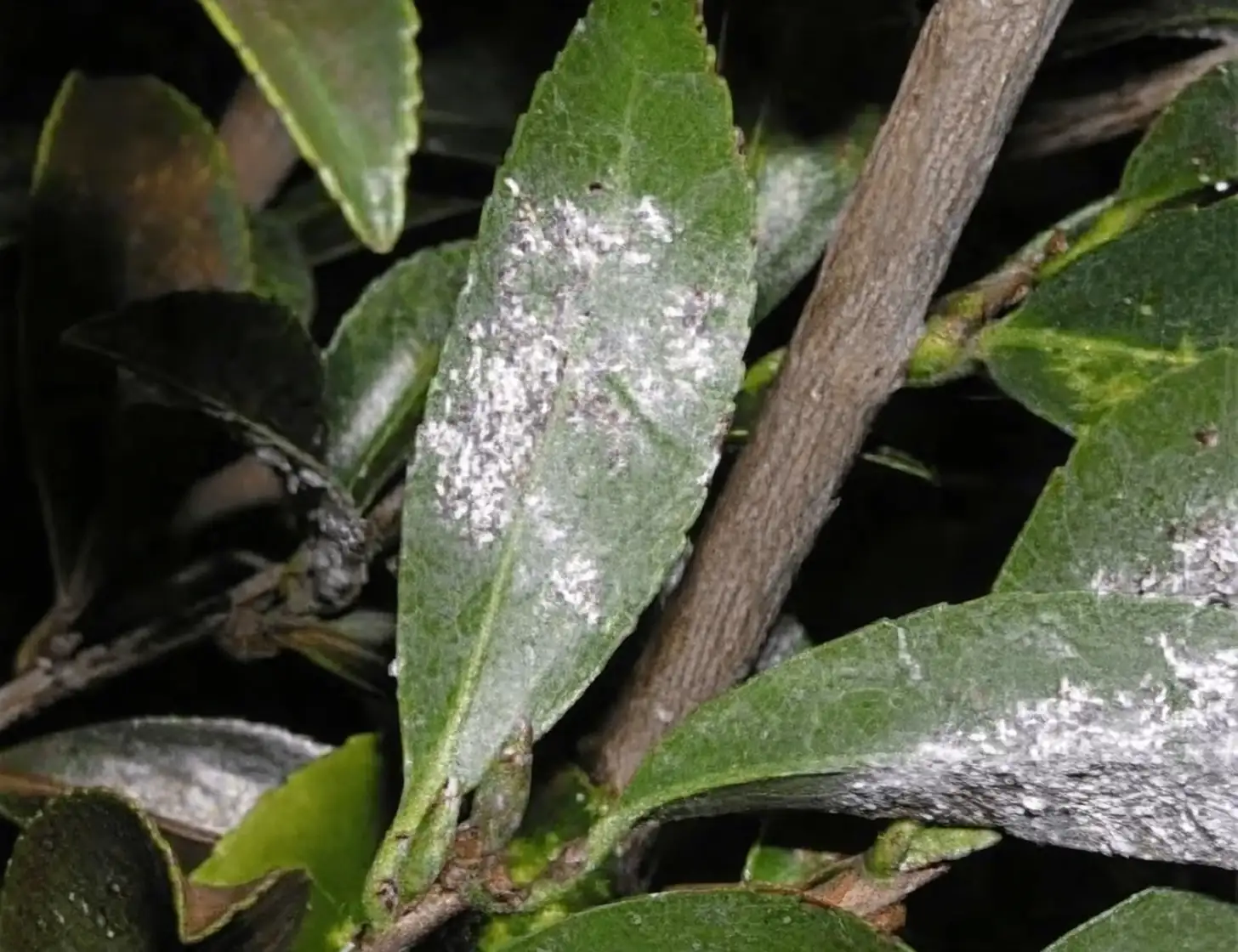
Camellias often fall prey to scale insects, small sap-sucking insects that can cause yellow mottling on the leaves. These pests are sneaky, typically hiding under leaves and resembling tiny white or brown bumps. If left unchecked, they can weaken your plant, leading to poor blooms and overall decline.
Solution: Scale insects can be managed with regular applications of horticultural oil or insecticidal soap. Apply these treatments early in the morning or late in the day to avoid leaf burn, and ensure good coverage on the undersides of leaves, where these pests like to hide.
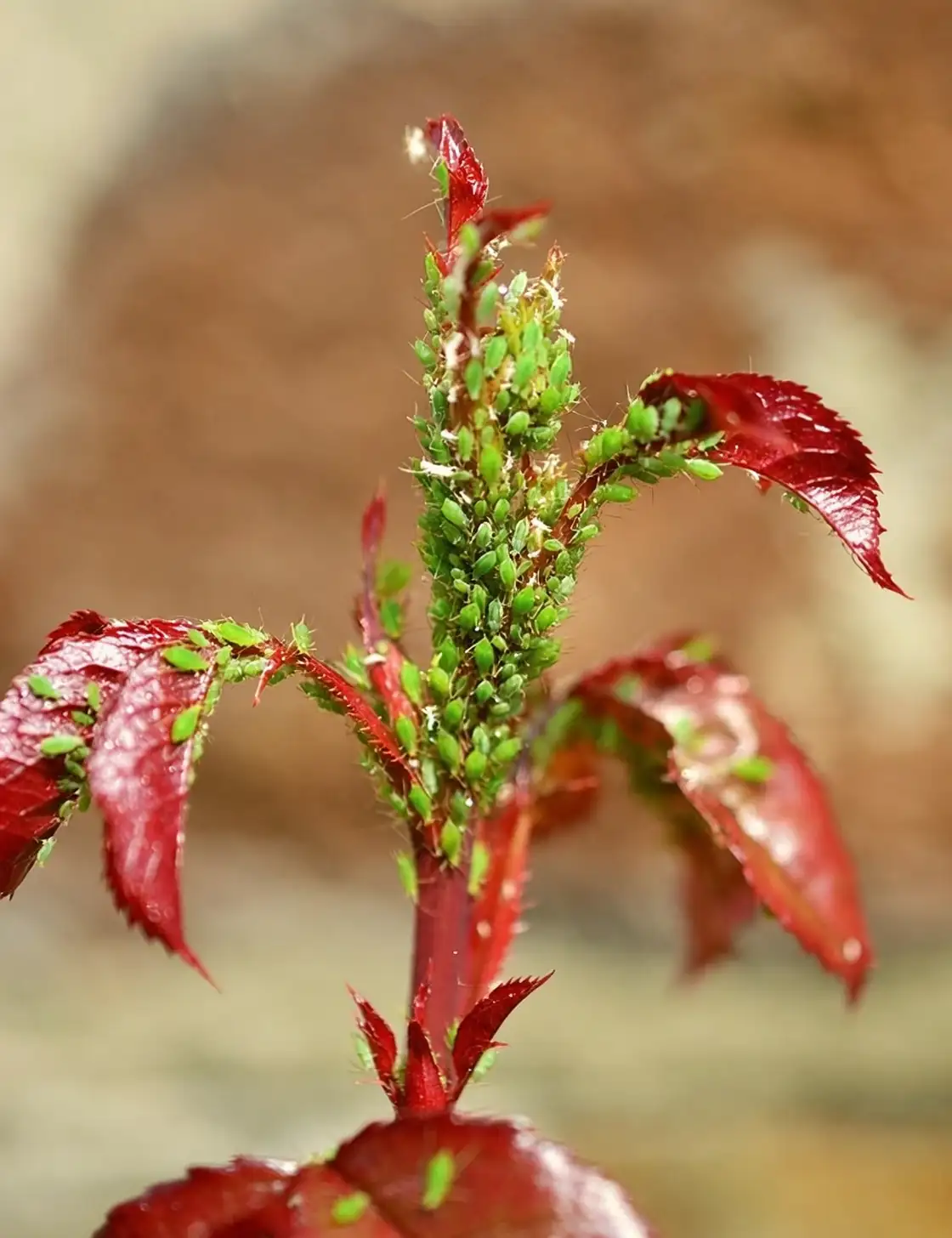
Aphids: The Tiny Green Invaders
Aphids are another common pest that loves the young, tender growth of camellias. These small, green insects can cause distorted leaves and attract ants due to the sticky honeydew they produce.
Solution: Combat aphids with insecticidal soap or neem oil. For a more hands-on approach, a simple spray of water can dislodge them. For severe infestations, systemic insecticides can offer longer-lasting protection.
Spider Mites: The Dusty Culprits
In dry conditions, spider mites can become a problem, giving the upper leaves a bronzed appearance. These tiny pests are often mistaken for dust due to their size and subtle webbing.
Solution: Increase humidity around your camellia to deter spider mites. Regular misting and maintaining good air circulation can help. For active infestations, miticides or insecticidal soap are effective treatments.
Battling Common Diseases
Flower Blight: When Blossoms Fade Prematurely
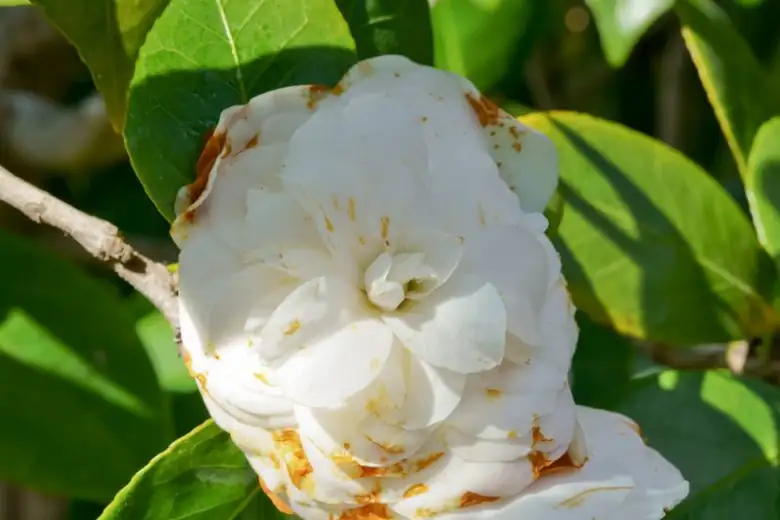
Nothing is more disheartening than watching your camellia’s blooms turn brown and blighted. Flower blight, caused by the fungus Ciborinia camelliae, can turn beautiful petals into a soggy mess, often triggered by wet conditions.
Solution: Remove and dispose of infected flowers promptly to reduce spore spread. While fungicides are available, cultural controls like improving air circulation and avoiding overhead watering are your first line of defense.
Dieback and Canker: The Silent Stem Killers
Camellia dieback and canker, caused by Glomerella cingulata, can be devastating. This disease causes branches to yellow and wilt, with cankers forming on the stems.
Solution: Prune diseased branches several inches below the affected area, disinfecting tools between cuts to prevent spread. Ensure your camellia is planted in well-drained soil and avoid wounding the plant, which can invite infection.
Algal Leaf Spot: The Uninvited Guest
Algal leaf spot, caused by Cephaleuros virescens, appears as raised, silvery-green patches on leaves. While not immediately harmful, it can weaken plants if left untreated.
Solution: Improve air circulation and remove heavily infected leaves. There are no fungicides for this particular issue, so keeping the plant healthy and vigorous is key.
Proactive Prevention: Your Best Defense
The secret to a thriving camellia lies in prevention. Here are some tips to keep your plant healthy:
- Soil and Watering: Ensure your camellia is in acidic, well-drained soil and water it with rainwater or dechlorinated water if your tap water is alkaline.
- Light and Temperature: Provide bright, filtered light and protect your camellia from harsh midday sun and extreme cold.
- Pruning and Sanitation: Regular pruning and sanitation practices, like disinfecting tools and removing debris, can ward off many diseases and pests.
- Fertilization: Use a camellia or azalea fertilizer to maintain soil acidity and support robust growth.
A Blooming Legacy
Camellias are not just plants; they are heirlooms. With a little diligence, your camellia can flourish, providing beauty and joy for decades. They symbolize love and devotion, a fitting emblem for the care you invest in them. So, take up the mantle of guardian for your camellia, and let its blooms light up your winter garden year after year.