Exploring the Symbolism and Cultural Significance of Ficus Lyrata
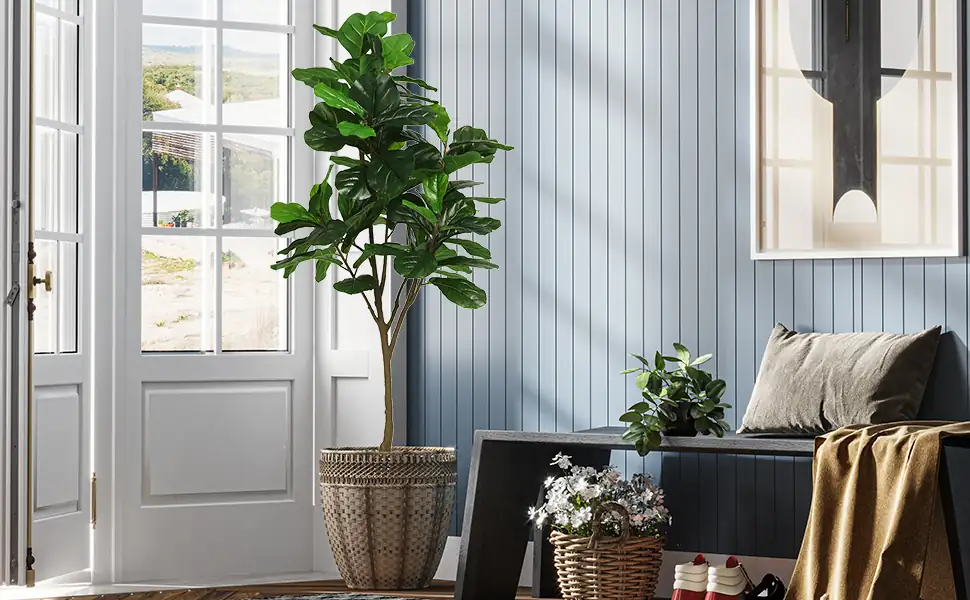
The Fiddle Leaf Fig, known scientifically as Ficus lyrata, is much more than just a pretty face in the plant world. With its grandiose, violin-shaped leaves and commanding presence, this plant has become a beloved icon in interior design. But beyond its aesthetic appeal, the Fiddle Leaf Fig is steeped in symbolism and cultural significance, particularly in the realms of feng shui and traditional beliefs about abundance and growth.
The Fiddle Leaf Fig in Feng Shui
In the ancient art of feng shui, the placement and energy of objects within a space are believed to influence the well-being and fortune of its occupants. The Fiddle Leaf Fig plays a starring role in this practice, thanks to its association with the Wood element. This element is all about growth, vitality, and harmony—qualities that the Fiddle Leaf Fig embodies with aplomb.
- Placement for Positive Energy: It’s recommended to place your Fiddle Leaf Fig in an East-facing spot to enhance family harmony and connectivity. This direction aligns with the Wood element, promoting a sense of renewal and growth. Imagine your plant as a green guardian, standing tall and fostering peace and prosperity in your home.
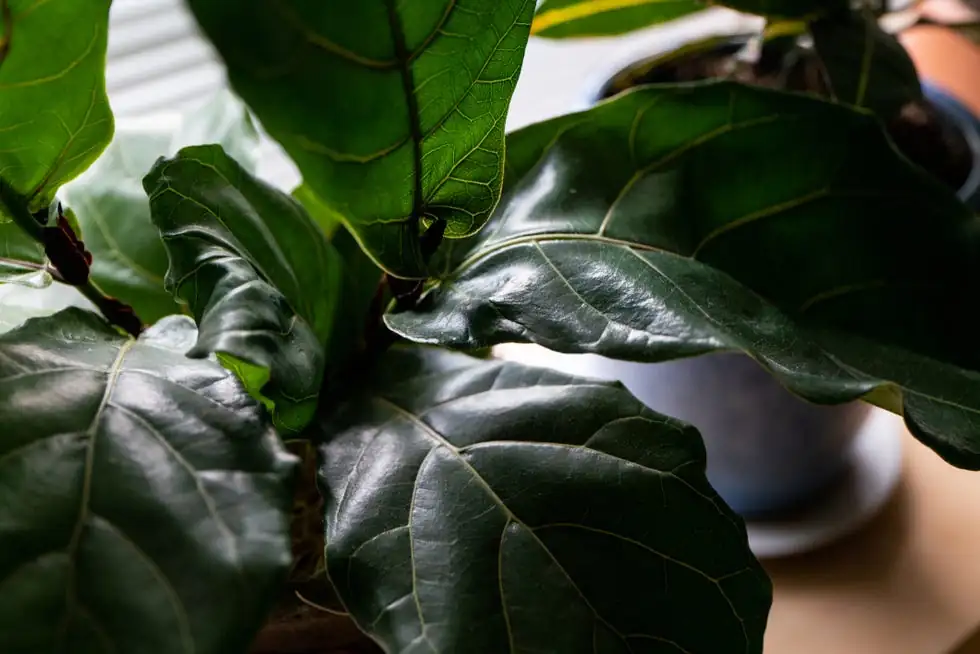
- Symbol of Prosperity: In feng shui, Zhen Qi, the life force, is believed to flow more freely with the presence of a healthy Fiddle Leaf Fig. Its robust growth and lush foliage symbolize prosperity and success, making it an auspicious gift for housewarmings or weddings.
Cultural and Symbolic Meanings
The symbolism of the Fiddle Leaf Fig extends beyond feng shui. Traditionally, fig trees have been emblems of fertility and abundance, and while the Fiddle Leaf Fig might not bear fruit indoors, it carries this legacy forward.
Historical and Artistic Resonance
- Artistic Muse: The lyre-shaped leaves of the Ficus lyrata have inspired artists and decorators alike. Their unique shape echoes the curves of a musical instrument, lending a sense of rhythm and balance to any room.
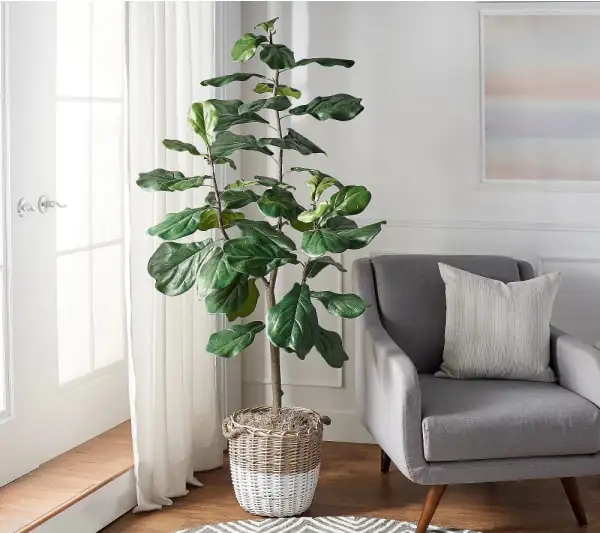
- Creative Symbol: Beyond its physical beauty, the Fiddle Leaf Fig represents new beginnings and growth. Its ability to thrive under the right conditions is akin to nurturing creativity and personal development.
The Fiddle Leaf Fig as a Statement Plant
Beyond its symbolic meanings, the Fiddle Leaf Fig is a showstopper in the world of interior design. Its large, glossy leaves and sculptural form can transform any space into a lush, green oasis.
- Interior Versatility: Whether you’re decorating a minimalist apartment or a cozy family home, the Fiddle Leaf Fig adapts effortlessly. Its towering presence can command a room, while smaller varieties like the ‘Bambino’ add a touch of green to tighter spaces.
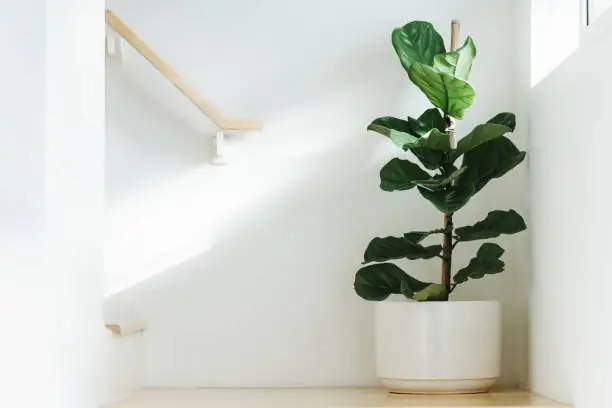
- Biophilic Benefits: The act of caring for a Fiddle Leaf Fig can also bring therapeutic benefits. Engaging with this plant can help reduce stress and boost your mood, thanks to our innate love for nature—a concept known as biophilia.
Caring for Your Fiddle Leaf Fig
While the Fiddle Leaf Fig can be a bit finicky, mastering its care routine can be deeply rewarding. Here are some tips to keep your plant thriving:
- Light: Bright, indirect light is essential. Think of it as finding the perfect spot that mimics its natural habitat in West African rainforests.
- Watering: Allow the top 5 cm (2 in) of soil to dry out before watering. This plant thrives on consistency, so avoid letting it sit in soggy soil.
- Humidity and Temperature: Aim for a humid environment and stable temperatures between 15–24°C (59–75°F). Steer clear of cold drafts and sudden temperature changes.
A Plant That Tells a Story
The Fiddle Leaf Fig is more than just a plant—it’s a living narrative of growth, harmony, and beauty. Whether you’re drawn to its feng shui benefits, its symbolic richness, or simply its striking good looks, this plant offers a unique blend of elegance and meaning. As you nurture your Fiddle Leaf Fig, consider the story it tells within your space: one of resilience, prosperity, and the enduring connection between nature and the spaces we call home.