Discover the Quirky Side of Ficus lyrata
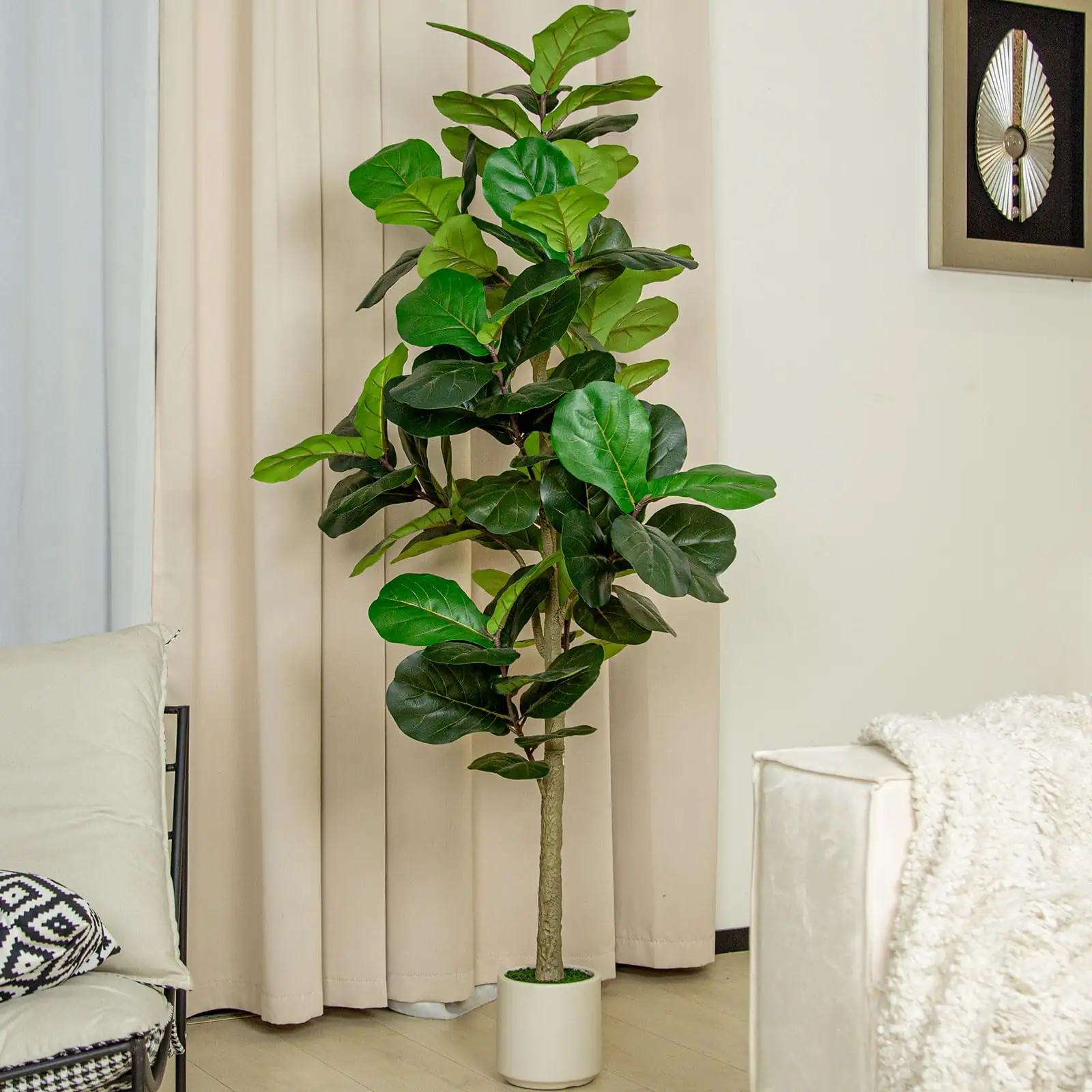
Picture a plant that’s as much of an interior design darling as a source of botanical fascination. Introducing Ficus lyrata, commonly known as the Fiddle Leaf Fig—a plant that has been stealing hearts and corners of living rooms around the globe. With its broad, glossy, violin-shaped leaves and hidden floral mysteries, this plant is more than just a pretty face. It’s a piece of living art with a touch of quirkiness that might just make it your new favorite houseplant companion.
The Bold and the Beautiful: Leafy Elegance
Ficus lyrata is not your average houseplant. Originating from the lowland tropical rainforests of West Africa, this plant knows how to make a statement. Its leaves resemble the elegant curves of a lyre or fiddle, hence its name. Each leaf can grow up to an impressive 18 inches long and 10 inches wide, showcasing prominent pale veins that add to its architectural allure.
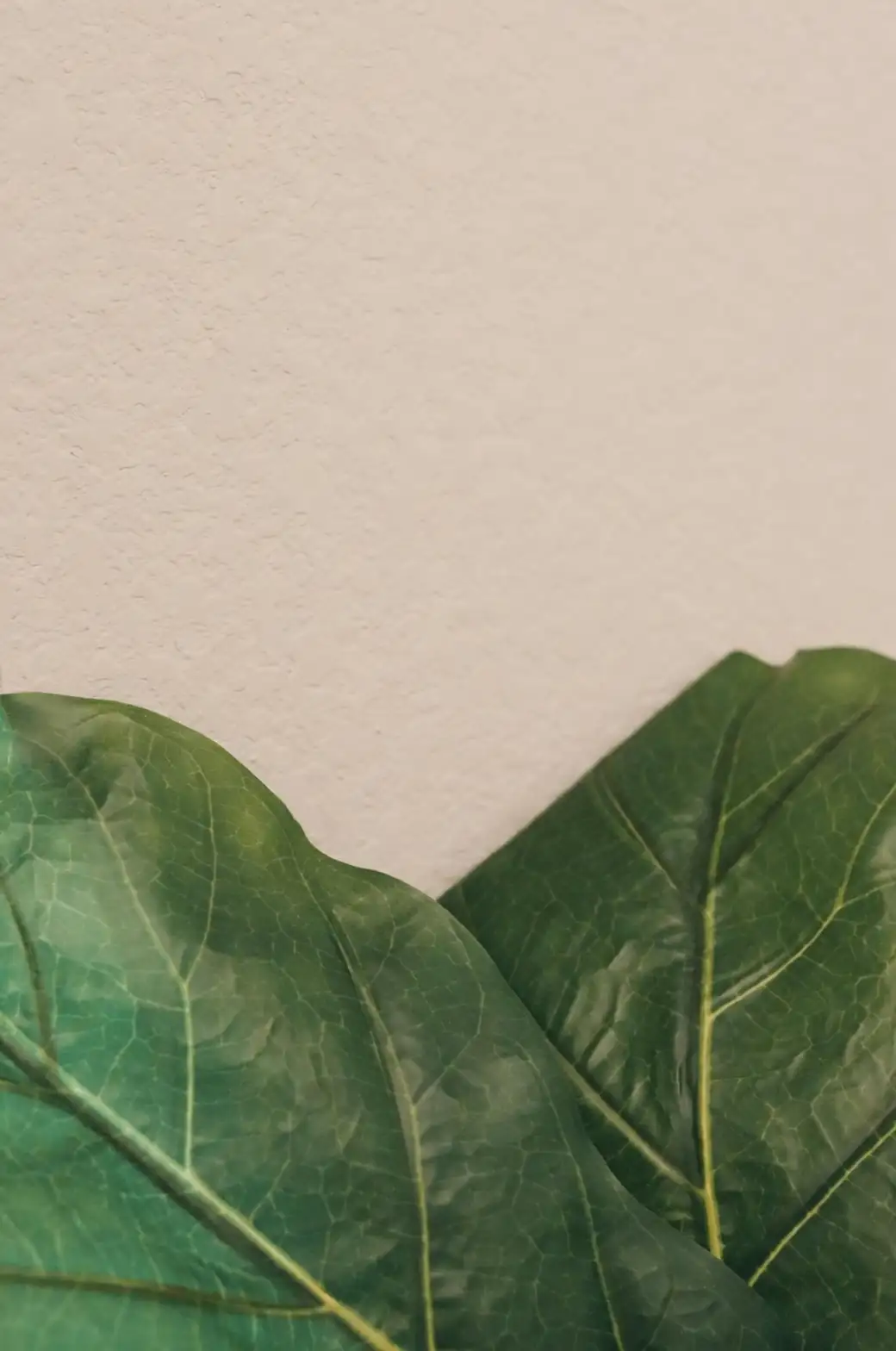
These grand leaves are not just about looks—they’re highly efficient at photosynthesis, making them excellent air purifiers. Imagine a natural air filter sitting right in your living room, quietly working away to keep your indoor air fresh and clean. Now that’s both form and function!
The Secret Life of Fiddle Leaf Figs: Hidden Flowers
One of the quirkiest aspects of the Fiddle Leaf Fig is its flowers—or the lack thereof, at least to the untrained eye. Indoors, these plants rarely bloom or fruit, but when they do, the “flowers” are concealed within a syconium, a small fig-like structure. This hidden floral world is a fascinating evolutionary strategy, typical of figs, where the true flowers are tucked away, leaving only the enigmatic fig structure for us to admire.
Growth Habits: From Quirky to Magnificent
When it comes to growth, Ficus lyrata is nothing short of ambitious. Indoors, it can reach heights of 6 to 10 feet, and if you’re lucky enough to have the right climate, it can tower up to 50 feet outdoors. But don’t worry if you’re short on space! With regular pruning and a well-chosen pot size, you can keep your Fiddle Leaf Fig at a more manageable size, perfect for adding a touch of the tropics to any room.
Care Tips for Your Fiddle Leaf Fig
Light and Placement
- Bright, Indirect Light: Think of your Fiddle Leaf Fig as a diva that loves the spotlight without direct hits. Place it near a large window with filtered light. A sheer curtain can help soften the sun’s rays.
- Stable Environment: This plant thrives on stability. Avoid moving it around too much or exposing it to drafts and rapid temperature changes.
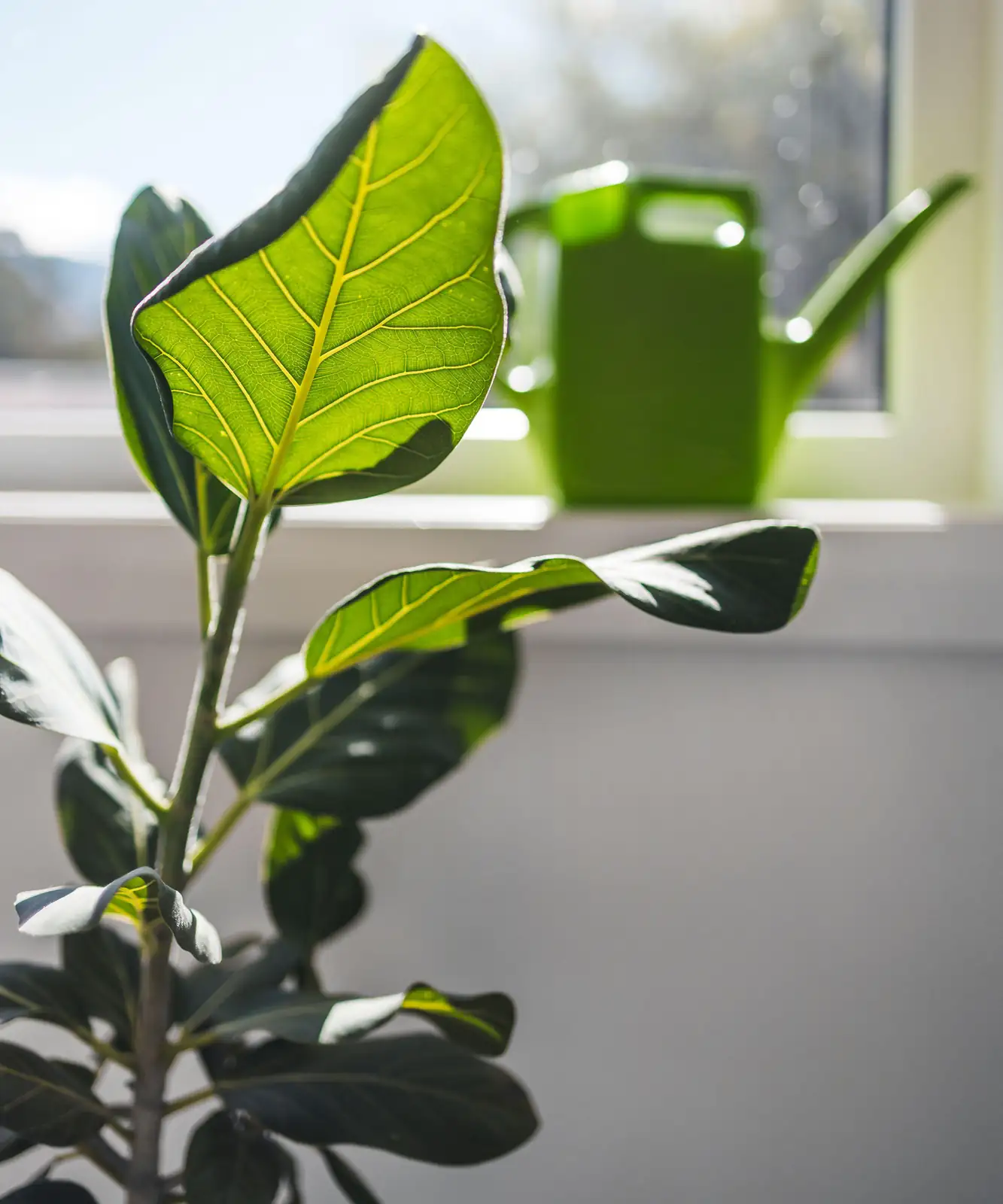
Watering and Humidity
- Water Wisely: Allow the top 2 inches of soil to dry out before watering. Remember, this plant prefers to sip rather than gulp, so err on the side of caution to avoid root rot.
- Humidity: Fiddle Leaf Figs love a bit of humidity, ideally around 40-60%. In dry months, consider placing it on a tray of wet pebbles to maintain the right ambiance.
The Quirky Yet Endearing Personality
For all its grandeur, the Fiddle Leaf Fig can be a tad fussy, especially when it comes to environmental changes. It’s like a cat that doesn’t appreciate its routine being disrupted—move it, and it might just drop a leaf or two in protest. But with the right care and a bit of attention, it will reward you with lush growth and a bold presence in your home.
Pet Safety and Precautions
While Fiddle Leaf Figs are stunning, their milky sap can be irritating to skin and eyes, and toxic if ingested by pets. So keep it out of reach from curious cats and dogs, and always wash your hands after handling.
A Plant with a Story
Beyond its lush leaves and air-purifying prowess, the Fiddle Leaf Fig carries a rich symbolism of abundance, growth, and prosperity. In many cultures, it’s seen as a harbinger of positive energy—a green beacon of hope and vitality.
So whether you’re a seasoned plant enthusiast or a beginner looking to add a splash of green to your space, Ficus lyrata offers a unique blend of beauty, mystery, and a dash of botanical quirkiness that’s hard to resist. Embrace its charms, and let it transform your home into a verdant oasis!