The Marvel of Oleander: Beauty and Adaptability in Urban Jungles
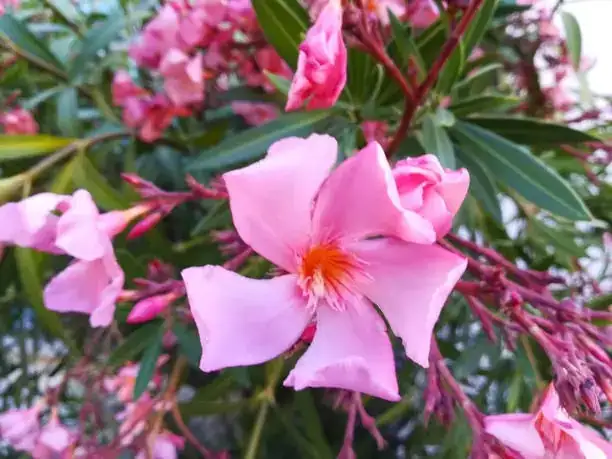
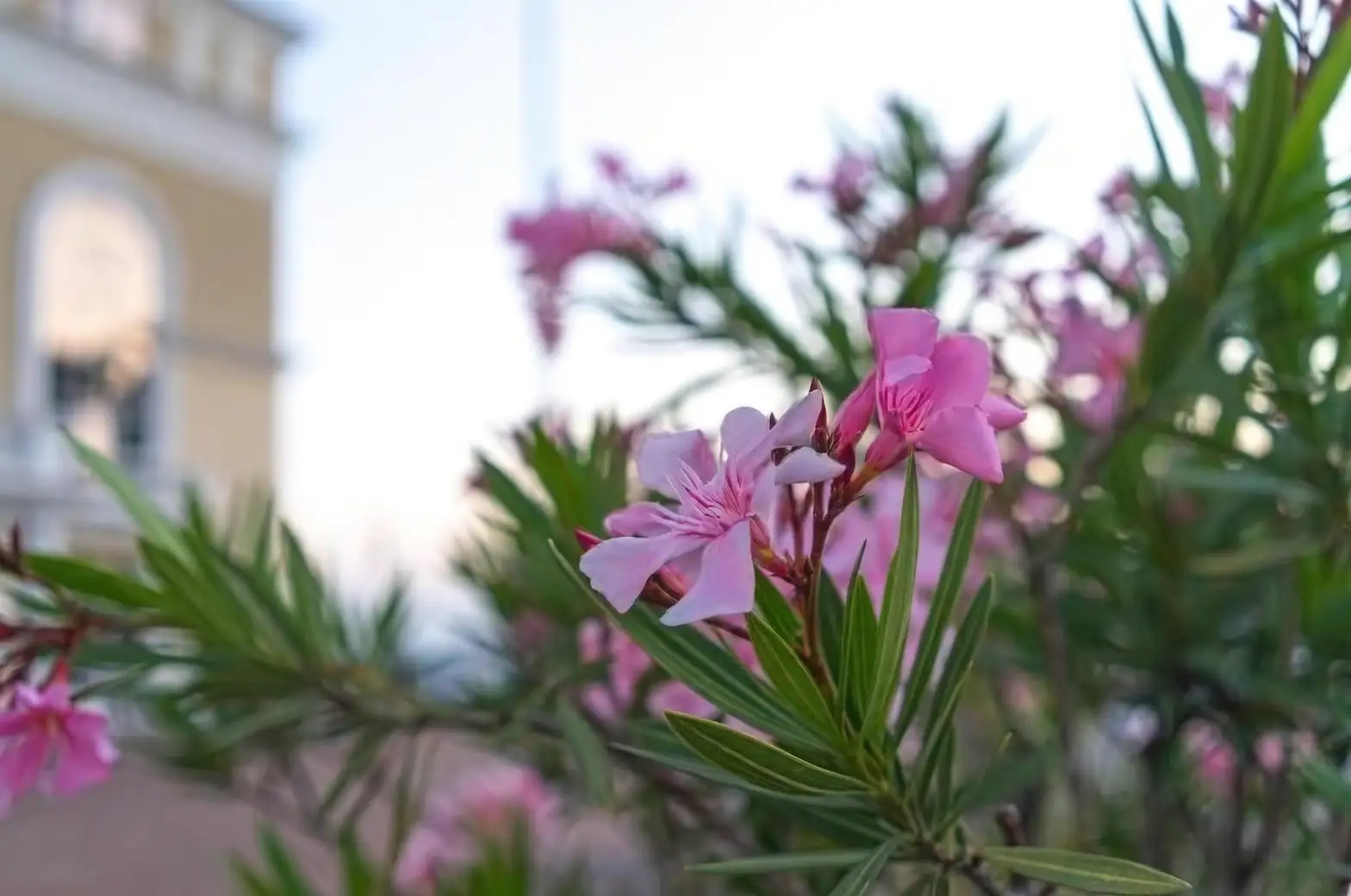
Oleander, scientifically known as Nerium oleander, is a plant that seems to thrive on contradictions. This tough, evergreen shrub, native to the Mediterranean Basin, is as charming as it is deadly. With its glossy leaves and vibrant blooms ranging from delicate whites and pinks to fiery reds and yellows, oleander has found a significant place in urban landscapes around the world. Despite its charismatic appeal, it hides a toxic secret that demands respect and caution.
A Floral Paradox: Beauty That Belies Danger
In the world of plants, oleander is a classic “femme fatale.” It lures with beauty, yet it harbors potent toxins. Every part of the plant contains cardiac glycosides, making it extremely toxic if ingested. In folklore and historical texts, oleander has often been associated with caution and warning. Ancient tales even suggest that Alexander the Great lost soldiers who mistakenly used oleander branches to skewer meat.
Yet, despite its toxicity, oleander’s resilient nature makes it a popular choice for urban planners and gardeners. It can withstand the harshest conditions—heat, drought, wind, and pollution—making it ideal for cityscapes where other plants might wither. Imagine a plant that laughs in the face of adversity; that’s oleander for you.
A Tale of Urban Adaptation
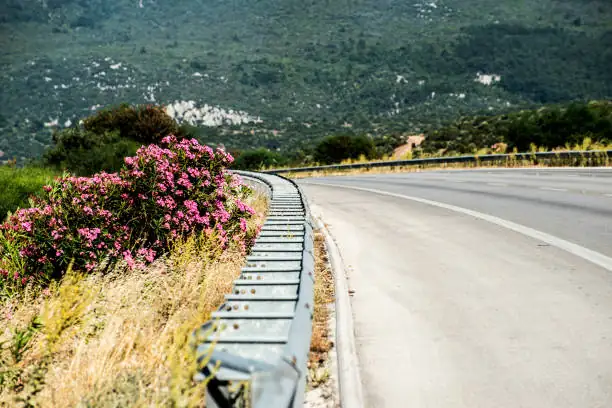
Oleander’s adaptability is nothing short of remarkable. In bustling cities, where pollution and space constraints are significant challenges, oleander thrives. It’s a common sight along highways and in public parks, offering a splash of color and a touch of nature in concrete jungles. This plant’s ability to endure poor soil and limited water resources makes it a sustainable choice for urban greening initiatives. It’s as if oleander has donned the armor of a botanical warrior, ready to tackle the urban battlefield.
Unique Pollination Strategies: A Visual Deception
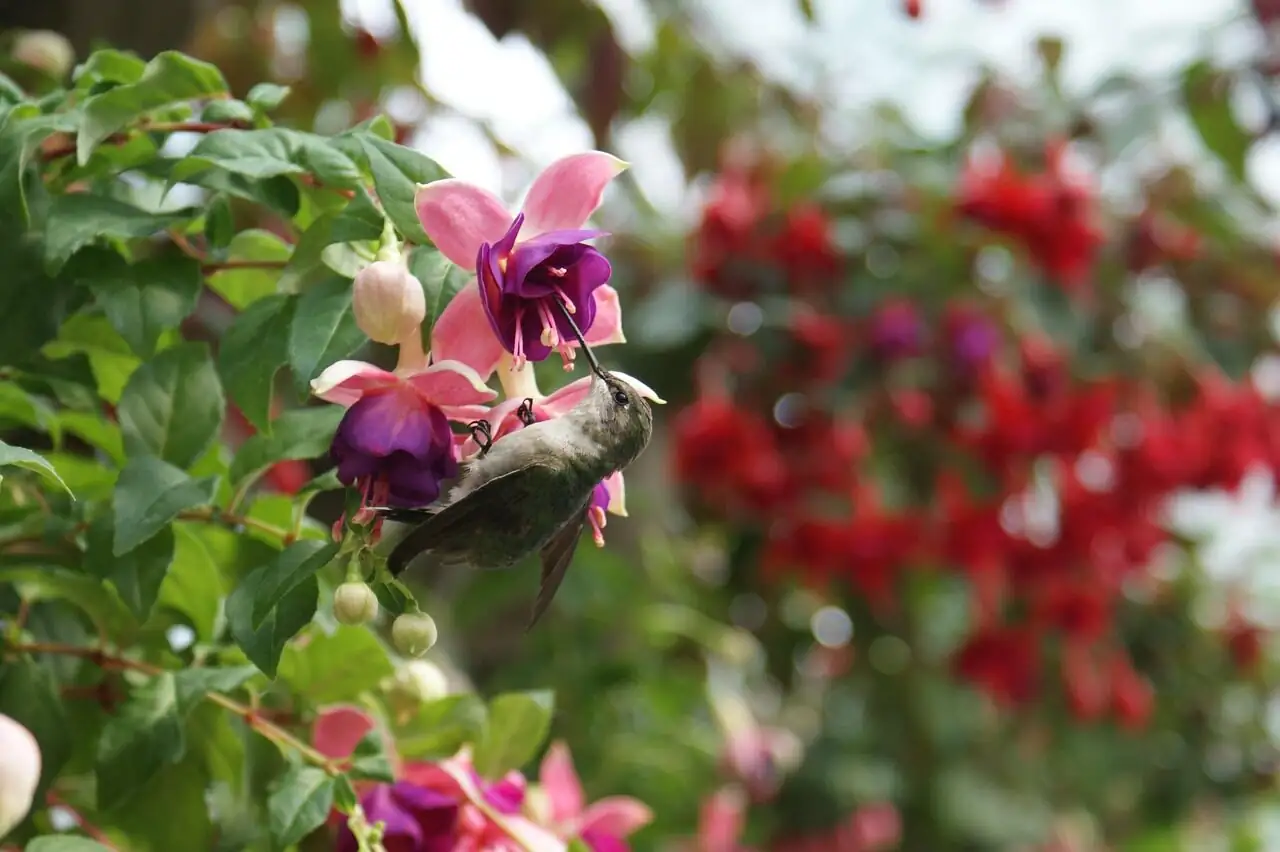
Oleander’s pollination strategy is an intriguing aspect of its biology. While many flowers attract pollinators with nectar, oleander’s blooms often contain little to none. Instead, they rely on visual allure—a “promise” of reward that isn’t quite fulfilled. This might seem like a crafty deception, but it’s a testament to the plant’s evolutionary ingenuity. Pollinators, drawn in by the vibrant hues and shapes, inadvertently help oleander reproduce, despite the lack of a sugary payoff.
The Language of Oleander: Symbolism and Meaning
In the language of flowers, oleander can convey mixed messages. Its red blooms are often associated with warning or danger, a nod to its toxic nature. Meanwhile, yellow oleanders might symbolize deep friendship, and white ones purity and lasting friendship. This duality reflects its historical and cultural significance—a plant that commands both admiration and respect.
A Hardy and Forgiving Companion for Gardeners
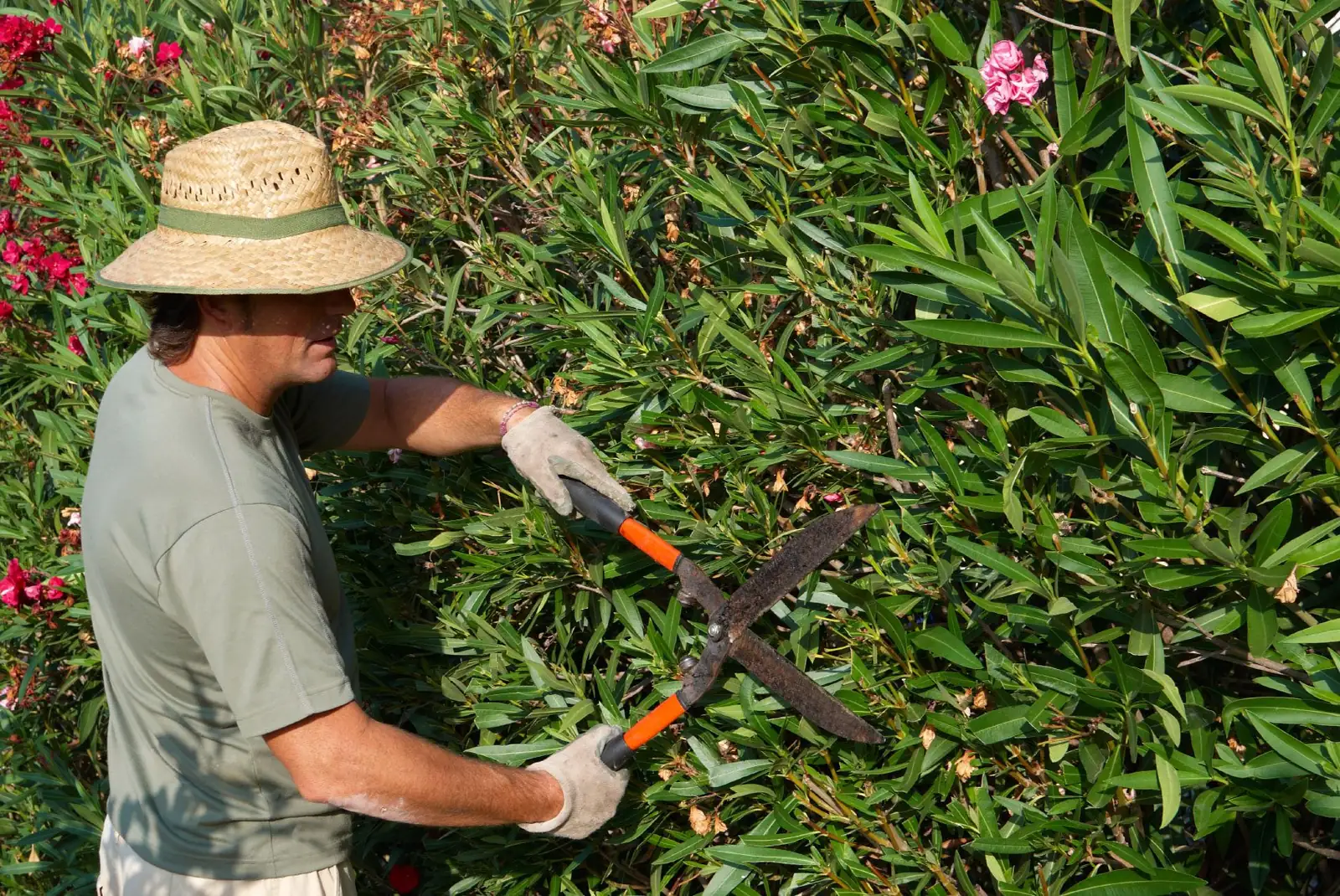
For those willing to cultivate oleander, it offers a bounty of blooms with relatively low maintenance. It thrives in full sun, appreciates well-drained soil, and once established, requires minimal watering. Its resilience is akin to a seasoned traveler who’s seen it all and can handle anything thrown its way. However, gardeners should wear gloves when pruning to avoid contact with the irritating sap.
Propagation and Care: A Gardener’s Guide
- Propagation: Oleander is easy to propagate from cuttings. Simply take 15–20 cm (6–8 in) cuttings from young stems, strip the lower leaves, and root them in water or a moist medium.
- Pruning: Prune in late winter to shape the plant and encourage new growth. Deadhead spent flowers to extend the blooming period.
- Watering: Water deeply but sparingly, allowing the top layer of soil to dry out between waterings.
Conclusion
In the saga of urban greenery, oleander stands as a testament to resilience, beauty, and adaptability. It’s a plant that commands attention and respect, offering a vivid reminder of nature’s ability to thrive even in the most challenging environments. Whether adorning a roadside or enhancing a garden, oleander continues to captivate with its stunning blooms and tough-as-nails attitude, making it a beloved choice for those who appreciate its unique blend of charm and tenacity.