A Vibrant Symphony: The Art of Companion Planting with Amaranthus tricolor
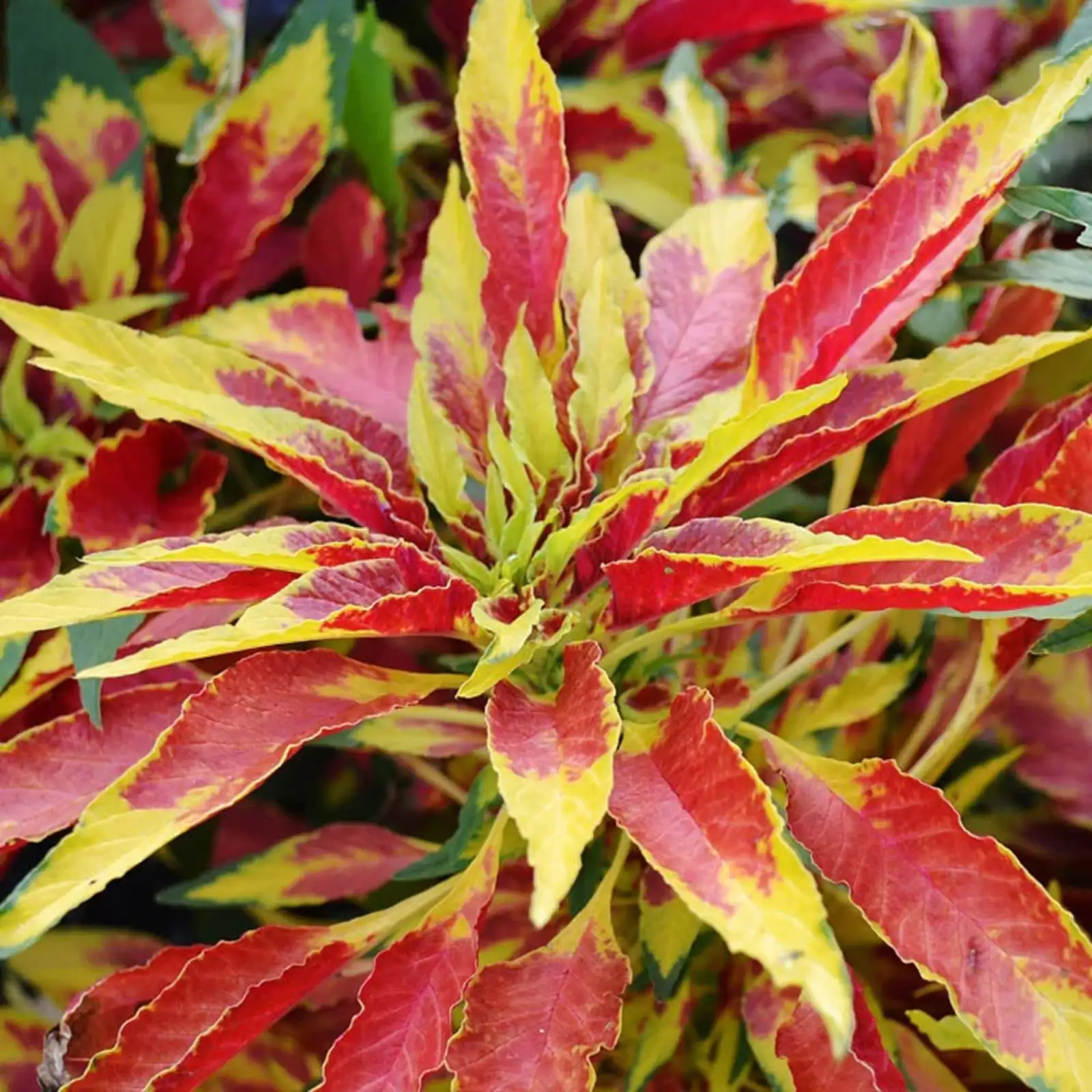
Imagine a garden where colors explode like a vibrant symphony, each plant playing its part in a harmonious dance of hues and textures. Enter Amaranthus tricolor, or as it is often affectionately known, Joseph’s Coat. This dazzling plant, with its kaleidoscope of colors, isn’t just a visual treat; it’s a practical powerhouse in companion planting. Let’s delve into the fantastic world of Joseph’s Coat and discover how it can enhance your garden’s beauty and biodiversity.
The Spotlight on Joseph’s Coat
Before we pair it with its perfect partners, let’s meet the star of our show. Amaranthus tricolor is a warm-season annual from the Amaranthaceae family, originating from tropical Asia. It’s adored for its striking foliage, which transforms with the seasons, painting your garden with vivid reds, yellows, oranges, pinks, and purples. While its flowers are modest, the leaves steal the spotlight, creating a living canvas that evolves through the summer.
This plant isn’t just a feast for the eyes; its young, tender leaves are also a nutritious delight, often consumed in Asian cuisines as Chinese spinach or tampala. With its easygoing nature and heat tolerance, Joseph’s Coat is a gardener’s dream, flourishing in beds, borders, and containers.
The Art of Companion Planting
Companion planting is like crafting a well-balanced dish—each ingredient enhances the others, creating a masterpiece greater than the sum of its parts. Joseph’s Coat, with its bold colors and bushy habit, can be a fantastic companion to many plants, offering both aesthetic and functional benefits.
Ideal Companions for Joseph’s Coat
- Marigolds: Pairing Joseph’s Coat with marigolds is a match made in heaven. Both thrive in full sun and well-drained soil. Marigolds help deter pests, which can reduce aphid problems on your amaranth, while their golden blooms complement the fiery tones of Joseph’s Coat beautifully.
- Basil: This aromatic herb not only adds a delightful scent to your garden but also repels aphids and other pests. The lush green of basil offers a stunning contrast to the multicolored foliage of Joseph’s Coat, and both plants enjoy similar growing conditions.
- Zinnias: If you want to amplify the color explosion in your garden, plant zinnias alongside Joseph’s Coat. Both love the sun and can handle a bit of heat, creating a riot of color that attracts pollinators.
- Tomatoes: The bold foliage of Joseph’s Coat can provide a stunning backdrop to the deep greens and reds of tomato plants. They share similar soil and sun requirements, and while the tomatoes bear their fruits, Joseph’s Coat adds ornamental appeal.
Planting and Care Tips
To ensure your Joseph’s Coat thrives among its companions, keep these tips in mind:
- Sunlight: Aim for full sun to bring out the brightest foliage colors. However, in particularly hot climates, a touch of afternoon shade can prevent leaf stress.
- Watering: Regular watering is crucial—keep the soil evenly moist but ensure it’s well-drained. Avoid waterlogged conditions as they can lead to root rot.
- Soil: This plant isn’t picky but thrives best in moist, humus-rich, well-drained soil. A bit of organic compost at planting can work wonders.
- Spacing: Give each plant room to breathe—about 20-30 cm (8-12 inches) for smaller varieties, and up to 45 cm (18 inches) for larger ones. This spacing is vital for good airflow and disease prevention.
A Living Legacy of Color
The name Joseph’s Coat is inspired by the biblical tale of Joseph and his multicolored coat, symbolizing a tapestry of beauty and enduring affection. In the garden, Amaranthus tricolor stands as a testament to nature’s artistry, offering a vivid reminder of the beauty and diversity that companion planting can bring.
So, whether you’re a seasoned gardener or a green-thumbed novice, consider adding Joseph’s Coat to your planting palette. It’s more than just a plant—it’s a celebration of color, a boost to biodiversity, and a delightful companion in the garden of life.