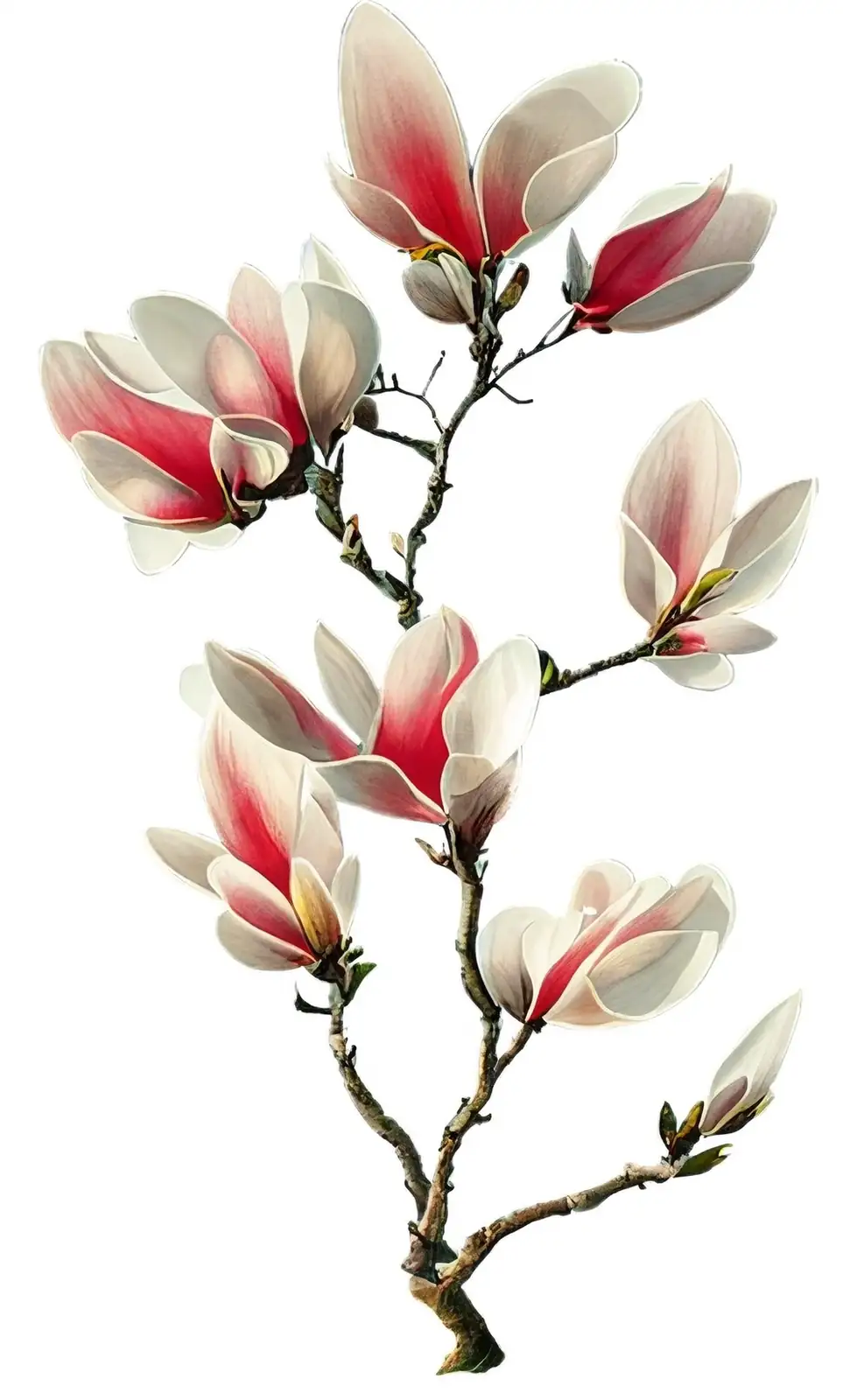
Magnolias, those elegant members of the Magnoliaceae family, have enchanted gardeners for centuries with their stately presence and captivating blooms. Whether you’re captivated by the ancient allure of these flowering marvels or simply looking to expand your garden, mastering the art of magnolia propagation will allow you to cultivate these beauties with confidence and finesse. Let’s delve into the steps for rooting cuttings, layering, and grafting, ensuring that your garden flourishes with the grace of magnolias.
Rooting Magnolia Cuttings
Starting a magnolia from cuttings can feel like conjuring magic, transforming a branch into a thriving new plant. With patience and the right technique, you can succeed in this rewarding endeavor.
- Choose the Right Time: The perfect moment to take cuttings is mid-to-late summer when the branches are semi-hardwood. This is when they have matured enough to support new growth but are still malleable.
- Select the Cuttings: Snip 6- to 8-inch (15-20 cm) growing tips from healthy, vigorous branches. Sterilize your pruners with denatured alcohol to prevent disease.
- Prepare the Cuttings: Remove all but the upper leaves to reduce moisture loss. Make a vertical slice in the stem’s base to encourage rooting.
- Apply Rooting Hormone: Dip the cut ends in a rooting hormone to stimulate root development and then plant them in small pots filled with moist perlite.
- Create a Humid Environment: Position your planters in indirect light and cover each with a plastic bag to maintain humidity. This micro-environment aids root formation.
- Patience and Care: Roots often take 8–12 weeks to develop. Keep the medium moist but not soggy, and soon you’ll see the beginnings of a new plant.
Layering: A Natural Approach
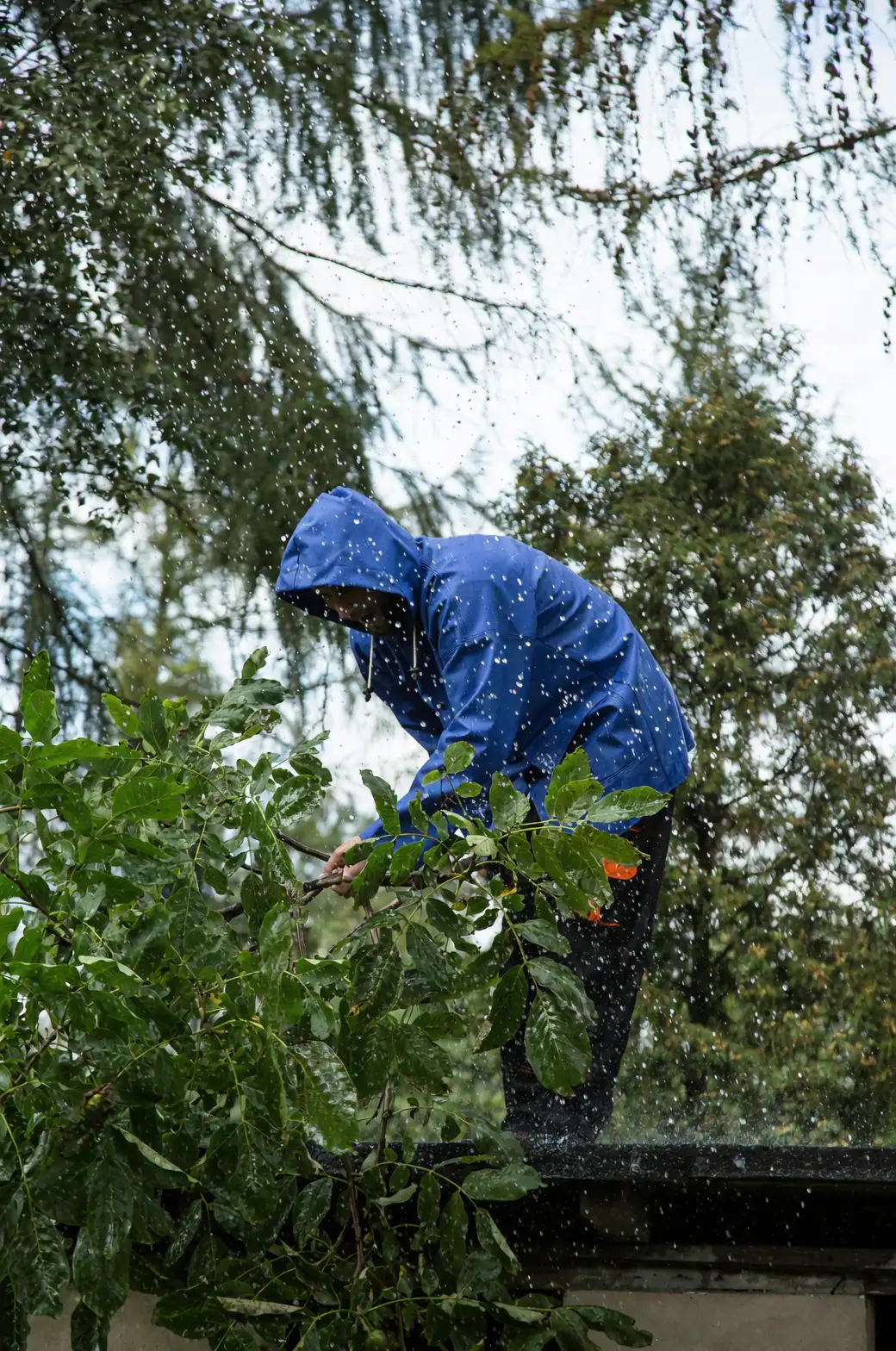
Layering is a propagation method that lets nature do the heavy lifting. It’s especially useful for ground-level branches and involves little more than coaxing a branch to root while still attached to the parent plant.
- Identify a Low Branch: Choose a flexible, healthy branch close to the ground.
- Prepare the Ground: Loosen the soil where the branch will lay and enrich it with organic matter for better rooting conditions.
- Notch and Bury: Make a shallow notch on the underside of the branch to encourage root growth. Secure it to the soil with a U-shaped wire or a rock.
- Cover and Wait: Cover the notched section with soil and water regularly. Over the months, roots will form from the buried section.
- Sever and Transplant: Once roots are established, cut the branch from the parent plant and transplant it to a new location.
Grafting: Crafting Magnificent Magnolias
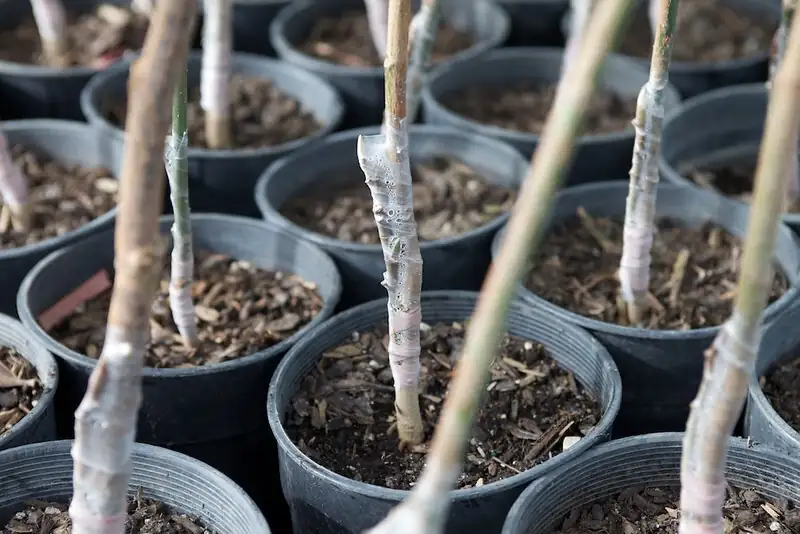
Grafting is the art of joining two plants so they grow as one. This method is ideal for propagating named magnolia cultivars, ensuring you get the exact traits you desire.
- Select Stock and Scion: Choose compatible rootstock and a scion from the desired cultivar.
- Make Precise Cuts: Perform a clean cut on both the rootstock and scion. The cuts should match perfectly for optimal contact.
- Join and Secure: Align the cuts and secure them with grafting tape or a rubber band. This holds the graft union firmly in place.
- Protect and Nurture: Cover the graft with a plastic bag to retain humidity and place it in a sheltered location. Monitor regularly for growth.
- Remove Supports: Once the graft has taken and new growth is evident, carefully remove any supports.
The Language of Magnolias
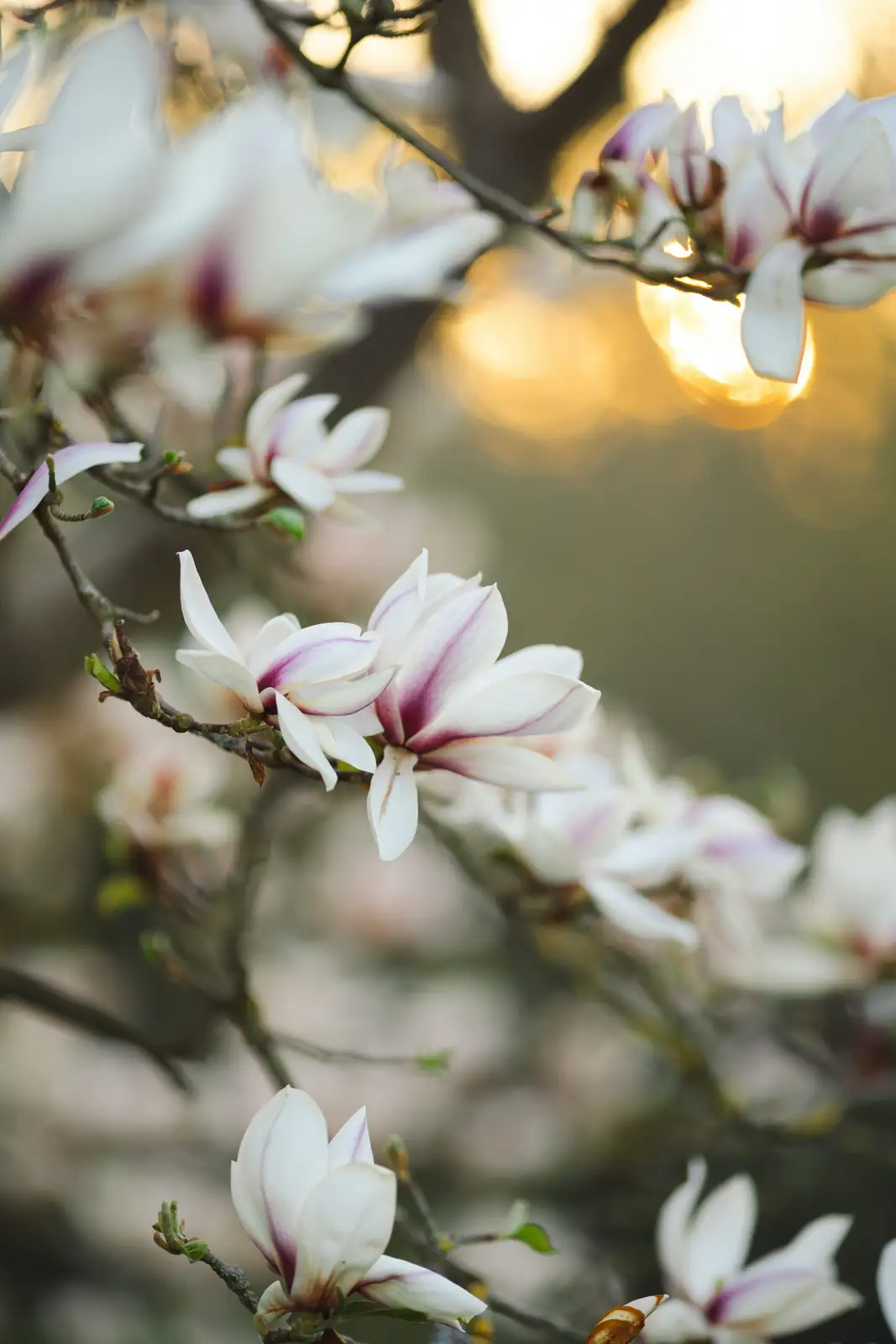
Magnolias are not just a sight to behold; they are steeped in symbolism. In Chinese culture, they embody feminine sweetness and enduring love, while in the American South, they signify hospitality and grace. The language of flowers, or 花语 (huā yǔ), enriches our appreciation of these blooms, linking white magnolias with purity and eternal love, pink with fondness, and purple with passion.
Cultivation Tips
- Soil and Location: Magnolias thrive in fertile, well-drained soils with a slightly acidic to neutral pH. Position them in full sun to partial shade, ensuring protection from strong winds.
- Watering: Ensure consistent moisture, particularly during establishment and dry spells, but avoid waterlogged conditions.
- Pruning: Magnolias prefer minimal pruning. For deciduous varieties, prune after flowering; for evergreens, late spring to mid-summer is ideal.
Embrace the challenge of magnolia propagation, and you’ll be rewarded with a living testament to your horticultural skills. With each bloom, you’ll be reminded of the timeless beauty and resilience these ancient plants embody. Whether you’re rooting cuttings or perfecting grafts, your garden will soon be graced with the majesty of magnolias.