Troubleshooting Guide for Rhapis excelsa: Battling Pesky Pests
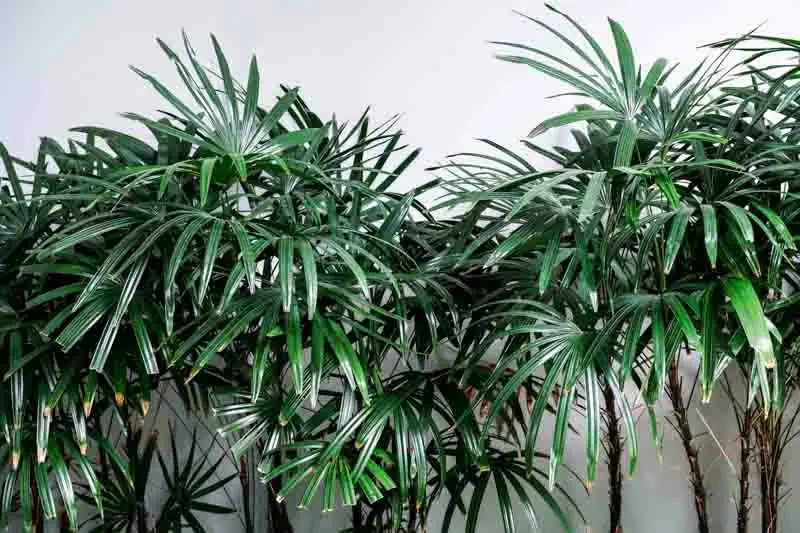
The Lady Palm, scientifically known as Rhapis excelsa, is the grand dame of indoor palms. Known for its elegant fan-shaped leaves and bamboo-like canes, it’s a favorite for adding a touch of nature’s architecture to homes. But even this easy-care, shade-loving beauty needs a bit of TLC when pests come knocking. Let’s dive into how to keep your Lady Palm pest-free and thriving.
Common Pests: Who’s Bugging Your Lady Palm?
Even in the serene confines of your home, the Lady Palm can become a hotspot for some unwelcome guests. Here’s the lineup of usual suspects:
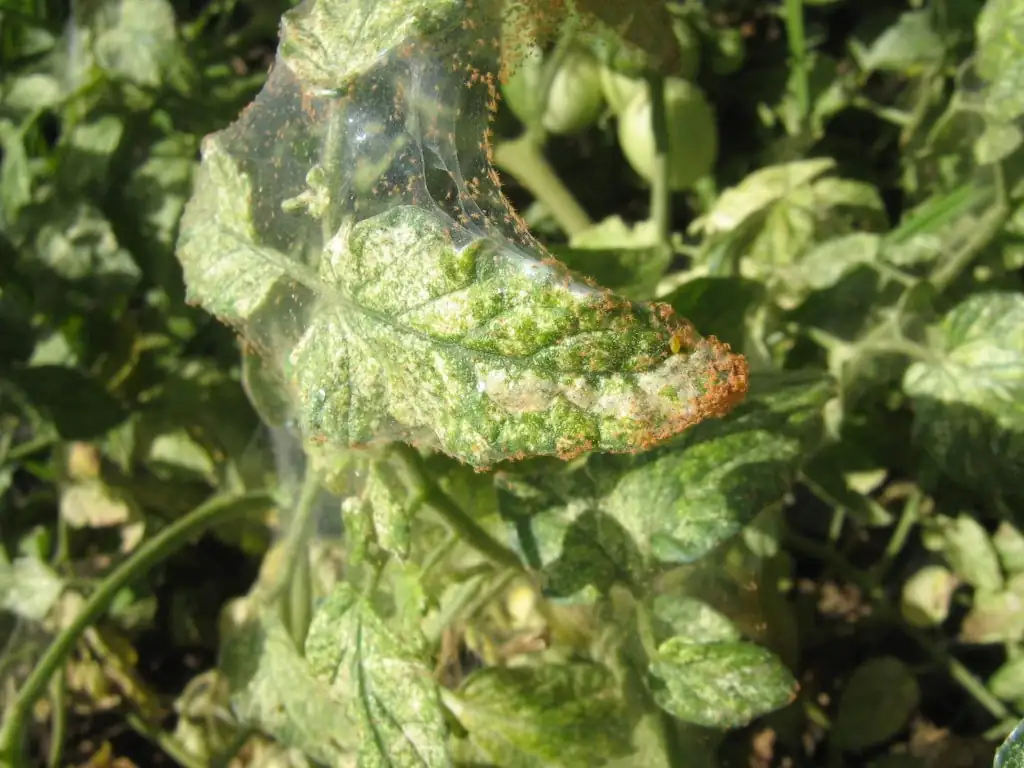
- Spider Mites: These tiny arachnids are the ninjas of the pest world—silent and almost invisible. You’ll find them weaving fine webs on the undersides of leaves. They thrive in dry conditions, which can be an issue indoors, especially during winter.
- Scale Insects: These are the armored tanks of pests. They attach themselves to the stems and leaves, sucking the sap and leaving behind sticky honeydew, which might attract other pests like ants.
- Mealybugs: These pests look like little cotton balls and can congregate in leaf joints and along stems. Like scale, they are sap suckers and can weaken your plant over time.
Preventing Infestations: An Ounce of Prevention
The best offense is a good defense. Here’s how to keep pests at bay:
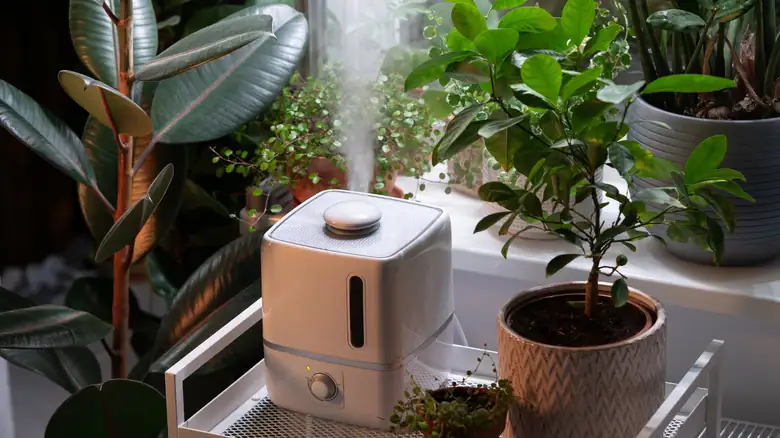
- Humidity Control: Spider mites thrive in dry air, so keep humidity levels around 50% if possible. A humidifier or regular misting can help, especially during dry seasons.
- Regular Inspections: Make it a habit to inspect your Lady Palm regularly. Look under leaves and along stems for any signs of pests or their damage. The earlier you catch them, the easier they are to manage.
- Cleanliness: Keep your plant clean by gently wiping the leaves with a damp cloth or giving it a gentle shower. This not only removes dust but also dislodges pests before they can settle in.
Treatment: Fighting Back Against Pests
If pests have already made themselves at home, don’t fret. Here’s how to evict them:
- Insecticidal Soap or Horticultural Oil: These are your go-to solutions for most insect problems. They smother the pests without damaging the plant. Be sure to cover all surfaces of the leaves and repeat the treatment every week until the pests are gone.

- Neem Oil: This natural pesticide is effective against a variety of pests. It disrupts their life cycle and is safe for use indoors.
- Isolation: Remove the affected plant from other houseplants to prevent the pests from spreading.
- Pruning: If infestations are severe, consider pruning heavily infested leaves or stems. This can help control the population and encourage new, healthy growth.
Maintaining Your Lady Palm’s Health
Beyond pest control, keeping your Lady Palm healthy is key to making it less attractive to pests:
- Proper Watering: Overwatering can lead to root rot, while underwatering stresses the plant, making it more susceptible to pests. Keep the soil evenly moist in growing seasons and reduce watering in winter.
- Adequate Light: Although the Lady Palm is shade tolerant, it thrives in bright, indirect light. Too little light can weaken the plant, making it more vulnerable.
- Balanced Nutrition: Feed your plant with a balanced fertilizer during the growing season to ensure it has all the nutrients it needs for robust health.
Final Thoughts
Caring for a Lady Palm is like nurturing a little piece of tropical paradise indoors. By staying vigilant against pests and maintaining good care practices, you can keep your Lady Palm healthy and vibrant. With its graceful foliage and resilient nature, it’s no wonder this palm is a beloved choice for both beginner and experienced plant parents alike. Happy planting!