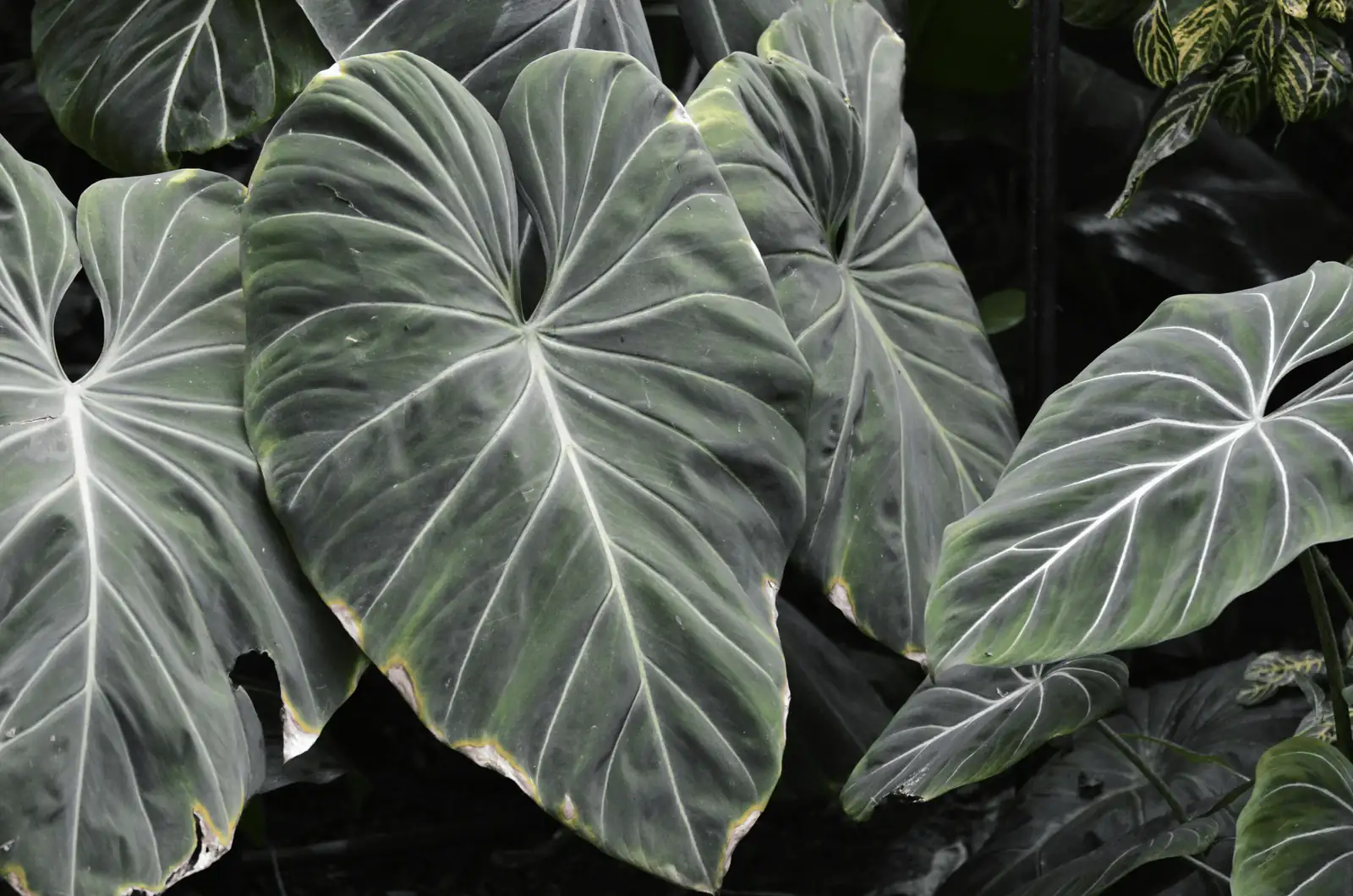
Philodendrons, with their lush, tropical foliage, can transform any space into a verdant oasis. But even these hardy plants can encounter a few unwelcome guests or ailments. If your leafy companion is looking less than its best, don’t fret! Let’s dive into identifying and tackling common pests and diseases that might be plaguing your philodendron, along with tips to keep them happy and healthy.
—
Common Pests
Even the most robust philodendrons aren’t entirely immune to pests. Here are some of the usual culprits:
Aphids
Symptoms: These small, sap-sucking insects can be green, yellow, or brown and often congregate on new growth. Look for curled leaves and a sticky residue known as honeydew.
Treatment: Start by pruning heavily infested leaves. Insecticidal soap, neem oil, or horticultural oils can control aphid populations effectively.
Mealybugs
Symptoms: Mealybugs appear as cottony masses on leaves and stems, leading to yellowing leaves and stunted growth.
Treatment: Dab them with alcohol-soaked cotton swabs or apply neem oil. Consistent monitoring and treatment are key to managing these pests.
Scale Insects
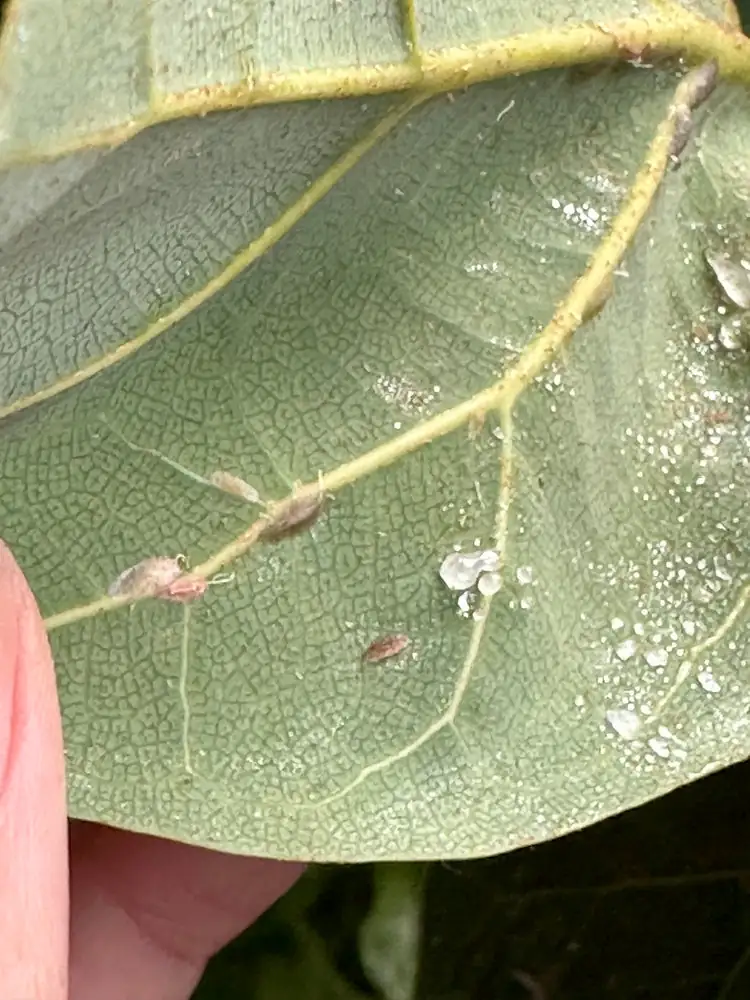
Symptoms: Scale insects resemble small bumps on leaves and stems. They can cause yellowing leaves and reduced vigor.
Treatment: Gently scrape them off or use alcohol-soaked cotton swabs. For severe infestations, insecticidal soaps or neem oil can help.
Spider Mites
Symptoms: These tiny arachnids thrive in dry conditions, leaving webbing on leaves and causing them to look speckled or stippled.
Treatment: Increase humidity around your plant and wash off mites with a strong water spray. Neem oil is also effective.
Common Diseases
Bacterial Leaf Spot
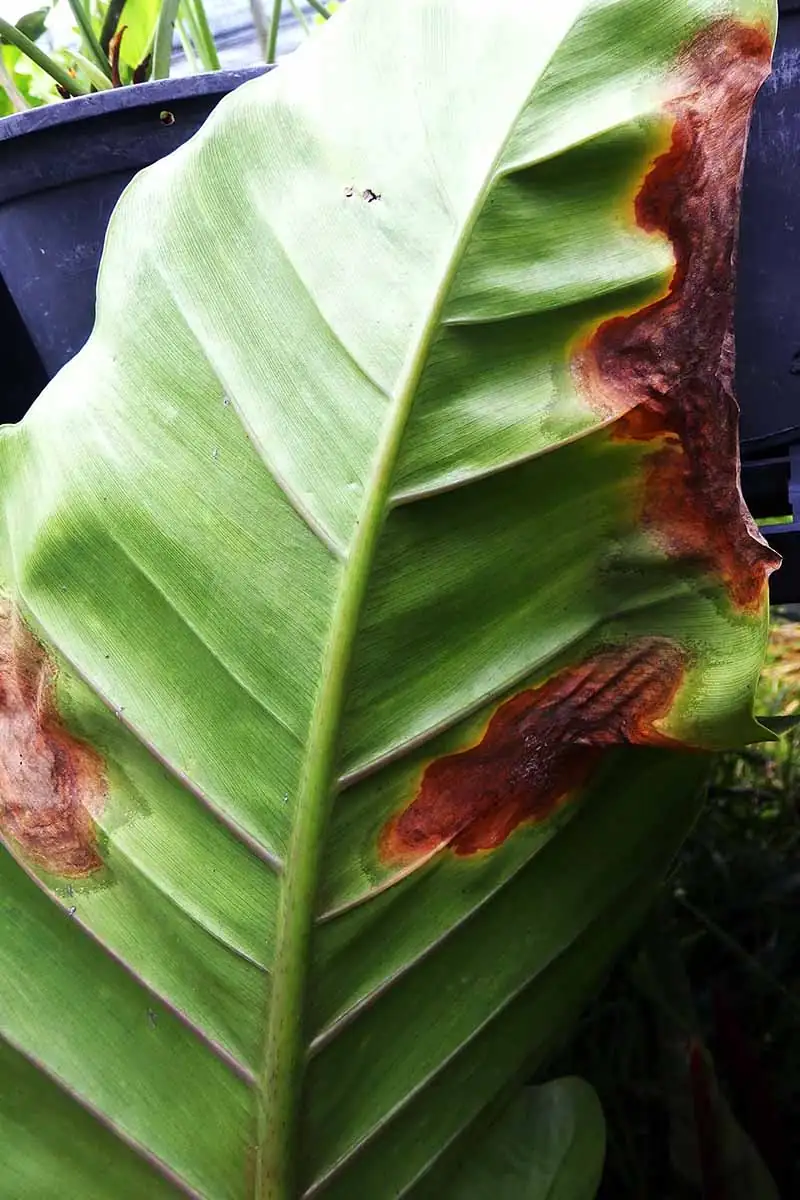
Symptoms: Look for translucent spots on leaf margins that turn reddish-brown with yellow halos.
Management: Avoid overhead watering and remove infected leaves promptly. Ensure good airflow around your plants.
Bacterial Blight
Symptoms: This disease causes dark green spots that expand quickly, leading to collapsing, foul-smelling leaves.
Management: Keep leaves dry and remove infected foliage. Improved watering practices are crucial here.
Root Rot
Symptoms: Yellowing lower leaves and a general decline in plant health can indicate root rot, often caused by overwatering.
Management: Repot in fresh, well-draining soil, and be sure not to overwater. Let the top inch of soil dry out between waterings.
Prevention Tips
- Proper Watering: Always check the soil moisture before watering. Philodendrons prefer slightly dry conditions to prevent root rot.
- Maintain Humidity: These tropical plants thrive in high humidity. Use a humidifier or pebble tray, especially during dry winter months.
- Clean Environment: Regularly wipe leaves to remove dust and check for pests. This not only keeps your plant healthy but also prevents pest infestations.
- Regular Inspections: Make it a habit to inspect your plants for pests and diseases. Early detection can prevent minor issues from becoming major problems.
Creating a Healthy Environment
Philodendrons are remarkably forgiving, but they do appreciate a caring touch. Place them in bright, indirect light, ensuring they are shielded from harsh direct sunlight. A well-aerated, slightly acidic potting mix will keep their roots happy and healthy.
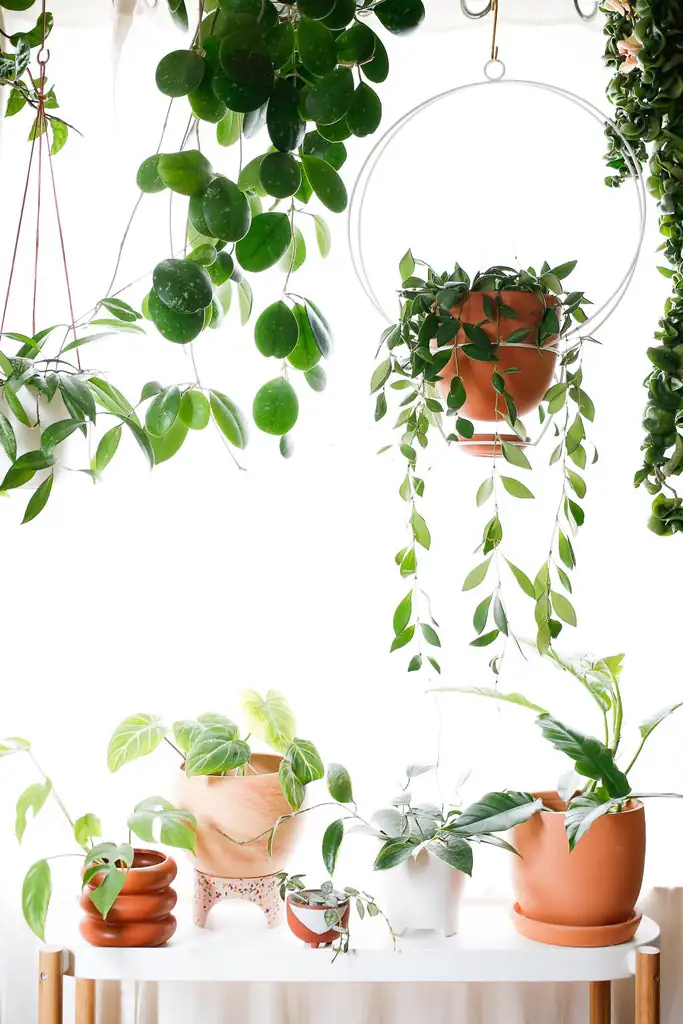
If you’re ever in doubt, remember that philodendrons are called “tree lovers” for a reason—they thrive when given a bit of support, whether that’s climbing a moss pole or trailing gracefully from a shelf. With the right care, these verdant beauties will continue to bring a touch of the tropics to your home, purifying the air and delighting with their sprawling elegance.
In the language of plants, philodendrons symbolize growth, renewal, and a deep connection to nature. Their heart-shaped leaves are often given as tokens of appreciation and warmth. So, nurture this green friend, and let it remind you of the beauty in new beginnings and the joy of nurturing life.