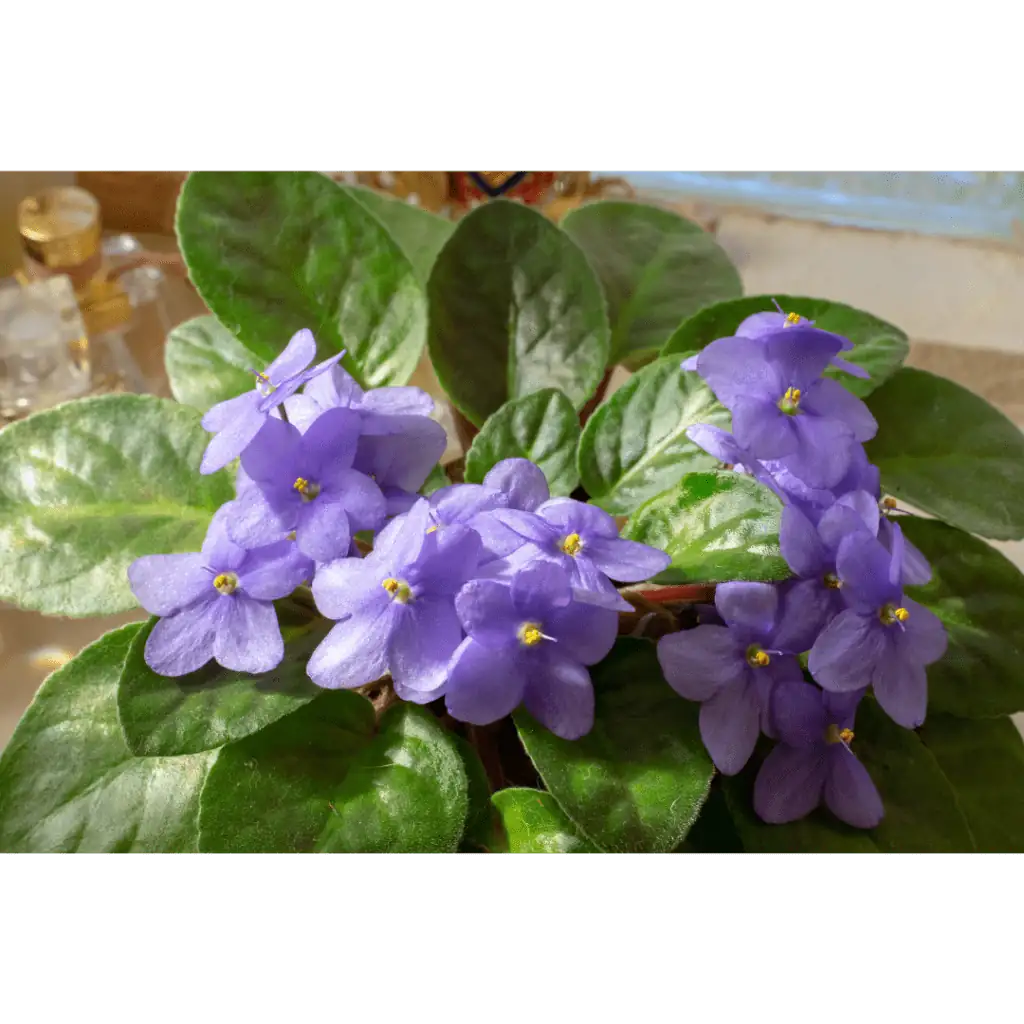
African violets, with their charming rosettes of velvety leaves and vibrant blooms, are like the little gems of the houseplant world. But even these darlings aren’t entirely spared from the challenges of pests and diseases. If your African violet seems to be having a tougher time than usual, it might be dealing with some unwelcome guests or environmental hiccups. Let’s dive into some common issues and how to tackle them, ensuring your plant continues to thrive like the star it is!
Identifying Common Pests: Mealybugs and Spider Mites
Mealybugs are like the uninvited houseguests who come for a weekend and stay for a month. These small, cottony pests suck the life out of your plants—literally—by feeding on their sap. You’ll often find them hiding in the leaf axils or under the leaves.
Spider mites, on the other hand, are more like the stealthy ninjas of the pest world. They’re tiny and can be hard to see with the naked eye, but their damage is noticeable: tiny, yellow speckles on the leaves, which can eventually lead to leaf drop.
Tackling the Invaders
- Prevention: Keep your plant clean and check regularly for signs of pests. Early detection is your best friend.
- Treatment: For mealybugs, remove them with a cotton swab dipped in alcohol or wash them off with a gentle spray of water. For spider mites, increasing humidity can help, as they thrive in dry conditions. In both cases, a gentle application of insecticidal soap or horticultural oil can be effective—just make sure the plant isn’t in direct sunlight when you apply these treatments.
Prevention and Care: Avoiding Disease
African violets can also fall prey to diseases like crown and root rot, which often stem from water-related issues.
Crown and Root Rot: The Silent Killers
These fungal issues often manifest as soft, mushy roots and a stunted center. The culprits? Overwatering and poor drainage.
- Prevention: Use a light, airy potting mix, preferably peat-based with added perlite for drainage. Ensure your pot has adequate drainage holes, and never let the plant sit in standing water.
- Treatment: Unfortunately, once rot sets in, it’s challenging to reverse. If you catch it early, you might save the plant by removing infected parts and repotting in fresh soil.
Pro Tips for Keeping African Violets Healthy
- Light: These plants love bright, indirect light. Think of them as the Goldilocks of the plant world—not too much, not too little, just right!
- Humidity: African violets thrive in moderate humidity. If your home is dry, consider using a pebble tray or a humidifier.
- Watering: Water when the soil feels slightly dry, and always aim for even moisture. Bottom-watering is a great technique to avoid wetting the leaves.
A Splash of Culture: Symbolism and History
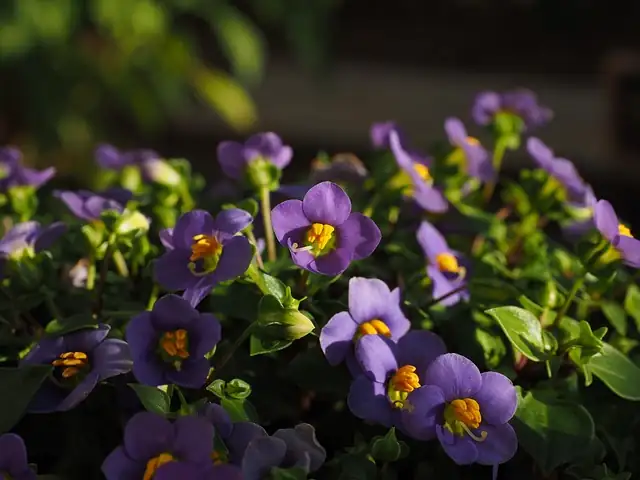
African violets are often associated with faithful love and enduring beauty, making them a popular gift—especially in their romantic purple hues. Historically, these plants have been a staple in British homes and continue to be beloved for their ability to bloom nearly year-round indoors.
Conclusion
With a bit of TLC and an eye out for potential problems, your African violet can remain a vibrant, blooming fixture in your home. By understanding its needs and keeping a close watch on its health, you can prevent pests and diseases from dulling its natural charm. Whether you’re a seasoned plant parent or new to the world of houseplants, African violets offer a rewarding and colorful addition to your indoor garden. Keep them cozy, keep them dry, and they’ll reward you with blooms galore!