Boxwoods: Mastering the Art of Pest and Disease Management
Imagine a garden where the lush, evergreen presence of boxwood bushes creates an aura of timeless elegance. Often heralded as the backbone of formal gardens, boxwoods (Buxus spp.) are a staple for their neat, compact form and enduring color. However, even these stalwart garden residents aren’t immune to the trials of pests and diseases. Whether you’re a seasoned gardener or just starting out, understanding and managing these issues can make all the difference in maintaining your boxwoods in their prime.
Identifying Common Boxwood Pests
Boxwood Leafminer
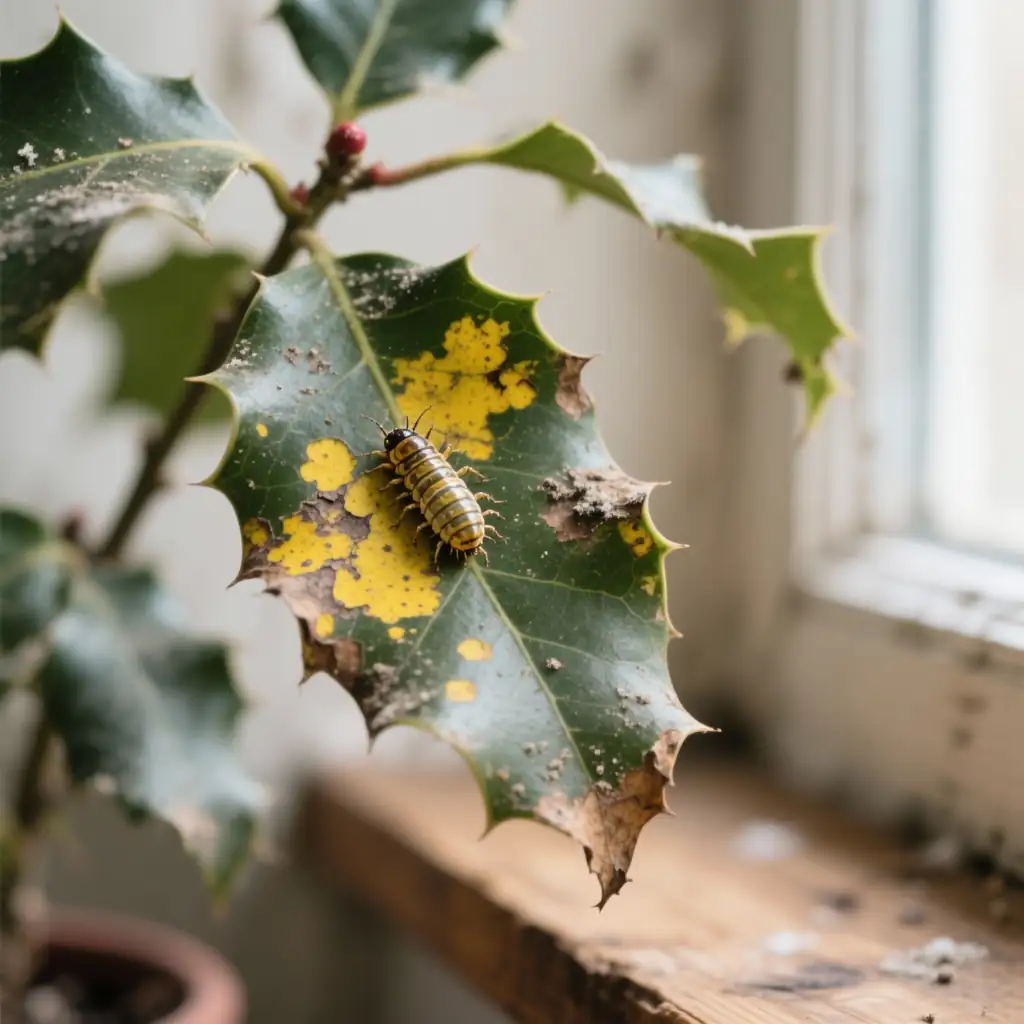
The boxwood leafminer is a notorious pest, especially prevalent in the Mid-Atlantic region. This pesky insect, resembling a tiny mosquito, lays its eggs within the leaves. As the larvae grow, they feed inside, causing the leaves to blister and swell with unsightly discoloration. If you notice small, yellow spots or bumps on the undersides of your boxwood leaves, it may be time to act.
Management Tips:
- Timing is Key: Apply a well-timed insecticide in early spring when adults are active.
- Resistant Cultivars: Consider planting boxwood varieties known for genetic resistance to this pest.
Boxwood Psyllid
This sap-sucking insect tends to cause puckering and cupping in new growth. While it’s more of a cosmetic issue, severe infestations can affect plant vigor.
Management Tips:
- Prune and Dispose: Remove and destroy infested tips in early spring.
- Natural Predators: Encourage beneficial insects like ladybugs to keep psyllid populations in check.
Tackling Boxwood Diseases
Boxwood Blight
Boxwood blight is a relatively recent but devastating fungal disease that causes leaf spots, dark stem lesions, and rapid defoliation. Spores spread through splashing water, tools, and even wind-blown debris, making it a formidable foe.
Management Tips:
- Cultural Practices: Ensure good air circulation by spacing plants appropriately and thinning dense growth.
- Sanitation: Clean tools and remove fallen leaves and debris to prevent the spread of spores.
- Fungicides: Use preventive fungicides in high-risk areas or if the disease is detected early.
Volutella Blight
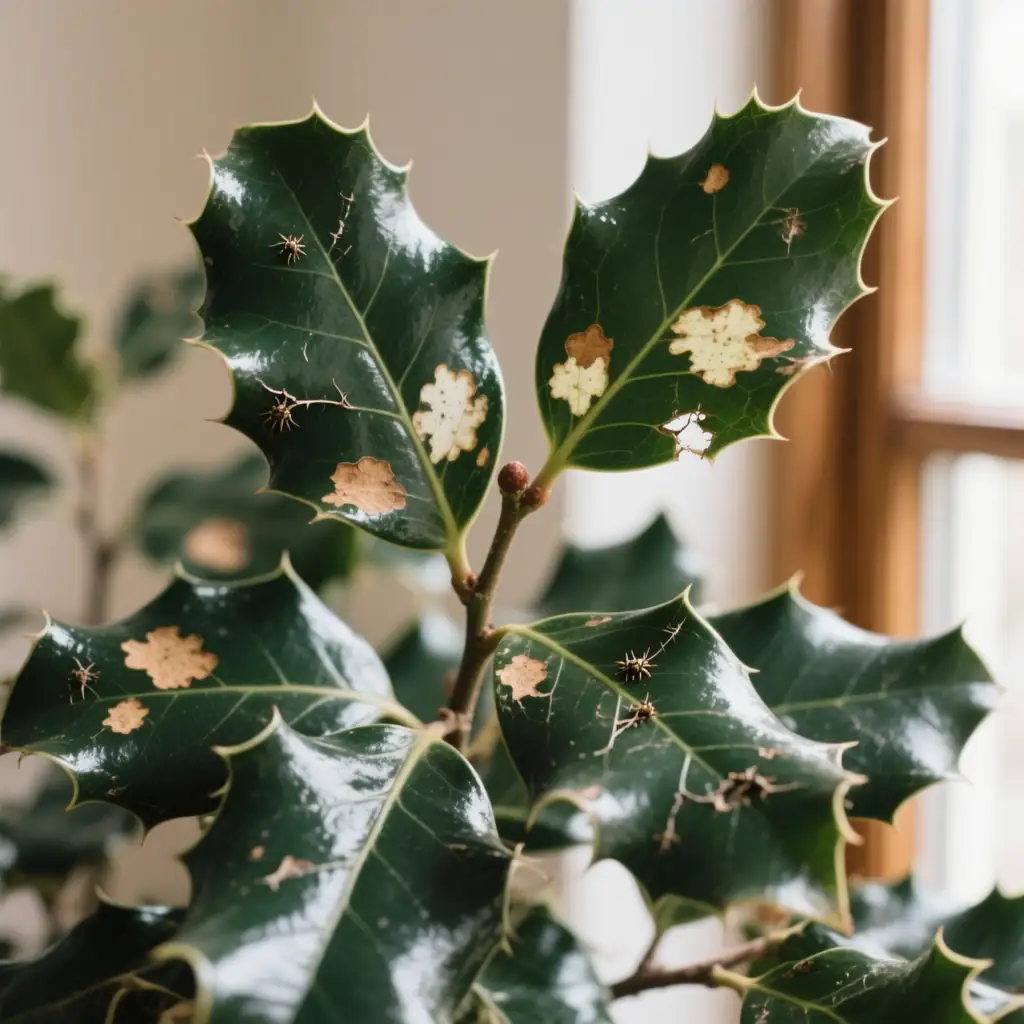
Recognizable by its salmon-pink fruiting bodies on leaves and stems, Volutella blight often strikes following winter injury or stress.
Management Tips:
- Prune and Sanitize: Cut back infected branches and sanitize tools between cuts.
- Boost Plant Health: Enhance overall plant vigor through proper watering and fertilization to help resist infection.
Environmental and Cultural Challenges
Even the most vigilant gardener can face challenges beyond pests and diseases. Boxwoods are susceptible to winter injury, characterized by bronzing of the foliage due to cold winds and bright winter sun.
Preventive Measures:
- Mulch: Apply a layer of mulch to conserve moisture and insulate roots.
- Windbreaks: Use burlap screens or strategically planted evergreens to protect against harsh winds.
Prevention is Better Than Cure
Maintaining healthy boxwoods is often about prevention. Here’s how to give your plants the best start:
- Select Wisely: Opt for disease-resistant cultivars from reputable nurseries, and inquire about any cleanliness programs they follow.
- Location, Location, Location: Choose planting sites with good drainage and protection from extreme elements.
- Water Wisely: Water deeply and infrequently, focusing on the root zone rather than the foliage.
A Final Thought
Remember, boxwoods are more than just garden workhorses; they symbolize endurance and timeless beauty. With the right care and attention, they can thrive for decades, becoming living legacies in your garden. The effort you put into understanding and managing pests and diseases will pay off as you enjoy the lush, green backdrop these resilient plants provide. So, roll up those sleeves, grab your gardening gloves, and let your boxwood care journey begin!