The Olive Tree: A Timeless Journey Through the Mediterranean
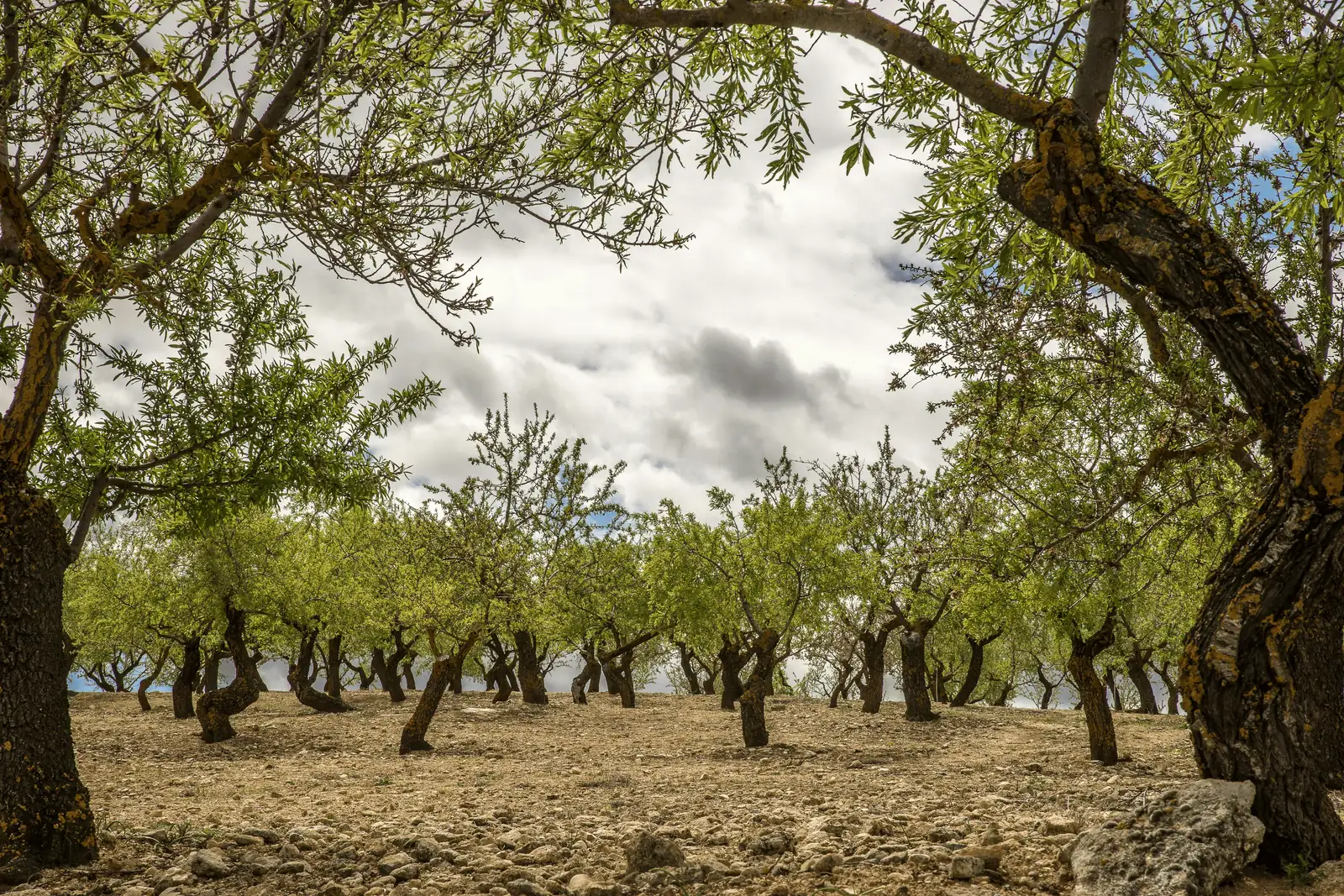
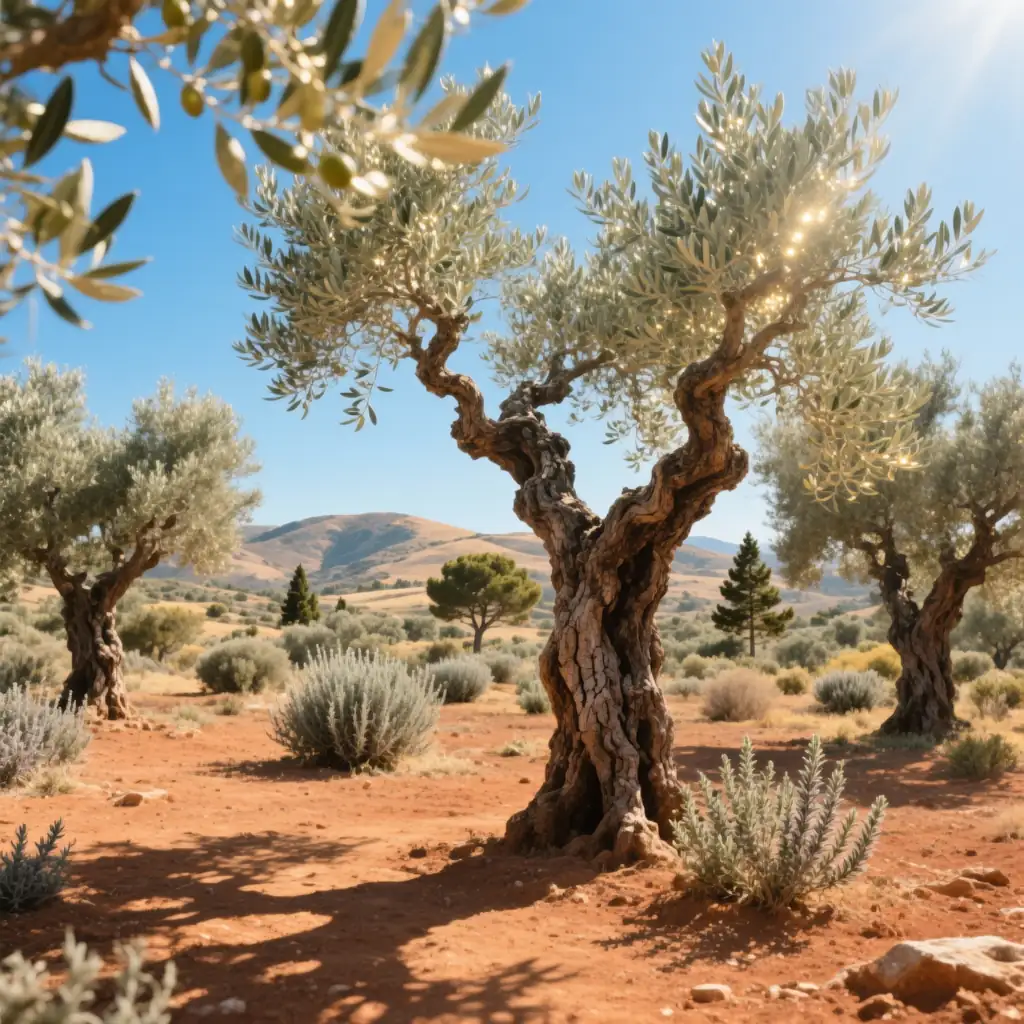
The Mediterranean region is a cradle of remarkable botanical stories, and among its most cherished tales is that of the olive tree, scientifically known as Olea europaea. Imagine standing under a vast canopy of silvery-green leaves, where the sun dances through the branches, and you can almost hear the whispers of ancient civilizations. The olive tree, with its gnarled trunks and enduring spirit, is not just a plant—it’s a living testament to history, culture, and resilience.
A Tree Rooted in Antiquity
The olive tree’s journey begins thousands of years ago, deeply intertwined with the rise of Mediterranean societies. Its origins can be traced back to wild ancestors, known as oleasters, which thrived in the region’s favorable climate. These wild olives, found predominantly in the Near East, the Aegean area, and around the Strait of Gibraltar, laid the genetic groundwork for the cultivated varieties we cherish today.
The domestication of the olive tree is believed to have begun in the northern Levant, a pivotal region for early agricultural practices. From there, the olive’s cultivation spread across the Mediterranean basin, accompanying the growth of civilizations and facilitating cross-cultural exchanges. As people traveled and settled, they carried with them the seeds and knowledge of olive cultivation, transforming the landscape and diet of the region.
A Symbol of Peace and Prosperity
Throughout history, the olive tree has been more than just a source of food and oil; it has been a symbol of peace and prosperity. In ancient Greece, the olive was sacred to Athena and represented wisdom and victory. The Romans, adept at agricultural expansion, further propagated the olive tree across their empire, weaving it into their mythology and daily life.
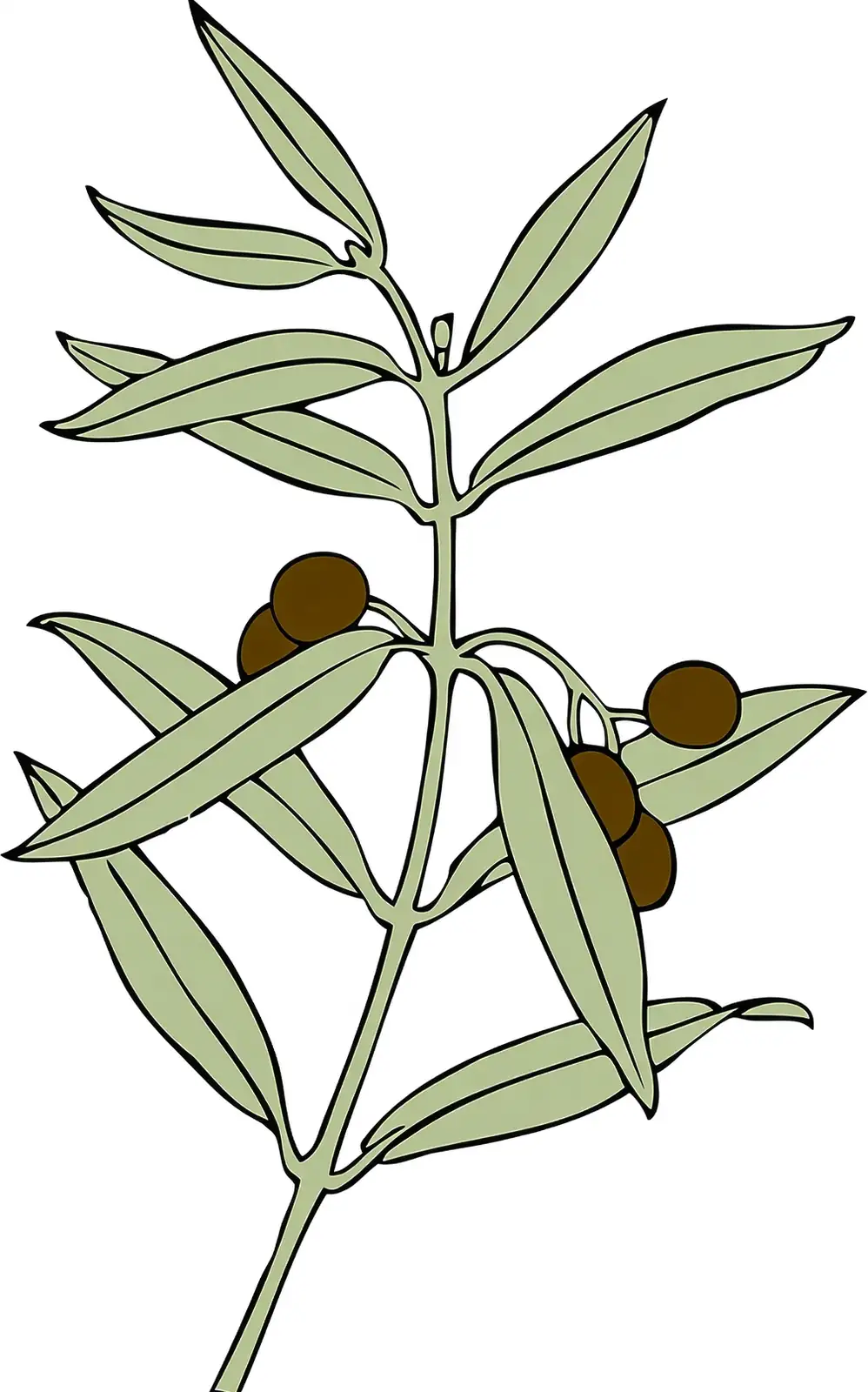
In biblical narratives, the olive branch is a powerful emblem of reconciliation and hope, famously depicted in the story of Noah’s dove returning with an olive branch to signify the end of the flood. This imagery has endured, making the olive branch a universal symbol of peace, still cherished in modern diplomatic language.
The Resilient Guardian of the Mediterranean
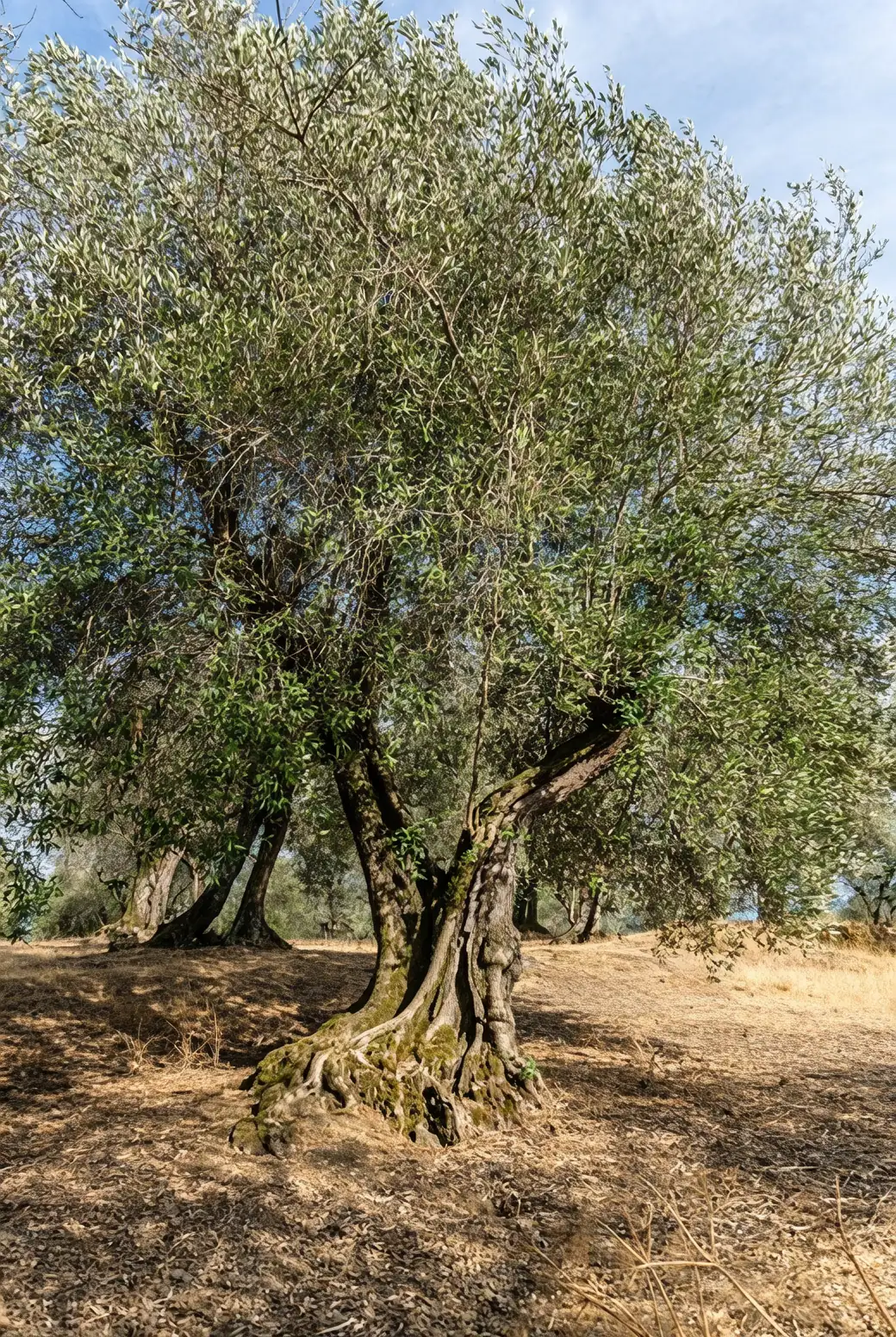
Olive trees are celebrated for their resilience, thriving in the challenging conditions of the Mediterranean climate. With their ability to withstand drought and poor soil, these trees epitomize endurance and longevity. Some olive trees have witnessed over a millennium of history, standing as silent guardians of the past.
The tree’s striking appearance, with its twisted trunks and shimmering foliage, adds a sculptural elegance to landscapes. Olive trees are not just functional; they’re ornamental, often featured in gardens and courtyards for their aesthetic appeal.
Culinary and Cultural Treasures
The olives themselves are small but mighty, pivotal in Mediterranean cuisine. Whether pressed into “liquid gold”—olive oil—or cured and brined for consumption, olives are a culinary staple. Olive oil, with its rich flavor and health benefits, is central to the Mediterranean diet, renowned for promoting heart health and longevity.
Beyond its culinary uses, the olive tree offers durable wood for craftsmanship and traditional remedies derived from its leaves and oil. Its economic and ecological importance cannot be overstated, with olive cultivation supporting livelihoods and nurturing biodiversity in the region.
A Living Legacy
The olive tree’s story is far from over. As new generations discover its cultural and practical significance, the olive continues to inspire and sustain. It stands as a symbol of harmony between humanity and nature, a testament to the enduring legacy of Mediterranean civilization.
So, next time you drizzle olive oil over your salad or spot an ancient olive tree, take a moment to reflect on its storied past. The olive tree is not just a plant—it’s a timeless companion on humanity’s journey, a green thread woven through the tapestry of history.