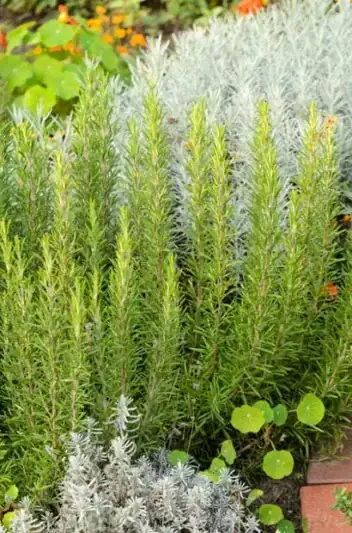
Nestled along the Mediterranean coastline, where azure waves kiss sun-kissed shores, lies the birthplace of a remarkable herb with a storied past: Salvia rosmarinus, commonly known as rosemary. With its needle-like leaves exuding a sharp, piney fragrance, rosemary has been a fragrant companion to humanity for millennia, weaving its way through kitchens, gardens, and ceremonial halls.
A Journey Through Time
Imagine the ancient world where Greek scholars donned rosemary garlands, believing this aromatic herb could sharpen their memory. This practice was rooted in the belief that rosemary could invigorate the mind, a tradition that lingers in its symbolism of remembrance. It wasn’t just the Greeks who treasured rosemary; the herb was equally esteemed by the Egyptians, who offered it to their gods and used it in burial rituals, with traces found in tombs dating back to 3000 BCE.
As we glide through history, we find rosemary entwined in European folklore and customs. During the Middle Ages, the French used it for embalming, and it was burned in homes to purify the air and ward off illness. The plant’s association with love and fidelity made it a staple in weddings, where bridal wreaths of rosemary symbolized lasting commitment. William Shakespeare immortalized this tradition in “Hamlet,” through Ophelia’s poignant words: “There’s rosemary, that’s for remembrance.”
The Dew of the Sea
The name “rosemary” itself is a poetic nod to its origins. Derived from the Latin _ros marinus_, meaning “dew of the sea,” this alias paints a picture of rosemary thriving on the misty Mediterranean cliffs, nourished by the salty sea air. Yet, despite this romantic image, rosemary is remarkably hardy. Its resilience allows it to thrive in well-drained, sandy soils, basking in full sunlight and withstanding drought, making it a favored plant for both novice and seasoned gardeners.

Culinary and Beyond
Step into any Mediterranean kitchen, and you’re likely to find rosemary playing a starring role. Its robust flavor enhances roasts, soups, and breads, transforming simple dishes into culinary masterpieces. But rosemary’s utility extends beyond the culinary realm. Historically, it’s been used in herbal teas, sachets, and potpourri, and its essential oil lends its crisp scent to perfumes and soaps.

Fun Fact: Rosemary Topiaries
Did you know rosemary can be shaped into delightful topiaries? With a bit of patience and pruning, gardeners can craft rosemary into whimsical shapes, such as small “Christmas trees,” bringing a touch of holiday cheer to any space.
Growing and Caring for Rosemary
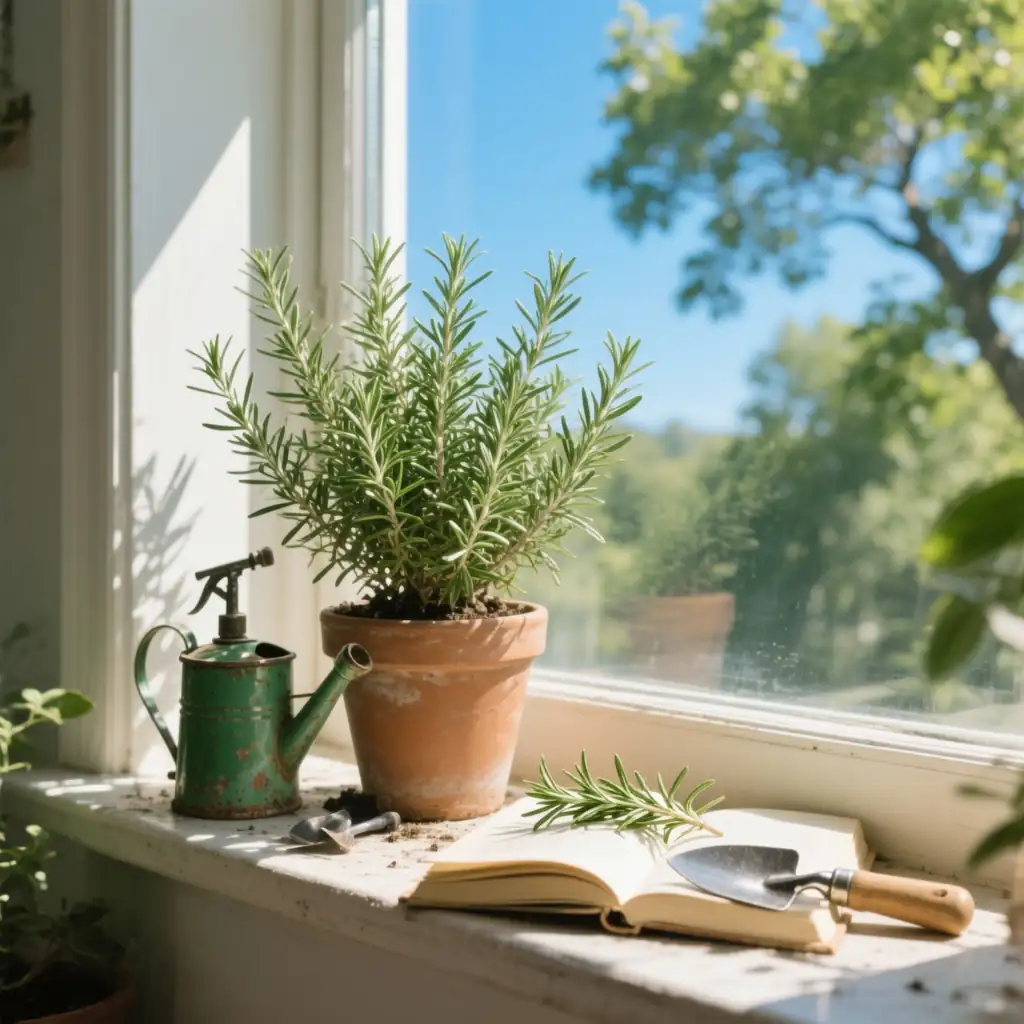
For those looking to cultivate this evergreen shrub, rosemary is a relatively low-maintenance companion. Ensure it receives at least 6–8 hours of sunlight daily and plant it in gritty, well-drained soil. While it can handle a variety of conditions, rosemary detests “wet feet,” so avoid overwatering, especially in cooler seasons.
Quick Tips:
- Watering: Allow the soil to dry out between waterings.
- Pruning: Trim lightly after flowering to maintain shape.
- Propagation: Take cuttings in late spring or summer for easy rooting.
Rosemary in Modern Times
Today, rosemary continues to be a symbol of remembrance, frequently seen at war commemorations and funerals. Its enduring presence reminds us of the connections between past and present, a living tribute to history’s rich tapestry.
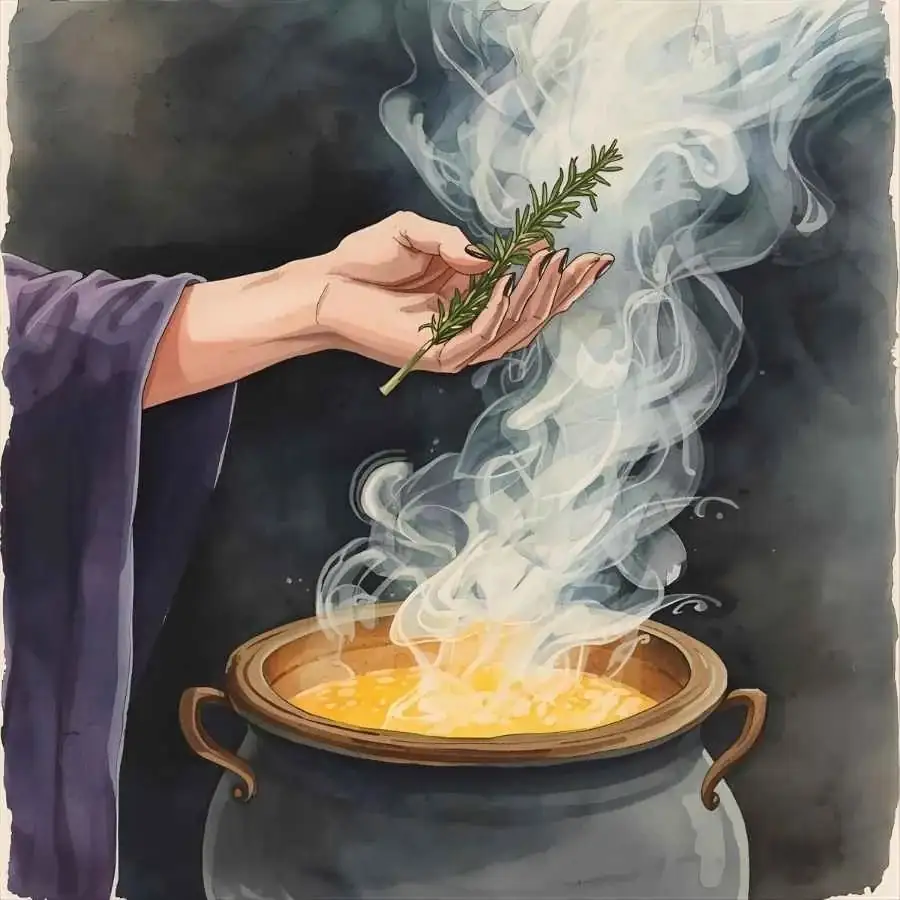
As you brush past a rosemary bush, releasing its invigorating scent, you’re not just encountering a plant; you’re engaging with a living legacy, a testament to centuries of human culture and tradition. Whether in the garden, the kitchen, or the mind, rosemary remains a steadfast companion, echoing the stories of those who came before us and rooting our memories in its fragrant embrace.