The Art of Watering: Nurturing Your Bird’s Nest Fern
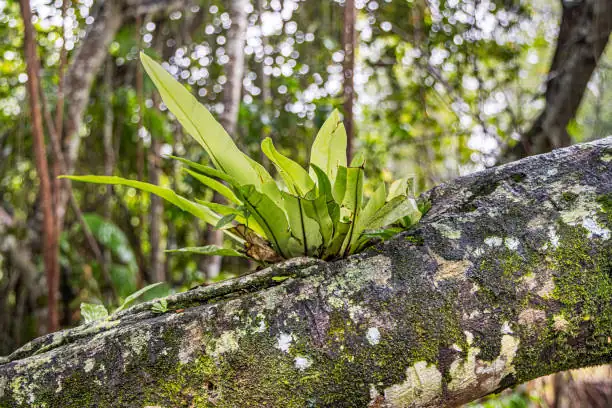
Imagine yourself in the lush, humid undercanopy of a tropical rainforest, where the Bird’s Nest Fern (Asplenium nidus) thrives in its natural habitat. This architectural beauty, known for its glossy, strap-like fronds, is not only a visual delight but also a plant that requires a bit of finesse when it comes to watering. If you’ve ever wondered how to keep your Bird’s Nest Fern as vibrant as a rainforest morning, you’re in the right place.
—
Understanding the Bird’s Nest Fern’s Water Needs
The Epiphytic Lifestyle
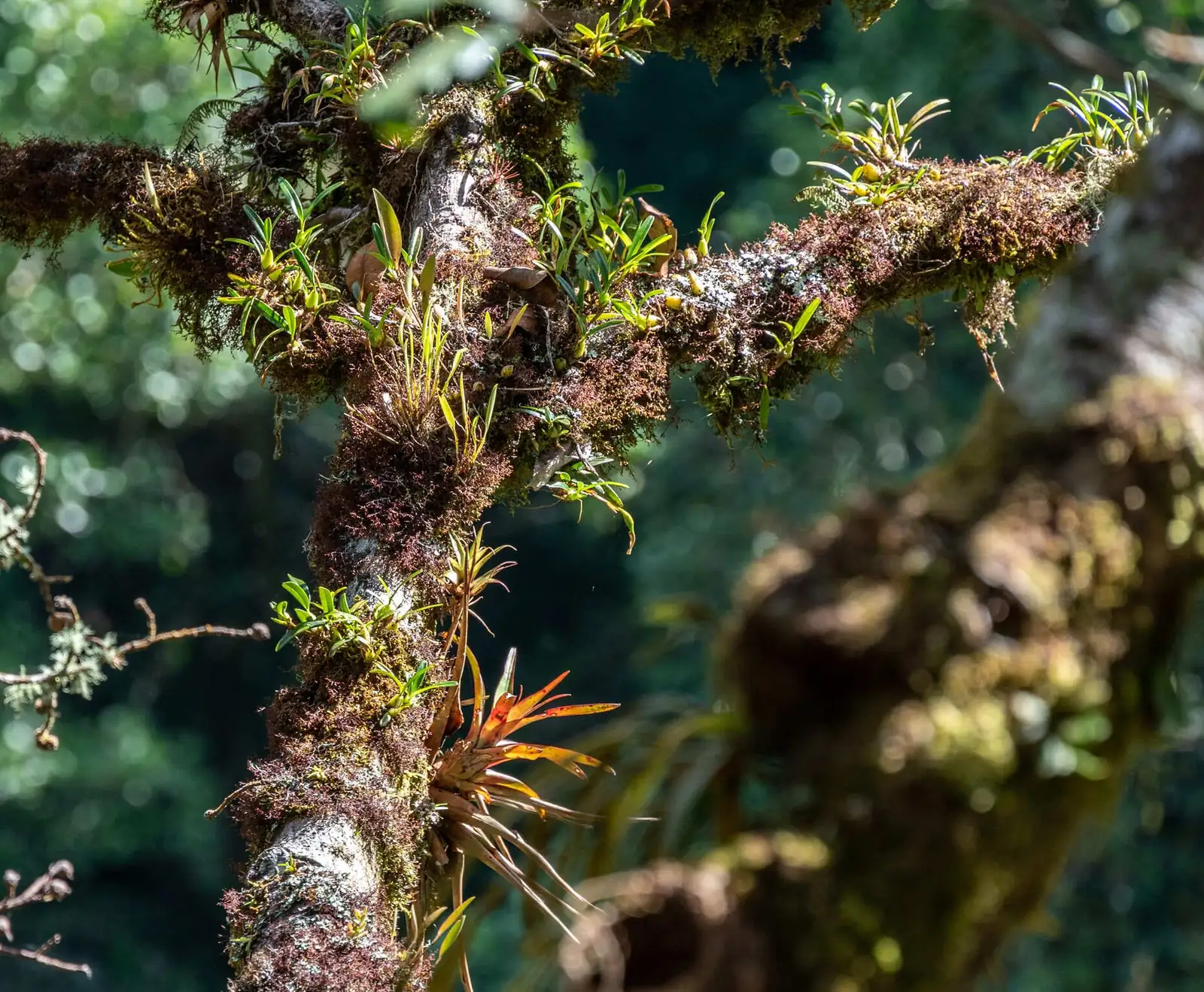
In the wild, the Bird’s Nest Fern is an epiphyte, which means it grows on trees, basking in the filtered light and high humidity. This lifestyle influences its water needs significantly. It’s not a plant that likes to have its roots submerged in water; instead, it’s all about balance—keeping the soil evenly moist without it becoming waterlogged.
Watering Wisely
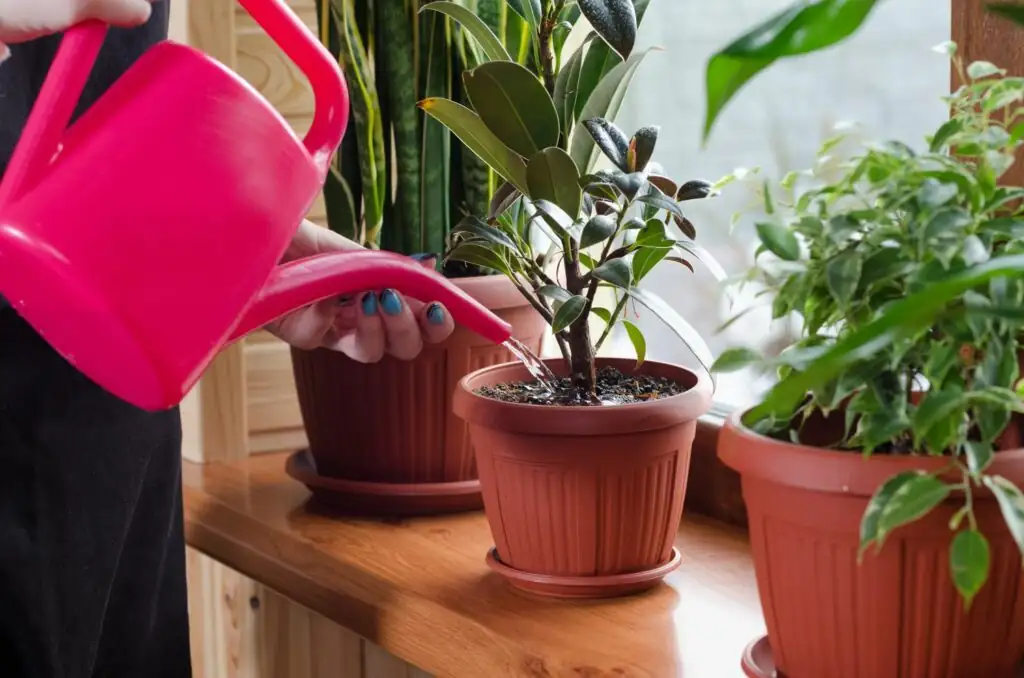
Tip: Always water the soil around the plant, not into the central rosette. This is crucial because water pooling in the crown can lead to rot, a common pitfall for Bird’s Nest Fern caretakers.
Here’s a simple routine to follow:
- Frequency: Water when the top 2–3 cm (about 1 inch) of the potting mix feels slightly dry. During warmer months, this might be 2-3 times a week. In winter, reduce the frequency but never let the root ball dry out completely.
- Type of Water: Use room-temperature rainwater, filtered, or distilled water to prevent browning tips caused by mineral-heavy tap water.
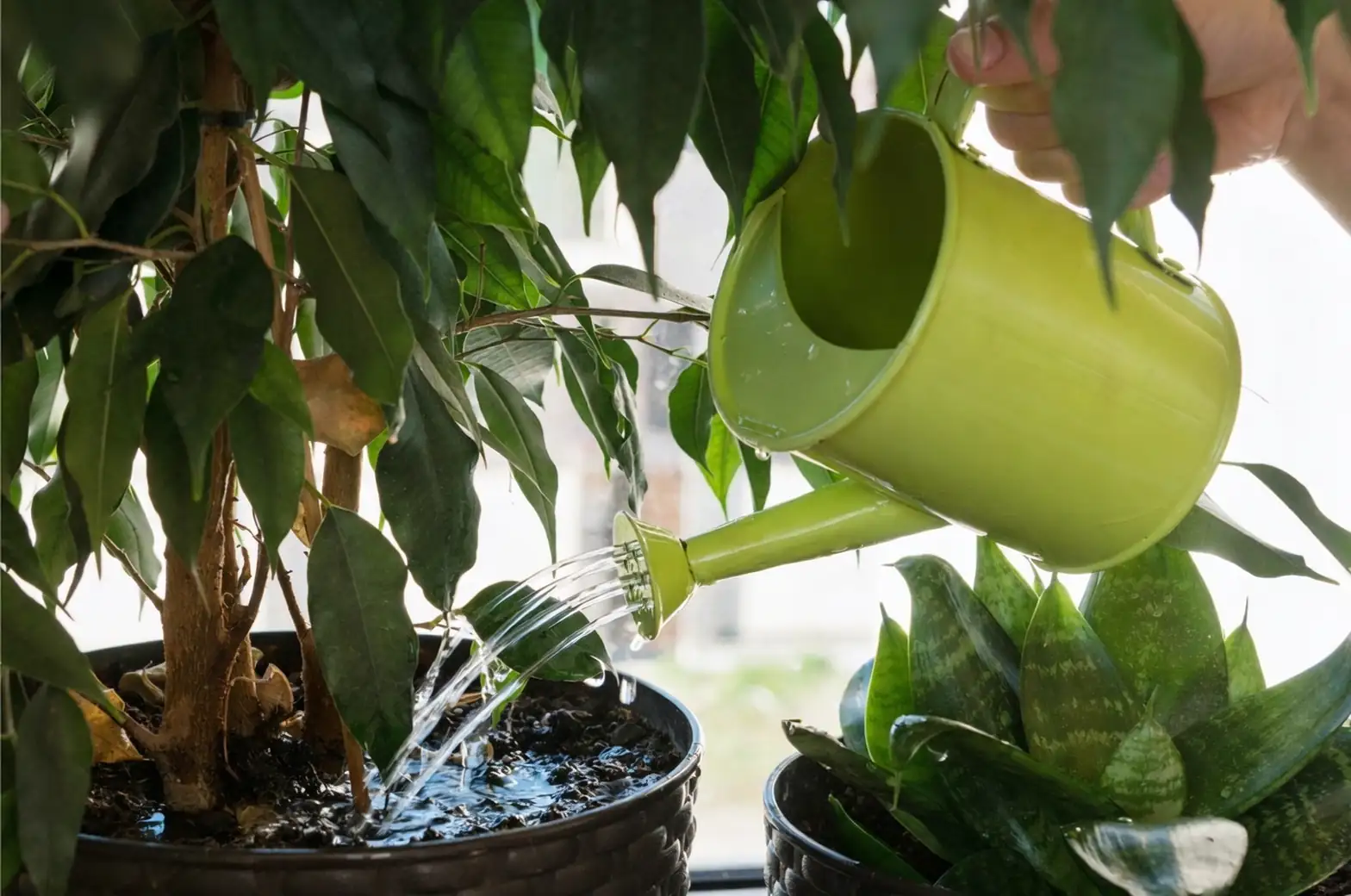
- Drainage: Ensure any excess water drains away and never let the pot sit in water.
Avoiding Common Watering Mistakes
The Dreaded Crown Rot
Crown rot is the nemesis of many Bird’s Nest Fern enthusiasts. It occurs when water sits in the plant’s center, leading to decay. Remember, the goal is moisture, not saturation.
Quick Tip: If you accidentally water the crown, gently tip the plant to help any trapped water escape.
Signs of Overwatering or Underwatering
- Overwatering: Yellowing fronds and a mushy crown typically indicate too much water.
- Underwatering: Fronds that curl or have brown edges often signal a need for more consistent moisture.
Creating the Ideal Environment
Humidity Matters
Bird’s Nest Ferns love humidity, ideally above 50%. In dry indoor air, consider placing your fern in a humid room like a bathroom or kitchen, or use a humidifier.
Temperature and Light
- Temperature: Keep your fern in a warm, stable environment between 15–27°C (60–80°F).
- Light: Bright, indirect light is best. Avoid harsh direct sunlight, which can scorch those beautiful fronds.
A Few More Tips for Healthy Growth
- Soil: Use an airy, organic-rich potting mix that retains moisture but drains well.
- Fertilization: During the growing season, feed your fern with a balanced liquid fertilizer at half strength every two weeks.
Fun Facts and Fern Philosophy
Did you know that the Bird’s Nest Fern’s rosette can trap leaf litter and rainwater, creating its own mini ecosystem? This fern is a natural air purifier, often associated with calm and renewal—a perfect plant companion for creating a serene home environment.
So, whether you’re a seasoned plant parent or a curious beginner, mastering the watering technique for your Bird’s Nest Fern is your ticket to a thriving, lush green oasis. With the right care, your fern will not only survive but thrive, unfurling new fronds like ribbons of rainforest magic. Happy growing!