The Olive Tree: A Timeless Symbol of Peace and Renewal
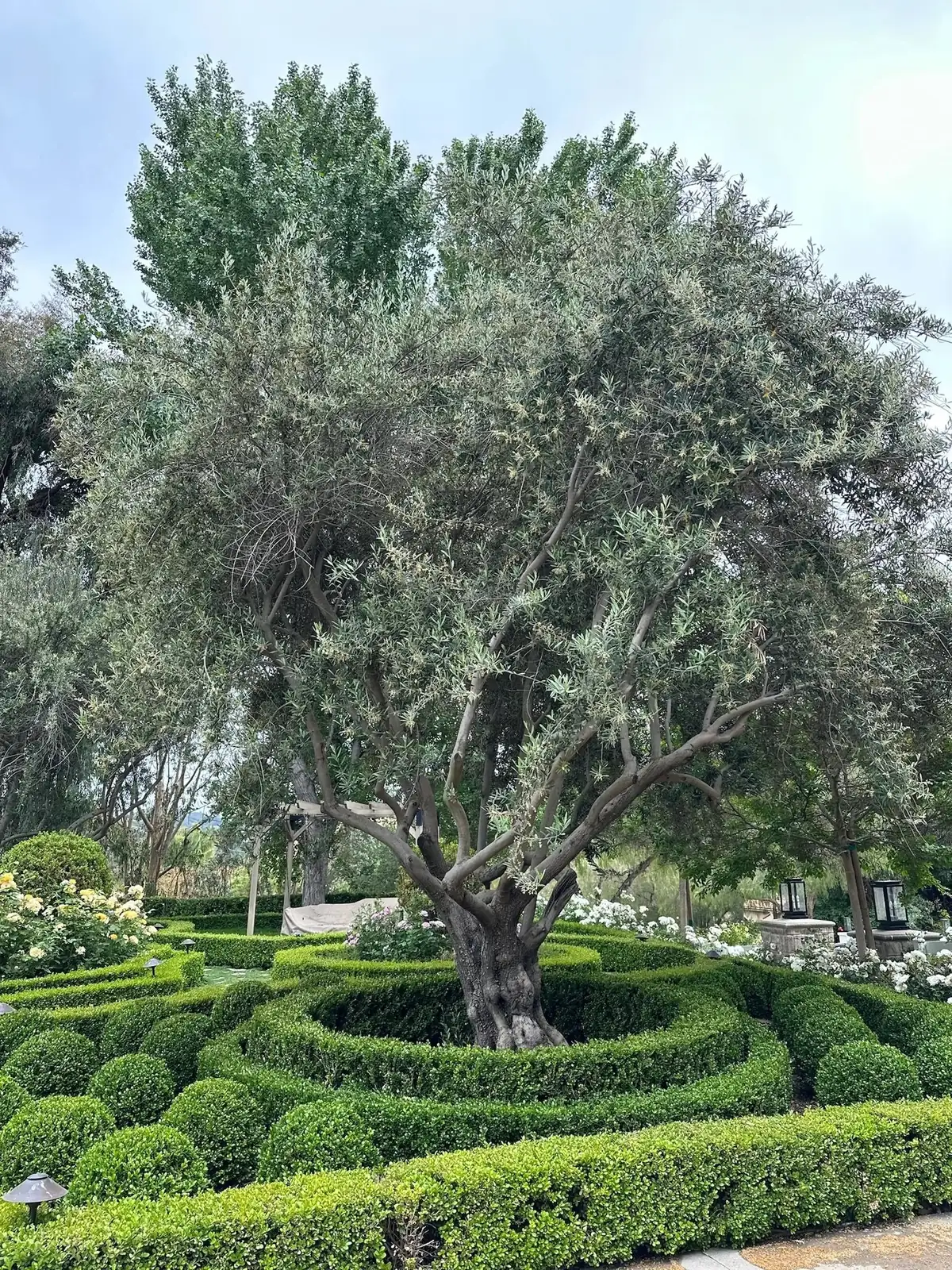
In the vast tapestry of cultural symbols, few are as universally recognized as the olive tree, or Olea europaea. This venerable tree, with its silvery-green leaves and gnarled, timeworn trunk, stands as a living testament to resilience and tranquility. Originating from the sun-drenched lands of the Mediterranean, the olive tree has woven itself into the very fabric of human history and mythology, embodying peace, hope, and reconciliation across the ages.
A Tree Rooted in Myth and Legend
From the annals of ancient Greece to the pages of the Bible, the olive tree has long been revered. In Greek mythology, the olive tree was a divine gift from Athena, the goddess of wisdom, to the city of Athens. This sacred offering was said to bring prosperity and peace, a sentiment reflected in the olive branch’s role as a crown for victors in the ancient Olympic Games. This deep-rooted connection to peace and victory still resonates today, with the olive branch appearing as a symbol of peace on the flags and emblems of many nations and organizations, including the United Nations.
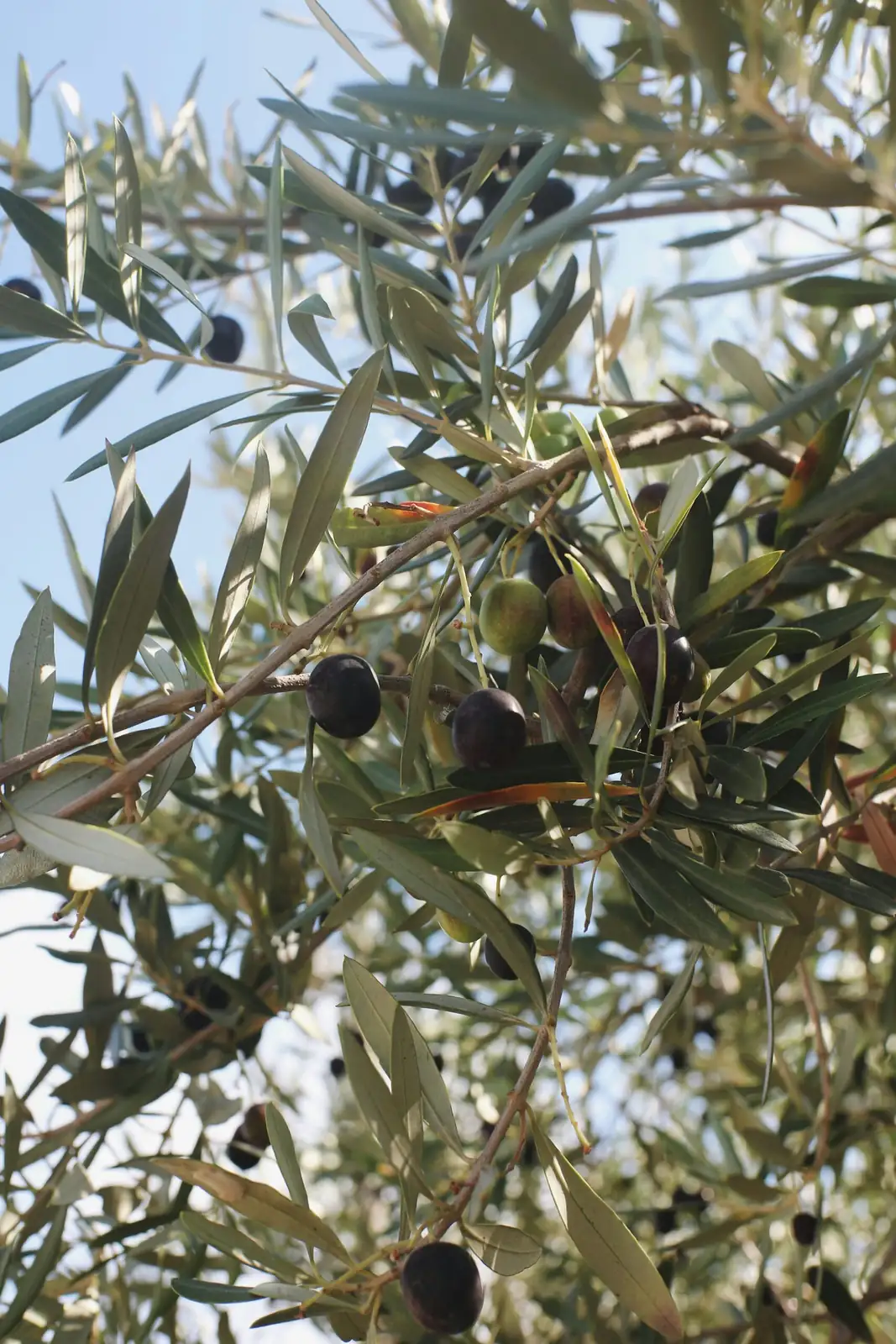
The Bible, too, speaks of the olive tree’s symbolic power. It was an olive branch that the dove carried back to Noah, signaling the end of the great flood and the dawn of a new era of hope and renewal. This enduring image captures the olive tree’s essence as a beacon of new beginnings and divine favor.
The Olive Tree in Modern Peace Symbols
In modern times, the olive branch continues to be a potent emblem of peace and reconciliation. Its imagery is invoked in diplomatic circles and peace treaties, serving as a reminder of humanity’s shared aspirations for harmony. The olive tree’s resilience and longevity—some trees live for more than a thousand years—also symbolize the enduring nature of peace and the long-lasting impact of reconciliation efforts.
A Practical and Cultural Treasure
Beyond its symbolic importance, the olive tree is celebrated for its practical gifts. Its fruit, when pressed, yields olive oil, often referred to as “liquid gold” for its culinary and economic value. Olive oil is a cornerstone of the Mediterranean diet, renowned for its health benefits and rich flavor. The tree itself is a marvel of nature, thriving in harsh, arid conditions and requiring minimal care once established—qualities that further enhance its association with endurance and life.
Caring for Your Own Olive Tree
For those inspired to cultivate their own slice of Mediterranean magic, olive trees can be grown both outdoors and indoors. They thrive in full sun and well-drained soil, needing at least 6–8 hours of direct sunlight daily. While young trees require regular watering to establish, mature trees are remarkably drought-tolerant, embodying the resilience they symbolize. With careful pruning, they can be kept as compact, ornamental specimens or allowed to grow into majestic, sprawling giants.
The Olive Tree’s Unifying Message
In a world often divided by conflict and misunderstanding, the olive tree stands as a unifying figure. Its ancient history and enduring symbolism remind us of the possibilities that arise when we choose peace over discord. Whether gracing a garden or residing in a pot on a sunny patio, the olive tree invites us to embrace its lessons of patience, wisdom, and renewal.
So, the next time you savor the rich taste of olive oil or gaze upon the graceful silhouette of an olive tree, let it serve as a gentle reminder of the peace and hope it has long represented. In nurturing this timeless symbol, we not only cultivate a connection to the past but also plant seeds for a more harmonious future.