An Exploration of the Pomegranate’s Symbolism in Cultures Worldwide
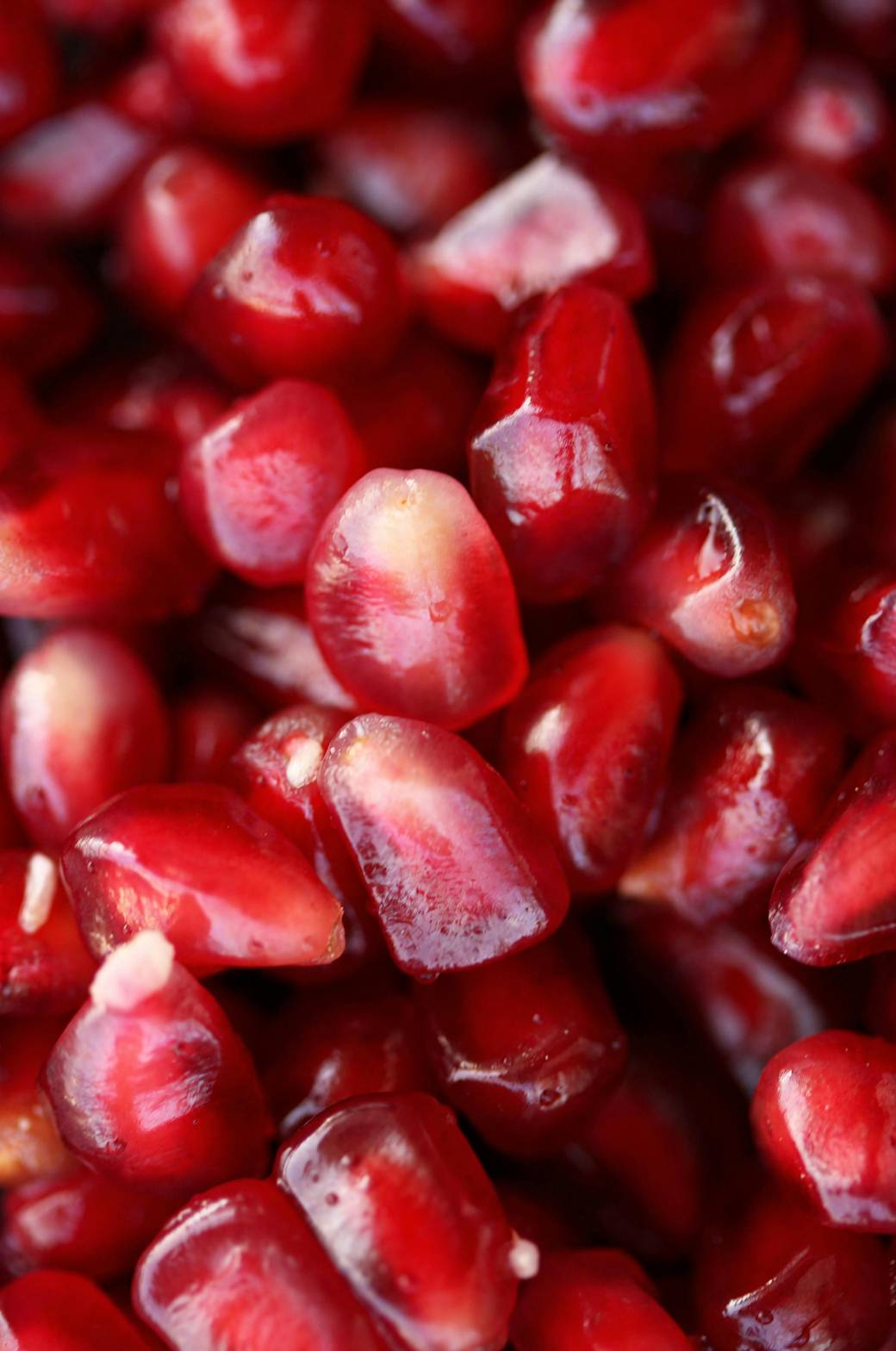
Imagine cracking open a pomegranate, each ruby-red seed nestled within like a treasure trove waiting to be discovered. This humble fruit, known scientifically as Punica granatum, has enchanted civilizations across the globe for centuries. It’s not just a fruit; it’s a symbol of abundance, prosperity, and the intricate dance of life and death, woven into the tapestry of human culture and mythology.
A Fruit Rich in Symbolism
The pomegranate’s allure transcends its juicy, jewel-like arils. This fruit has been a symbol of fertility, prosperity, and life’s richness across various cultures. In ancient Greece, it was linked with the myth of Persephone—a tale of life, death, and rebirth. Persephone’s consumption of pomegranate seeds bound her to the Underworld, symbolizing the cycle of the seasons and nature’s rebirth each spring.
In Jewish tradition, the pomegranate is often associated with righteousness, with lore stating that it contains 613 seeds, one for each commandment of the Torah. This symbolism extends to Zoroastrianism, Islam, and Christianity, where the fruit represents the promise of life and fertility. The pomegranate’s multifaceted symbolism showcases its role as a mediator between opposing states—abundance and scarcity, life and death.

Weddings and New Beginnings
Across cultures, the pomegranate is a staple in wedding ceremonies and new home blessings, signifying a wish for prosperity and fertility. In Greek and Turkish weddings, it’s customary to break open a pomegranate to bless the union with abundance. The scattered seeds represent the hope for many children, a fruitful marriage, and a life filled with prosperity.
In China, the pomegranate is a symbol of fertility and numerous offspring, often appearing in art and decoration, especially in the context of weddings. Its presence in newlywed homes serves as a talisman for a life brimming with blessings and abundance.
Cultural Reverence and Botanical Marvel
Native from southeastern Europe through western and central Asia to the Himalayas, the pomegranate thrives in its sun-bathed, well-drained habitats. It’s a testament to nature’s resilience, with its drought-tolerant and container-friendly attributes. This adaptability has made it a beloved plant in gardens worldwide, from Mediterranean landscapes to subtropical gardens.
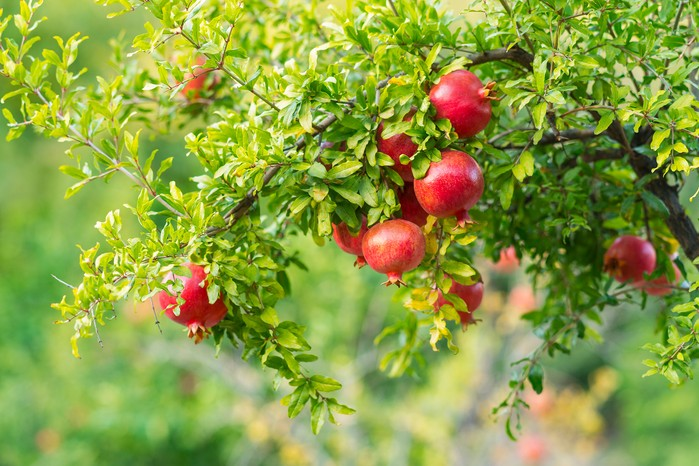
The pomegranate’s flamboyant orange-red blooms and glossy leaves are a gardener’s delight, offering beauty and bounty. However, it’s the fruit that steals the show, its leathery rind concealing a burst of tart-sweet flavor. Whether eaten fresh, juiced, or used in culinary creations, the pomegranate’s versatility is matched only by its symbolic depth.
The Pomegranate in Modern Times
Today, the pomegranate continues to inspire, whether in literature, art, or culinary arts. It’s a fruit that invites us to explore its history and the cultural narratives it embodies. In a world constantly moving forward, the pomegranate reminds us of the cycles of nature, the balance of life, and the enduring hope for prosperity and abundance.
Closing Thoughts
As you delve into the world of the pomegranate, let it remind you of the interconnectedness of cultures and the shared symbols that unite us. Whether you’re celebrating a wedding, blessing a new home, or simply savoring its vibrant arils, the pomegranate offers a rich tapestry of meanings — a testament to its timeless appeal. So, the next time you encounter this ancient fruit, take a moment to appreciate its profound legacy and the many blessings it represents.